
Tabla de contenido
Is My Toddler Sensitive to Noise? What Does It Mean?
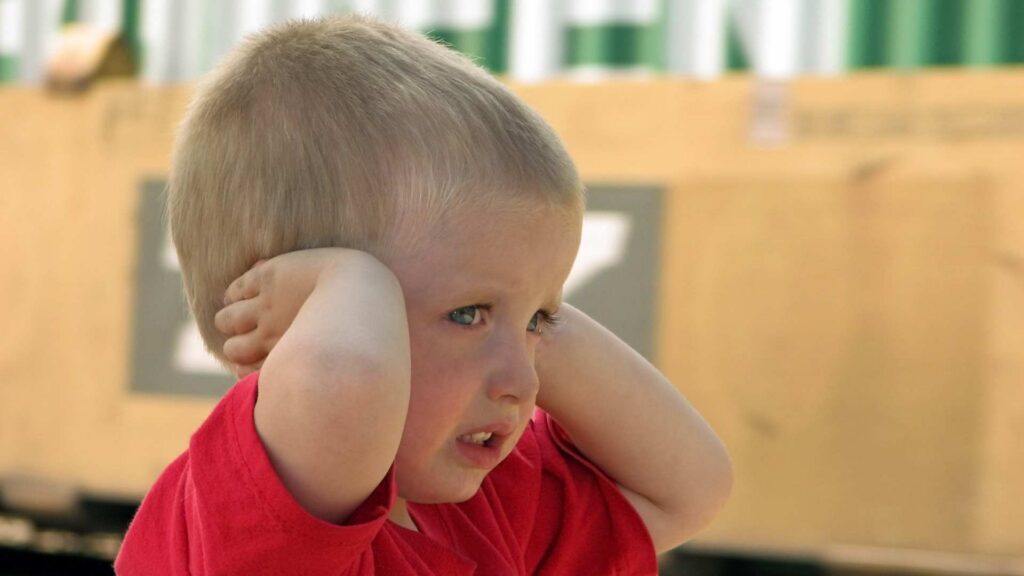
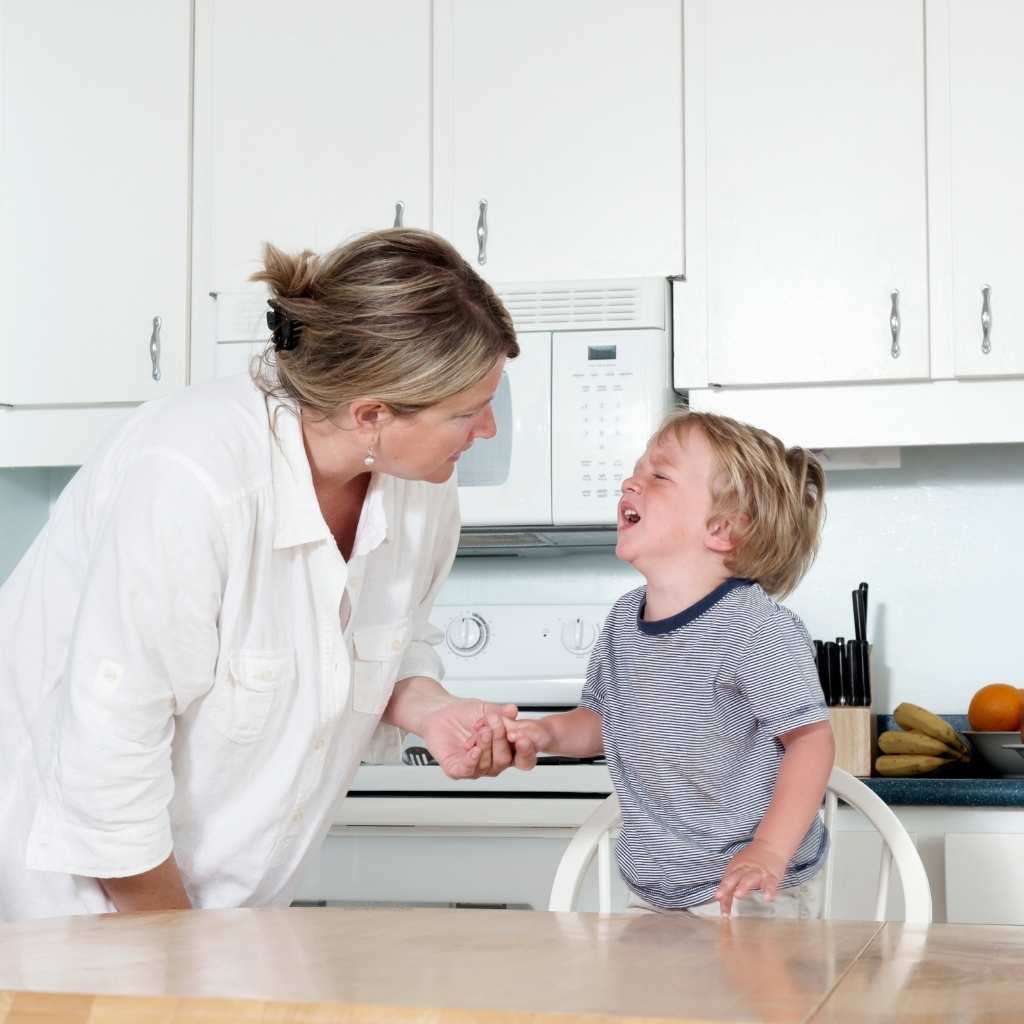
Situations like your toddler suddenly covering their ears when a dog barks, refusing to wear a shirt because it “feels weird”, or maybe pulling away from food, or textures like sand, paint, or avoiding messy play altogether.
It may be worrying at first, but sensory sensitivity in toddlers is more common than many parents realize. At this age, children are still learning to process sounds, textures, and other sensations. Some reactions may seem intense, but they’re often part of their development.
This article from ABA Centers of New Jersey will help you understand what sensory issues in toddlers look like in everyday life, what’s considered typical, and when patterns may be worth a closer look.
What Is Sensory Sensitivity in Toddlers?
Sensory sensitivity refers to how a child responds to sensory input: what they hear, see, touch, taste, or smell.
In early childhood, the brain is still learning how to organize and respond to these experiences. Research from PLOS ONE shows that differences in sensory responsiveness can appear as early as toddlerhood, with some children naturally reacting more strongly to certain sounds or textures than others.
This means some variation is completely expected from child to child and is a normal part of development.
How Does It Look in Everyday Moments?
Sensory sensitivity in toddlers often shows up in small, everyday situations.
1. Sensitivity to noise
Some toddlers are especially sensitive to loud or unexpected sounds. You may see them covering their ears, crying during loud events, or avoiding busy environments.
A toddler sensitive to noise may feel overwhelmed more quickly, especially when sounds are sudden or unpredictable.
2. Sensitivity to textures
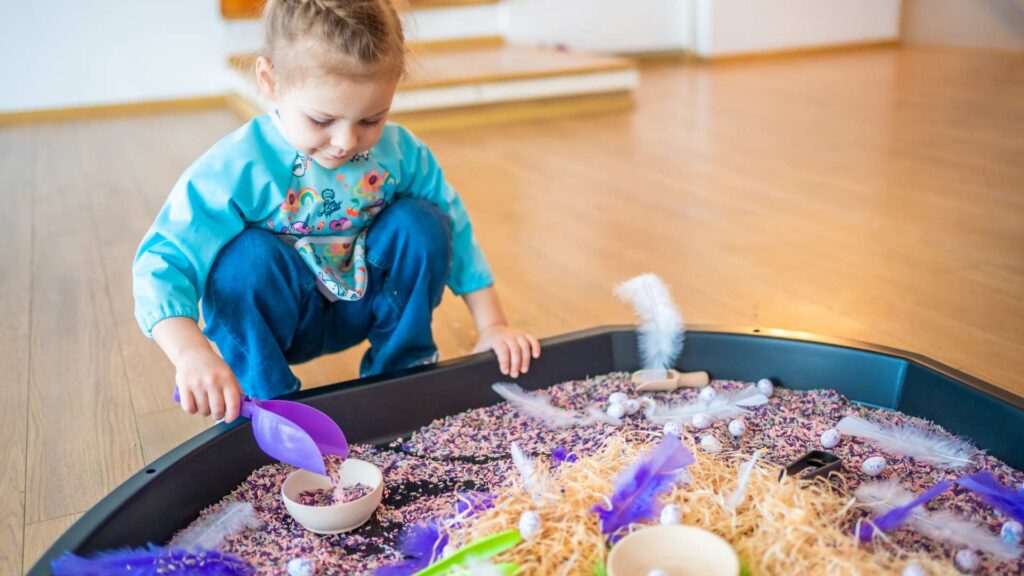
Clothing, food, or surfaces can feel uncomfortable. If this happens to your child, they may refuse certain fabrics or tags, avoid messy play, or have strong reactions to specific textures.
3. Sensitivity to touch
Some toddlers may struggle with physical contact, such as hugs, holding hands, or even light touch. This can also be seen in daily self-care routines such as bath time.
4. Sensitivity to change
New environments or unexpected transitions can feel overwhelming, leading to distress or resistance.
Why Sensory Issues in Toddlers Aren’t the Same for Every Child
Not all toddlers experience sensory input in the same way. Some children are naturally more sensitive, while others seek out stimulation. These differences are part of how children develop and interact with the world around them.
Research shows that sensory responsiveness exists on a spectrum, meaning some level of sensitivity is completely normal in early development. For many children, these sensitivities shift over time as their ability to process sensory information improves.
Sensory Sensitivities in Toddlers: What’s Normal at This Age
It’s important to remember that sensory sensitivity in toddlers doesn’t automatically mean something is wrong.
Many children:
- Go through phases of sensitivity
- React strongly to certain sounds or textures
- Have clear preferences and dislikes
- Show occasional intense reactions
These behaviors are often part of learning how to navigate the world. For instance, a toddler sensitive to noise may simply be adjusting to new sensory experiences.
When Could It Be Necessary to Take a Closer Look?
While occasional sensitivity is typical, patterns over time can provide more insight.
Un comprehensive review on sensory issues in toddlers explains that concerns tend to arise when sensory responses are:
- frequent
- intense
- interfering with daily life
In other words, it’s not just how your child reacts, but how often it happens and how much it affects their ability to participate in their everyday activities.
You may want to take a closer look if your child:
- Reacts very strongly or consistently to certain sensations
- Has difficulty calming down after sensory experiences
- Avoids many types of input, not just one or two
- Struggles to participate in daily routines
How Sensory Sensitivity Connects to Behavior
Sensory experiences don’t just affect how toddlers feel; they also influence how they behave.
For example:
- A toddler who is sensitive to noise becomes overwhelmed, covers their ears, and cries.
- A toddler feels uncomfortable with texture, feels distressed, and refuses to eat
- A toddler in an environment with too much stimulation gets overloaded and has a meltdown
Understanding this connection can help shift your perspective. What may look like a challenging behavior is often your child trying to cope with something that feels overwhelming.
Can Sensory Sensitivity Be Related to Autism?
Sensory sensitivity can sometimes be part of broader developmental differences, but it’s important to keep this in context.
A large meta-analysis published in the Journal of Autism and Developmental Disorders shows that sensory differences are common in autism and can include heightened or reduced responses to sensory input.
However, sensory sensitivity alone is not enough to indicate autism.
Many toddlers have strong sensory preferences without any underlying condition. When sensory differences are part of autism, they typically appear alongside other patterns related to communication and social interaction.
How to Support Your Toddler’s Sensory Needs
If your child shows signs of sensory sensitivity, there are simple ways to support them at home.
- Create a calmer environment: Reduce overwhelming sounds or stimulation when possible.
- Prepare for new experiences: Give your child time to adjust to unfamiliar environments.
- Respect preferences: Avoid forcing uncomfortable sensations, while gently introducing new ones over time.
- Offer reassurance: Stay close and supportive during overwhelming moments.
- Build gradual exposure: Help your child explore new sensory experiences at their own pace.
These strategies help children feel safe while gradually building tolerance and confidence.
Understand the Bigger Picture with ABA Centers of New Jersey

If you’re wondering whether your child’s sensory sensitivity is typical or if it could be something more, you’re not alone. To be sure, you can:
- Observe patterns over time
- Notice how your child responds in different settings
- Talk with your pediatrician about your concerns
- Look for guidance with our team at ABA Centers of New Jersey
You don’t need to wait for things to feel serious to ask questions. Early guidance can help you better understand your child’s behavior and needs.
What matters most is looking at patterns, staying curious about your child’s experience, and knowing when to seek guidance.
If you have concerns about your child’s sensitivities, reach out to our professionals at ABA Centers of New Jersey by filling out our formulario de contacto or calling (855) 640-7888.