


What matters more is how often it happens and in which situations.
What Responding to Their Name Really Involves
Responding to a name might seem simple, but at their age, it reflects several developmental skills working together.
When you call your toddler’s name, they need to notice the sound, shift their attention, and connect to that moment through interaction. Responding to a name involves hearing, attention, and early communication skills, which develop during toddlerhood.
This means that when a toddler doesn’t respond to their name, it isn’t always about behavior or listening. It can be related to how they process information or how they engage socially.
In many ways, name response is less about “obedience” or “compliance” and more about connection.
5 Reasons Toddlers Don’t Respond to Their Name (That Aren’t Concerning)

1. They’re deeply focused
Toddlers become absorbed in play and may not shift attention right away.
2. There are distractions
Noise, screens, or busy environments can make it harder for a child to notice their name.
3. They’re exploring independence
At this age, children start to test boundaries and may choose not to respond immediately.
4. They respond inconsistently
Even typically developing toddlers don’t respond every time. Consistency builds gradually.
5. They’re still developing attention skills
Attention and responsiveness continue to grow throughout toddlerhood.
These behaviors can feel frustrating, but they are not necessarily signs of autism in toddlers on their own.
When It Might Be Worth Taking a Closer Look
While occasional lack of response is common, patterns over time can offer more insight.
Los CDC encourages parents to pay attention to developmental patterns and to act early when concerns arise. You may want to observe more closely if your toddler doesn’t respond to their name in most situations, especially if you notice:
- Limited response even in quiet, one-on-one settings
- Rare attempts to connect or engage
- Rarely using gestures, like pointing or showing objects
- Difficulty maintaining back-and-forth interaction
Rather than focusing on a single moment, it’s more helpful to look at how your child responds across different situations and over time.
In some cases, these patterns may be part of broader developmental differences, including early signs of autism, especially when they appear alongside communication or social challenges.
How Name Response Connects to Social and Communication Development
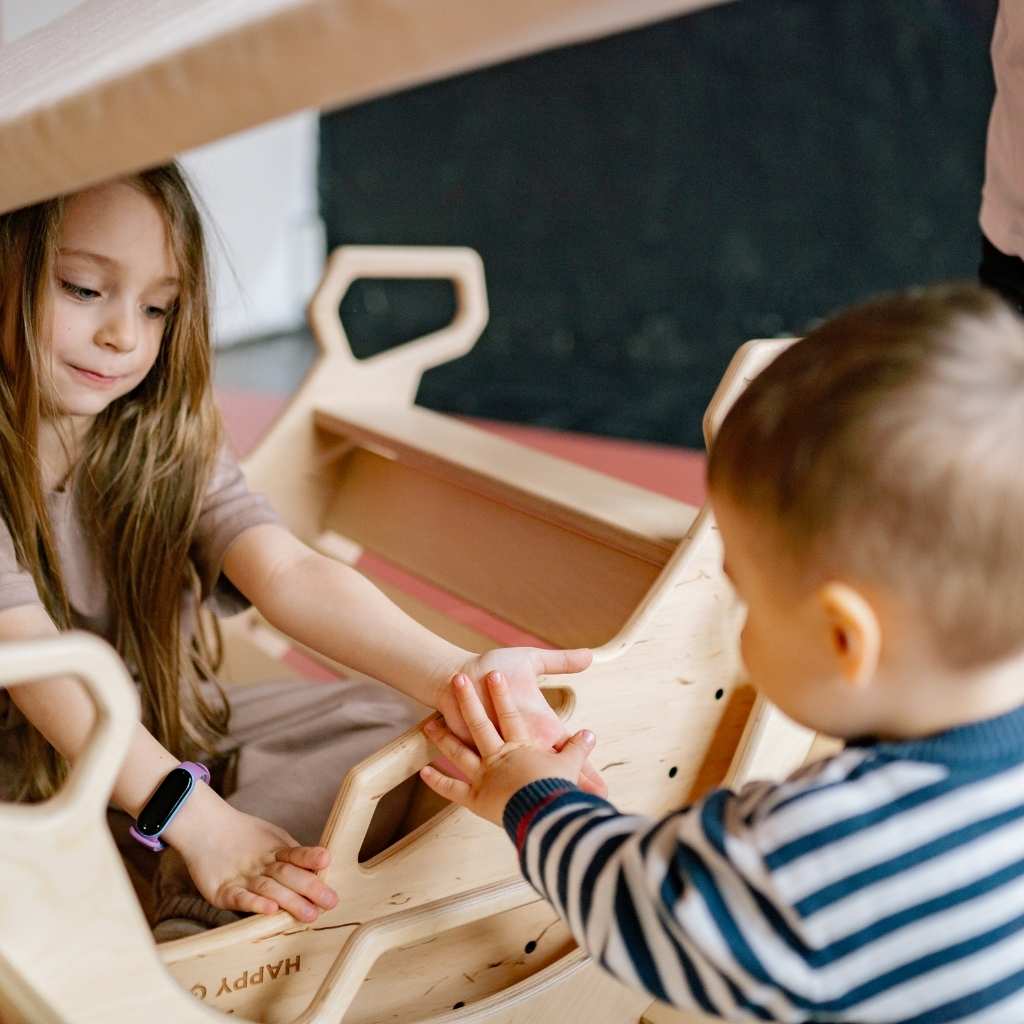
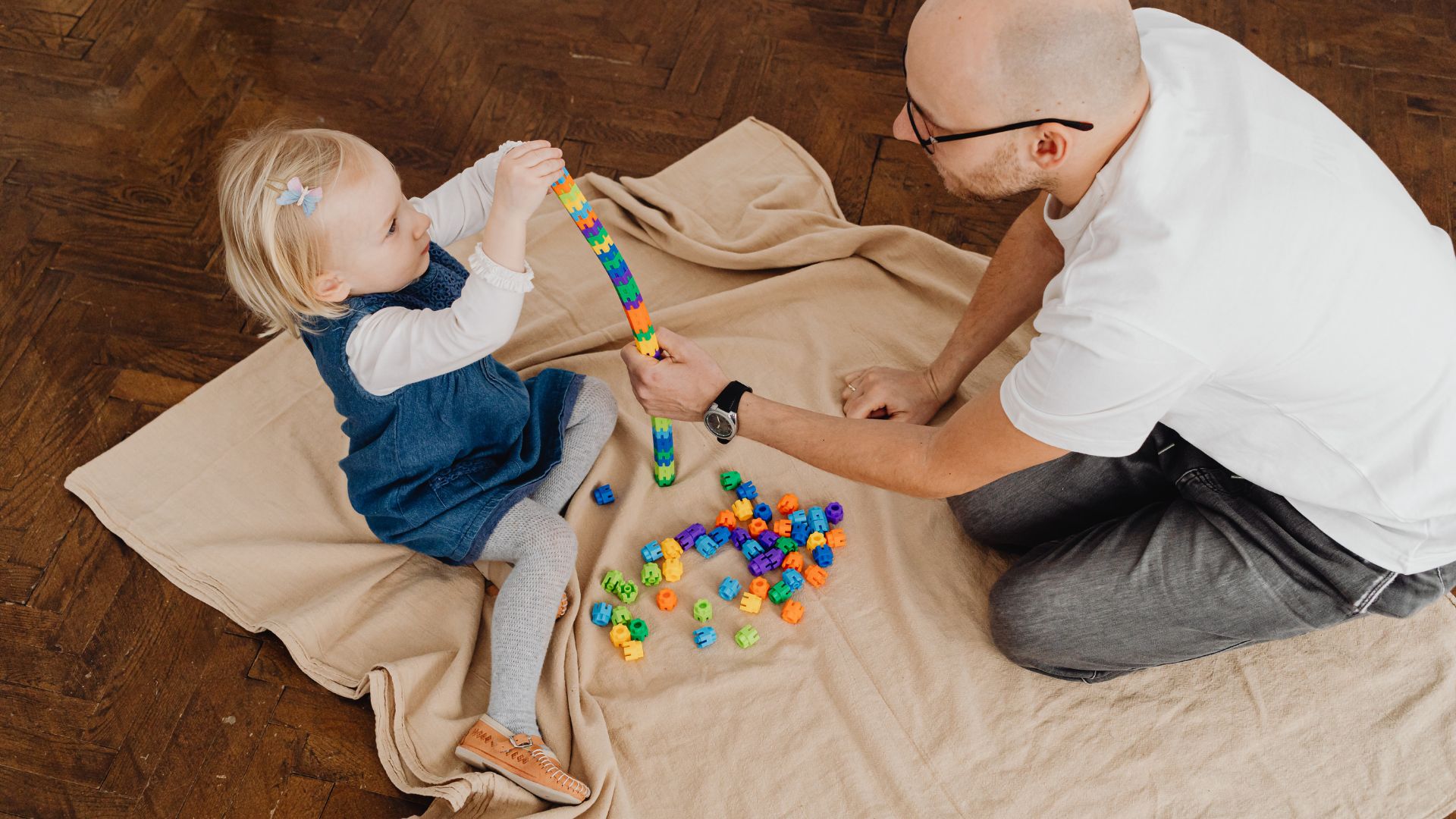
Simple Ways to Encourage Name Response at Home
If your toddler doesn’t respond to their name, there are simple ways to support this skill through everyday interaction.
- Get at their level: Position yourself where your child can see your face and connect visually.
- Use an engaging tone: A warm, animated voice can help capture their attention more effectively.
- Pair their name with interaction: Follow their name with something meaningful, like a shared activity or gesture.
- Reduce distractions: Create moments where it’s easier for your child to focus on you.
- Reinforce connection: When they respond, acknowledge it with attention, smiles, or praise.
These strategies help build attention and social engagement naturally over time.
When to Seek Guidance with ABA Centers of New Jersey
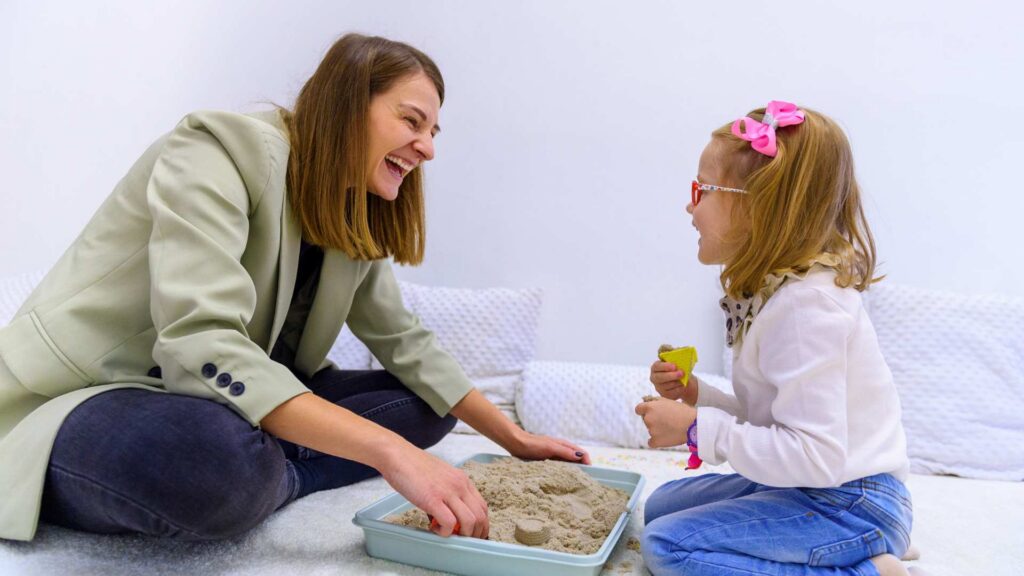
If your toddler doesn’t respond to their name consistently and you notice other developmental differences, it may be helpful to seek guidance.
Early action can make a meaningful difference and help you better understand your child’s needs. Some children take more time to build attention and communication skills. Others may show differences that benefit from early support.
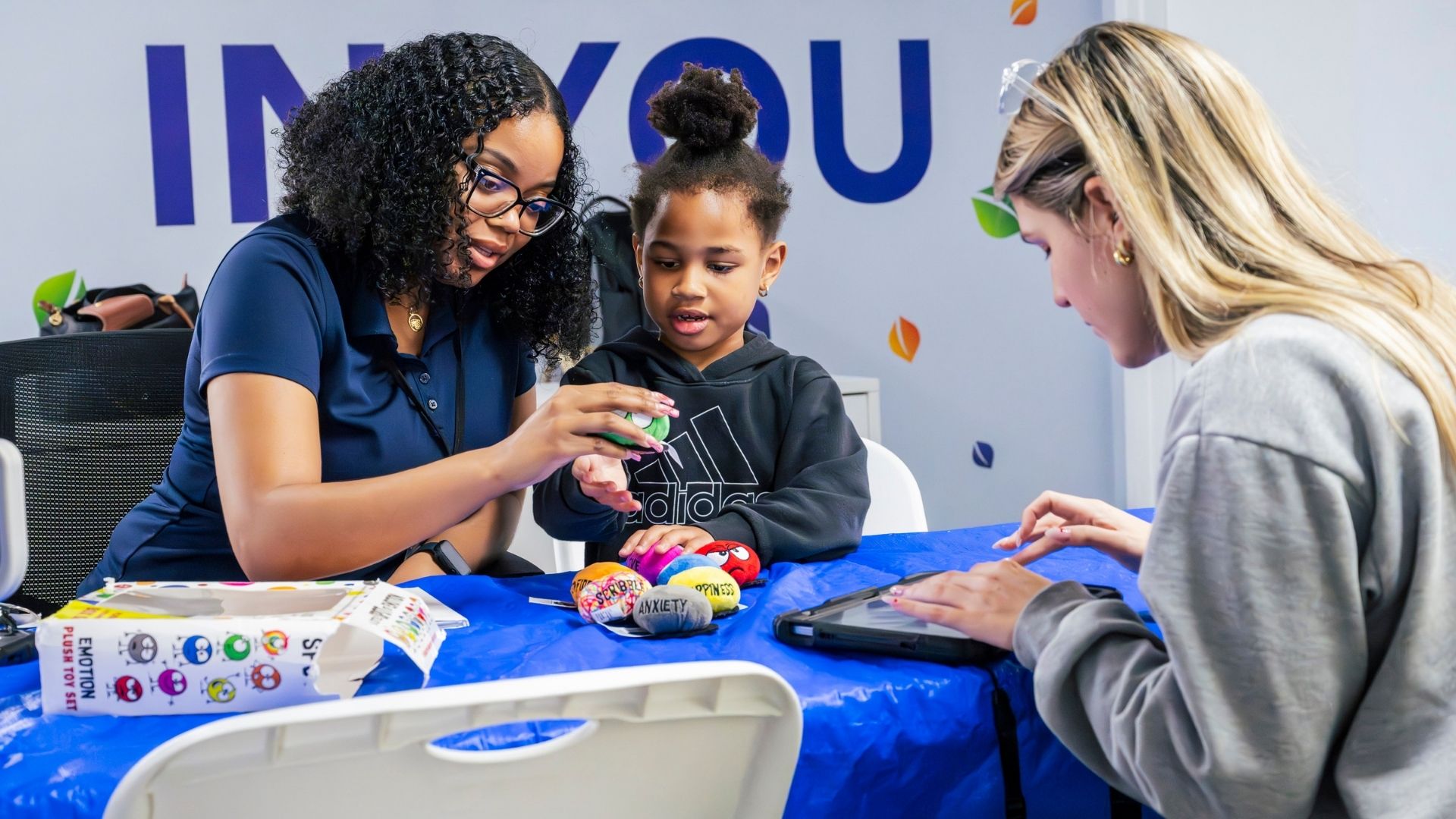
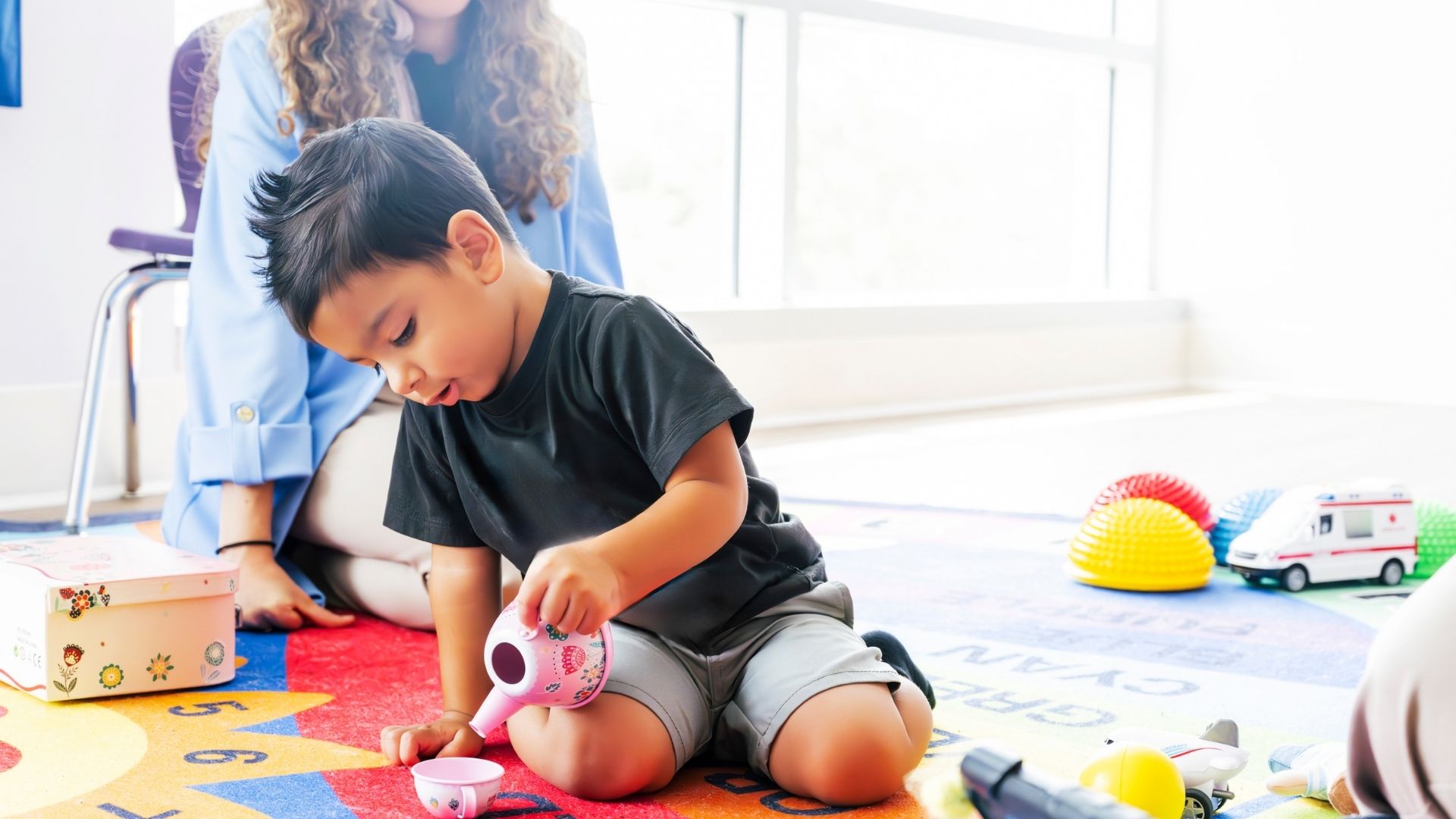
Our ABA professionals at ABA Centers of New Jersey will look at communication, interaction, and developmental patterns as a whole, rather than focusing on one behavior.
You don’t have to figure it out alone. What matters most is noticing patterns, trusting your instincts, and knowing when to ask questions.
If you have concerns or simply want reassurance, you can reach out to us through our formulario de contacto o llámanos al (855) 640-7888 to learn more.


 Español
  English