
Why Isn’t My Toddler Talking Yet? What It Could Mean

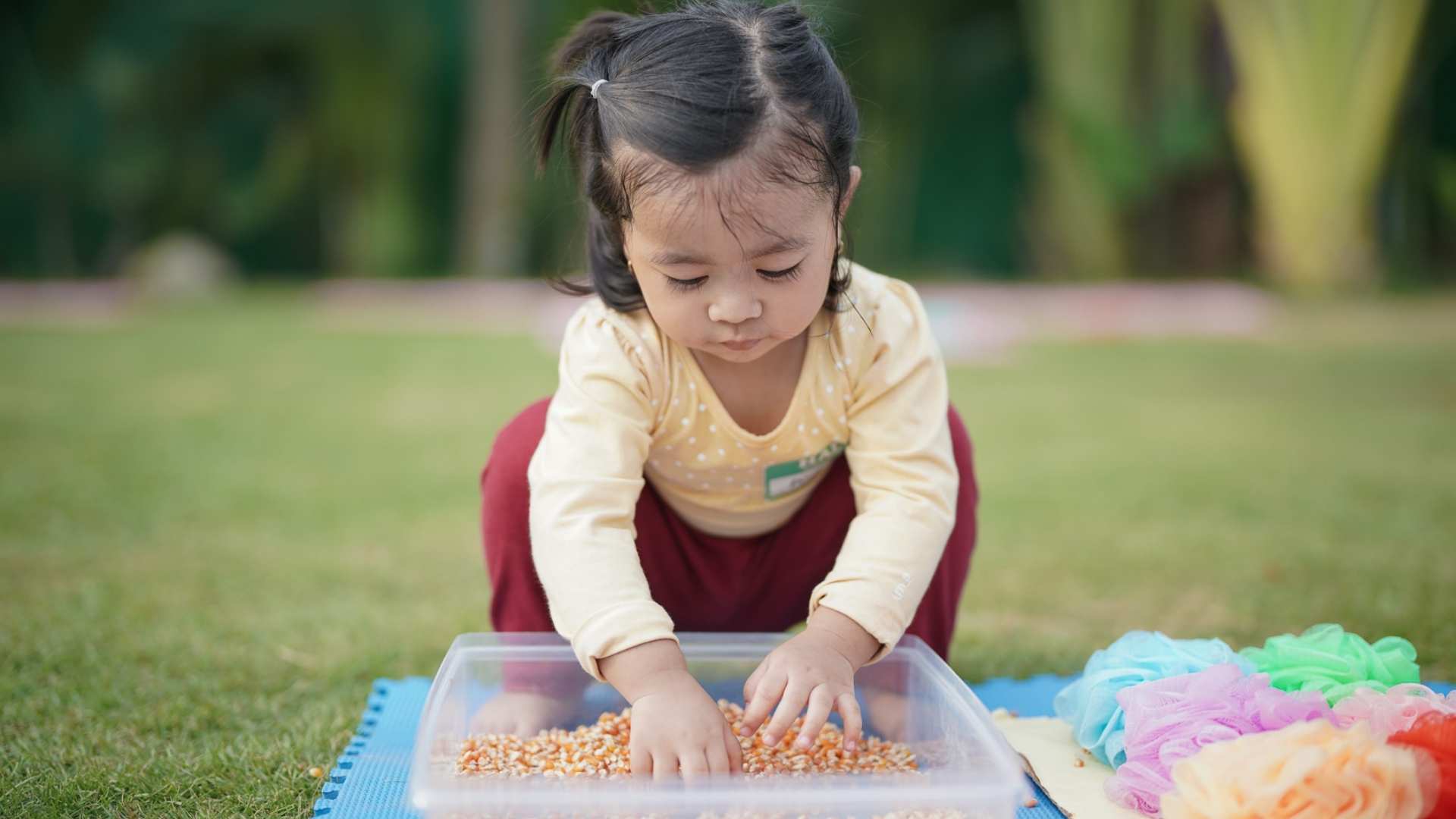
A small child appears to call out, paired with the theme Why Isn’t My Toddler Talking Yet. The image helps explain common signs of speech delay and autism.

Tabla de contenido

Why isn’t my toddler talking yet?

It’s normal for parents to worry if their child isn’t using words as expected at certain stages. While some toddlers take longer to develop speech, it’s important to understand what’s typical and what may need close attention, so that you can feel more confident about what to do next.

As toddlers grow, communication skills appear in different ways; some name objects or combine words; others rely on gestures and sounds.

If this isn’t the case for your child and you are asking yourself, “Why isn’t my toddler talking yet?”, in this blog from ABA Centers of New Jersey, we’ll walk you through common reasons toddlers may not be talking yet, the early signs of autism in toddlers, and when it may be helpful to take a closer look.

What Is Expected in Speech Development in Toddlers?

Language development doesn’t happen all at once, and every child progresses at their own pace. Around this age, you may start to notice new ways your child is trying to communicate, even if they’re not using many words yet. For many toddlers, this can look like:

  • Saying their first words around 12 months
  • Using several words by 18 months
  • Starting to combine words around age 2
  • Using gestures like pointing, waving, or showing objects

The CDC highlights these early communication behaviors as key indicators of how toddlers begin to express needs and interact with others during the first two years of life.

Speech isn’t the only form of communication. Many children express themselves through eye contact, gestures, sounds, and facial expressions. These nonverbal forms of communication also play an essential role in early development and can provide insight into how a child connects with others.

If some of these communication forms exist, even with little speech, it still shows progress.

Why Isn’t My Toddler Talking Yet: 4 Factors

There are several reasons why a toddler may not be talking as expected for the stage of growth they’re in, and many of them are part of normal development.

La Asociación Americana del Habla, Lenguaje y Audición explains that some children develop language later than others and may still catch up over time, especially when they understand language but take longer to express it.

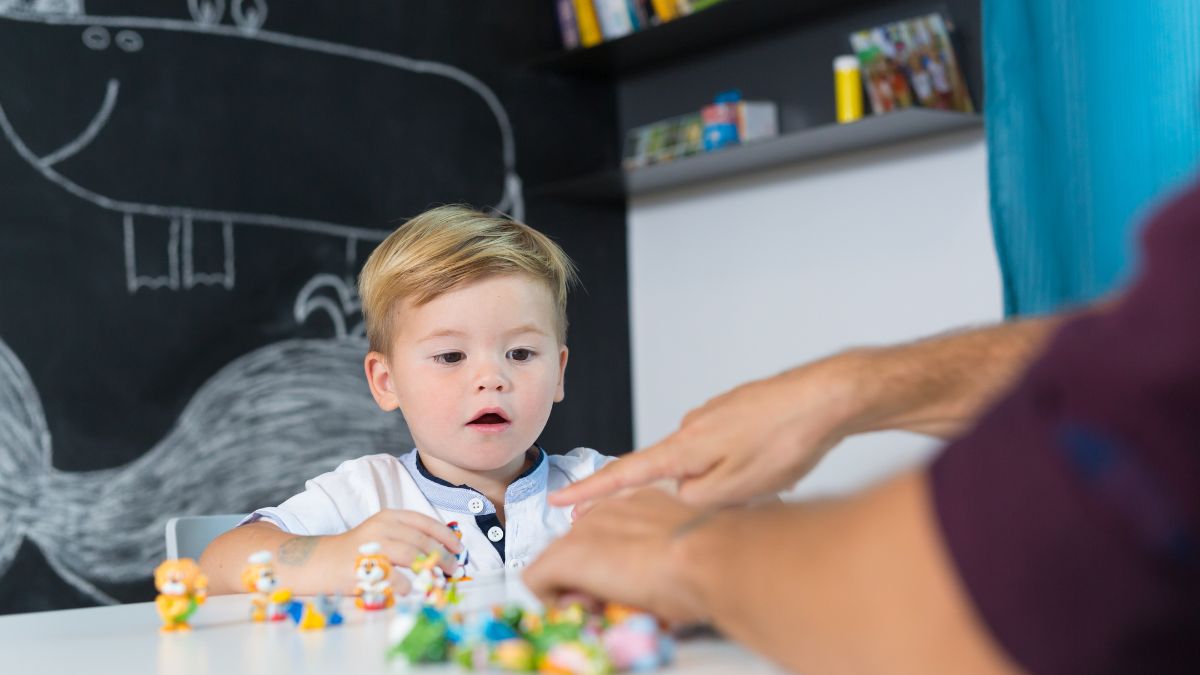
A child engaged in play, appearing to vocalize as they look to a toy. This image aligns with the question 'Why Isn’t My Toddler Talking Yet' and highlights common worries around speech delay

1. Natural variation (late talkers)

Some children simply develop language later than others. These toddlers may understand words and instructions, but may take longer to speak consistently.

2. Differences in communication opportunities

Children learn language through interaction. If a child has fewer opportunities to engage in back-and-forth communication, speech may take longer to develop.

3. Hearing-related factors

Even mild hearing differences can impact how a child learns sounds and words. If a child cannot clearly hear language, it may affect their ability to use it.

4. Personality and temperament

Some children are more observant or reserved. They may take time to process what they see and hear before expressing themselves verbally.

These situations can all contribute to a language delay in toddlers, especially when speech develops at a slower pace than other areas of growth.

When Is It Just a Language Delay in Toddlers or Something More?

While many delays are resolved over time, there are certain moments when it’s important to look more closely, like if your child:

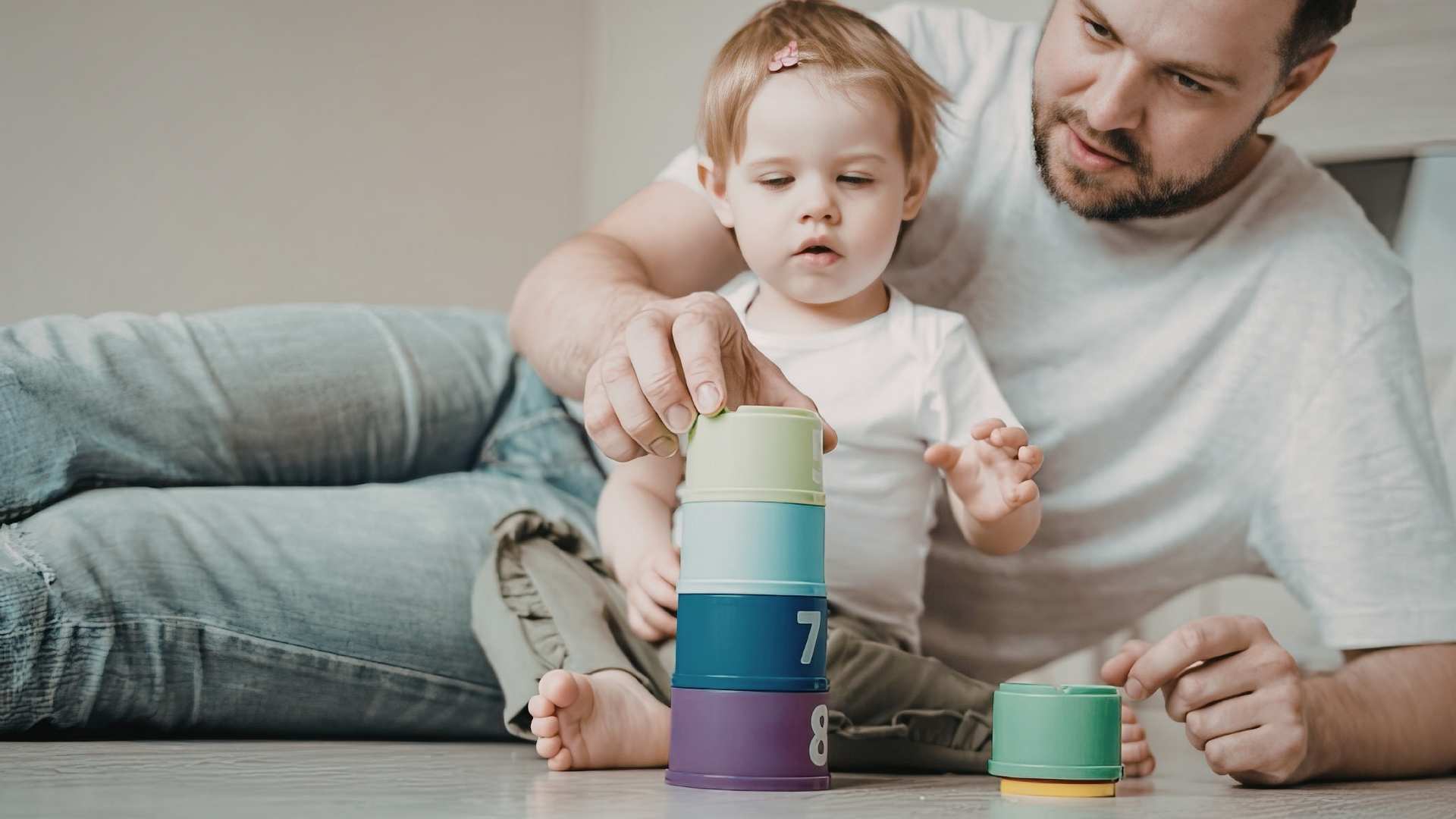
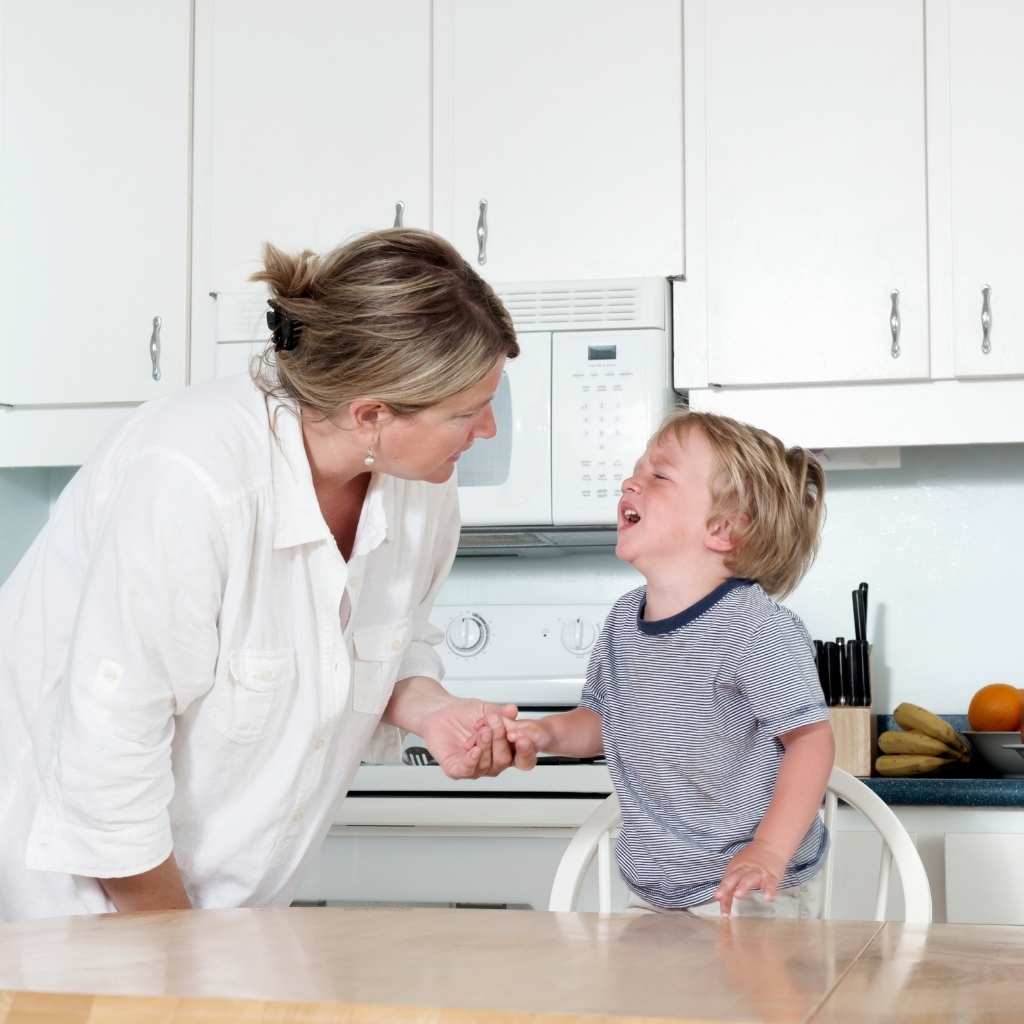
An adult comforting a child in a kitchen, connected to the question Why Isn’t My Toddler Talking Yet while touching on speech delay and autism concerns
  • Uses very few or no words by 18–24 months
  • Does not use gestures like pointing or waving
  • Has difficulty following simple directions
  • Shows limited attempts to communicate needs
  • Becomes easily frustrated when trying to communicate

What matters most is not just how many words your child uses, but how they are trying to connect and communicate with their surroundings overall.

When these patterns appear consistently, they may indicate a more significant language delay in toddlers or an early signs of autism. If this is the case, it could be beneficial to find support.

Speech Delay or Autism?

When thinking about speech delay or autism, the difference often comes down to how the child communicates beyond words. The NICHD explains that autism typically affects multiple developmental domains simultaneously, including communication, social interaction, and behavior.

For example, you might notice:

  • Limited contacto visual
  • Reduced interest in interaction
  • Lack of pointing or showing
  • Difficulty responding to their name

Speech delays alone usually affect how a child talks. But when communication, social engagement, and behavior are all involved, it may be helpful to explore this further.

Some of these patterns may overlap with early signs of autism in toddlers, especially when differences appear across multiple areas of development. Our goal is not for you to jump to conclusions about your child’s diagnosis, but to help you notice patterns that may need closer attention and support.

What You Can Do If Your Toddler Isn’t Talking

If you’re concerned, these are simple steps you can take to better understand your child’s development:

  • Observe how your child communicates in different situations
  • Encourage interaction through play and daily routines
  • Model simple words and gestures
  • Talk to your pediatrician about your concerns
  • Ask whether a developmental screening may be helpful

Taking these steps can help you feel more informed and supported along the way.

How Early Awareness Can Make a Difference at ABA Centers of New Jersey
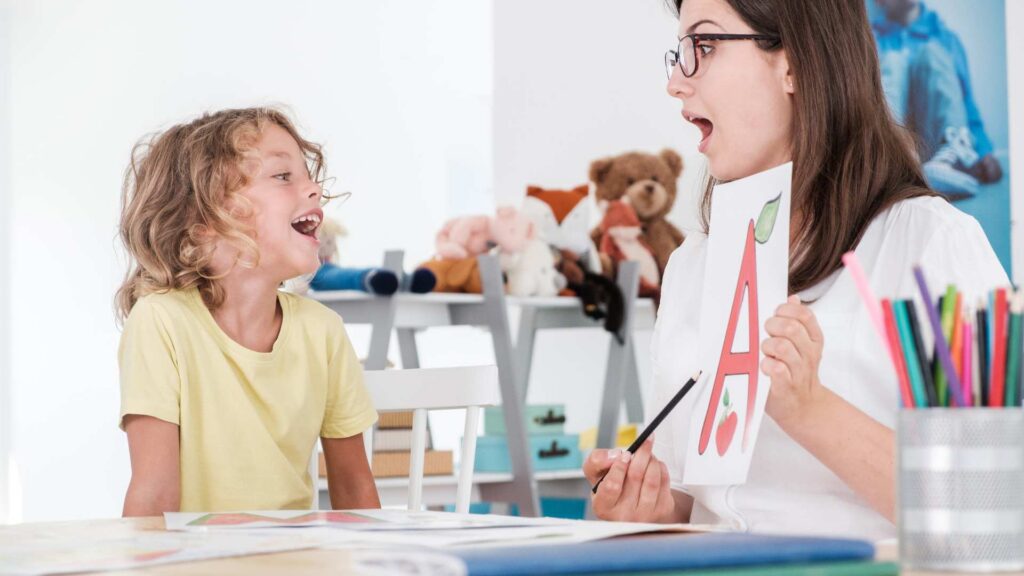
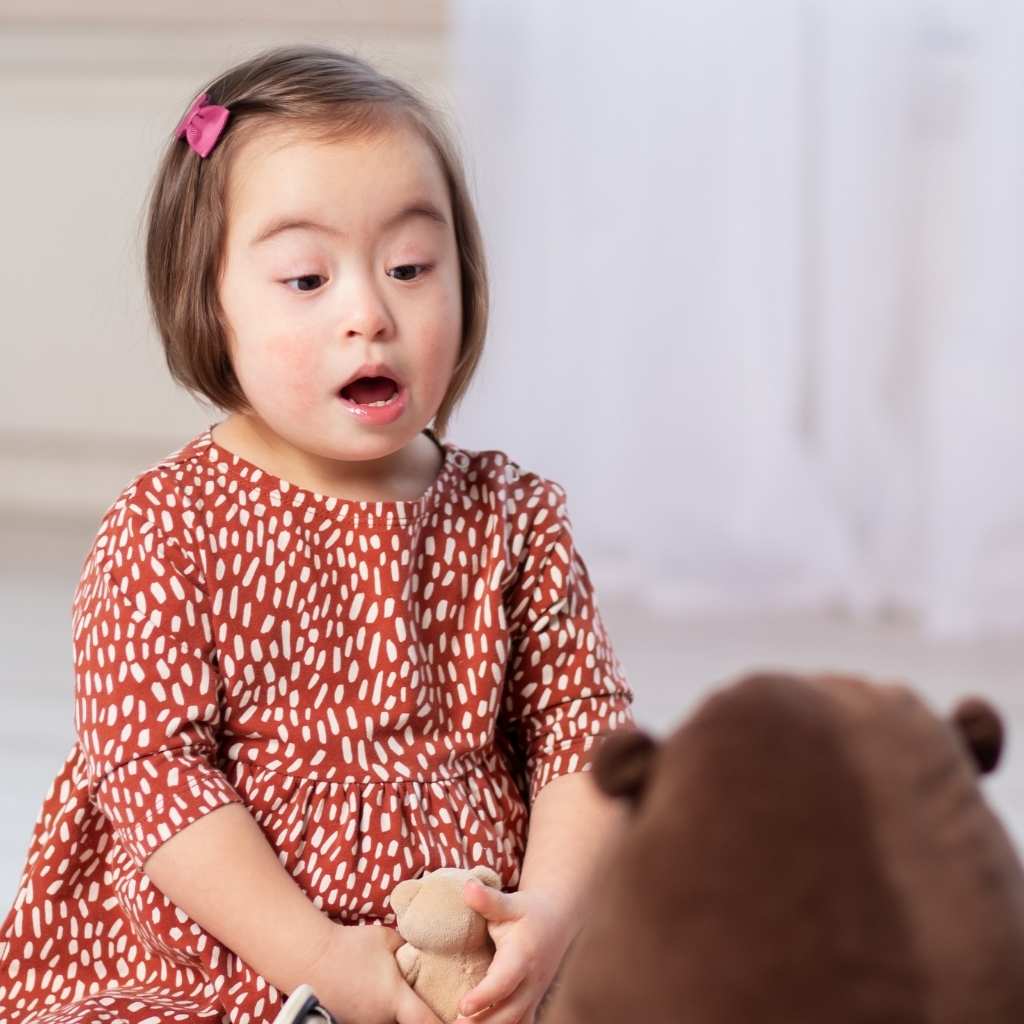
A small child and an adult practicing sounds. The scene reflects the question Why Isn’t My Toddler Talking Yet as it shows a learning moment related to speech delay

Remember: paying attention early doesn’t mean rushing into conclusions; it’s an opportunity to provide your child with the best support to grow and develop.

The earlier you identify communication challenges, the more opportunities there are to support skills like:

Early support can help children build confidence in how they communicate and connect with others over time. If you’ve been wondering, “Why isn’t my toddler talking yet?”, you don’t have to figure it out on your own.

If you have questions or want guidance in this process, ABA Centers of New Jersey is here to help you find answers and better understand your child’s development. Reach out to us at (855) 640-7888, or fill out our formulario de contacto.

We are here to support your child with compassionate and personalized care. You can find us in Bridgewater, Edison, Hackensack, Hoboken, Laurel Township, Monmouth Junction, and Freehold.

Socialícese con nosotros

Entradas relacionadas

A toddler crawling through a tunnel, showing toddler developmental milestones like movement, curiosity, and play, and representing the question Is My 18-Month-Old Behind

Is My 18-Month-Old Behind? What to Know About Developmental Milestones

Wondering if your 18-month-old is behind in development? Learn what milestones to look for and when it may be time to take a closer look. ...
Leer más →
Two young children play separately with toys in the same room, illustrating signs of autism at age 3, such as not showing interest in peers.

Signs of Autism at Age 3: What Does It Look Like Day to Day?

The signs of autism at age 3 can become more noticeable in how a child speaks, plays, and connects with others. Understanding these signs can ...
Leer más →
A parent with their toddler stacking cups, used to illustrate Signs of ASD at 2 Years Old that parents may first notice in daily play.

Signs of ASD at 2 Years Old: What Parents May Notice in Daily Life

At age 2, differences in communication and behavior become easier to notice. If your child isn’t speaking, interacting, or responding like others their age, it’s ...
Leer más →
A toddler and adult playing with bubbles, showing a joyful moment to help illustrate learning about the signs of autism at 18 months

Signs of Autism at 18 Months: A Complete Guide for Parents

Learn the signs of autism at 18 months, why this stage is a key turning point in development, and how early support can make a ...
Leer más →
A baby standing in a crib in a calm indoor setting. The image is used to illustrate information about Signs of Autism at 12 Months

Signs of Autism at 12 Months: What Parents Need to Know

Seeing differences in your 12-month-old’s development? Learn the signs of autism and how early support can help your child thrive.
Leer más →
Día Mundial de la Concienciación sobre el Autismo y los Triunfos Históricos de su Defensa

Día Mundial de la Concienciación sobre el Autismo y los Triunfos Históricos de su Defensa

World Autism Awareness Day promotes acceptance, inclusion, and support for people with autism. Discover its meaning and how to make a real impact.
Leer más →
es_ESEspañol
Scroll al inicio