
In-Home ABA Therapy
In-Home ABA Therapy to Support Everyday Life
For many children with autism, their home is the most comfortable and effective place to learn. At ABA Centers of New Jersey, our in-home ABA therapy allows our ABA professionals to observe your child’s behavior, create tailored treatment plans, and provide support within their daily routines, helping develop skills where they use them most.
How In-Home ABA Therapy Works
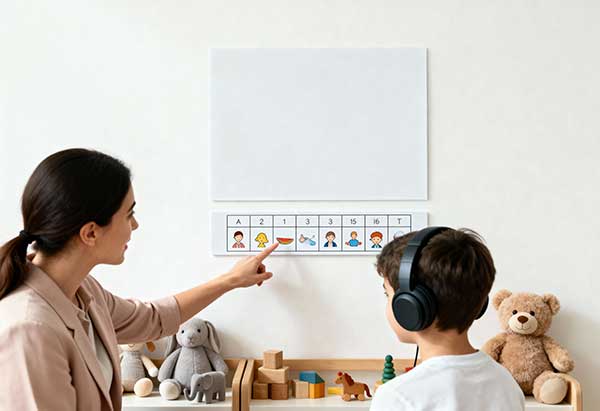
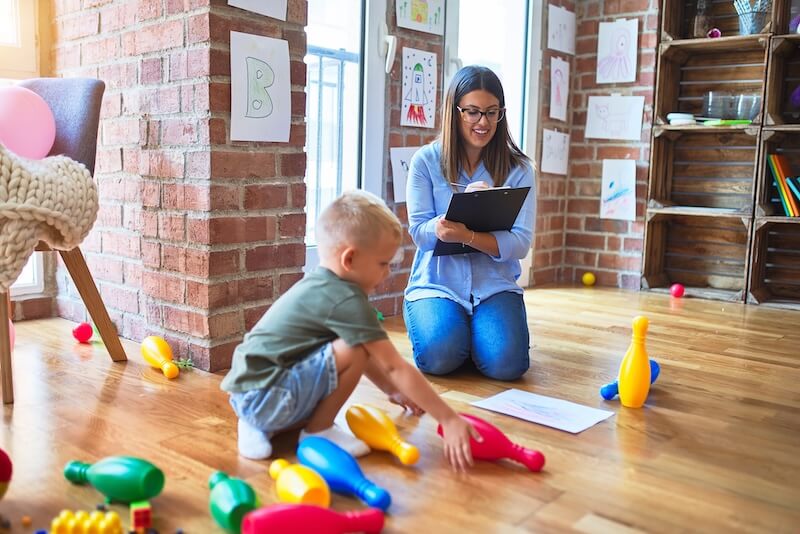
In-home ABA therapy brings structured, evidence-based support into your child’s natural environment. Our Registered Behavior Technicians (RBTs) are guided by Board Certified Behavior Analysts (BCBAs). They work directly with children during everyday activities. This approach strengthens communication, social skills, emotional regulation, and daily living abilities.
The plans we provide honor each child’s unique needs and goals. Our caring team adjusts strategies over time. This thoughtful approach supports steady progress and meaningful growth.
Why Families Choose In-Home ABA Therapy
Many of the skills children use each day are developed at home. In-home ABA therapy helps professionals support learning during natural routines. Children feel most comfortable and confident in these moments.
This setting helps children work on skills such as:
- Toilet use and personal care
- Dressing and daily routines
- Mealtime behaviors
- Communication and language
- Sharing, taking turns, and playing
- Managing emotions and behavior
By working within real-life situations, professionals find meaningful learning opportunities and reinforce positive behaviors as these moments naturally occur throughout the day.
The Difference Between In-Home ABA Therapy and Center-Based ABA Therapy
At ABA Centers of New Jersey, we help families choose the therapy setting that best supports their child and fits their daily life.
In-home ABA therapy provides comfort and flexibility by bringing support directly into the child’s familiar environment. Families often appreciate reduced travel time and the ability to see how therapy supports everyday routines at home.
Center-based ABA therapy offers a more structured environment. Here, children can practice social skills, independence, and peer interaction outside the home. While this setting may benefit some children, it may not suit every family or goal.
We work closely with you to explore both options and recommend the setting that aligns with your child’s developmental needs and your family’s schedule.
Getting Started with In-Home ABA Therapy in New Jersey
Autism affects many aspects of daily life, and managing routines can feel overwhelming. If your family would like a supportive in-home ABA therapy experience, our caring team is here to help. During your consultation, we’ll review your insurance coverage, explain what documents are needed, and walk you through each step of the therapy process. Our team will guide you through the next steps, so services can begin as soon as possible.
Our aim is to reduce unnecessary waits and help families access appropriate support with clarity and care.
Frequently Asked Questions
In-home ABA therapy allows children to learn where they feel most comfortable and where many important life skills naturally occur. By practicing communication, self-care, play, and daily routines in a familiar environment, children have more opportunities to apply new skills in real-life situations. Parents often ask whether learning at home is as effective as therapy in a clinic. For many children, practicing skills in real-world settings where they use them every day can improve consistency and carryover.
Yes, but the best setting depends on your child's goals. In-home ABA therapy is especially valuable for teaching skills tied to everyday routines, while center-based ABA offers additional opportunities for structured learning and peer interaction. Families often wonder which option produces better results or whether they must choose one over the other. A Board Certified Behavior Analyst (BCBA) recommends the setting—or combination of settings—that best supports your child's development.
Each session is built around your child's individualized treatment plan and everyday routines. An RBT works directly with your child under BCBA supervision, using familiar activities to strengthen communication, social interaction, emotional regulation, self-care, and other daily living skills. Because therapy takes place in your home, clinicians can naturally reinforce behaviors during the moments when those skills are needed.
In most cases, yes. A parent or legal guardian is expected to be available during in-home ABA therapy sessions. Caregivers also play an important role by learning strategies they can continue using throughout the day. Rather than simply observing therapy, families become active partners in helping children practice new skills between sessions.
Yes. In-home ABA therapy is uniquely positioned to address behaviors that occur during everyday family routines, such as mealtime, bedtime, getting dressed, transitions, or completing household tasks. Because clinicians observe these situations in the child's natural environment, they can identify what triggers behaviors and teach practical alternatives that fit into your family's daily life.
Not at all. In-home ABA therapy is designed to work within your family's existing environment rather than requiring a dedicated therapy room. Clinicians adapt activities to your available space and daily routine, using familiar toys, household items, and everyday interactions as learning opportunities. The goal is to help your child succeed in the environment where they spend the most time.
Although both services use individualized ABA treatment plans, they focus on different goals and environments. In-home ABA therapy emphasizes family routines, self-care, communication, and everyday independence. In-school ABA therapy targets classroom participation, learning behaviors, peer interactions, and educational routines while working alongside school staff when appropriate. The right service depends on where your child needs the most support.
Yes. When appropriate, siblings and caregivers may participate in sessions, as everyday family interactions offer valuable opportunities to practice new skills. Parents often ask whether brothers and sisters should be involved or if therapy is only between the child and the therapist. Including family members can help children generalize communication, social, and play skills in the relationships that matter most.
ABA Centers of New Jersey provides in-home ABA therapy for families throughout the state, bringing personalized autism care directly into your child's everyday environment. Our BCBAs and RBTs develop individualized treatment plans that fit naturally into your family's routines while coordinating with clinic- or school-based services when appropriate. Whether you're searching for in-home ABA therapy near you or a provider that offers autism diagnosis and multiple therapy options under one organization, our team is committed to making high-quality care more accessible across New Jersey.
Getting started begins with a consultation to learn about your child's needs and determine whether in-home ABA therapy is the right fit. At ABA Centers of New Jersey, we review your insurance benefits, explain the enrollment process, gather the necessary documentation, and develop an individualized treatment plan before services begin. Our goal is to make the transition into therapy as smooth and straightforward as possible so your family can focus on your child's progress.
 Español
  English