

Is My 18-Month-Old Behind? What to Know About Developmental Milestones

A toddler crawling through a tunnel, showing toddler developmental milestones like movement, curiosity, and play, and representing the question Is My 18-Month-Old Behind

Tabla de contenido

Is My 18-Month-Old Behind?

When you start noticing differences in your child’s development, it’s common to wonder if they are “behind” at 18 months, especially when you see it compared to other toddlers. Development doesn’t happen at the same pace for every child, and not every delay points to a problem.  It’s important that you focus on patterns over time rather than a single milestone.

Around 18 months, many parents begin paying closer attention to how their child is growing and changing. You might notice other toddlers talking more, pointing at things, or interacting differently—and start to question whether your child is on track.

 “Is my 18-month-old behind? is a common question among worried parents; you’re not alone. It comes from a place of care, observation, and wanting to make sure your child is developing in the best way possible.

En este blog de ABA Centers of New Jersey, we’ll help you understand what typical development looks like at 18 months, what it might mean if your child seems behind, and when it may be helpful to take a closer look.

Why This Question Often Comes Up At 18 Months

This stage marks an important shift in development. Toddlers are no longer just exploring; they’re starting to communicate more and better, interact with others, and show their personalities in new ways.

At this age, you might notice differences in how your child communicates, responds, or engages, especially in social settings.

It’s also common to hear feedback from pediatricians, caregivers, or family members, which can add to the uncertainty. As expectations naturally increase at this stage, you may start to notice things now that didn’t stand out just a few months ago.

What Are Typical Toddler Developmental Milestones At 18 Months?

Understanding the toddler developmental milestones can help you better interpret what you’re seeing.

Child exploring tiny pieces of food with their hands. This image supports the topic 'Is My 18-Month-Old Behind' by showing early toddler developmental milestones like grasping and curiosity

At 18 months, many children begin to:

  • Say a few clear words consistently
  • Point to show interest or ask for something
  • Follow simple instructions like “come here”
  • Engage in basic pretend play, like feeding a doll
  • Show affection and interest in familiar people

La CDC’s 18-month milestone guidelines highlight these behaviors as important indicators of communication and social development during this stage.

When these skills don’t develop as expected, it’s when parents and caregivers begin to see the gap more clearly in everyday situations, such as playtime, mealtime, or interactions with others.

Developmental Delay or Something More? How to Tell the Difference?

Not all delays mean the same thing. Some children simply take longer to develop certain skills, while others may show patterns that extend beyond a single area of development. The CDC’s program, Learn the Signs. Act Early highlights the importance of considering  how a child develops across multiple areas, such as communication, behavior, and social interaction, rather than focusing on a single milestone.

One way to begin distinguishing is by looking at how many areas of development are involved and how consistently the behaviors appear over time.

A simple delay might look like:

  • Slower language development
  • Fewer words than expected
  • Taking longer to reach a milestone

However, when multiple areas are affected, it may point to something more. This is what it may look like:

  • Your child is showing limited communication across both speech and gestures
  • They have difficulty engaging or connecting with others
  • The toddler does not respond consistently to their name
  • They repeat behaviors frequently or seem very focused on specific actions
  • Your child is struggling to adapt to everyday routines or changes
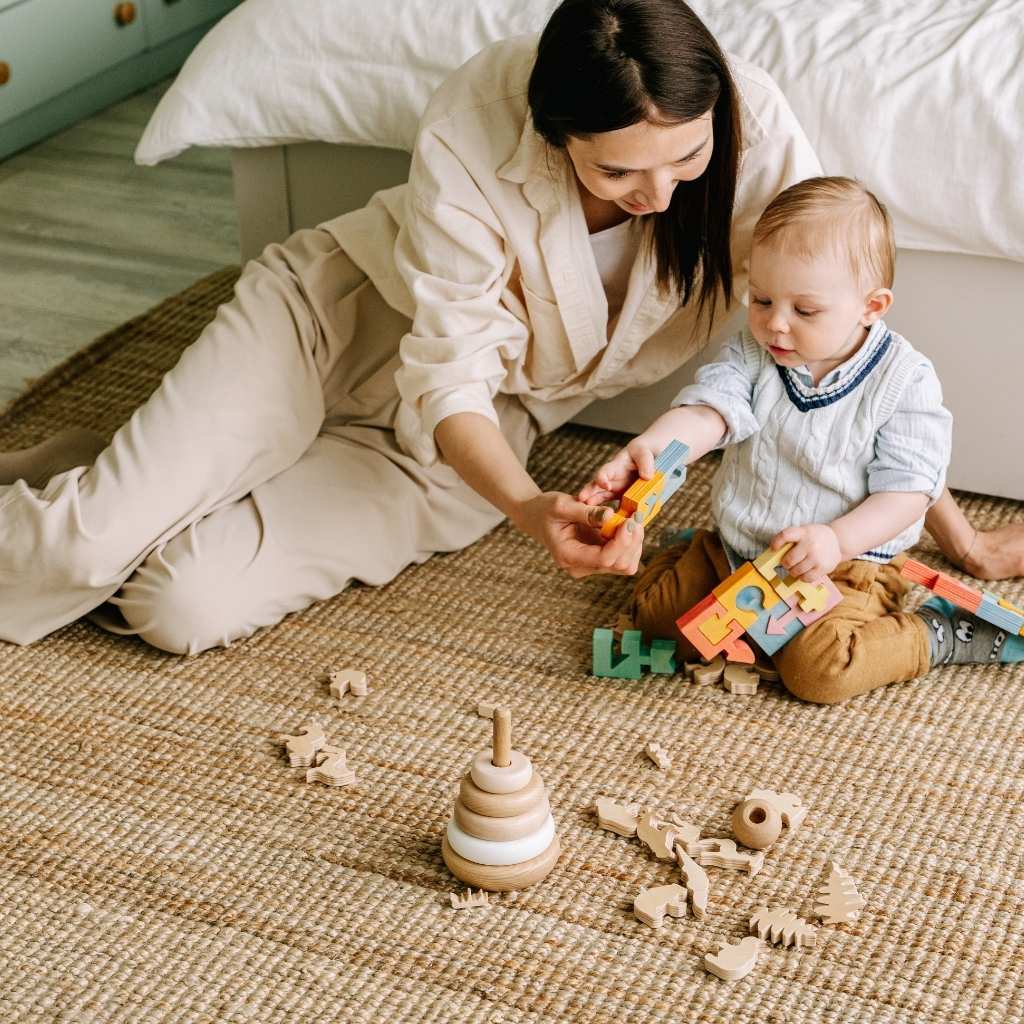
A toddler and an adult, exploring stackers and puzzle toys, supporting an article discussing the topic Is My 18-Month-Old Behind, developmental milestones, and autism.

These patterns help parents better understand what’s happening and look for signs of developmental delay at 18 months.

In some cases, these behaviors may also overlap with signs of autism at 18 months old, particularly when the differences appear across communication, social interaction, and behavior at the same time.

Recognize patterns over time to understand your child’s needs and determine the next best steps.

What You Can Do If You’re Concerned

If something doesn’t feel right, there are simple and practical steps you can take to better understand your child’s development:

  • Observe your child’s behavior across different situations
  • Take note of patterns rather than isolated moments
  • Write down examples to discuss with a professional
  • Talk openly with your pediatrician about your concerns
  • Ask whether a developmental screening might be helpful

Sometimes, just having a conversation with a professional can bring clarity and reassurance. Other times, it may open the door to additional support. You don’t have to figure it all out on your own.

Why Early Awareness Can Make a Difference

Paying attention early doesn’t mean rushing to conclusions: it means staying informed and proactive.

La NICHD states that identifying developmental differences early allows children to access support during a critical stage of growth, when the brain is most responsive to learning.

Early support can:

  • Help children build communication skills
  • Reduce frustration caused by communication challenges
  • Improve interaction with others
  • Support smoother daily routines

Key takeaway: Taking even small actions now can help your child’s development in meaningful ways over time.

You’re Not Alone, Support Is Available in ABA Centers Of New Jersey
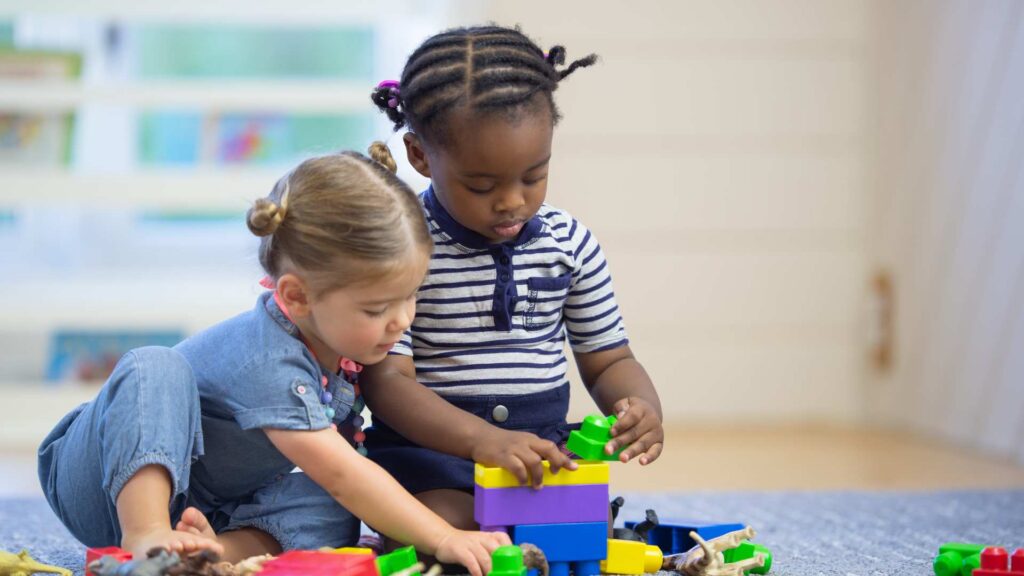
Two young children playing with bright blocks. This visual helps explore the question Is My 18-Month-Old Behind by showing common toddler developmental milestones

Many parents reach this stage feeling unsure, overwhelmed, or even second-guessing what they’re seeing or doing. Asking questions like “Is my 18-month-old behind?” is part of being attentive and involved in your child’s development.

You don’t have to figure this out alone. Trusted support and guidance will help you decide your next steps with more confidence.

If you have concerns or simply want reassurance about your toddler’s development, ABA Centers of New Jersey is here to help you understand your child’s process and guide you through the next steps with care and clarity.

Contact our team via our sitio web o llámanos al (855) 640-7888. We’re here to listen, answer your questions, and help you move forward with confidence.
Socialícese con nosotros

Entradas relacionadas

Toddler looking and pointing up, showing behaviors of social development milestones

Social Development Milestones: What Should My 2-Year-Old Be Doing?

Social development can look different from what parents expect at 2-years-old. Some toddlers observe, play nearby, or prefer familiar adults, and that can be completely ...
Leer más →
Child crying intensely on the floor, showing signs of emotional overload.

Why Does My 2-Year-Old Have Meltdowns? Understanding Toddler Behavior

2-year-old meltdowns can feel overwhelming, for both you and your child. But these reactions often come from emotional overload, not bad behavior. Understanding the difference ...
Leer más →
Toddler covering ears in a loud environment

Sensory Sensitivity in Toddlers: What’s Normal and What’s Not

Does your toddler cover their ears, avoid certain textures, or react strongly to everyday situations? Sensory sensitivity in toddlers is more common than you might ...
Leer más →
Toddler sitting on the floor looking at a stuffed animal, showing early communication behaviors.

Speech Delay vs Autism: How to Tell the Difference in Toddlers

Small differences in how your child connects and communicates with you and their surroundings matter. In this blog, we’ll teach you how to better understand ...
Leer más →
A toddler lines up toys while playing, a behavior where they place objects in order to explore patterns

What to Do If My Toddler Lines Up Toys? Is It a Sign of Autism?

If your toddler lines things up often, you’re not the only parent wondering why. Some behaviors are part of normal development, others need a closer ...
Leer más →
Toddlers move around a space with adults watching over them. The scene hints at moments when a toddler doesn’t respond to their name

My Toddler Doesn’t Respond to Their Name — What Does It Mean?

Calling your child’s name and getting no response can feel confusing. Sometimes it’s a completely normal part of their development, other times it’s worth a ...
Leer más →
es_ESEspañol
Scroll al inicio