
Table of Contents
How to Raise a Child with Autism?
Raising a child with autism is a journey filled with both challenges and meaningful moments of growth. When a child is diagnosed with autism, parents often find themselves navigating unfamiliar territory. Questions about the future, daily routines, school, communication, and independence can feel overwhelming.
There is no universal guide for how to raise a child with autism because every child has unique strengths, interests, and support needs. Some children develop language quickly, while others communicate through gestures, pictures, or assistive devices. Some thrive with structured routines, while others need extra time to adjust to change. Understanding these differences is an important part of autism parenting.
Rather than focusing only on obstacles, it’s equally important to recognize the resilience children and families build along the way.
Keep reading this blog by ABA Centers of New Jersey and discover how, with early support, evidence-based therapies, and a strong partnership between caregivers and professionals, many children with autism continue to develop skills that help them become more confident and independent.
What Does Raising a Child with Autism Really Look Like?
One of the first lessons parents discover is that raising a child with autism rarely follows a predictable path. Progress often comes in small but meaningful steps, and comparing one child’s journey to another’s can create unnecessary stress.
For one family, success may mean a child saying their first words. For another, it could be making eye contact during play, trying a new food, independently getting dressed, or successfully transitioning between activities without becoming overwhelmed.
Learning how to raise a child with autism means celebrating these milestones for what they truly represent: growing confidence, stronger communication, and increasing independence.
Research published in the Journal of Autism and Developmental Disorders suggests that positive family interactions and responsive parenting can support both child development and family well-being, reinforcing the value of meeting children where they are rather than measuring them against traditional expectations.
Finding The Balance: Building Routines While Encouraging Flexibility
Predictable routines often help children with autism feel more secure. Knowing what to expect throughout the day can reduce anxiety and make transitions easier, whether it’s getting ready for school, completing homework, or preparing for bedtime.
At the same time, raising a child with autism isn’t about creating a perfectly rigid schedule. Life naturally brings unexpected changes, so helping children gradually develop flexibility is just as valuable.
Simple strategies can support both consistency and independence:
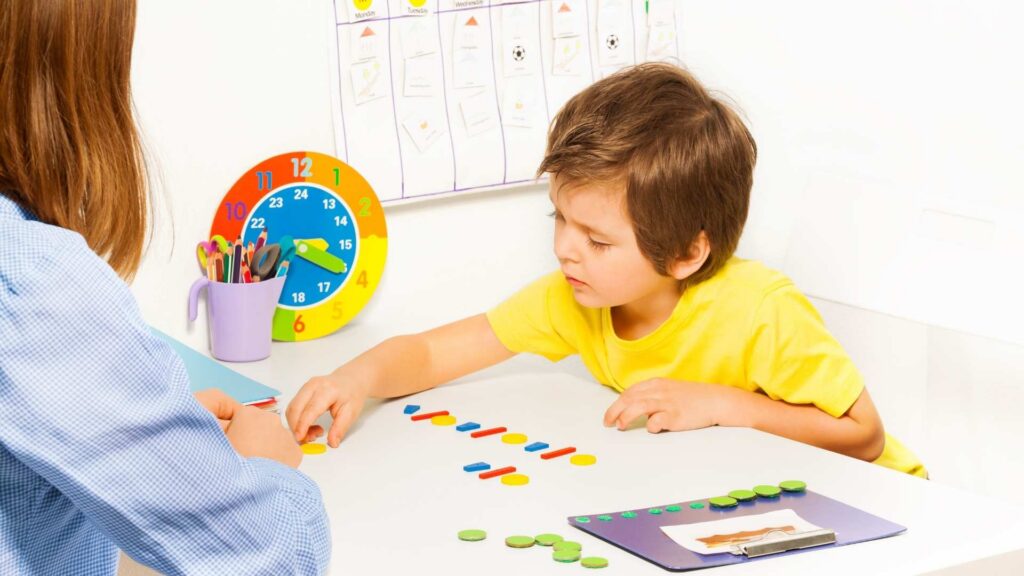
- Use visual schedules for daily activities
- Break larger tasks into smaller, manageable steps
- Prepare children in advance for changes in routine
- Celebrate effort, not just successful outcomes
- Practice new skills during everyday family activities
Parents frequently ask how to raise a child with autism while balancing support with independence. The answer often lies in providing guidance without doing everything for the child.
Small opportunities to practice everyday skills can build confidence that extends into school, community settings, and eventually adulthood.
Keep in Mind: Communication Is About Connection, Not Just Words
Communication is one of the most common concerns families have after an autism diagnosis. However, spoken language is only one way children express themselves.
Children with autism may communicate through speech, sign language, gestures, picture communication systems, augmentative and alternative communication (AAC) devices, facial expressions, or body language. One of the goals of autism parenting is discovering the communication methods that allow each child to express their needs, interests, and emotions most effectively.
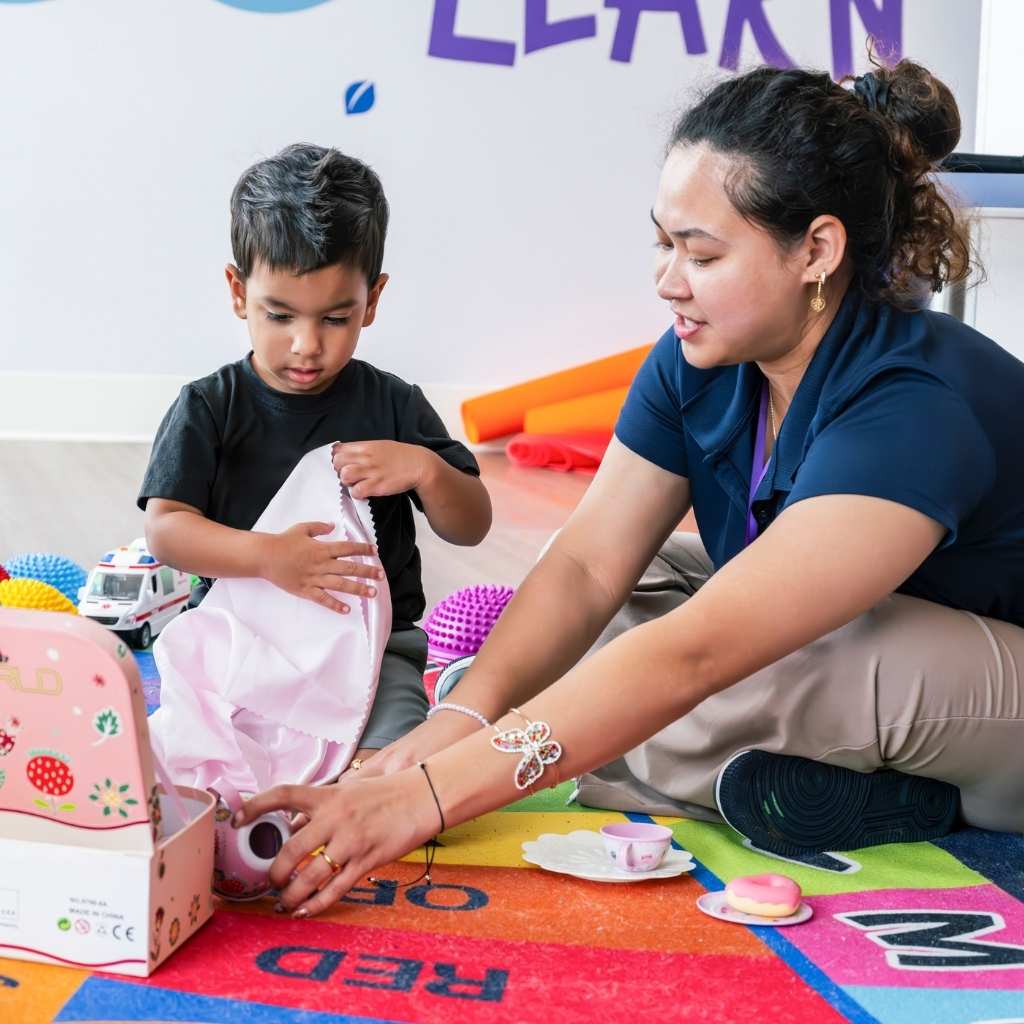
Parents often become experts in recognizing subtle forms of communication that others may overlook. Responding consistently to those attempts helps children understand that communication has value, encouraging them to continue developing new skills.
Just as important, communication is a two-way process. Listening, observing, and responding with patience can strengthen trust while creating meaningful opportunities for connection between parents and their children.
Research also highlights the importance of caregiver resilience, access to services, and strong support networks in helping families adapt to the evolving demands of caring for a child with autism.
Advocacy, Collaboration, and Caring for the Whole Family
As children grow, parents often become their strongest advocates. Raising a child with autism may involve communicating with teachers, healthcare providers, therapists, and family members to ensure everyone understands the child’s strengths and support needs.
Successful autism parenting is about building a team that works together. Open communication between families and professionals helps create consistent strategies across home, school, and therapy, giving children more opportunities to practice and apply new skills in everyday life.
Research emphasizes that family-centered care and coordinated support can improve quality of life for both children with autism and their caregivers, highlighting the value of collaboration throughout a child’s development.
Parents exploring how to raise a child with autism should also remember that advocacy evolves over time. As children develop new abilities, they can gradually participate in decision-making, express preferences, and build self-advocacy skills that support greater independence.
Taking Care of Yourself is Just as Important When Raising a Child with Autism
One reality that often goes unspoken is that raising a child with autism can be emotionally and physically demanding. Between appointments, school meetings, financial considerations, and everyday responsibilities, caregivers may find themselves running on empty.
Prioritizing your own well-being isn’t stepping away from your child; it’s strengthening your ability to support them. Healthy autism parenting includes accepting help from trusted family members, connecting with other parents, making time for rest when possible, and recognizing that asking for support is a sign of strength.
Learning how to raise a child with autism also means acknowledging that difficult days will happen. They don’t erase progress or define your family’s future. Giving yourself grace during those moments is just as important as celebrating the good ones.
Recent findings suggest that strengthening caregiver resilience and providing family-centered supports can positively influence outcomes for both children and their families over time.
How ABA Therapy Can Support Your Child’s Growth
Every child with autism learns differently, which is why individualized intervention is so important. Applied Behavior Analysis (ABA) therapy uses evidence-based strategies to help children develop practical skills that improve daily life while building on their unique strengths.
Depending on a child’s goals, ABA therapy may support:
- Communication and language development
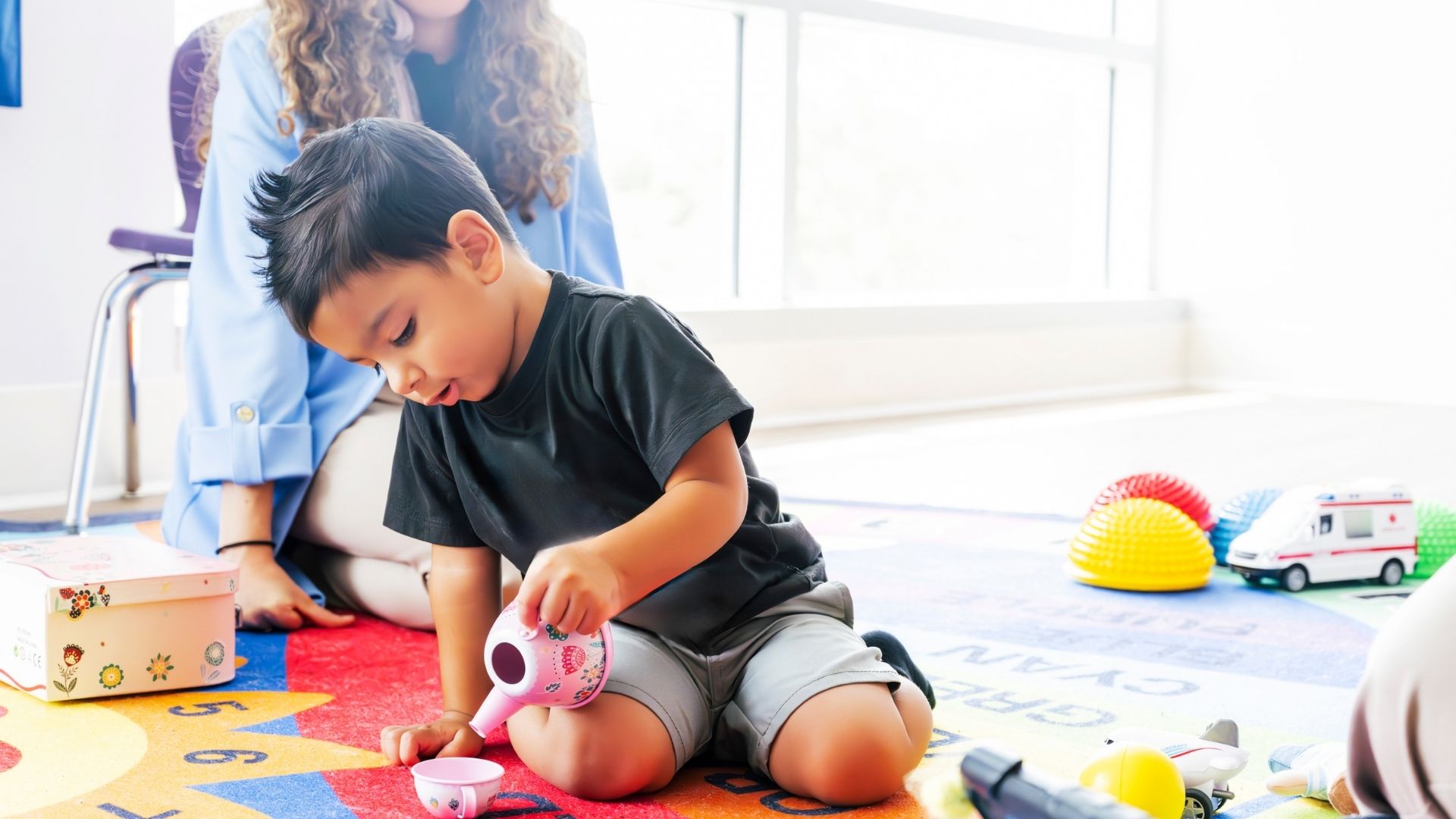
- Social interaction and play skills
- Daily living and self-care routines
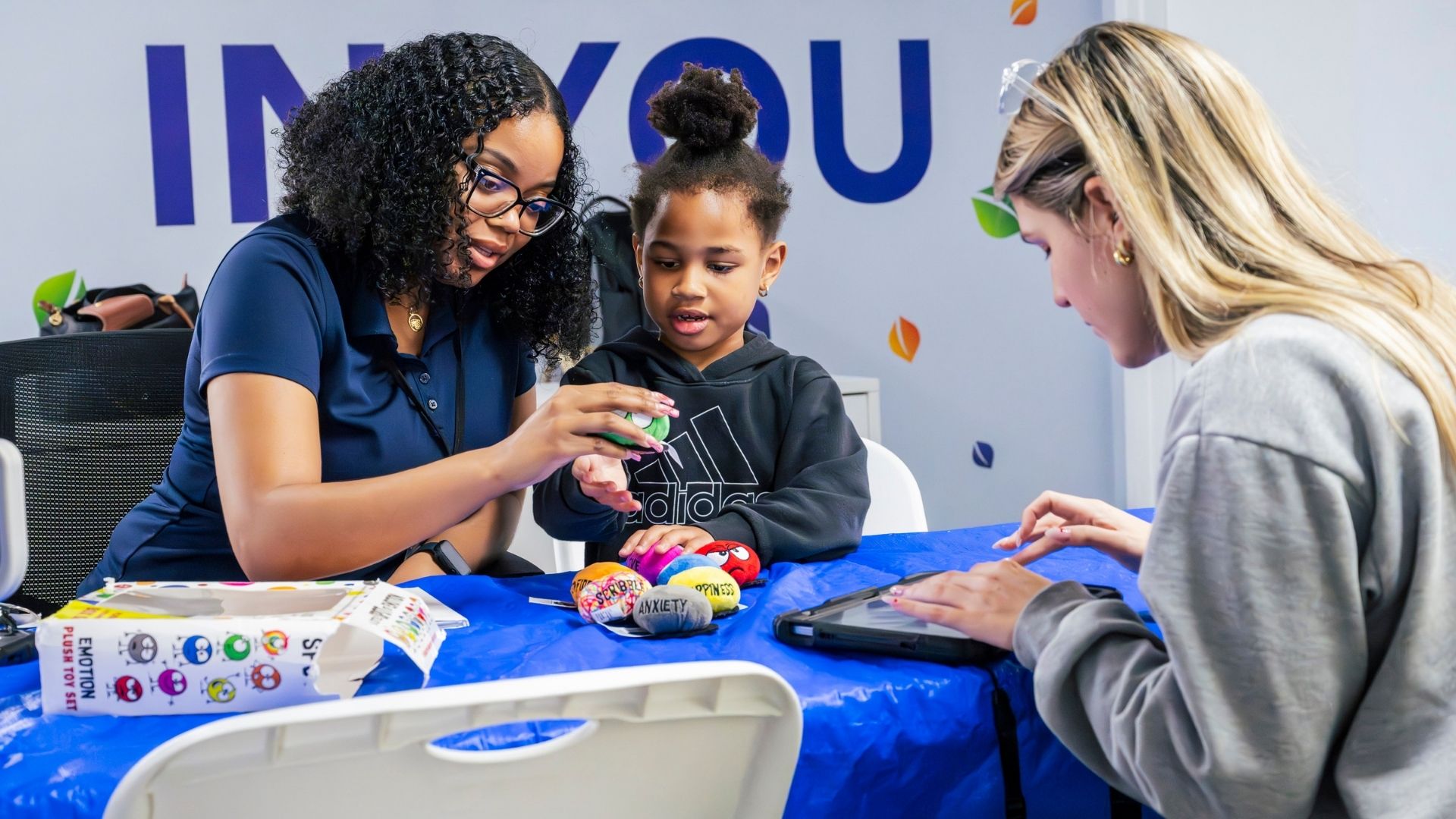
- Emotional regulation
- Flexible thinking and problem-solving
- Greater independence at home, school, and in the community
Just as importantly, ABA therapy supports the whole family, not just the kids.
Parents often ask how to raise a child with autism in ways that reinforce learning beyond therapy sessions. By collaborating closely with caregivers, ABA professionals can provide practical strategies that fit naturally into daily routines, making autism parenting feel more manageable and empowering.
Every Journey Is Unique—And You Don’t Have to Walk It Alone
No family experiences raising a child with autism in the same way. There will be moments of uncertainty, but there will also be moments of pride that remind you how far your child has come.
As you continue learning how to raise a child with autism, remember that progress isn’t measured by comparison to other children. It’s measured by your child’s individual growth, their increasing confidence, and the supportive relationships that help them reach their potential.
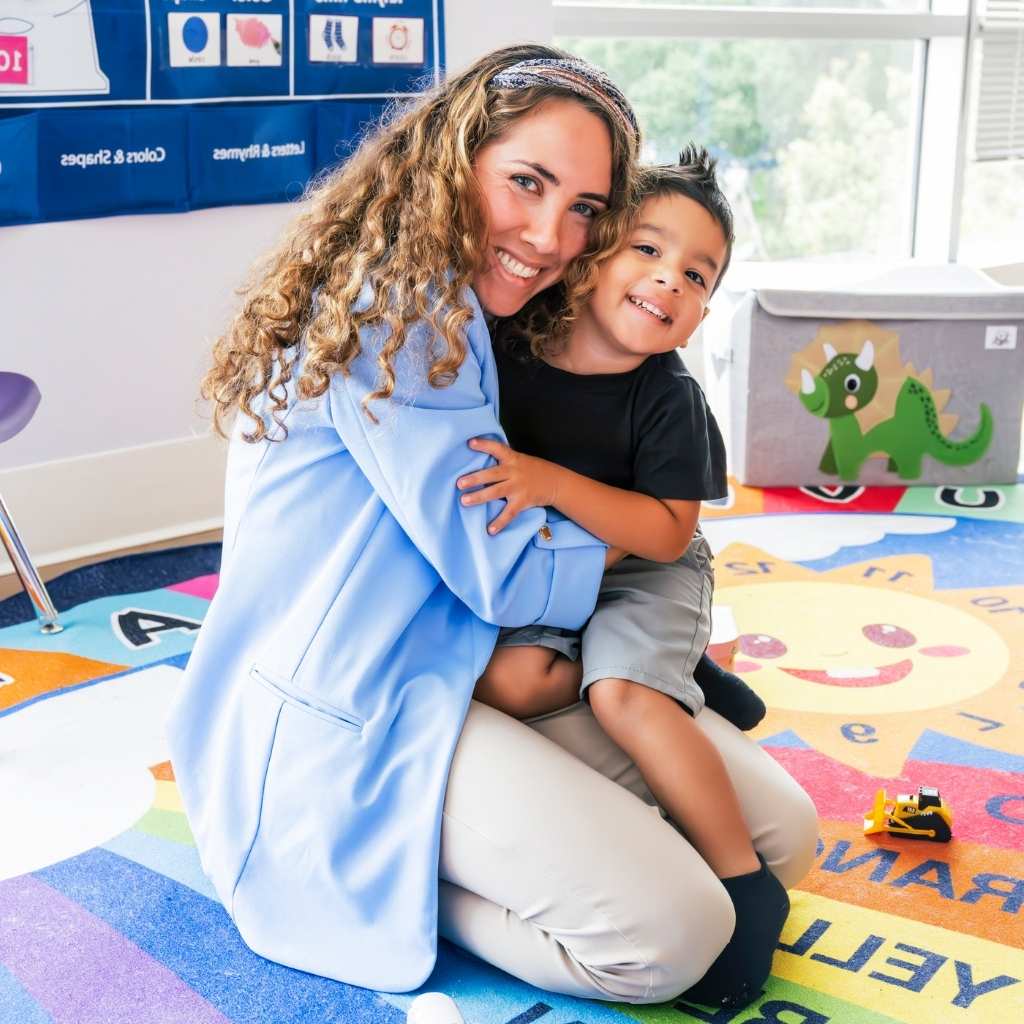
If you’re looking for guidance while raising a child with autism, ABA Centers of New Jersey is here to help. Our experienced team provides personalized ABA therapy designed to strengthen communication, independence, social skills, and everyday functioning while equipping families with practical tools for successful autism parenting.
Contact ABA Centers of New Jersey today at (855) 640-7888 to learn more or schedule a free consultation by clicking here.
Together, we can help you determine the best path forward for your child and your family.



 English
  Español