

Table of Contents
What Is Early Intervention and How Do I Get It for My Child?
Receiving an autism diagnosis can leave many parents wondering what steps to take next. Fortunately, early intervention for ASD has become more accessible thanks to increased awareness, improved developmental screening practices, and advances in identifying the early signs of autism.
Early intervention refers to services and therapies designed to help young children build communication, social, behavioral, and daily living skills during critical stages of development.
In many cases, developmental screening can help families recognize developmental differences that may lead to an autism diagnosis in toddlers, allowing children to access support sooner.
After identifying potential concerns, healthcare providers may recommend a comprehensive evaluation that can lead to an autism diagnosis in toddlers and the development of an individualized treatment plan.
Keep reading this blog by ABA Centers of New Jersey as we explore the significance of early intervention in promoting the development and well-being of children and teens. Through timely developmental screening, early evaluation, and evidence-based therapies like Applied Behavior Analysis (ABA), children with autism can receive the support they need to thrive.
What Is Early Intervention for ASD?
Early intervention refers to providing specialized services and therapies to children diagnosed with autism at an early age, often following developmental screening and a comprehensive evaluation. In many cases, providers can identify developmental concerns as early as 18 months, making an autism diagnosis in toddlers possible when signs are present.
It aims to target specific areas of development, such as
- Communication
- Socialization
- And behavior
All during the critical early years of a child’s life. By providing tailored interventions and support, early intervention for ASD helps children with autism build essential skills that will benefit them throughout their lives.
For many families, the journey begins with routine developmental screening, which helps healthcare professionals monitor developmental milestones and determine whether further evaluation may be beneficial. According to the CDC’s guidance on developmental monitoring and screening, screening plays an important role in identifying children who may benefit from additional assessment and support.
The Power of Applied Behavior Analysis (ABA)
ABA therapy is a widely recognized and evidence-based approach to autism treatment. It focuses on understanding and modifying behavior to promote positive outcomes for individuals with autism, primarily infants, toddlers, and young children experiencing developmental delays.
ABA therapy implemented during early intervention has the potential to be life-changing, especially following an autism diagnosis in toddlers, as it helps shape behaviors before they become deeply ingrained.
Therapists analyze data to understand the underlying factors driving behaviors, such as their function and environmental triggers. Experts can address problematic behaviors through ABA therapy and help these children develop new positive skill sets.
The Benefits of Early Intervention with ABA
Research has consistently shown that early intervention, mainly through ABA therapy, offers numerous benefits for children with autism.
Starting intervention during the earliest years after an autism diagnosis in toddlers can support communication, learning, social engagement, and adaptive skills.
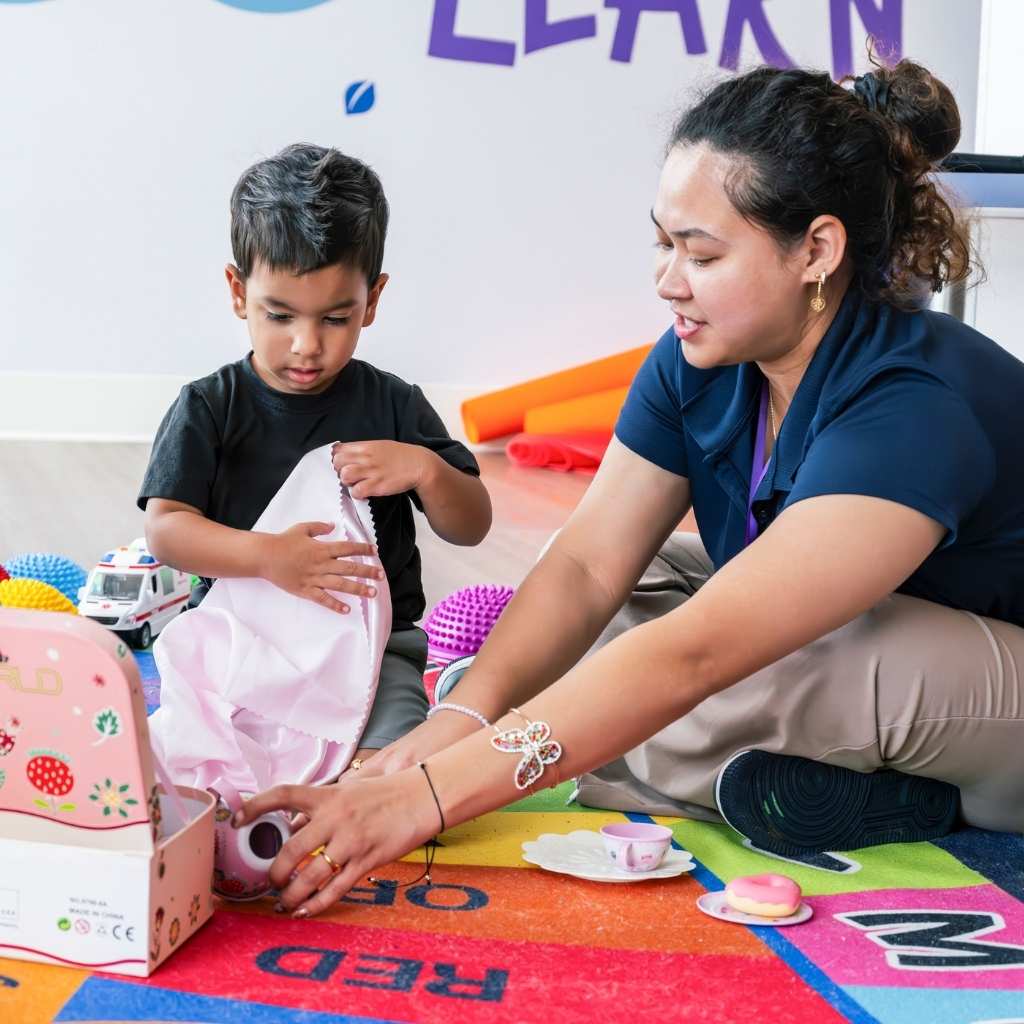
According to the NICHD’s overview of the benefits of early intervention for ASD, early services can significantly improve developmental outcomes and help children build skills that support long-term success.
By identifying autism early through developmental screening and implementing targeted interventions, children are more likely to develop critical skills, including social skills, language, and communication.
The “Plastic” Brain and Its Role in Early Intervention for ASD
The brain’s remarkable capacity for change, known as neuroplasticity, underscores the importance of early intervention. During sensitive periods of brain development, the brain is more receptive and adaptable to new connections and experiences.
Emerging research on neuroplasticity and early autism intervention continues to demonstrate why providing support during early childhood can have a meaningful impact on developmental outcomes.
Research also demonstrates that children receiving 20 or more hours of ABA therapy during early childhood are more likely to achieve age-equivalent scores than those receiving little or no treatment.
Furthermore, children who receive early intervention, including behavioral, speech, occupational, and special education services, may even see significant improvements and, in some cases, show a reduction in autism symptoms by age six.
5 Ways Early Intervention for ASD Proves Worthwhile
Enhancing Social Interaction and Communication Skills
Early intervention for ASD focuses on promoting socialization and communication skills in children. Interventions like ABA therapy can help children develop essential skills for effective interaction with peers, family members, and the broader community by targeting these areas during the critical early years. Following developmental screening and an autism diagnosis in toddlers, children can begin building these foundational skills sooner.
Addressing Behavioral Challenges
Early intervention with ABA therapy is instrumental in addressing and modifying challenging behaviors commonly associated with ASD. Children can learn and practice alternative behaviors, coping mechanisms, and self-regulation skills through structured support after an autism diagnosis in toddlers.
This proactive approach helps reduce challenging behaviors, enhance emotional well-being, and promote adaptive behavior patterns.
Improving Cognitive Development
Early intervention programs for ASD often incorporate cognitive development strategies tailored to the unique needs of each child. These interventions enhance cognitive skills such as:
- Attention
- Problem-solving
- Memory
- And executive functioning
When concerns are identified through developmental screening, children can access services sooner and benefit from learning opportunities during critical periods of brain development.
Promoting Independence and Life Skills

Early intervention programs prioritize developing essential life skills for independent living. Through ABA therapy and other specialized interventions, children with ASD learn practical skills such as self-care, daily routines, functional communication, and social skills.
For children who receive an autism diagnosis in their toddler years, these supports can begin earlier, giving them more time to practice and strengthen important life skills.
Supporting Family Engagement and Coping Strategies
Early intervention recognizes the importance of involving and supporting families throughout treatment. Professionals work closely with parents and caregivers to provide guidance, resources, and training in effective strategies to support their child’s development.
Families often begin this journey through developmental screening, which can open the door to additional evaluations and, when appropriate, an autism diagnosis in toddlers. This collaborative approach empowers families to participate actively in their child’s progress, better understand their unique needs, and develop effective coping strategies for navigating the challenges associated with ASD.
Access to Early Intervention with ABA Centers of New Jersey
Whether your child has recently completed developmental screening, received an autism diagnosis in toddlers, or is already participating in services, our team is here to help guide your family’s next steps.
At ABA Centers of New Jersey, we provide comprehensive autism testing, diagnostic support, and individualized treatment services tailored to each child’s unique strengths and challenges.
Our Registered Behavior Technicians (RBTs) and Board Certified Behavior Analysts (BCBAs) work closely with families to create personalized plans that support meaningful developmental progress through evidence-based early intervention for ASD.
If you wish to get started with early intervention for ASD, don’t hesitate to contact ABA Centers of New Jersey. We provide autism testing, diagnosis, and treatment services tailored to each child’s needs. Our RBTs and BCBAs work to create comprehensive plans that broaden the range of crucial developmental and behavioral skills.
Call us at (855) 640-7888 to schedule a free consultation or visit our website for further info. Together, we can help your child navigate the bright future they deserve.






 English
  Español