
Table of Contents
Receiving an autism diagnosis for your child can bring a mix of emotions. Many parents feel relieved to finally have answers, while also wondering what comes next. As families begin exploring treatment options, one of the most common recommendations they encounter is Applied Behavior Analysis (ABA) therapy.
While learning about therapy itself is important, many parents have another question: What role will I play in my child’s progress?
The answer is simple: a significant one. Keep reading this blog from ABA Centers of New Jersey as we unveil how ABA parent training empowers caregivers to become active partners in helping children with autism build communication, social, behavioral, and daily living skills that support long-term success.
What Is ABA Parent Training?
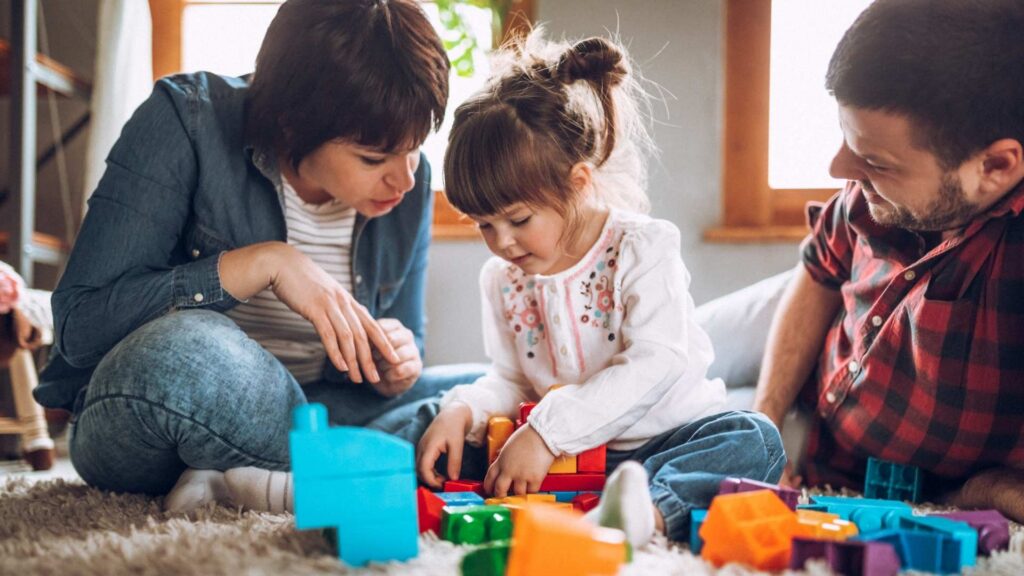
ABA parent training is a collaborative process that teaches parents and caregivers how to use evidence-based behavioral strategies in everyday situations. Rather than limiting learning to therapy sessions, ABA parent training helps families reinforce skills at home, in the community, and throughout daily routines.
Research continues to show that family involvement plays a critical role in developmental outcomes. For instance, research from the National Institutes of Health on parent-mediated autism interventions and parent training programs shows that these programs can improve communication, social interaction, and adaptive skills while helping caregivers implement effective strategies across different environments.
The goal of ABA parent training is not to turn parents into therapists. Instead, it equips families with practical tools that help children apply what they learn during therapy to real-life situations.
This approach is one reason parent involvement in ABA therapy is considered such an important component of successful treatment.
How Do Parents Participate in ABA Therapy?
One of the most common misconceptions about ABA is that therapy happens exclusively between a child and a clinician. Well, in fact, the way parents participate in ABA therapy can significantly impact treatment outcomes.
Parents participate in several important ways:
1. Learning Evidence-Based Strategies
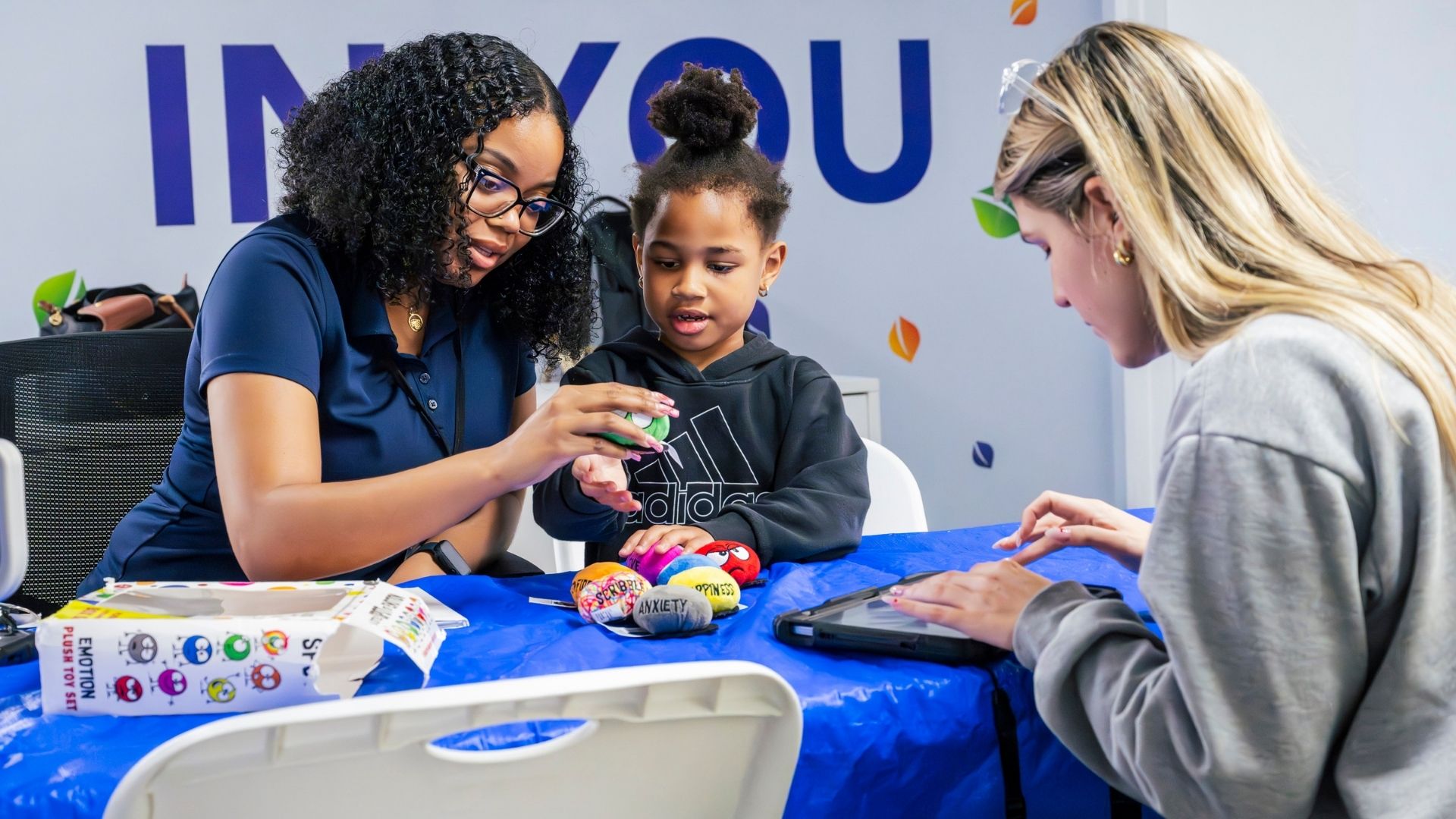
Through ABA parent training, caregivers learn techniques that support communication, independence, social development, and emotional regulation. These strategies are individualized based on the child’s specific goals and needs.
2. Collaborating With the Treatment Team
Successful ABA programs rely on ongoing communication between families and clinicians. Parents regularly share observations, discuss concerns, and help identify priorities that matter most to their family.
This collaboration ensures that treatment goals remain meaningful and relevant to everyday life.
3. Reinforcing Skills Outside Therapy Sessions
Children often learn new skills during therapy sessions, but true progress happens when those skills are practiced consistently in different environments.
One of the clearest examples of how parents participate in ABA therapy is by reinforcing communication, social, and daily living skills throughout the day. This consistency helps children generalize learned behaviors beyond the therapy setting.

4. Sharing Progress and Challenges
Parents provide valuable insights into behaviors, routines, and interactions that occur outside therapy. These observations help clinicians adjust interventions and ensure that treatment continues to meet the child’s evolving needs.
Strong parent involvement in ABA therapy creates continuity between structured learning and real-world experiences.
What Skills Do Parents Learn During ABA Parent Training?
Every family receives individualized guidance, but most ABA parent training programs focus on practical skills that can be applied immediately.
Positive Reinforcement
Parents learn to encourage desired behaviors through praise, motivation, and meaningful rewards tailored to their child’s interests.
Communication Support
Caregivers learn strategies that create natural opportunities for communication throughout daily routines, whether a child uses spoken language, gestures, or alternative communication systems.
Understanding Behavior
One of the most valuable aspects of ABA parent training is learning to understand behavior as a form of communication. Parents learn how to identify patterns, recognize triggers, and respond effectively to situations that may be challenging for their child.
Promoting Child’s Independence
Many families focus on helping their child develop self-help skills such as dressing, eating, toileting, following routines, and completing everyday tasks independently.
Building Parent Confidence
Beyond helping children develop new skills, parent coaching can also support caregiver well-being. Findings from the ABA Parent Training and Parenting Stress Pilot Study suggest that parent training may help reduce caregiver stress while increasing confidence in supporting a child with autism.
As parents gain knowledge and experience, they often feel more prepared to navigate challenges and celebrate progress along the way.
How Can Parents Support ABA Goals at Home?
Supporting therapy goals does not require turning every moment into a structured lesson. In fact, some of the most effective learning opportunities happen naturally during everyday activities.
Parents can support ABA goals at home by:
- Following recommendations from the therapy team
- Creating predictable routines
- Encouraging communication throughout the day
- Practicing social skills during play
- Reinforcing positive behaviors consistently
- Celebrating progress and achievements
- Maintaining open communication with therapists

According to the Regis College guide to ABA parent training, one of the greatest benefits of parent coaching is helping caregivers incorporate evidence-based strategies into natural family routines. This makes learning more meaningful, practical, and sustainable over time.
Consistent parent involvement in ABA therapy helps children practice skills in the environments where they spend most of their time.
Why Parent Involvement in ABA Therapy Matters for Long-Term Success
Children with autism learn across many settings, not just during therapy sessions.
Research consistently highlights the value of caregiver participation in developmental interventions, highlighting that active family participation can improve skill acquisition, promote generalization across environments, and support long-term developmental outcomes.
Through ongoing ABA parent training, families become active partners in helping children develop:
- Communication skills
- Social interaction abilities
- Emotional regulation skills
- Daily living skills
- Confidence
- Independence
Most importantly, children gain opportunities to practice these skills in meaningful situations with the people they trust most.
When families understand how parents participate in ABA therapy, they become an essential part of a collaborative support system that helps children thrive.
ABA therapy can help manage autism-related challenges while building on a child’s strengths. With consistent support from clinicians and caregivers, many children develop greater confidence, independence, and the skills needed to navigate everyday life successfully.
Learn More About ABA Parent Training with ABA Centers of New Jersey
Every child with autism has unique strengths, challenges, and developmental goals. Finding the right support begins with understanding your options and choosing an approach that aligns with your child’s needs.
At ABA Centers of New Jersey, our team works closely with families to ensure parents feel informed, supported, and empowered throughout the treatment process. Through individualized ABA parent training, caregivers learn practical strategies that help children build communication, independence, and everyday life skills.
If you’re exploring ABA therapy and want to learn which services may be right for your child, contact ABA Centers of New Jersey today to schedule a free consultation by clicking here or by calling us at (855) 640-7888.



 English
  Español