

Speech Delay vs Autism: How to Tell the Difference in Toddlers

Toddler sitting on the floor looking at a stuffed animal, showing early communication behaviors.

Table of Contents

Is it Speech Delay or Autism?

When toddlers don’t reach commonly known milestones, like talking at a certain age, it’s normal for parents to wonder whether it’s just a delay or something more.

When you start comparing speech delay vs autism, things can quickly feel confusing. Both can involve fewer words, delayed communication, or frustration during toddlerhood. At first glance, they may look the same, but there are some differences to consider.

If you’re starting this journey and are asking yourself why your toddler isn’t talking yet, or if it is just delayed speech or early signs of autism, this article by ABA Centers of New Jersey is for you. With this piece, we want to help you understand how speech delay vs autism can show up differently over time.

Why Speech Delays and Autism Can Look Similar at First

In the early stages of development, many differences are subtle. Both a language delay in toddlers and autism may involve:

  • Limited spoken words
  • Difficulty expressing needs
  • Frustration during communication

Because of this overlap, it’s completely normal to feel unsure of which you’re seeing. Pediatrics in Review explains that some children who aren’t speaking much may simply be developing language at their own pace, while others may show broader developmental differences.

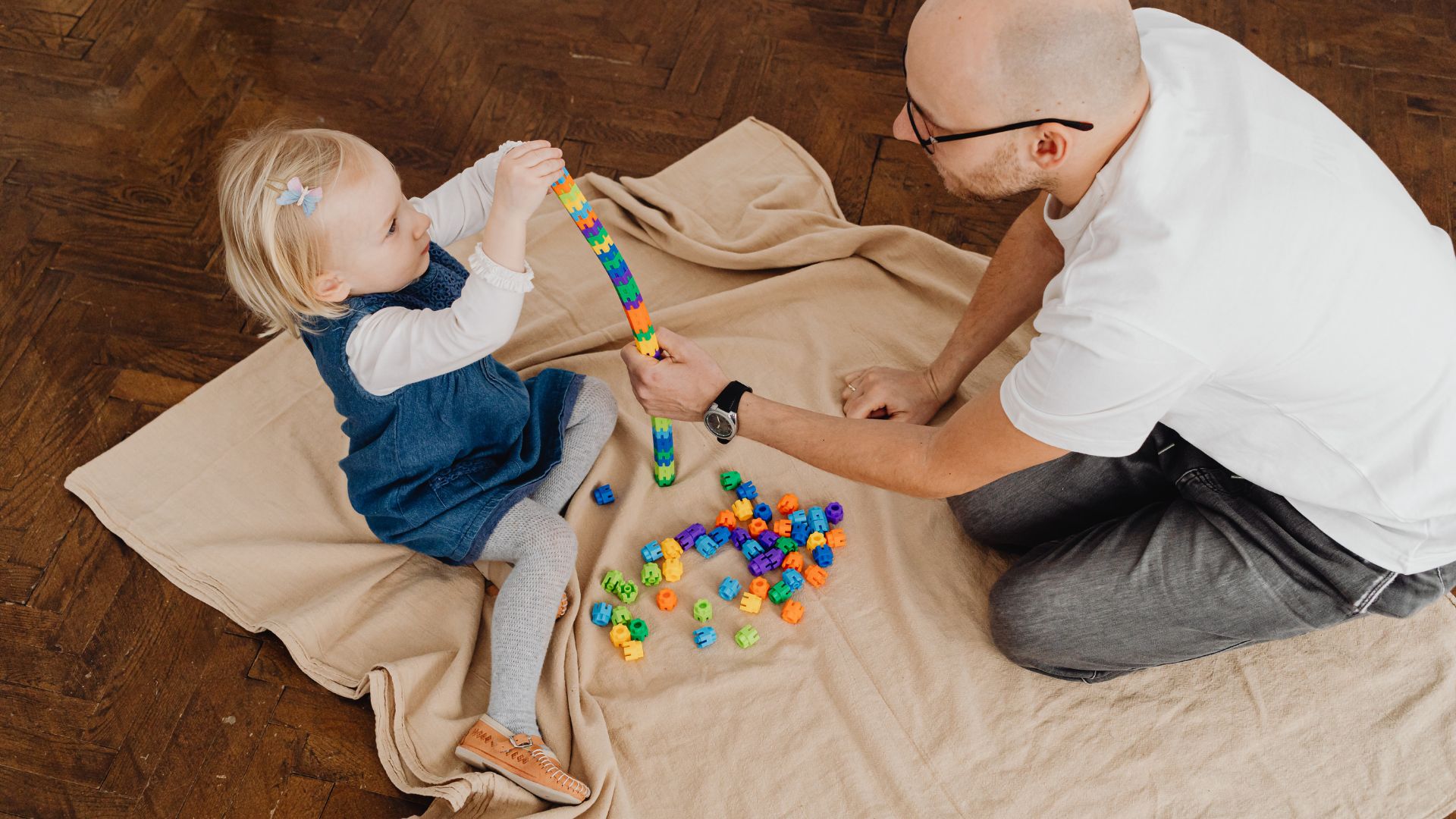
A young child talking with an adult during a calm moment, showing early communication behaviors

How Speech Delay and Autism Show Up in Early Communication

The key to start noticing the differences between the two concepts is not just what your child is doing, but how they are trying to connect and communicate. According to the American Speech-Language-Hearing Association, some children may take longer to develop spoken language while still actively trying to communicate.

What Is a Speech Delay in Toddlers?

A speech delay means a child is not using words as expected for their age, but communication is still present in other ways:

  • Using gestures like pointing or reaching
  • Making eye contact to get your attention
  • Trying to communicate through sounds or expressions
  • Showing interest in interacting, even without words

The desire to connect is there; words are just taking a little longer to develop.

What Does Autism Look Like in Early Communication?

When looking at early signs of autism, communication differences go beyond speech alone.

Some toddlers may show:

  • Differences in back-and-forth interaction
  • Less use of gestures to share interest
  • Reduced attempts to engage socially
  • Different responses to communication cues

Autism is not defined only by delayed speech. It typically involves differences in how a child connects, interacts, and communicates across multiple areas of development, not only speech.

Speech Delay vs Autism: How Patterns Can Look in Daily Life
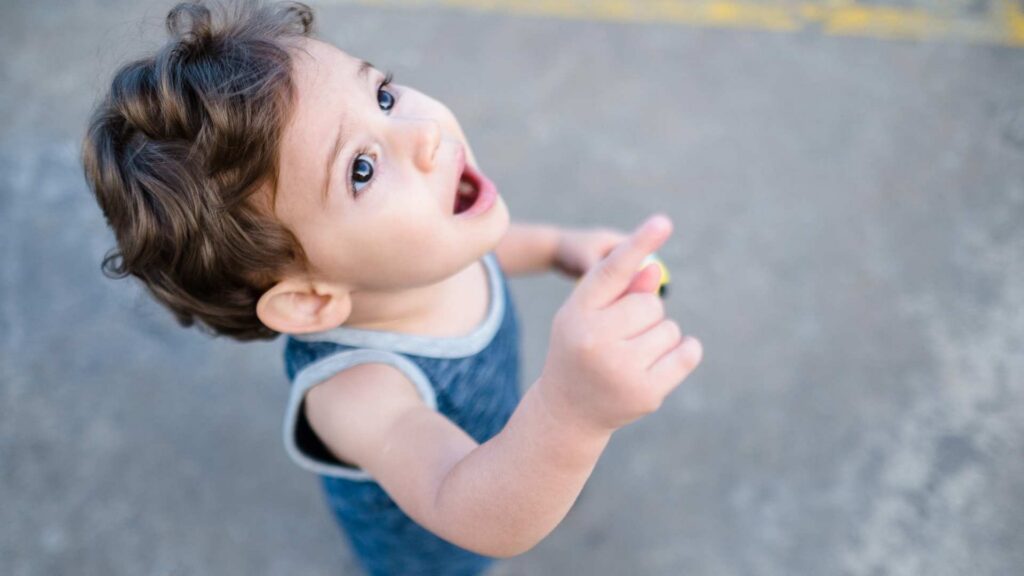
Toddler looking up while pointing, showing early communication behaviors

When comparing speech delay vs autism, the differences often become clearer in everyday interactions. Here are some of the differences parents may notice in daily life:

A Quick Comparison at a Glance

Sometimes it helps to see these patterns side by side:

What You Might Notice

Speech Delay

Autism (Possible Patterns)

Communication attempts

Uses gestures, sounds, or eye contact to communicate

May show fewer attempts or communicate differently

Eye contact and connection

Seeks connection and interaction

May show differences in social engagement

Response to others

Usually responds to name or interaction

May respond inconsistently to social cues

Use of gestures

Points, shows, or brings things to share interest

May use fewer gestures or use them less consistently

Play style

Explores toys in different ways

May prefer repetitive patterns in play

Overall development

Primarily affects speech and language

Often involves multiple areas of development

This comparison highlights general patterns, not a diagnosis. Every child develops differently, and only a professional evaluation can determine what’s behind developmental differences.

Language Delay in Toddlers vs Broader Developmental Patterns

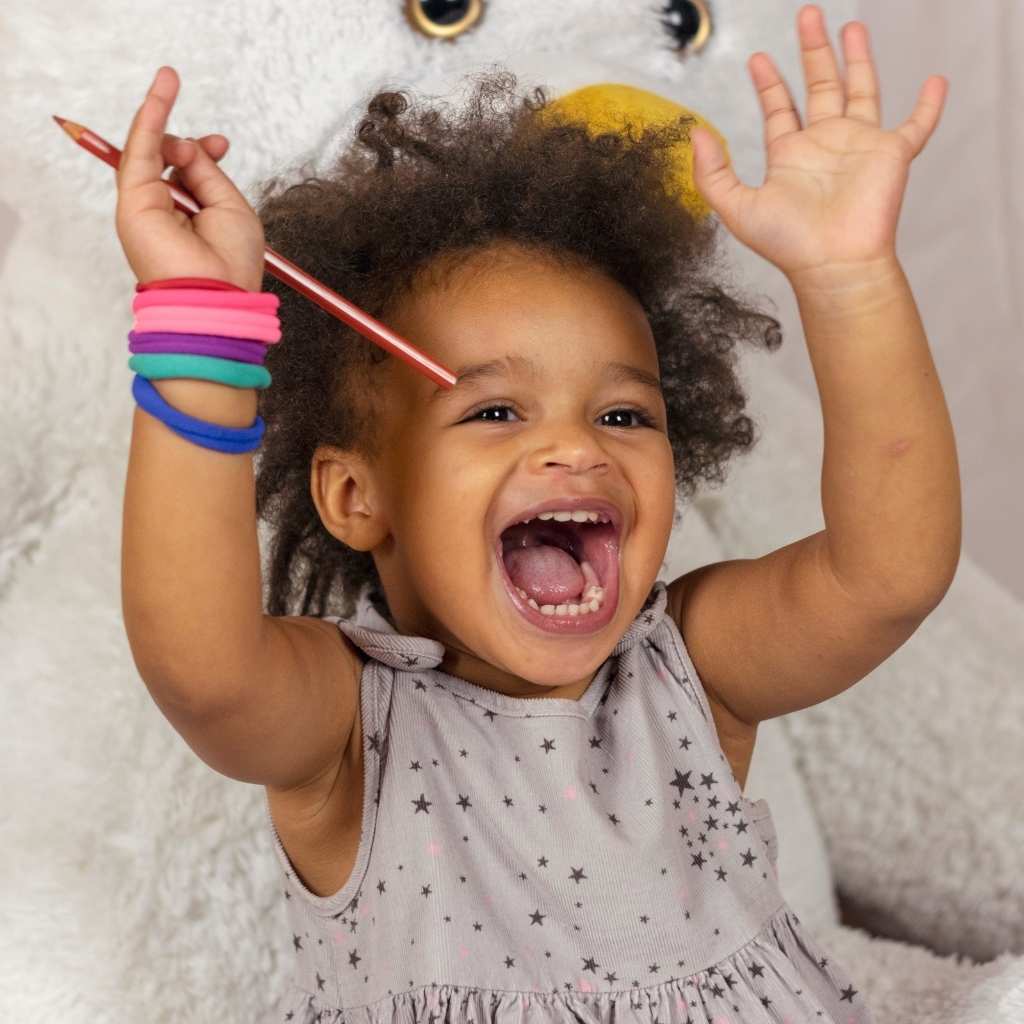
A toddler smiling with raised hands, showing playful behavior that may appear in both speech delay and autism

Language delay in toddlers often appears on its own. A child may struggle with words, but their social interest and interaction remain strong.

When comparing speech delay and autism, the differences usually extend beyond language. Autism affects multiple areas of development, not just speech. The National Institute of Mental Health, states that autism can influence how children connect socially, communicate, and engage with the world around them.

It can affect: 

  • Social connection
  • Communication style
  • Play and behavior

This is why professionals don’t focus on a single skill, such as speech. They look at how different areas of development come together.

When Speech Delays and Autism Occur Together

It’s natural to think in terms of either/or when comparing speech delay vs autism. But in reality, development doesn’t always fit into clear categories.

A child can have both a speech delay and autism. In fact, many children on the autism spectrum also experience delays in speech and language development. The difference is that autism affects more than just language.

This is why the question isn’t always speech delay or autism, but rather how different areas of development come together.

For example, a child may have delayed speech, show differences in social interaction, use fewer gestures, and have limited back-and-forth communication. Many or all at once. In these cases, speech delay is one part of a broader developmental pattern.

Whether a child has a speech delay, autism, or both, early guidance can make a meaningful difference in how they develop communication and social skills.

What to Do If You Have Questions About Your Child’s Development

Adult interacting gently with a toddler who is vocalizing

If you’re comparing speech delay vs autism and still feel uncertain about what may be going on with your child’s development, you don’t have to figure it out on your own. Start by:

  • Talking with your child’s pediatrician
  • Sharing specific observations about communication and behavior
  • Asking about developmental screening or evaluation

Early evaluation doesn’t mean labeling; it means clarity for your family and your child’s support.
How Early Support from ABA Centers of New Jersey Can Help

Whether your child has a speech delay or shows early signs of autism, early intervention can make a meaningful difference, helping:

  • Strengthen communication skills
  • Improve interaction and engagement
  • Build confidence in both the child and the parent

At ABA Centers of New Jersey, families can connect with professionals who understand early development and offer guidance on next steps with care and clarity.

If you have concerns or want reassurance, contact our team at ABA Centers of New Jersey to help you better understand your child’s development and guide you with confidence. Reach out through our contact form or call us at (855) 640-7888 to learn more.

Get Social With Us

Related Posts

Toddler covering ears in a loud environment

Sensory Sensitivity in Toddlers: What’s Normal and What’s Not

Does your toddler cover their ears, avoid certain textures, or react strongly to everyday situations? Sensory sensitivity in toddlers is more common than you might ...
Read More →
A toddler lines up toys while playing, a behavior where they place objects in order to explore patterns

What to Do If My Toddler Lines Up Toys? Is It a Sign of Autism?

If your toddler lines things up often, you’re not the only parent wondering why. Some behaviors are part of normal development, others need a closer ...
Read More →
Toddlers move around a space with adults watching over them. The scene hints at moments when a toddler doesn’t respond to their name

My Toddler Doesn’t Respond to Their Name — What Does It Mean?

Calling your child’s name and getting no response can feel confusing. Sometimes it’s a completely normal part of their development, other times it’s worth a ...
Read More →
A small child appears to call out, paired with the theme Why Isn’t My Toddler Talking Yet. The image helps explain common signs of speech delay and autism.

Why Isn’t My Toddler Talking Yet? What It Could Mean

It’s normal for parents to worry if their child isn’t using words as expected. Learn why speech delays happen, and when to take a closer ...
Read More →
A toddler crawling through a tunnel, showing toddler developmental milestones like movement, curiosity, and play, and representing the question Is My 18-Month-Old Behind

Is My 18-Month-Old Behind? What to Know About Developmental Milestones

Wondering if your 18-month-old is behind in development? Learn what milestones to look for and when it may be time to take a closer look. ...
Read More →
Two young children play separately with toys in the same room, illustrating signs of autism at age 3, such as not showing interest in peers.

Signs of Autism at Age 3: What Does It Look Like Day to Day?

The signs of autism at age 3 can become more noticeable in how a child speaks, plays, and connects with others. Understanding these signs can ...
Read More →
en_USEnglish
Scroll to Top