
Table of Contents
Receiving an autism diagnosis for your toddler often brings a mix of emotions. After months of questions, screenings, and evaluations, you finally have answers, but now you’re faced with another important decision: finding the right therapy provider.
A quick search for an ABA provider for toddlers can return dozens of clinics, all promising individualized care and experienced therapists. While many providers offer Applied Behavior Analysis (ABA), the quality of care, clinical oversight, and treatment philosophy can vary significantly. Understanding what to look for can help you make a confident decision for your child and your family.
According to the CDC, ABA is an evidence-based approach that can help children with autism strengthen communication, social interaction, adaptive behavior, and daily living skills when treatment is individualized. Rather than changing who a child is, modern ABA therapy for young children focuses on helping them build meaningful skills while respecting their unique strengths and developmental pace.
Keep reading this blog by ABA Centers of New Jersey and discover all you should know about how to choose an ABA provider for your child to guarantee long-term success in the process.
How to Choose an ABA Provider for Toddlers?
If you’re wondering how to choose an ABA provider, it helps to think beyond marketing materials or online reviews. Instead, evaluate each clinic using the same criteria.
The following three-step framework can help you objectively compare every ABA provider for toddlers, making it easier to identify a team that provides ethical, high-quality, family-centered care.
The 3-Step Framework for Evaluating an ABA Provider for Toddlers
1. Clinical & Administrative Credentials
Every quality ABA provider for toddlers should have a strong clinical foundation.
Start by confirming that the organization adheres to recognized quality standards, such as the Behavioral Health Center of Excellence (BHCOE) accreditation or comparable national compliance standards. While accreditation is voluntary, it reflects a commitment to continuous improvement and accountability.
Next, verify that your child’s supervising clinician is a Board Certified Behavior Analyst (BCBA) in good standing with the Behavior Analyst Certification Board (BACB). The BCBA should conduct assessments, design individualized treatment plans, regularly review progress, and adjust goals as your child develops.
The National Center for Biotechnology Information (NCBI) explains that effective ABA programs rely on individualized assessment, measurable goals, ongoing data collection, and consistent clinical supervision; not standardized treatment plans.
🔎 Why it matters:
Strong clinical leadership creates individualized ABA therapy for young children that evolves alongside your toddler’s development.
2. Staff Support & Quality Ratios
Parents naturally focus on who will work directly with their child, but it’s equally important to understand how those therapists are supported.
When learning how to choose an ABA provider, ask about BCBA supervision, therapist training, and staff retention. Many high-quality clinics provide BCBA supervision well above minimum requirements, allowing treatment plans to be adjusted quickly as children make progress.
Consistency also matters. Toddlers thrive when they can build trusting relationships with familiar therapists instead of adapting to frequent staffing changes.
Experts recommend asking providers about staff qualifications, supervision, communication practices, and how they measure progress. A reputable ABA provider for toddlers should welcome these questions and encourage family involvement throughout treatment.
🔎 Why it matters:
Stable clinical teams help children focus on learning rather than constantly adjusting to new caregivers, improving the overall quality of ABA therapy for young children.
3. The Play & Care Philosophy
Credentials and staffing tell you who is providing care. A clinic’s philosophy tells you how that care is delivered.
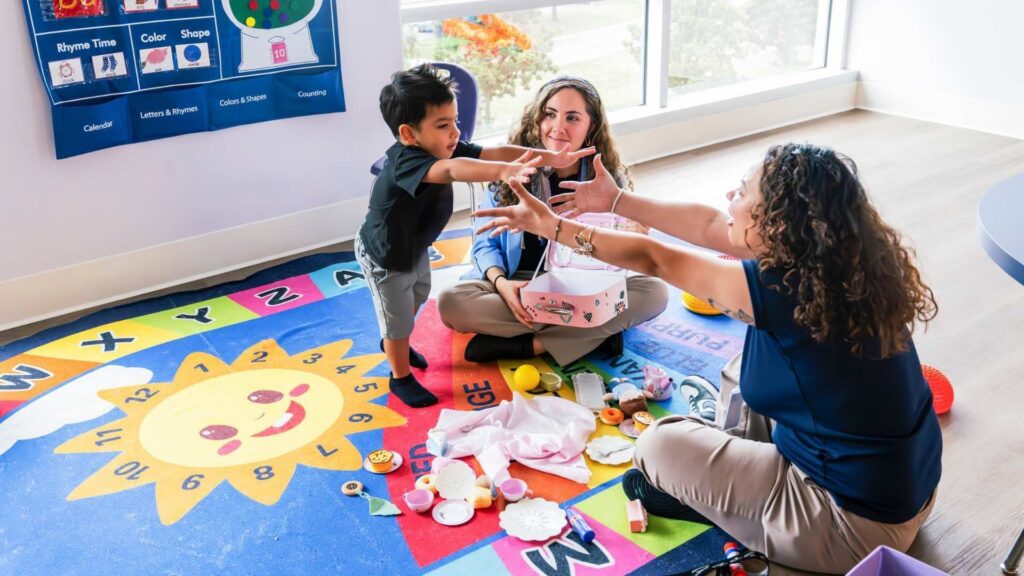
Modern ABA therapy for young children should be engaging, collaborative, and play-based. Therapists should use your child’s interests, natural routines, and positive reinforcement to teach communication, independence, play, and social skills.
One simple question can reveal a great deal about a provider’s philosophy:
“What happens if my two-year-old refuses to participate?”

An experienced ABA provider for toddlers may explain that the therapist would adjust the activity, identify what is affecting motivation, offer choices, or provide a functional break before trying again. These responses reflect today’s child-centered practices rather than outdated compliance-based methods.
Another important consideration is treatment intensity. Be cautious if every toddler is automatically recommended for the same number of therapy hours. A quality ABA provider for toddlers first completes a comprehensive assessment before recommending a schedule based on your child’s needs, family goals, and ability to participate successfully.
Research emphasizes compassionate, individualized, and family-centered behavioral services that adapt to each child’s strengths rather than relying on rigid treatment models.
🔎 Why it matters:
Great ABA therapy for young children is built around the child, not around a preset program.
Home-Based vs. Center-Based ABA: Which Environment Is Best for a Toddler?
Once you’ve found a trusted ABA provider for toddlers, you’ll also need to decide where therapy should take place.
Home-based services allow therapists to teach skills during everyday routines such as meals, dressing, and family play, while center-based programs offer structured opportunities to practice communication, peer interaction, and early learning with a multidisciplinary team.
Neither setting is universally better. The best environment depends on your child’s developmental goals, learning style, and family routines. In many cases, providers may recommend combining both settings to maximize learning opportunities.
What Are the Most Important Qualities in an ABA Therapist for Young Children?
Choosing an ABA provider for toddlers also means understanding who will be working directly with your child, and that implies caring about qualifications.
Look for providers that offer:
- BCBA supervision throughout treatment
- Registered Behavior Technicians (RBTs) or similarly trained therapists
- Experience working with toddlers and early intervention
- Regular parent coaching and collaboration
- Ongoing professional development and evidence-based practices
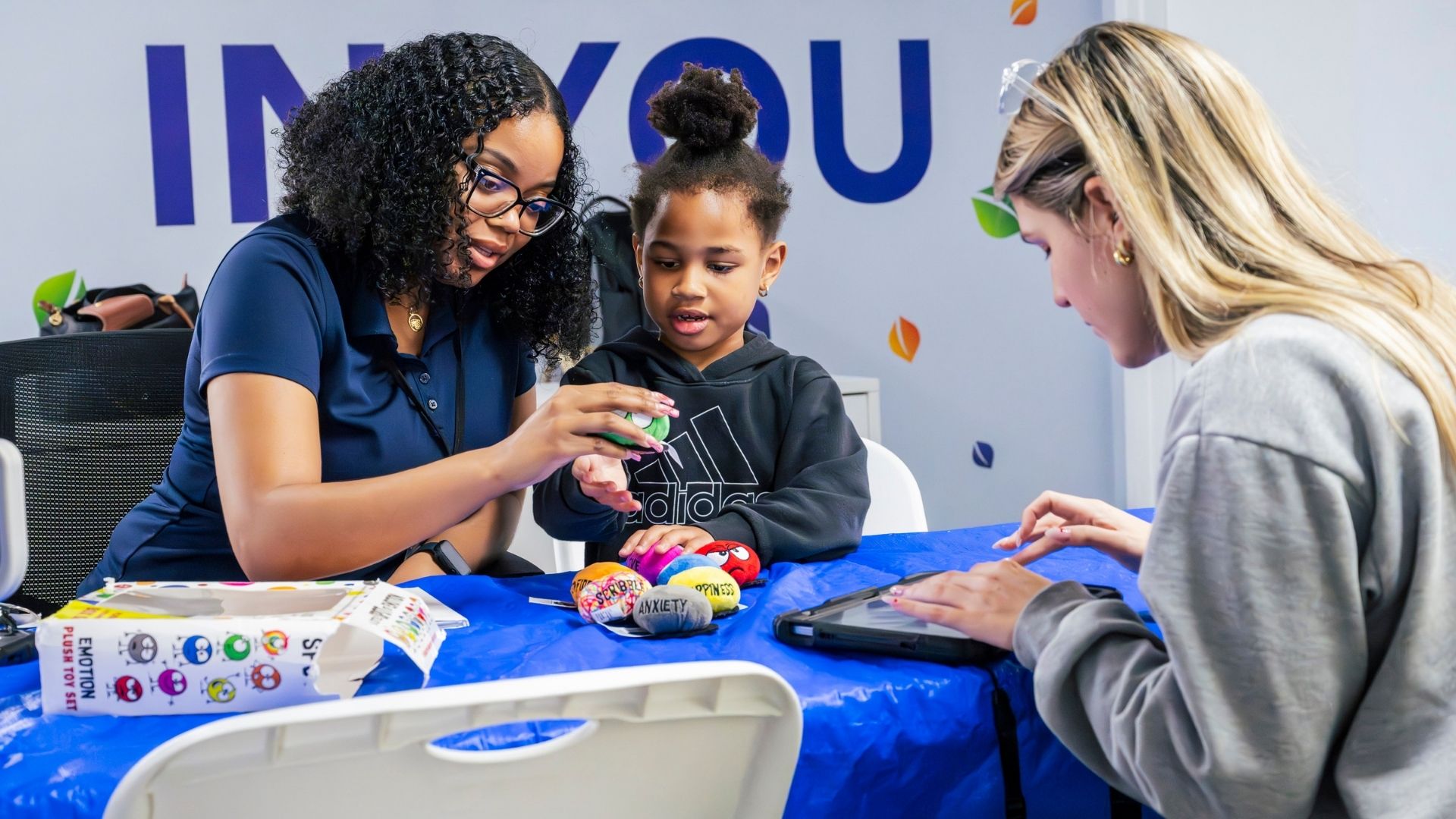
Beyond credentials, observe how therapists interact with children. The best professionals are patient, flexible, encouraging, and genuinely engaged with each child’s interests.
What Are the Red Flags When Looking for an ABA Provider for Toddlers?
Understanding how to choose an ABA provider also means recognizing warning signs.
Consider asking additional questions if a clinic:
- Recommends the same therapy hours for every child
- Has frequent therapist turnover
- Provides little BCBA supervision
- Discourages parent participation
- Cannot clearly explain how progress is measured
- Relies primarily on compliance instead of engagement and play
- Avoids answering questions about credentials or treatment planning
Transparent communication is one of the strongest indicators of a trustworthy ABA provider for toddlers.
Questions to Ask During Your First ABA Provider Visit

Having this information in mind, before making your decision, consider bringing these questions to every consultation with a potential provider:
- Who supervises my child’s treatment plan?
- How often does the BCBA observe therapy sessions?
- How do parents participate in treatment?
- How do you respond when a toddler refuses to participate in an activity?
- How do you measure progress?
- What is your therapist retention rate?
- How do you determine the recommended number of therapy hours?
- What does a typical play-based therapy session look like?
Comparing answers across providers can make the decision much clearer.
Finding the Right ABA Provider for Your Child is Possible: Discover ABA Centers of New Jersey
We hope this guide helps parents and caregivers comprehend that high-quality ABA therapy for young children supports communication, independence, confidence, and everyday skills that can make a meaningful difference throughout childhood.
And by evaluating providers through clinical credentials, staff support, and therapeutic philosophy, you’ll be better prepared to find the right fit for your family.
At ABA Centers of New Jersey, we believe every child deserves compassionate, play-based, individualized care. If you’re exploring how to choose an ABA provider, our experienced team is here to answer your questions, explain your options, and help you determine the best path forward.
Contact ABA Centers of New Jersey today to schedule a consultation by clicking here or by calling us at (855) 640-7888 and learn how our personalized approach can support your toddler’s unique journey.





 English
  Español