

Table of Contents
What Is a BCBA and Why Does It Matter for My Toddler Care?
When parents begin exploring autism treatment options, one common question is: what role does a BCBA play in helping children with autism build meaningful skills and reach developmental goals? The answer starts with understanding the expertise of a Board Certified Behavior Analyst (BCBA).
A BCBA, or Board Certified Behavior Analyst, is a professional trained to assess behavior, develop individualized therapy plans, and oversee ABA services.
For toddlers receiving autism treatment, a Board Certified Behavior Analyst helps ensure interventions are tailored to their unique developmental needs and adjusted as they grow. Their guidance is essential for creating effective, evidence-based strategies that support learning, communication, and everyday skills, such as those used in approaches like ABA therapy.
Fundamentally, the goal of autism treatment through ABA is to improve developmental outcomes and quality of life. Keep reading this blog by ABA Centers of New Jersey to learn more about what role a BCBA plays in autism treatment, including the training these professionals receive, how they contribute to ABA therapy, and why their guidance is so important for children and families.
How Does Someone Become a BCBA?
It takes years to become a Board Certified Behavior Analyst, requiring a passion for serving others and a commitment to understanding behavior and improving outcomes for individuals receiving autism treatment. Qualifications include bachelor’s and master’s degrees in a related field, such as psychology, special education, child development, or Applied Behavior Analysis.
BCBAs must complete extensive supervised fieldwork and pass a certification exam administered by the Behavior Analyst Certification Board (BACB). According to the BACB’s overview of certification pathways, professionals may also pursue the Board Certified Assistant Behavior Analyst (BCaBA) credential as part of their career journey.
Eventually, these steps lead to certification as a Board Certified Behavior Analyst. However, to maintain certification, BCBAs must renew their credentials regularly, complete continuing education requirements, and remain current on best practices in autism treatment.
ABA degree programs are often rigorous and overseen by experienced Board Certified Behavior Analysts and other psychological experts to ensure ethical and effective service delivery.
What Role Does a BCBA Play in Autism Therapy?
When discussing “what role does a BCBA play”, one of the most important responsibilities is overseeing autism treatment plans. A Board Certified Behavior Analyst typically observes a child’s behavior directly while also reviewing medical history, developmental information, and caregiver concerns.
In addition to collaborating with your child’s ABA treatment team, the BCBA works closely with parents and caregivers to monitor progress and ensure meaningful outcomes. The Board Certified Behavior Analyst coordinates with everyone involved in your child’s autism treatment to ensure consistency and clear communication.
BCBAs may also consult with physical therapists, counselors, educators, occupational therapists, and speech-language pathologists regarding treatment goals. A Board Certified Behavior Analyst helps children develop essential daily living, communication, and social skills while promoting independence and participation in their communities.
Very often, a BCBA becomes one of a child’s strongest advocates, helping them develop the skills necessary to express themselves and access opportunities for success.
Are There Many Active BCBAs Currently?
The number of Board Certified Behavior Analysts continues to grow throughout the United States, helping expand access to autism treatment services for children and families.
According to the latest BACB Certificant Data report, the number of certified BCBAs has increased significantly over the past decade, reaching 83,586 certified specialists by April 2026.
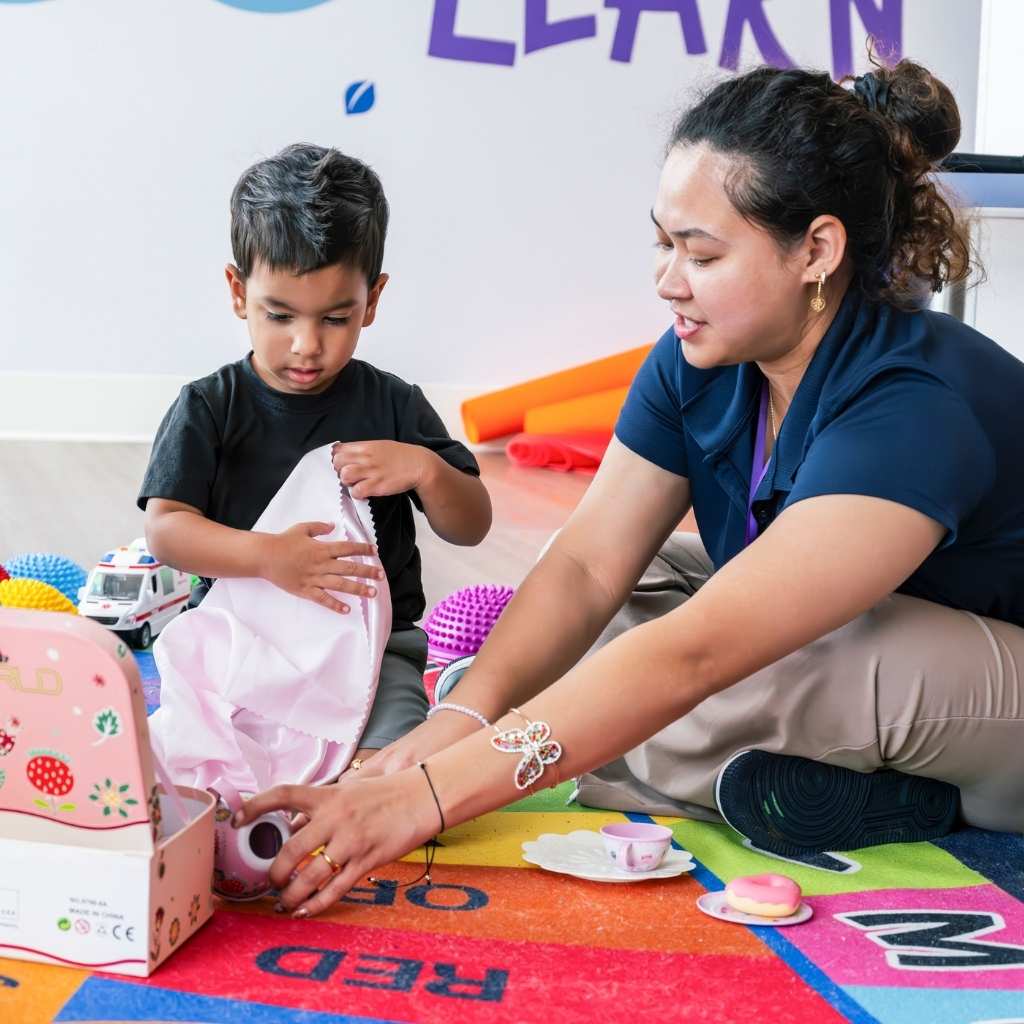
This reflects the growing demand for qualified professionals who specialize in behavior analysis and autism treatment.
As more Board Certified Behavior Analysts enter the field, more individuals with autism can access evidence-based services that support long-term development and quality of life.
Where Do Most BCBAs Work?
In addition to schools, clinics, and residential settings, many Board Certified Behavior Analysts work for established ABA providers and autism service centers, such as ABA Centers of New Jersey.
BCBAs are commonly employed by schools as well to address behavioral concerns and support student success. In clinics and in-home treatment settings, a Board Certified Behavior Analyst may oversee data collection, behavioral assessments, and treatment planning.
However, the work of a Board Certified Behavior Analyst extends beyond traditional settings and can contribute to positive outcomes across various industries and populations.
What Does an Average BCBA Day Look Like?
Every day is different for a BCBA. Board Certified Behavior Analysts use various ABA strategies and evidence-based techniques to support individuals with different strengths and needs.
While a BCBA may not attend every ABA session, they communicate regularly with Registered Behavior Technicians (RBTs) to ensure sessions remain effective, individualized, and aligned with autism treatment goals.
BCBAs spend considerable time reviewing data, graphing progress, and refining treatment plans. This information helps them identify patterns and make informed decisions about how to improve outcomes.
Through ongoing assessment and observation, the Board Certified Behavior Analyst continuously adapts autism treatment strategies to support growth across home, school, and community settings.
What Does Applied Behavior Analysis Mean?

Applied Behavior Analysis (ABA) is an evidence-based approach widely used to support learning and skill development for individuals with autism. According to Autism Speaks, ABA therapy focuses on understanding behavior and using evidence-based strategies to encourage meaningful improvements in:
- Communication
- Social interaction
- Confidence
- Daily living skills
A Board Certified Behavior Analyst uses ABA principles to design interventions that help individuals achieve meaningful goals. Strategies such as positive reinforcement and redirection are commonly used to encourage desired behaviors and promote positive change.
ABA therapy focuses on understanding how behavior is influenced by environmental factors and consequences. For example, if a child demonstrates a desired behavior, practitioners may reinforce that behavior through praise, preferred activities, or other meaningful rewards. These interventions are carefully selected to support long-term learning and success.
ABA therapy is especially effective because it addresses real-life challenges specific to each individual. A key principle of autism treatment through ABA is the use of socially valid interventions.
To be effective, treatment goals should be meaningful, practical, and beneficial to the individual’s everyday life.
Rather than simply trying to stop behaviors, a Board Certified Behavior Analyst works to understand why behaviors occur and to identify strategies that help individuals achieve their goals more effectively.
In addition to establishing meaningful goals through observation and assessment, BCBAs incorporate caregiver input into every autism treatment plan.
By collaborating with families, a Board Certified Behavior Analyst helps ensure treatment recommendations fit naturally within the child’s environment, routines, and developmental needs.
Get The Support Your Child Deserves with Top-Tier BCBAs at ABA Centers of New

Whether your child needs a comprehensive ABA program or parent coaching services, understanding “what role does a BCBA play” can help you make informed decisions about care.
No two behavioral plans are exactly alike because every individual with autism spectrum disorder experiences unique strengths and challenges. Effective autism treatment recognizes these differences and tailors services accordingly.
Working with an experienced Board Certified Behavior Analyst can have a meaningful impact on your child’s development, communication, and independence.
Schedule a free consultation with ABA Centers of New Jersey to discuss your ABA therapy options and what fits your child the most. Call us at (855) 640-7888 or click here to contact us.





 English
  Español