


Comprender los niveles de autismo: Guía para familias y cuidadores

Un terapeuta choca los cinco con un niño durante una sesión de aprendizaje, simbolizando el apoyo y la comprensión en los distintos niveles de autismo.

Tabla de contenido

Trastorno del Espectro Autista (ASD) refers to a wide-ranging developmental condition that varies significantly from person to person.. Clinicians often describe it as a “spectrum” because no two individuals experience it in the same way. Within this spectrum, professionals use a framework called the levels of autism to understand better and describe the type and degree of support a person might need in daily life.

What are the levels of autism?

The Diagnostic and Statistical Manual of Mental Disorders, Fifth Edition (DSM-5), identifies three levels of autism based on the degree of support the individual requires: Level 1 autism, Level 2 autism, and Level 3 autism. These levels reflect how much assistance a person may need to navigate social interactions, communication, and repetitive or restrictive behaviors in different contexts.

In this post by ABA Centers of New Jersey, we’ll break down what these levels of autism mean, how experts use them in practice, and why understanding them helps families, educators, and therapists provide the right kind of support, primarily through interventions like ABA therapy and early intervention programs.

The Shift Toward Understanding Autism as a Spectrum

For many years, researchers described autism using separate labels; terms like “Asperger’s Syndrome,” “Pervasive Developmental Disorder,” or “high-functioning autism.” These terms, while common, are now considered outdated and misleading.

Según DSM-5 and modern research, these labels failed to capture the true diversity and individuality of people on the spectrum. For instance, someone might perform well academically yet struggle deeply with social understanding or sensory overload.

Today, the autism community and researchers emphasize describing a person’s support needs instead of applying “functioning labels.” This approach is both more accurate and more respectful; it focuses on understanding challenges while recognizing the individual’s strengths and unique ways of engaging with the world.

Levels of autism

Level 1 Autism: Requiring Support

People sometimes describe Level 1 autism as the “mildest” form of ASD, but that description can be misleading. Individuals at this level often live independently and may hold jobs or attend school successfully, yet still face significant difficulties with social communication and flexibility in behavior.

A person with Level 1 autism might:

  • Find it hard to start or sustain conversations
  • Miss subtle social cues like tone of voice or body language
  • Feel overwhelmed by changes in routine or unexpected events

While these challenges might not always be visible, they can lead to stress, exhaustion, or social isolation. Many adults with Level 1 autism learn coping strategies or “mask” their traits to fit in, which can cause emotional burnout.

With proper support, such as social skills training, therapy, and accommodations at school or work, individuals at this level can thrive while being authentically themselves.

Level 2 Autism: Requiring Substantial Support

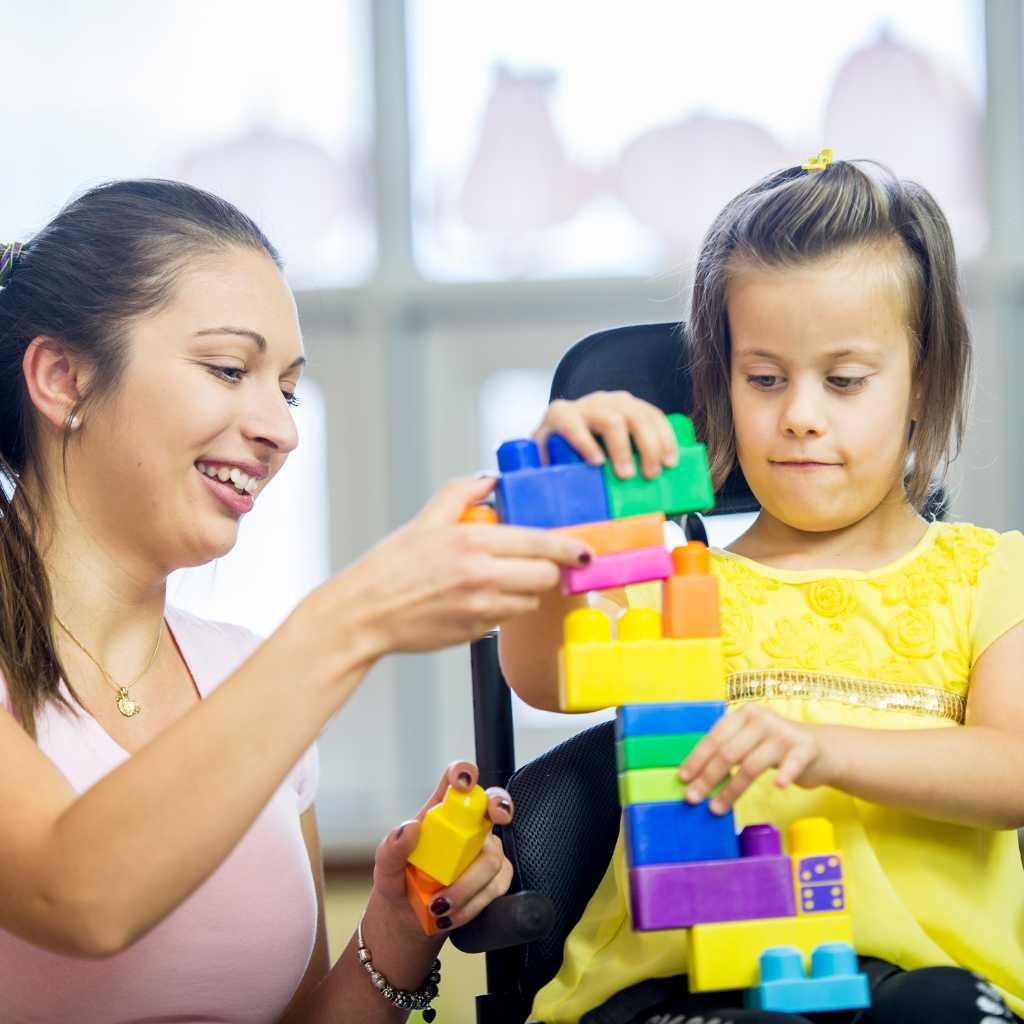
Therapist working one-on-one with a child using educational materials, representing the guidance and substantial support needed for level 2 autism.

Level 2 autism indicates more noticeable challenges in both communication and behavior. Individuals may have limited verbal abilities or struggle to express their needs clearly. They might also engage in comportamientos repetitivos, like rocking, flapping, or repeating words, and find changes to routine extremely difficult.

Common traits of Level 2 autism include:

  • Difficulty interpreting or responding appropriately in conversations
  • Visible frustration when routines are disrupted
  • A strong need for predictability and structure

People at this level often benefit from substantial daily support through therapies like Applied Behavior Analysis (ABA), occupational therapy, and speech therapy to help improve communication and adaptive skills. They can also benefit from structured environments and consistent routines.

Families can make a tremendous difference by working closely with therapists and educators to tailor interventions that build confidence, promote independence, and celebrate progress at each stage.

Level 3 Autism: Requiring Very Substantial Support

Level 3 autism represents the highest level of support need. Individuals at this level experience severe challenges with communication and daily functioning. Many have limited or no spoken language and may require alternative communication methods such as picture exchange systems or assistive devices.

They often have intense repetitive behaviors and may struggle with sensory input, needing calm, structured, and predictable environments to feel safe. A person at this level might need help with personal care, daily routines, and constant supervision.
However, describing Level 3 autism purely in terms of limitations misses the whole picture. Many individuals show deep emotional connections, unique ways of expressing themselves, and a strong attachment to people and familiar environments.

Una investigación realizada por Frontiers in Psychiatry uses the term “profound autism” to describe individuals with severe intellectual disabilities and minimal communication abilities, not to stigmatize them, but to ensure they receive the intensive, lifelong support they require.

Teacher interacting with young children during playtime, representing early intervention and support that go beyond autism level classifications.

Moving Beyond Labels: Why the Levels of Autism Aren’t the Whole Story

While the DSM-5 levels of autism help clinicians and families understand a person’s needs, experts emphasize that these levels don’t always capture the whole picture. Support needs can change over time or differ depending on the environment.

For example, someone who manages well in a quiet home might struggle in a crowded workplace. Research also shows that some people, especially women and girls with autism, “mask” their traits so effectively that their challenges go unnoticed for years.

That’s why professionals are now calling for more dynamic and personalized diagnostic tools that go beyond visible behaviors to include sensory sensitivities, cognitive processing, and emotional regulation.

How ABA Therapy and Early Intervention Support All Levels of Autism

No matter where a person falls on the spectrum, early intervention plays a crucial role in building essential life skills and promoting independence. Applied Behavior Analysis (ABA therapy) is one of the most widely researched and practical approaches for all levels of autism.

Here’s how ABA therapy supports each individual on the spectrum:

For Level 1 autism, therapists focus on refining social skills, managing anxiety, and building strategies for navigating school or work environments.

For Level 2 autism, ABA helps strengthen communication, emotional regulation, and flexibility in daily routines.

For Level 3 autism, ABA focuses on foundational life skills, such as communication, self-care, and safety, using highly structured and compassionate teaching methods tailored to each individual.

ABA therapy also empowers families by teaching parents and caregivers how to apply positive reinforcement strategies at home and in other environments. When combined with occupational and speech therapy, ABA helps create a well-rounded support system that encourages growth at every level.

Looking Ahead: The Future of Autism Understanding

Teacher interacting with young children during playtime, representing early intervention and support that go beyond autism level classifications.

Recent scientific advances are reshaping how we view autism. Large-scale studies, such as the SPARK study published in Nature Genetics, have identified unique genetic and behavioral subgroups within the spectrum. This research shows that while autism is one spectrum, it’s far from uniform; each person has a distinctive combination of traits, strengths, and challenges.

This evolving understanding encourages us to move away from rigid categories and toward a person-centered approach, recognizing that everyone with autism deserves individualized support that adapts over time.

Compassion, Understanding, and Support for All Levels of Autism

Understanding the levels of autism helps us appreciate the spectrum’s diversity and the importance of tailored support. The purpose of these levels of autism isn’t to define a person; they’re tools to guide meaningful interventions that improve quality of life.

If you or someone you love is seeking an autism diagnosis, early intervention, or ongoing therapy, ABA Centers of New Jersey can help. Our compassionate team offers diagnostic testing, personalized ABA therapy, and family support services designed to meet each person’s unique needs.

Whether you live in Woodstown, Trenton, Paterson, or other parts of New Jersey, you can call us at (855) 640-7888 o fill out our online form.

Because at every level, every person on the spectrum deserves respect, understanding, and the opportunity to thrive.

Socialícese con nosotros

Entradas relacionadas

Cómo pasar las fiestas con autismo 11 consejos esenciales

Navegando las Festividades con Autismo: 11 Consejos Esenciales

Esta guía de ABA Centers of New Jersey pretende ofrecer consejos prácticos para gestionar la intersección del autismo y la Navidad. Con el enfoque adecuado, ...
Leer más →
Comprender el autismo de nivel 1 y las diferencias en la comunicación social cotidiana. .niño jugando con marionetas de mano

Explicando el autismo de nivel 1: Una guía compasiva para las familias

El autismo de Nivel 1 es a menudo malinterpretado, especialmente cuando se compara con términos anticuados como Asperger. Esta guía desglosa qué significa realmente el nivel 1, cómo se...
Leer más →
Dos hermanos pequeños sonríen juntos: apoyo a los niños con un hermano autista.

Tener un hermano con autismo: Apoyar a los niños con hermanos neurodiversos

En esta guía de ABA Centers of New Jersey, exploramos cómo el hecho de tener un hermano neurodiverso influye en el desarrollo, y compartimos herramientas prácticas, recursos y ...
Leer más →
Un padre abrochando a un niño sonriente en un asiento de coche, ilustrando los problemas sensoriales de los asientos de coche en el autismo y las estrategias de apoyo en los viajes.

Problemas sensoriales del autismo en el asiento del coche: Guía de apoyo para padres y cuidadores

Este blog explica por qué ocurre esto y cómo hacer que cada viaje sea más tranquilo con estrategias sencillas y adaptadas al autismo.
Leer más →
Una familia disfrutando junta de la cena de Acción de Gracias, representando unas vacaciones respetuosas con el autismo y llenas de conexión y alegría.

La Temporada Navideña con Autismo: 5 Formas de Crear un Día de Acción de Gracias Alegre

En este artículo de ABA Centers of New Jersey, exploraremos estrategias prácticas para celebrar las fiestas con autismo, desde la elaboración de un plan festivo ...
Leer más →
Autism and Halloween

Autismo y Halloween: 8 Consejos Para Una Temporada Espeluznantemente Segura

Este blog de ABA Centers of New Jersey muestra a las familias cómo planificar un Halloween respetuoso con los sentidos, con disfraces poco estresantes, rutinas predecibles y actividades inclusivas.
Leer más →
es_ESEspañol
Scroll al inicio