

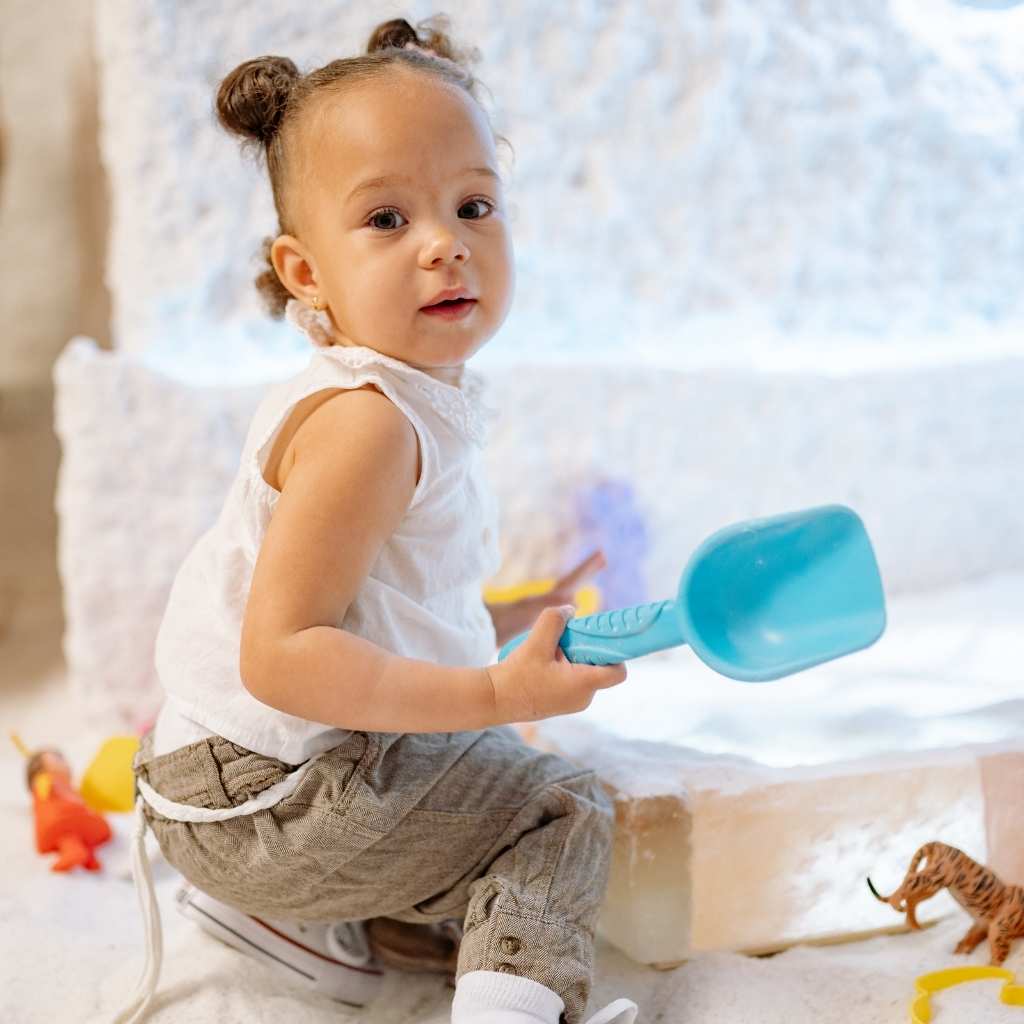
Lo más importante es observar con qué frecuencia ocurre y en qué situaciones.
Qué Implica Realmente Responder a su Nombre
Responder al propio nombre puede parecer sencillo, pero a esta edad implica que varias habilidades del desarrollo funcionen de forma conjunta.
Cuando llamas a tu hijo por su nombre, necesita percibir el sonido, reorientar su atención y conectarse contigo a través de la interacción. Responder al nombre implica la audición, la atención y las habilidades tempranas de comunicación que continúan desarrollándose durante esta etapa.
Esto significa que cuando un niño pequeño no responde a su nombre, no siempre se debe a su comportamiento ni a que no quiera escuchar. También puede estar relacionado con la manera en que procesa la información o participa en las interacciones sociales.
En muchos sentidos, responder al nombre tiene menos que ver con la “obediencia” y más con la conexión.
5 Razones por las que un Niño Pequeño No Responde a su Nombre (Por las que No Debes Preocuparte)
1. Está Muy Concentrado
Los niños pequeños pueden concentrarse intensamente en el juego y no cambiar de inmediato el foco de su atención.
2. Hay Distracciones
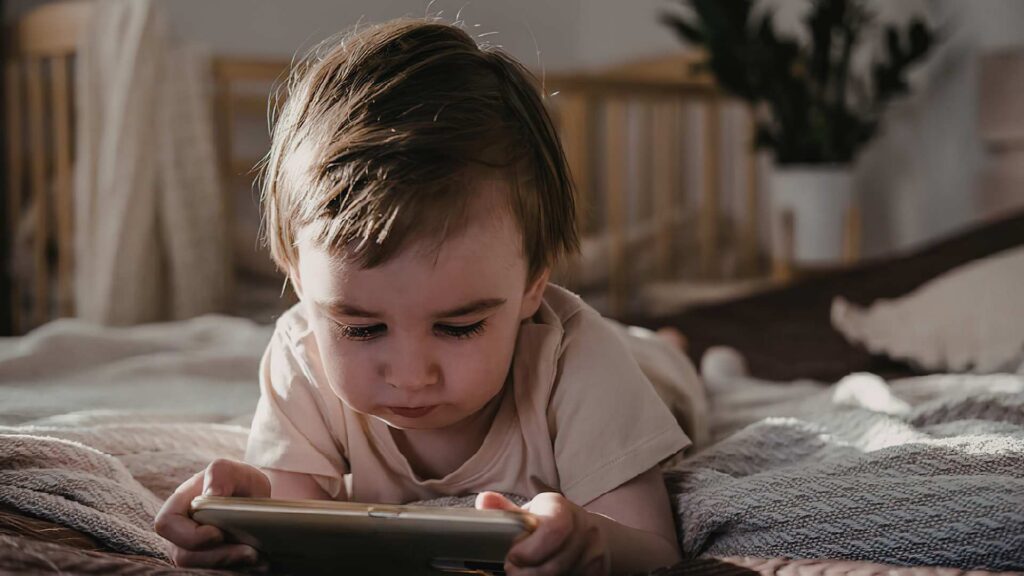
El ruido, las pantallas o los entornos muy activos pueden dificultar que un niño perciba que lo están llamando.
3. Está Explorando su Independencia
A esta edad, los niños comienzan a explorar sus límites y pueden optar por no responder de inmediato.
4. Responde de Manera Inconsistente
Incluso los niños con desarrollo típico no responden cada vez que se les llama. La consistencia se desarrolla gradualmente.
5. Sus Habilidades de Atención Todavía Están en Desarrollo
La atención y la capacidad de respuesta continúan desarrollándose durante los primeros años de vida.
Estos comportamientos pueden resultar frustrantes, pero por sí solos no son necesariamente señales de autismo en niños pequeños.
Cuándo Puede Ser Conveniente Observar con Mayor Atención
Aunque no responder ocasionalmente es común, los patrones a lo largo del tiempo pueden ofrecer más información.
Los CDC recomiendan que los padres presten atención a los patrones y actúen temprano cuando surjan inquietudes. Puede ser conveniente observar con mayor atención si tu hijo pequeño no responde a su nombre en la mayoría de las situaciones, especialmente si notas:
- Poca respuesta incluso en entornos tranquilos y durante interacciones individuales
- Pocos intentos de conectar o interactuar
- Poco uso de gestos, como señalar o mostrar objetos
- Dificultad para mantener interacciones recíprocas
En lugar de centrarte en un momento aislado, es más útil observar cómo responde tu hijo en diferentes situaciones y a lo largo del tiempo.
En algunos casos, estos patrones pueden formar parte de diferencias más amplias en el desarrollo, incluidas señales tempranas de autismo, especialmente cuando se presentan junto con diferencias en la comunicación o en la interacción social.
Cómo se Relaciona la Respuesta al Nombre con el Desarrollo Social y de la Comunicación
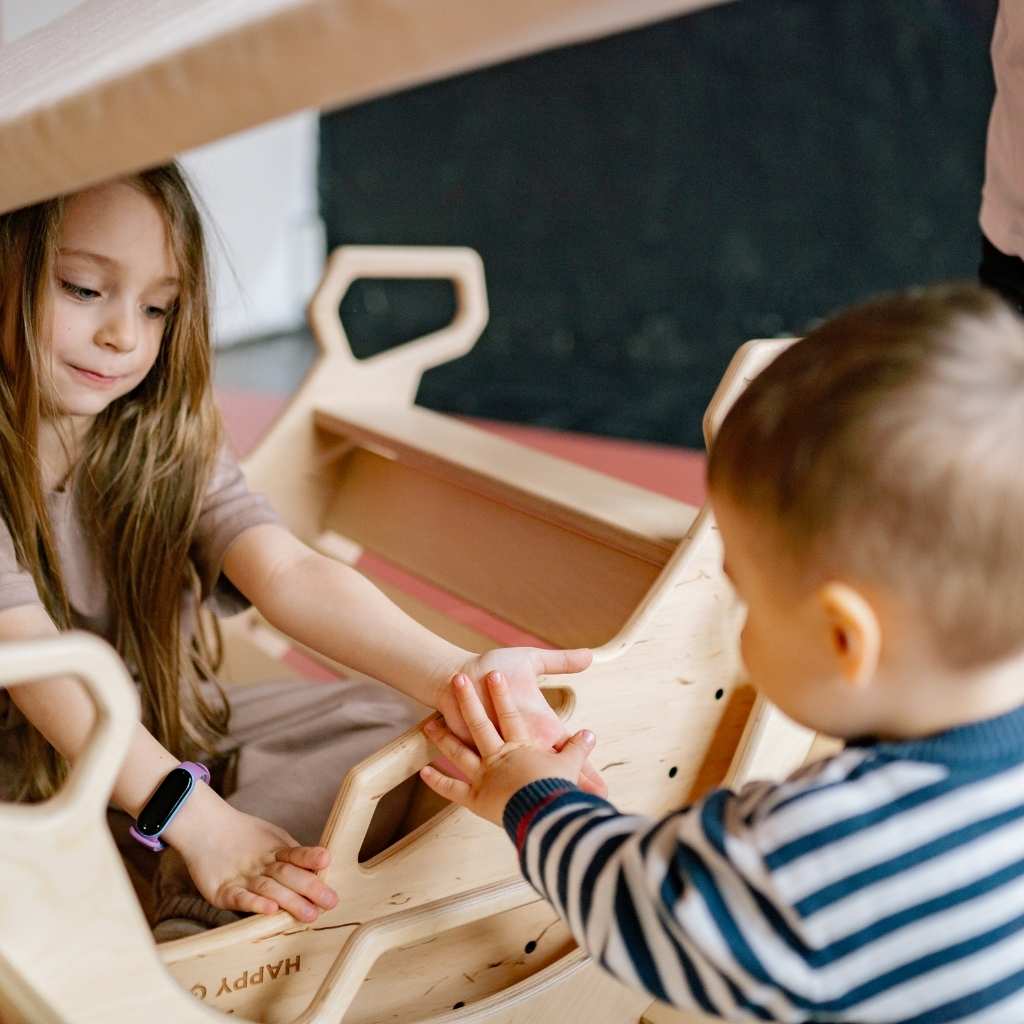
Formas Sencillas de Fomentar la Respuesta al Nombre en Casa
Si tu hijo pequeño no responde a su nombre, existen algunas estrategias sencillas para favorecer esta habilidad en las interacciones diarias.
- Ponte a su altura: ubícate donde tu hijo pueda ver tu rostro y conectar visualmente contigo.
- Utiliza un tono que capte su atención: una voz cálida y expresiva puede lograrlo con mayor facilidad.
- Acompaña su nombre con una interacción: después de llamarlo por su nombre, acompaña ese momento con algo significativo, como una actividad compartida o un gesto.
- Reduce las distracciones: busca momentos en los que a tu hijo le resulte más fácil concentrarse en ti.
- Refuerza la conexión: cuando responda, reconoce ese momento ofreciéndole atención, una sonrisa o un elogio.
Estas estrategias pueden ayudar a desarrollar gradualmente la atención y la interacción social de forma natural.
Cuándo Buscar Orientación con ABA Centers of New Jersey

Si tu hijo pequeño no responde a su nombre de manera consistente y también observas otras diferencias en su desarrollo, puede ser útil buscar orientación.
La acción temprana puede ayudarte a comprender mejor las necesidades de tu hijo. Algunos niños necesitan más tiempo para desarrollar habilidades de atención y comunicación, mientras que otros pueden presentar diferencias que podrían beneficiarse de un apoyo temprano.
Nuestros profesionales de ABA en ABA Centers of New Jersey consideran la comunicación, la interacción y los patrones generales del desarrollo de manera conjunta, en lugar de enfocarse únicamente en un solo comportamiento.
No tienes que encontrar todas las respuestas por tu cuenta. Lo más importante es observar los patrones, confiar en tu instinto y saber cuándo hacer preguntas.
Si tienes alguna preocupación o simplemente buscas mayor tranquilidad, puedes comunicarte con nosotros a través de nuestro formulario de contacto o llámanos al (855) 640-7888 para obtener más información.



 Español
  English