
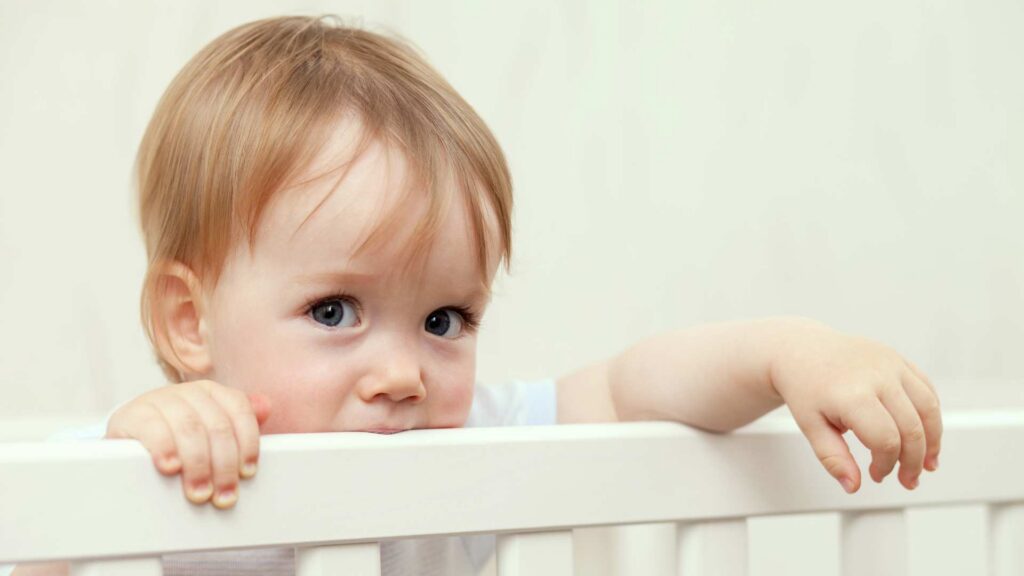
¿Cuáles Son las Señales de Autismo a los 12 Meses?
A los 12 meses, las primeras señales de autismo suelen manifestarse como diferencias sutiles en la forma en que un niño se comunica, interactúa y responde a su entorno. Los padres pueden notar un contacto visual limitado, una respuesta reducida cuando lo llaman por su nombre, menos gestos (como señalar o decir adiós con la mano) o un menor interés en La interacción social.
Aunque estas señales, por sí solas, no confirman un diagnóstico de autismo, sí pueden indicar la necesidad de observar con mayor atención el desarrollo del niño.
Ver crecer a tu hijo durante su primer año de vida puede ser una experiencia emocionante y, en ocasiones, abrumadora. Alrededor de los 12 meses, muchos padres prestan especial atención a los hitos del desarrollo, en particular a los relacionados con la comunicación y las habilidades sociales.
Es posible que te descubras comparando el desarrollo de tu hijo con el de otros niños o preguntándote si ciertos comportamientos son normales. Muchas familias comienzan a notar pequeñas diferencias en esta etapa, especialmente al buscar las primeras señales de autismo en bebés., Hacer preguntas desde el principio puede marcar una diferencia importante en el futuro.
Por Qué los 12 Meses Son una Etapa Importante del Desarrollo
El primer año de vida es fundamental para el desarrollo de la forma en que los niños se relacionan con los demás y exploran el mundo que los rodea. A los 12 meses, muchos comienzan a mostrar señales claras de comunicación social e interacción.
Según los pautas sobre hitos del desarrollo de los Centers for Disease Control and Prevention (CDC), la mayoría de los niños de esta edad comienzan a responder cuando los llaman por su nombre, a utilizar gestos sencillos y a participar de forma más activa con las personas que los rodean.
En esta etapa, la mayoría de los niños:
- Voltean cuando escuchan su nombre
- Utilizan gestos como señalar, saludar con la mano o estirar los brazos para que los carguen
- Mantienen contacto visual y responden a las expresiones faciales
- Muestran interés por las personas, no solo por los objetos
- Comienzan a participar en interacciones sencillas de ida y vuelta, como balbucear o sonreír
Estas habilidades tempranas constituyen la base del lenguaje, las relaciones y el aprendizaje. Cuando un niño presenta diferencias en varias de estas áreas, puede ser recomendable observar con mayor atención si podrían tratarse de señales de autismo a los 12 meses.
6 Señales Tempranas de Autismo a los 12 Meses
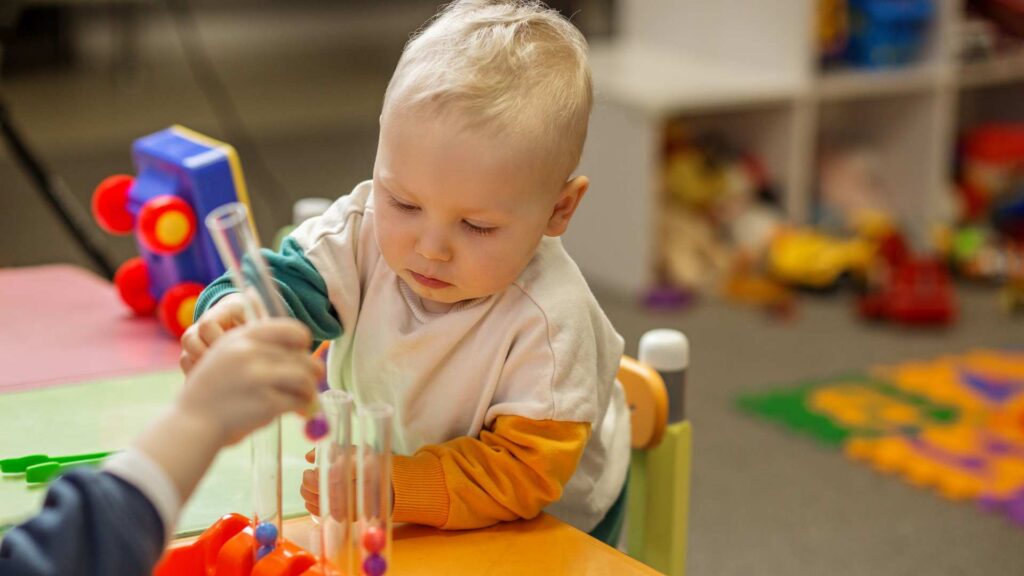
Cada niño se desarrolla a su propio ritmo, pero ciertos patrones a los 12 meses pueden indicar la necesidad de realizar una evaluación. Los padres que investigan las señales de autismo suelen notar diferencias en la comunicación y el comportamiento.
Según los National Institute of Child Health and Human Development, las primeras señales de autismo suelen aparecer durante el primer año de vida y, por lo general, se manifiestan como diferencias en la interacción social, la comunicación y el comportamiento.
1. Contacto Visual Limitado y Menor Interacción Social
Algunos niños pueden mantener menos contacto visual o parecer menos interesados en los rostros de las personas. Es posible que notes que tu hijo presta más atención a los objetos que a las personas o que no busque mirarte durante las interacciones.
2. Respuesta Reducida a Su Nombre
A los 12 meses, la mayoría de los niños responde de forma constante cuando los llaman por su nombre. Si tu hijo rara vez voltea, incluso después de varios intentos, puede ser recomendable observar este comportamiento a lo largo del tiempo.
3. Menos Gestos y Comunicación No Verbal
Los gestos son una de las primeras formas de comunicación en los niños. Si un niño no señala, no saluda con la mano ni estira los brazos para que lo carguen, podría estar mostrando retrasos en el desarrollo de la comunicación.
4. Balbuceo Limitado o Poca Interacción Vocal
A esta edad, muchos niños balbucean con frecuencia e intentan imitar sonidos. Una falta evidente de vocalizaciones o pocos intentos de comunicarse mediante sonidos puede ser una de las primeras señales de autismo a los 12 meses.
5. Poco Interés en la Atención Conjunta
La atención conjunta ocurre cuando un niño observa algo y luego te mira para "compartir" esa experiencia. Por ejemplo, señalar un juguete y luego mirar a uno de sus padres. Si tu hijo no intenta este tipo de interacción, podría indicar diferencias en su desarrollo social.
6. Intereses Muy Específicos o Comportamientos Repetitivos
Algunos niños pueden mostrar un interés intenso por determinados objetos o repetir ciertos movimientos, como girar objetos u observarlos mientras se mueven de forma repetitiva. Aunque las conductas repetitivas ocasionales forman parte del desarrollo típico, conviene observar los patrones constantes.
Si deseas una referencia visual rápida sobre las señales del autismo, puedes consultar esta Hoja Informativa sobre el Autismo para comprender mejor las señales tempranas, algunos datos importantes y cómo el apoyo oportuno puede marcar una diferencia significativa.
¿Qué Es Típico vs Qué Puede Ser Motivo de Preocupación?
El desarrollo infantil no siempre es lineal. Algunos niños alcanzan hitos temprano, mientras que otros necesitan más tiempo.
No alcanzar un hito del desarrollo no significa necesariamente que un niño tenga autismo. Sin embargo, observar patrones persistentes a lo largo del tiempo es más importante que centrarse en un comportamiento aislado.
Podría ser recomendable prestar mayor atención si tu hijo:


 Español
  English