Signs of Autism at 12 Months: What Parents Need to Know

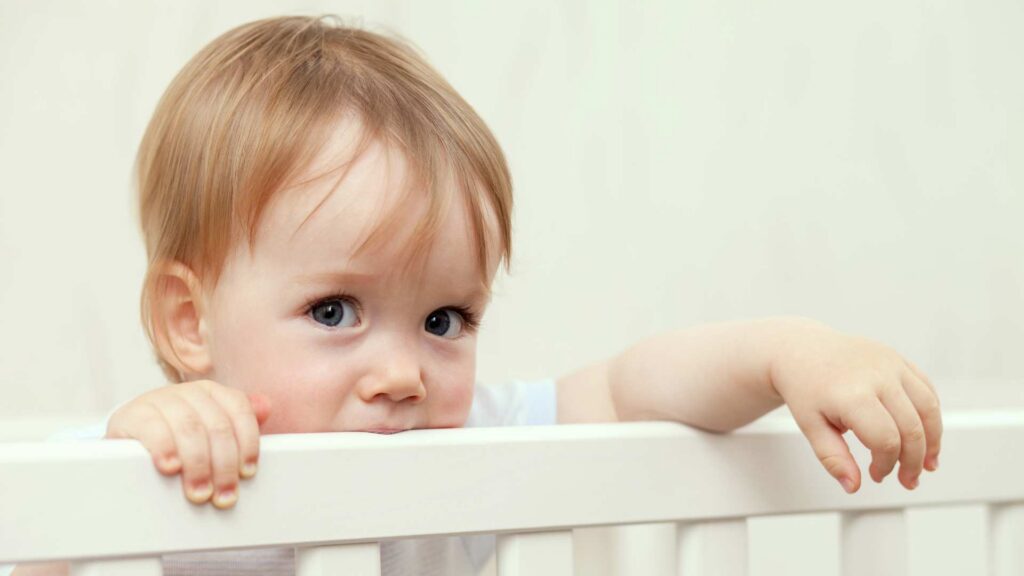
A baby standing in a crib in a calm indoor setting. The image is used to illustrate information about Signs of Autism at 12 Months

Table of Contents

What Are the Signs of Autism At 12 Months?

At 12 months, early signs of autism tend to appear as subtle differences in how a child communicates, interacts, and responds to their environment. Parents may notice limited eye contact, reduced response to their name, fewer gestures (like pointing or waving), or less interest in social interaction.

While these signs may not confirm an autism diagnosis on their own, they can signal the need for closer observation.

Watching your child grow during the first year of life can feel exciting and sometimes overwhelming. Around the 12-month mark, parents pay close attention to developmental milestones, especially communication and social behaviors.

You may find yourself comparing your child to others or wondering if certain behaviors are typical. Many families start noticing those small differences at this stage, especially when looking for early signs of autism in babies, and asking questions early can make a meaningful difference in the future.

Why 12 Months Is an Important Stage for Development

The first year of life is critical in when it comes to shaping how children connect with others and explore their surroundings. By 12 months, many toddlers begin to show clear signs of social communication and engagement.

According to the CDC’s developmental milestone guidelines, most children at this age start to respond to their name, use simple gestures, and engage more actively with the people around them.

At this stage, most children:

  • Turn when their name is called
  • Use gestures like pointing, waving, or reaching
  • Make eye contact and respond to facial expressions
  • Show interest in people, not just objects
  • Begin simple back-and-forth interactions, like babbling or smiling

These early skills form the foundation for language, relationships, and learning. When a child shows differences in several of these areas, it may be worth taking a closer look and wondering if they may be signs of autism at 12 months.

6 Early Signs of Autism at 12 Months
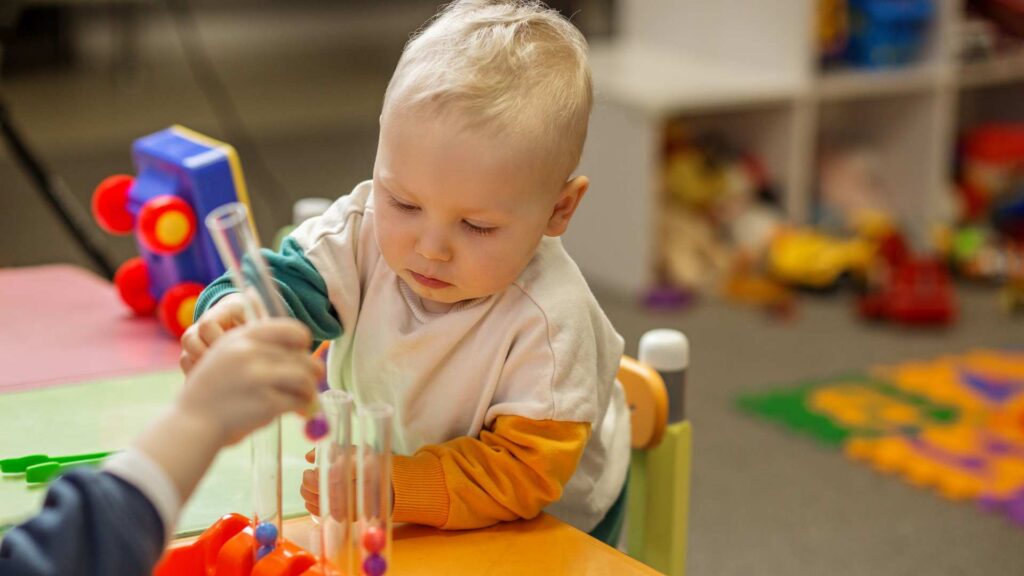
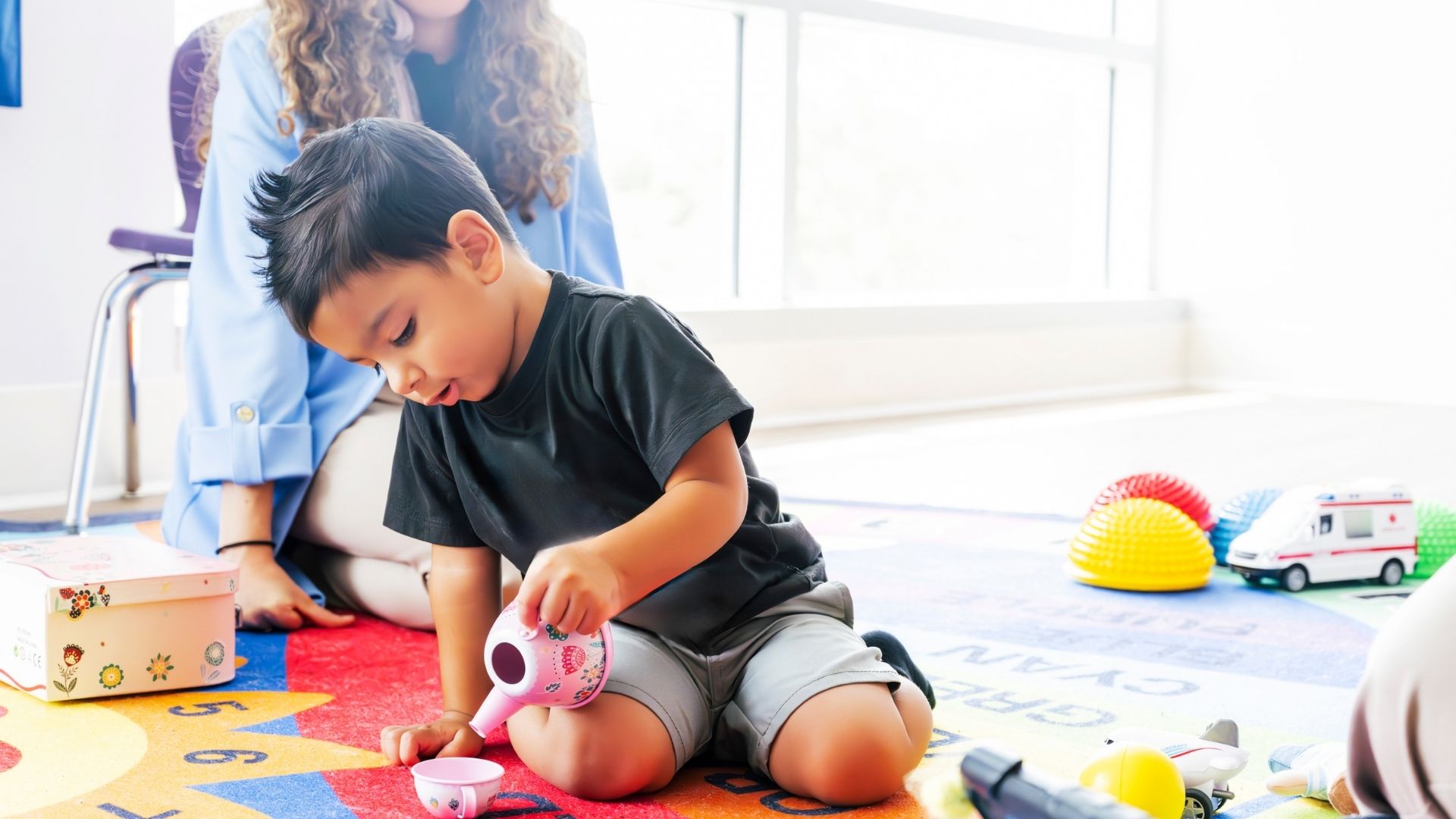
A toddler focused on toys in a playroom. Illustrating Signs of Autism at 12 Months, such as less interest in people

Every child develops at their own pace, but certain patterns at 12 months may indicate the need for evaluation. Parents researching autism signs often notice differences in communication and behavior.

According to the National Institute of Child Health and Human Development, early signs of autism often appear during the first year of life and typically involve differences in social interaction, communication, and behavior.

1. Limited Eye Contact and Social Engagement

Some children may make less eye contact or seem less interested in faces. You might notice your child focuses more on objects than people or doesn’t show interest in looking towards you during interactions.

2. Reduced Response to Their Name

By 12 months, most children respond consistently when their name is called. If your child rarely turns, even after multiple attempts, it may be worth observing over time.

3. Fewer Gestures and Nonverbal Communication

Gestures are one of the first ways children communicate. A child who does not point, wave, or reach to be picked up may be showing delays in communication development.

4. Limited Babbling or Vocal Interaction

At this age, many children babble frequently and try to imitate sounds. A noticeable lack of vocalization or minimal attempts to communicate through sounds can be one of the early signs of autism at 12 months.

5. Less Interest in Shared Attention

Shared attention happens when a child looks at something and then looks back at you to “share” the experience. For example, pointing at a toy and then looking at the parent. If your child does not attempt this type of interaction, it may indicate a difference in social development.

6. Unusual Focus or Repetitive Behaviors

Some children may show a strong interest in specific objects or repeat certain movements, such as spinning items or watching objects move in repetitive ways. Occasional repetition is typical, but consistent patterns may be worth noting.

If you’d like a quick visual reference on signs of autism, you can review this Autism Fact Sheet to better understand early signs, key facts, and how support can make a difference.

What Is Typical vs. What May Be a Concern?

Development is not always linear. Some children reach milestones earlier, while others take more time.

A single missed milestone does not necessarily indicate autism. However, patterns over time matter more than isolated behaviors.

You may want to take a closer look if your child:
  • Shows multiple signs consistently over time
  • Does not gain new communication or social skills
  • Seems less engaged with people compared to peers
  • Loses skills they previously had

Parents often have a strong instinct when something feels different. Paying attention to that feeling can help you guide your next steps.

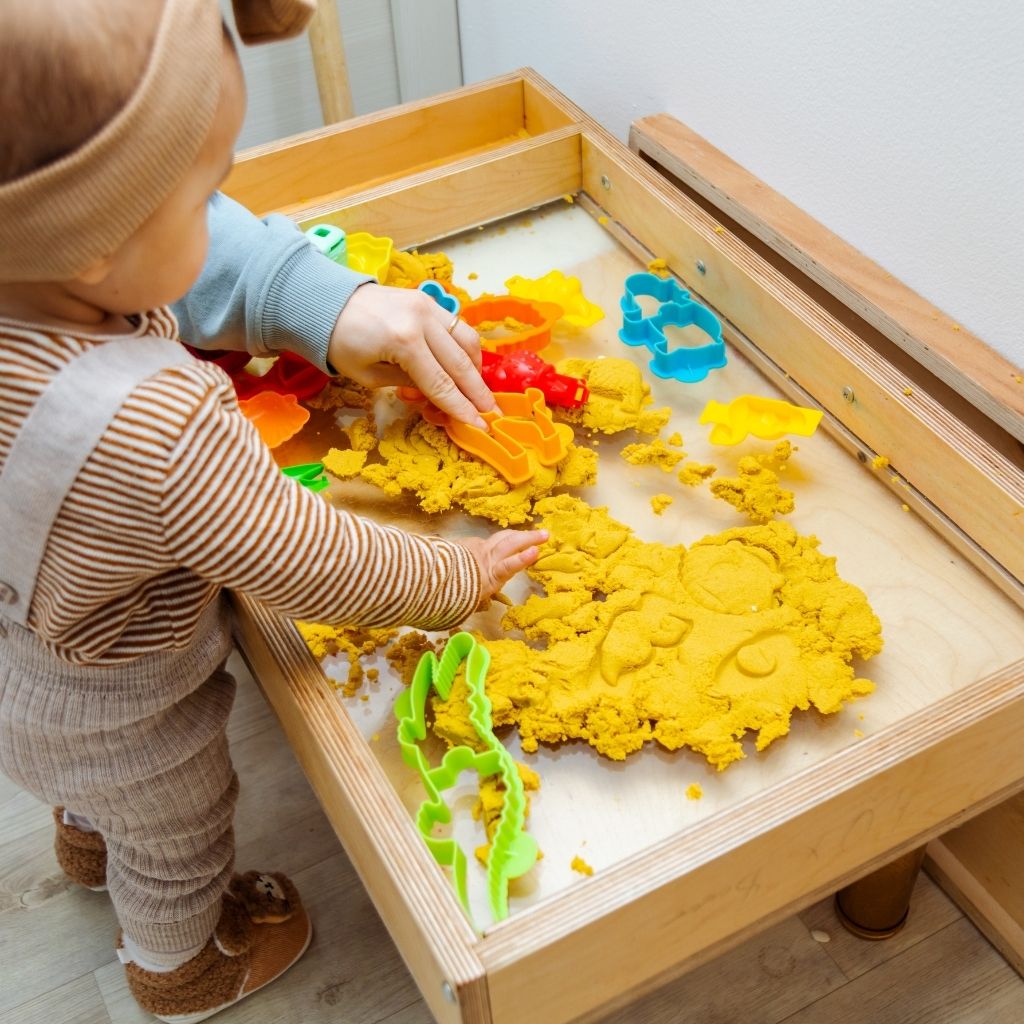
A small child playing quietly with a shape-sorting toy on a soft mat, designed to accompany content discussing signs of autism at 12 months old.

When Should Parents Take Action?

If you notice early signs of autism at 12 months, you don’t need to wait for a formal diagnosis to take action.

Many pediatricians encourage parents to bring up concerns early. Developmental screenings and evaluations can help determine whether your child may benefit from support.

Taking action early doesn’t mean something is wrong; it means you are being proactive about your child’s development. Early identification and intervention can improve outcomes in communication, learning, and social skills.

How Early Intervention Can Make a Difference

Early intervention focuses on helping children build foundational skills during a critical period of development. The first few years of life are especially important for learning and growth.

Recent research published in Frontiers in Psychiatry highlights that early, targeted support can improve communication, social interaction, and the general developmental outcomes in young children with autism.

For toddlers showing early signs, support may look like:

  • Encouraging communication through play
  • Strengthening social engagement
  • Helping children respond to their environment
  • Reducing frustration by teaching new ways to communicate

These strategies support development in a natural and structured way.

As children grow beyond the first year, these early patterns may become more noticeable. If you recognize the early signs of autism in babies, you’ll have the opportunity to act before challenges increase.

You Don’t Have to Figure Out the Signs of Autism at 12 Months Alone

Noticing differences in your child’s development can feel overwhelming. But many families go through this experience, and support is available.

Speaking with professionals can help you better understand what you’re seeing and what steps to take next. At ABA Centers of New Jersey, we work closely with families to provide guidance, answer questions, and support each child’s development. You can reach out to us by filling out our contact form or calling us at (855) 640-7888.

You don’t need all the answers right away; you just need a place to start.

If you’re noticing autism signs in your child at 12 months or simply want reassurance, reaching out for support can give you clarity and peace of mind.

ABA Centers of New Jersey is here to help your family navigate this stage with confidence, offering compassionate support and personalized care when it matters most.

Get Social With Us

Related Posts

Raising a Child with Autism Understanding the Challenges, Celebrating the Progress, and Finding Support

Raising a Child with Autism: Understanding the Challenges, Celebrating the Progress, and Finding Support

Learn how to raise a child with autism through practical strategies for communication, routines, independence, and autism parenting, while exploring how ABA therapy can support ...
Read More →
What to Expect After an Autism Diagnosis What Parents Often Wish They Knew

What to Expect After an Autism Diagnosis: What Parents Often Wish They Knew

If you're wondering what to expect after an autism diagnosis, you're not alone. Discover what many parents wish they had known when their child was ...
Read More →
ABA Provider for Toddlers How to Choose the Right Fit for Your Child

ABA Provider for Toddlers: How to Choose the Right Fit for Your Child

This guide explains how to choose an ABA provider for toddlers using a simple three-step framework, compares home- and center-based ABA therapy for young children, ...
Read More →
Play-Based ABA for Toddlers How Learning Through Play Supports Children with Autism

Play-Based ABA for Toddlers: How Learning Through Play Supports Children with Autism

What does ABA therapy look like for a toddler? Discover how play-based ABA uses fun, engaging activities to help children with autism develop communication, social, ...
Read More →
ABA Parent Training How Parents Participate in ABA Therapy and Support Their Child’s Success

ABA Parent Training: How Parents Participate in ABA Therapy and Support Their Child’s Success

Parents play a vital role in their child's success during ABA therapy. Learn how ABA parent training works, why parent involvement in ABA therapy matters, ...
Read More →
Autism and Language Development How ABA Therapy Helps Toddlers Communicate and Thrive

Autism and Language Development: How ABA Therapy Helps Toddlers Communicate and Thrive

Communication is one of the biggest concerns parents face after an autism diagnosis. Understanding autism and language development can help families make informed decisions about ...
Read More →
en_USEnglish
Scroll to Top