Having a Sibling with Autism: Supporting Children with Neurodiverse Brothers and Sisters

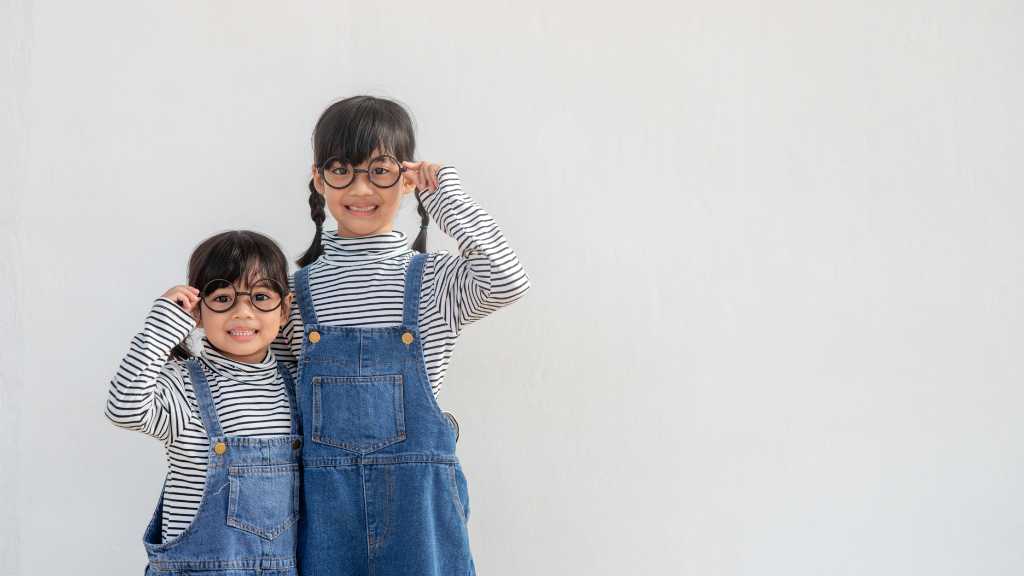
Two young siblings smiling together — supporting children with a sibling with autism.

Table of Contents

How does having a sibling with autism affect you?

Having a sibling with autism can shape a child’s world, sometimes in challenging and often in beautifully unexpected ways. Families navigating autism quickly discover that the experience doesn’t affect only the child receiving services; it touches everyone, especially the brothers and sisters growing up alongside them.

Many parents wonder, “How does having a sibling with autism affect you?” The answer varies widely. Some children become naturally empathetic and patient. Others experience confusion, jealousy, pressure, or even guilt. Most experience a mix of both positive and complex emotions, which is entirely normal. What matters most is giving siblings space, understanding, and tools to feel supported rather than overlooked.

This blog by ABA Centers of New Jersey explores what siblings may experience emotionally and socially, what the research says about developmental risks, and, most importantly, how parents and caregivers can strengthen family dynamics through meaningful sibling support, open communication, and access to services like early intervention and ABA therapy.

Understanding the Experience of Growing Up With a Sibling With Autism

According to Autism Speaks, siblings of children with autism often experience a blend of unique responsibilities and emotional growth, including compassion, resilience, and maturity. But they may also feel confused by meltdowns, disappointed by disrupted routines, or uncertain about how to connect with a brother or sister who communicates differently.

Sibling with autism

The National Autistic Society also highlights that siblings may feel embarrassed, protective, frustrated, or proud, sometimes all in the same day.

Parents often notice:

  • The sibling becomes a “little helper,” trying hard to ease daily challenges
  • The child may struggle when plans change due to therapies or sensory needs
  • They may feel as though they receive less attention, even when parents do their best to distribute it evenly
  • Some siblings worry about the future and their role in caregiving

Families are not alone in this. Countless households navigating autism share these experiences.

The Dynamics of Having a Sibling With Autism: What Research Reveals

Your sibling with autism shapes family rhythms, from communication patterns to how holidays, outings, or routines unfold. Current research confirms that the neurodiversity of one child can influence the development of others in unique ways.

Autism Siblings and Developmental Risk

A study from UC Davis found that siblings of children with autism have an estimated 20% likelihood of also being diagnosed with autism, a higher rate than previously assumed. This statistic doesn’t mean something is “wrong,” but it does mean parents and educators should pay attention to developmental markers and behaviors early on.

This data helps families:

  • Understand why early screening is valuable for all siblings
  • Recognize the genetic and environmental patterns at play
  • Normalize differences and reduce stigma within the household

Emotional and Social Impact

Children with a sibling with autism may develop:

  • Increased empathy and acceptance of differences
  • Strong advocacy instincts
  • A deep understanding of neurodiversity

But some may also face:

  • Stress from unpredictable behaviors
  • Difficulty inviting friends over
  • Worry about public outings or reactions from others

Acknowledging both sides doesn’t minimize the love between siblings; it honors the reality of their experience.

Autism Siblings: Common Challenges and How Parents Can Help

The term autism siblings refers to neurotypical children in a household with an autistic brother or sister. These children may shoulder emotional, social, or even practical responsibilities that feel heavier than what peers experience. But with support, they can thrive.
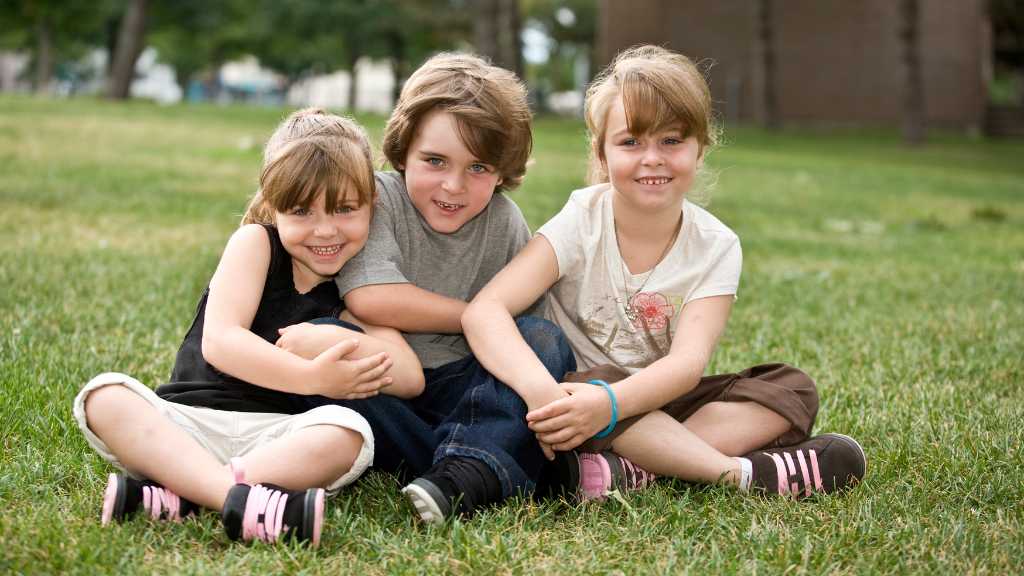
Three siblings sitting together on the grass — autism siblings facing challenges and supporting each other.

Challenge 1: Feeling Invisible or Overlooked

It’s common for siblings to interpret therapy appointments, safety concerns, or communication difficulties as signs that their needs matter less. Parents can counteract this by:

  • Setting aside “sibling-only” time
  • Giving their child a safe space to talk about feelings, even negative ones
  • Acknowledging openly when the household’s focus has shifted out of necessity

Challenge 2: Confusion About Autism

Younger children may not understand why their sibling behaves differently. They may ask:

  • “Why does he cover his ears?”
  • “Why doesn’t she talk to me?”
  • “Why does he get angry so fast?”

When parents explain autism using simple, honest language, siblings feel less confused and more empowered. Resources from ABA Centers of New Jersey provide child-friendly explanations that parents can use.

Challenge 3: Pressure to Be “the Easy One”

Many siblings strive to compensate for challenges within the home by avoiding conflict or taking on extra responsibility. Parents can help by reassuring them:

  • They don’t have to be perfect
  • Their feelings are valid
  • Their role is to be a sibling, not a co-parent

Sibling Support: Tools to Foster Connection and Stronger Family Dynamics

Meaningful sibling support doesn’t require dramatic changes. It’s about intentional, consistent actions that help the sibling feel valued, confident, and connected.
  1. Practice Open Communication

Invite siblings to share concerns or questions. A few helpful prompts:

  • “What’s the hardest part about your week?”
  • “What do you wish other people understood about your sibling?”
  • “What can I do to support you better?”

Communication turns confusion into clarity and resentment into connection.

Sibling with autism
  1. Encourage Shared Play in Small Steps

Siblings may want to play but feel unsure how to initiate a connection, especially if the sibling with autism has limited communication or sensory differences.

Start with activities that suit both children, such as:

  • Reading together
  • Water play
  • Parallel play (side-by-side activities)
  • Simple games like bubbles or blocks

Even brief interactions build familiarity and strengthen relationships.

  1. Teach Age-Appropriate Boundaries

Siblings benefit from learning:

  • They are allowed to have their own space
  • They can say no to play or interaction
  • They don’t have to share everything

These boundaries help both children feel safe and respected.

  1. Create Family Routines Where Everyone Has a Role

Simple rituals like Sunday breakfasts, nature walks, or movie nights help siblings feel included. Routines reduce resentment and increase family cohesion.

How ABA Therapy Supports Both the Child With Autism and the Sibling

ABA therapy is widely known for supporting children with autism in communication, behavior regulation, sensory skills, and daily living. But what many families don’t realize is how much ABA also improves family dynamics, including sibling relationships.

ABA Helps Reduce Household Stress

When a child learns emotional regulation, communication tools, or play skills through ABA therapy, siblings often experience:

  • Fewer meltdowns
  • More predictable routines
  • Better ways to interact and play
  • Decreased tension during shared family activities

ABA Gives Siblings a Blueprint for Connection

Board Certified Behavior Analysts (BCBAs) often show parents and siblings strategies such as:

  • Using visual supports
  • Modeling clear communication
  • Reinforcing positive interactions
  • Understanding sensory needs

When siblings understand these tools, they feel more confident and less frustrated.

Early Intervention Benefits Everyone

Early intervention supports the autistic child’s development during critical growth periods, but it also helps siblings:

  • Understand autism from an early age
  • Engage meaningfully during play
  • Reduce friction during daily routines
  • Build a relationship based on mutual understanding rather than confusion

In many homes, early intervention and ABA therapy are what make harmony, and not just coexistence, possible.

Celebrating the Strengths of Autism Siblings

Children who grow up with a sibling with autism often develop remarkable qualities, including:

  • Adaptability
  • Empathy
  • Creative communication
  • Patience
  • Resilience
  • A deep appreciation for neurodiversity

These strengths follow them into adulthood and enrich their relationships, emotional intelligence, and worldview.

Recognizing and celebrating these qualities reinforces their self-esteem and validates their essential role in the family.

Building a Supportive Home for Every Child

Having a sibling with autism is a journey that is full of love, learning, and complexity. Siblings need space to grow, express themselves, and feel valued, not overshadowed. Through open communication, thoughtful routines, and support structures like ABA therapy and early intervention, families can create a nurturing, balanced environment where every child thrives.

If you are looking for guidance, emotional support, diagnostic testing, or autism services for your family, ABA Centers of New Jersey is here to help. 

Reach out today by calling us at (855) 640-7888 or connecting online to learn how we can support your entire family, including the siblings who walk this journey with so much strength and heart.

Get Social With Us

Related Posts

Student sitting on the ground with knees pulled close and headphones on, capturing a moment of overwhelm related to autism and mental health

Autism and Mental Health: Understanding Emotional Well-Being Across the Spectrum

Learn how autism and mental health intersect, common emotional challenges, and how to support emotional well-being in children with ASD.
Read More →
Child with autism sleeping in a calm bedroom, representing autism and sleep disturbance and common sleep disorders.

Autism and Sleep Disturbance: Understanding the Challenges and Finding Real Solutions

Sleep challenges are one of the most exhausting and overlooked parts of raising a child with autism. In this blog, we explore why sleep problems ...
Read More →
Navigating the Holidays with Autism 11 Essential Tips

Navigating the Holidays with Autism: 11 Essential Tips

This guide from ABA Centers of New Jersey aims to provide practical tips for managing the intersection of autism and Christmas. With the right approach, ...
Read More →
Understanding Level 1 autism and daily social communication differences. .Child playing with hand puppets

Explaining Level 1 Autism: A Compassionate Guide for Families

Level 1 autism is often misunderstood, especially when compared to outdated terms like Asperger’s. This guide breaks down what Level 1 truly means, how it ...
Read More →
Parent buckling a smiling child into a car seat, illustrating car seat sensory issues in autism and supportive travel strategies.

Car Seat Sensory Issues in Autism: A Supportive Guide for Parents and Caregivers

This blog breaks down why this happens and how to make every ride calmer with simple, autism-friendly strategies.
Read More →
Family enjoying Thanksgiving dinner together, representing an autism-friendly holiday filled with connection and joy.

Holidays with Autism: 5 Ways of Creating A Joyful Thanksgiving

In this article by ABA Centers of New Jersey, we’ll explore practical strategies for celebrating holidays with autism, from making an autism-friendly holiday plan to ...
Read More →
en_USEnglish
Scroll to Top