Autism and Sleep Disturbance: Understanding the Challenges and Finding Real Solutions

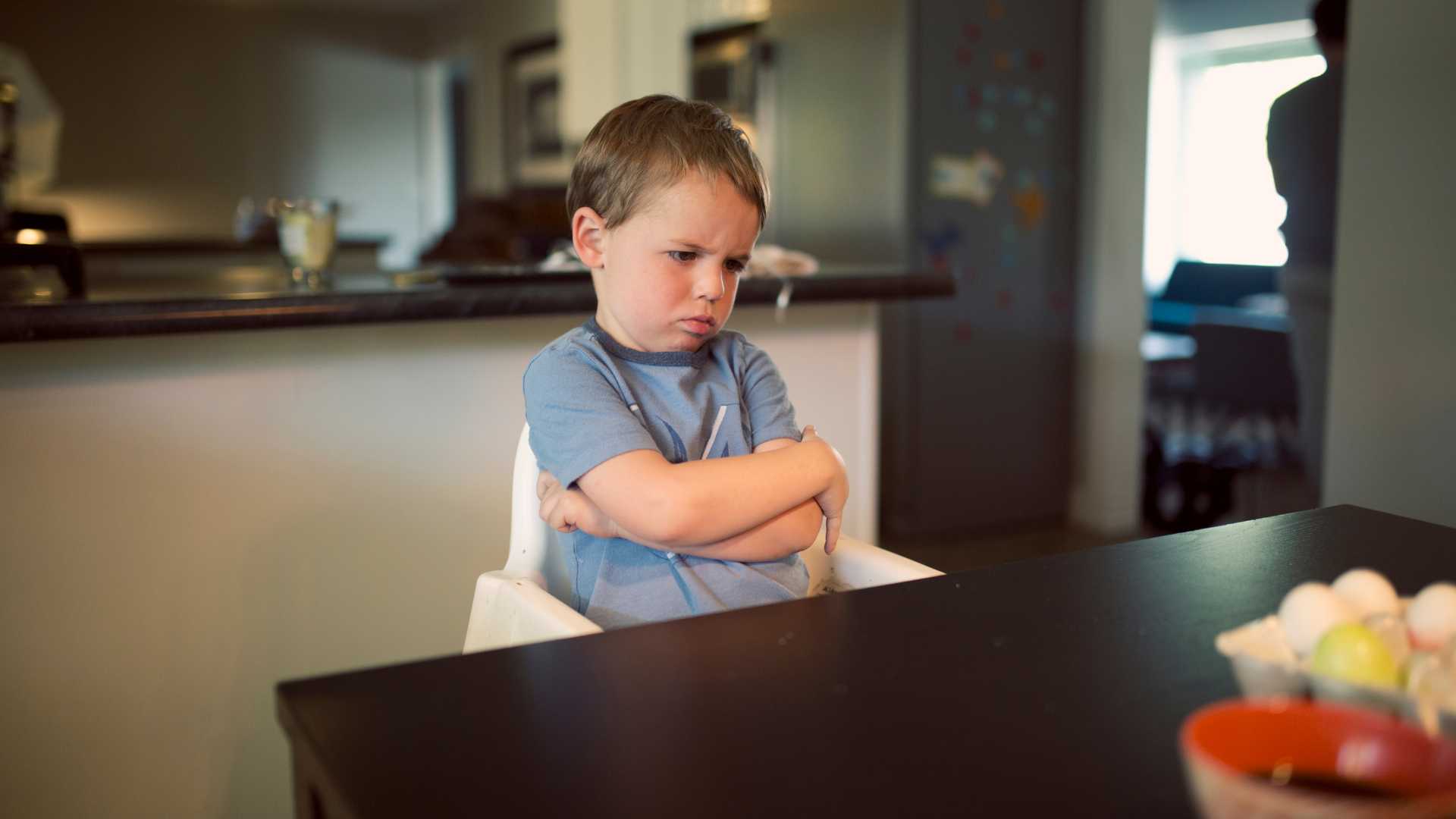
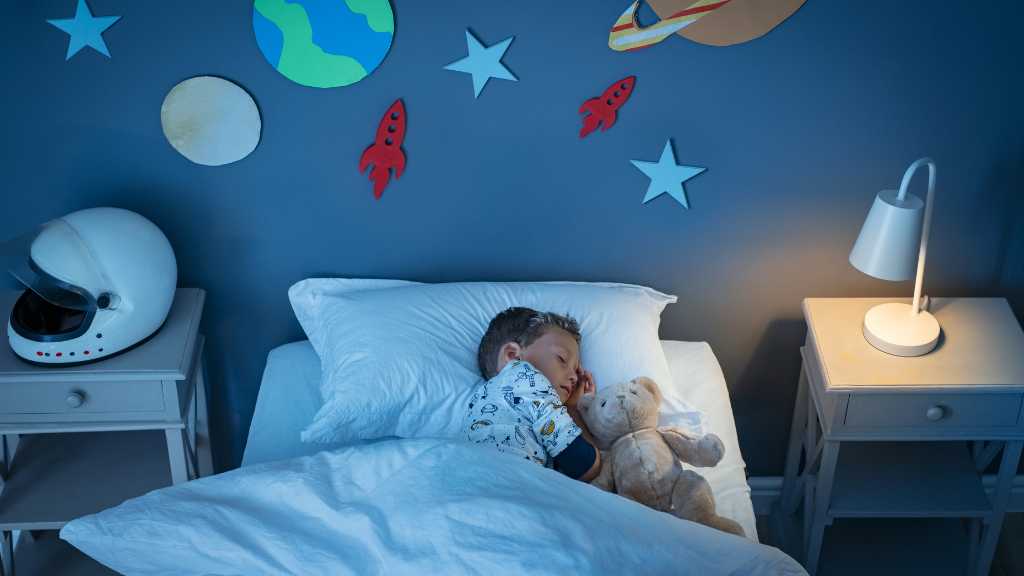
Child with autism sleeping in a calm bedroom, representing autism and sleep disturbance and common sleep disorders.

Table of Contents

How can I help my Child with Autism Sleep Better?

Autism and sleep disturbance are common and exhausting concerns families raise after an autism spectrum disorder (ASD) diagnosis. If you are a parent lying awake at night listening for footsteps, comforting a child who cannot settle, or wondering why bedtime feels like a daily battle, you are far from alone.

Many caregivers eventually ask the same question: “How can I help my child with autism sleep better?”

The honest answer is that there is no single solution, but there are explanations, strategies, and supports that can make a meaningful difference. Understanding why sleep difficulties are so common in autism is the first step toward improving rest for both children and their families.

This blog by ABA Centers of New Jersey explores what research tells us about autism and sleep disturbance, including why it happens, how it affects behavior and development, and what practical steps families can take to improve sleep over time.

Why Autism and Sleep Disturbance Are So Closely Linked

Research by the Journal of Autism and Developmental Disorders consistently shows that sleep problems affect a significant majority of children and adolescents with autism, with prevalence estimates ranging from 50% to over 80%. Autism and sleep disturbance are not side issues; they are core challenges that can shape daily functioning, emotional regulation, and family well-being.

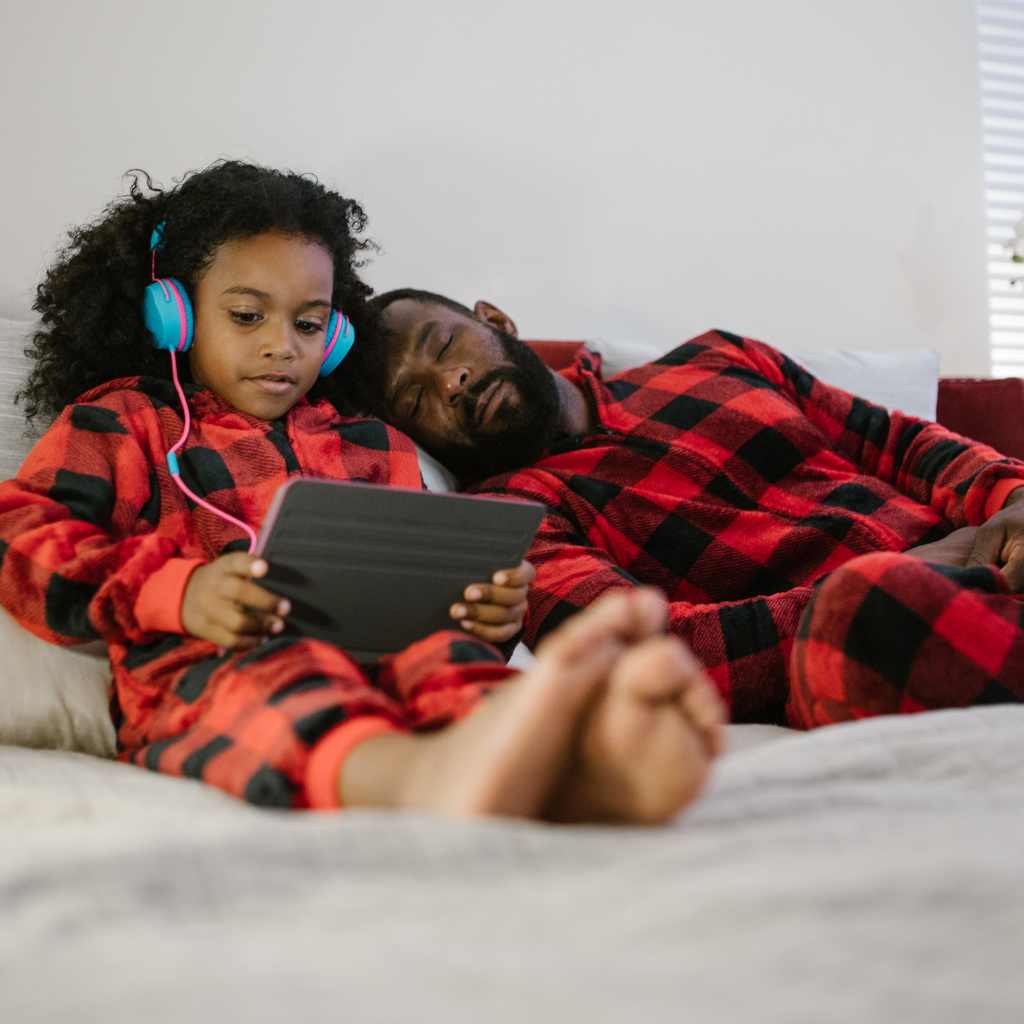
Child with autism using a tablet at bedtime while resting with a parent, illustrating autism and sleep disturbance.

Several factors contribute to this strong connection:

  • Differences in circadian rhythm and melatonin production
  • Heightened sensory sensitivity to light, sound, or touch
  • Anxiety and difficulty transitioning between activities
  • Communication challenges that make it hard to express discomfort
  • Co-occurring medical conditions, including gastrointestinal issues and epilepsy

Studies show that these biological and behavioral factors often interact, making sleep disruptions persistent rather than temporary.

Common Autism and Sleep Disorders Families Encounter

When discussing autism and sleep disorders, it is essential to recognize that sleep challenges take many forms. Some children struggle to fall asleep, while others wake frequently throughout the night or rise very early in the morning.

The most common autism and sleep disorders identified in clinical and research settings include:

  • Insomnia, including delayed sleep onset and frequent nighttime awakenings
  • Circadian rhythm disorders, where sleep–wake cycles are misaligned
  • Parasomnias, such as night terrors or sleepwalking
  • Restless sleep, often linked to sensory discomfort or anxiety

Systematic reviews confirm that autism and sleep disorders are strongly associated with increased daytime irritability, attention difficulties, and emotional dysregulation.

The Overlooked Role of Autism and Sleep Apnea

One area receiving growing attention is autism and sleep apnea. Obstructive sleep apnea occurs when breathing repeatedly stops and starts during sleep, leading to fragmented rest and reduced oxygen levels.

Children on the autism spectrum may be more likely to experience sleep apnea due to:

  • Low muscle tone affecting airway stability
  • Enlarged tonsils or adenoids
  • Craniofacial differences
  • Limited ability to report symptoms like choking or gasping

According to studies published in the Journal of Clinical Sleep Medicine, untreated sleep apnea can worsen attention, behavior, and learning challenges in autistic children. Recent clinical reviews emphasize that autism and sleep apnea often go undiagnosed because symptoms may be mistaken for behavioral issues rather than sleep-related concerns.

How Sleep Disturbance Affects Behavior and Development

The impact of autism and sleep disturbance extends far beyond bedtime. Research consistently links poor sleep with increased behavioral challenges, including aggression, self-injury, hyperactivity, and emotional reactivity.

A large systematic review found that children experiencing chronic sleep problems showed:

  • Reduced emotional regulation
  • Greater difficulty with attention and learning
  • Increased repetitive behaviors
  • Higher levels of family stress

In other words, sleep is not a “secondary” issue; it directly influences how children with autism engage with the world during the day.

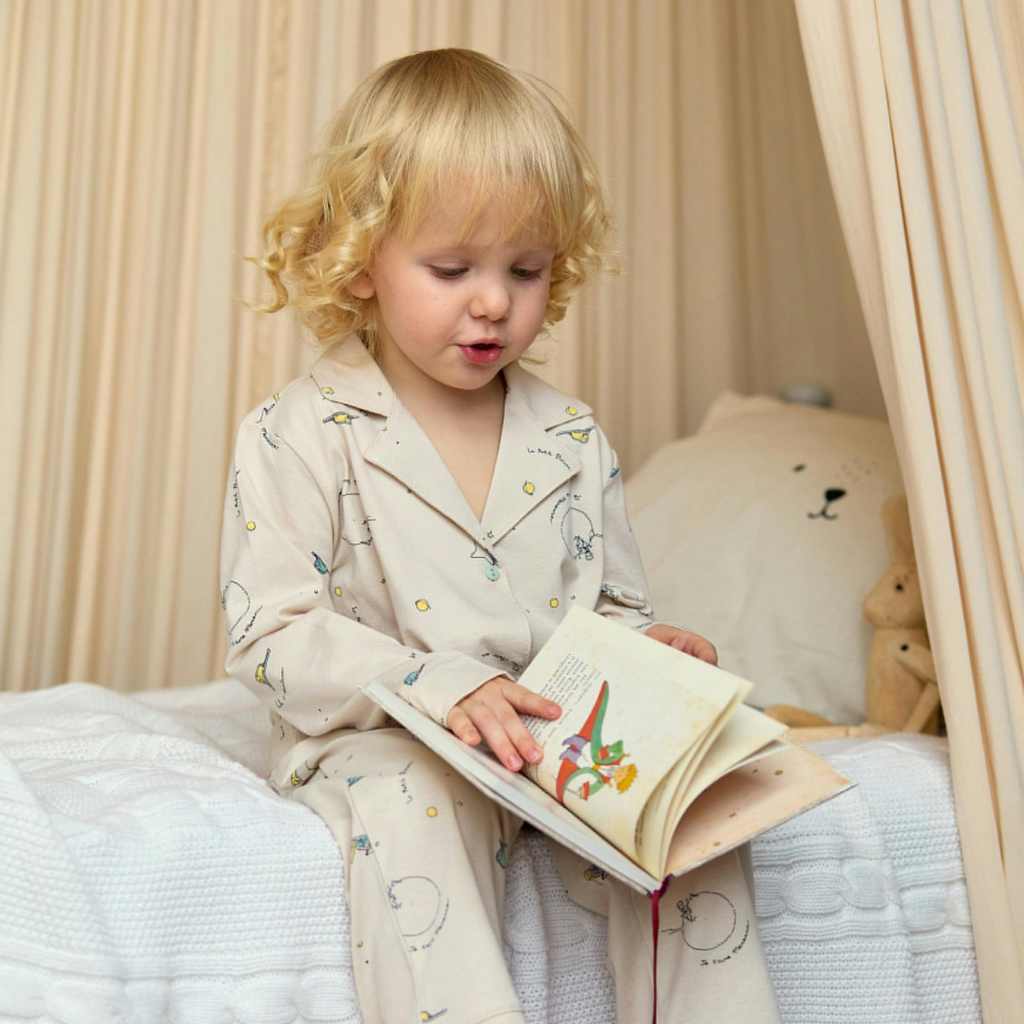
Child with autism sleeping beside parents, illustrating how sleep disturbance affects behavior and development.

Practical Strategies to Address Autism and Sleep Disorders

While there is no universal solution, research supports several practical approaches to managing autism and sleep disorders more effectively.

  1. Consistent routines

Predictable bedtime routines help signal the brain that sleep is coming. Visual schedules, calming activities, and consistent timing can be constructive for children on the spectrum.

  1. Sensory-aware sleep environments

Adjust lighting, temperature, bedding textures, and noise levels to meet your child’s sensory needs. Even small changes can reduce nighttime arousal.

  1. Behavioral sleep interventions

Experts often recommend behavior-based approaches as first-line treatments before medication. These focus on gradual changes, reinforcement, and consistency.

  1. Medical screening

If sleep issues persist, screening for conditions such as gastrointestinal discomfort, autism, and sleep apnea is essential.

Where ABA Therapy Fits into Sleep Support

Applied Behavior Analysis (ABA) therapy can play a valuable role in addressing autism and sleep disturbance, particularly when sleep challenges are rooted in behavior, anxiety, or difficulty with transitions.
ABA professionals may help by:

  • Identifying patterns that interfere with sleep
  • Building bedtime routines step by step
  • Reducing bedtime resistance through positive reinforcement
  • Supporting parents with individualized sleep plans

Research shows that structured behavioral interventions can significantly improve sleep onset and duration when consistently applied.

Supporting the Whole Family, Not Just Sleep

It is vital to recognize the emotional toll that chronic sleep disruption takes on families. Parents often experience fatigue, stress, and feelings of helplessness when sleep problems persist despite their best efforts.

The literature emphasizes that addressing autism and sleep disturbance is not just about improving nights; it is about enhancing the quality of life for the entire household.

A Path Forward for Families Facing Autism and Sleep Disturbance

Sleep challenges in autism are real, complex, and deeply personal, but they are also manageable with the proper support. Understanding autism and sleep disorders, recognizing warning signs of autism and sleep apnea, and using evidence-based strategies can create meaningful improvements over time.

If you are navigating sleep challenges with your child, you do not have to do it alone. ABA Centers of New Jersey offers comprehensive support services, including diagnostic testing, early intervention, and personalized ABA therapy. Learn more about autism support services in Woodstown, Trenton, Paterson, and various parts of New Jersey by calling us at (855) 640-7888 or connecting with our team online.

Improving sleep is not about perfection; it is about progress, patience, and partnership. With the proper guidance, better nights are possible, and the benefits can ripple into every part of daily life.

Get Social With Us

Related Posts

World Autism Awareness Day and Historical Advocacy Triumphs

World Autism Awareness Day and Historical Advocacy Triumphs

World Autism Awareness Day promotes acceptance, inclusion, and support for people with autism. Discover its meaning and how to make a real impact.
Read More →
Child using a sensory ball as a coping skill in ABA therapy to help manage anxiety and overwhelming emotions.

Coping Skills in ABA: Helping Children with Autism Navigate Big Emotions

Learn how coping skills in ABA therapy help children with autism manage anxiety, frustration, and overwhelming situations with practical strategies and support
Read More →
Athletes celebrating victory showing inspiration for athletes with autism in competitive sports

Athletes with Autism: Breaking Stereotypes and Showing What Focus Can Do

Many athletes with autism have turned focus, routine, and passion into strengths in sports. Learn how sports for children with autism support social skills, confidence, ...
Read More →
A happy child laughing, supporting a message about recognizing autism in girls

Autism in Girls: Why It Often Looks Different and Why Many Go Undiagnosed

Autism in girls often presents differently than in boys, leading many girls to go undiagnosed. This blog explains the signs of autism in girls and ...
Read More →
Children smiling and celebrating together during a Sensory-Friendly Valentine’s Day, showing inclusive Valentine’s Day activities designed to support joyful and comfortable Valentine’s Day celebrations.

9 Sensory-Friendly Valentine’s Day Ideas for Kids with Autism

Valentine’s Day can be a fun and meaningful holiday for many families. It’s often filled with cards, candy, classroom parties, and lots of excitement. But ...
Read More →
Child sitting on the floor playing with an autistic Barbie doll

Autistic Barbie: Inclusive Play That Supports Autism Representation and Acceptance

Autistic Barbie is changing how autism is represented through inclusive play. She’s a symbol of autism representation, acceptance, and diversity.
Read More →
en_USEnglish
Scroll to Top