Having a Sibling with Autism: Challenges, Strengths, and Family Support

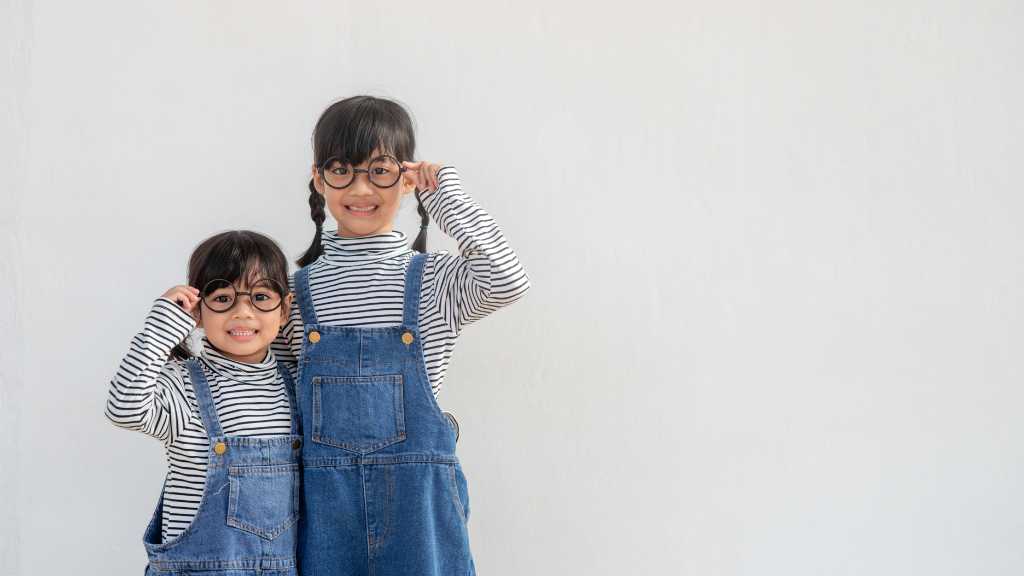
Dos hermanos pequeños sonríen juntos: apoyo a los niños con un hermano autista.

Tabla de contenido

How Does Having a Sibling with Autism Affect a Child?

Having a sibling with autism can shape a child’s world, sometimes in challenging and often in beautifully unexpected ways. Families navigating autism quickly discover that the experience doesn’t affect only the child receiving services; it touches everyone, especially the brothers and sisters growing up alongside them.

Many parents wonder, “How does having a sibling with autism affect my other child?” The answer varies widely. Some children describe greater empathy or acceptance, while others experience stress, resentment, worry, or a combination of reactions. Many experience a mix of both positive and complex emotions. These responses can be understandable. Persistent distress or changes in functioning may require additional support. What matters most is giving siblings space, understanding, and tools to feel supported, not overlooked.

Este blog de ABA Centers of New Jersey explores what siblings may experience emotionally and socially, what research says about developmental considerations, and how parents and caregivers can strengthen family relationships through meaningful sibling support, open communication, and access to services like early intervention and ABA therapy. If you want to learn more or need personalized guidance, reach out to us here.

Understanding the Experience of Having a Sibling with Autism

Growing up with a sibling with autism can involve unique responsibilities, emotional experiences, and opportunities for connection. Some children become protective of their siblings; others may feel frustrated by changes in routine or unsure how to interact with a brother or sister who communicates differently.

In a personal account published by Autism Speaks, one woman describes the mixture of love, responsibility, pressure, and personal growth she experienced growing up with her brother with autism.

She recalls feeling pressure to excel in school and other activities, worrying about how others perceived her brother, and sometimes feeling that his needs came before her own.

At the same time, she describes their strong bond and how their relationship helped shape her understanding of patience, acceptance, and family. Her story highlights how having a sibling with autism can bring complex emotions alongside meaningful experiences and connections.

sibling with autism

El National Autistic Society also highlights that siblings may experience feelings of embarrassment, protectiveness, frustration, or pride, sometimes all in the same day.

Los padres suelen notar lo siguiente:

  • The child becomes a “little helper,” trying to ease daily challenges
  • The sibling may feel disappointed when family plans change because of therapy schedules or sensory needs
  • Children may feel they receive less attention, even when parents try to distribute it evenly
  • Some siblings worry about the future and whether they will have caregiving responsibilities

These experiences are not unique to autism. Families navigating having a sibling with special needs may recognize similar emotions and questions about their roles within the household.

Autism and Siblings: What Does Research Say About Family Dynamics?

La relación entre el autism and siblings can shape family rhythms, communication patterns, and the ways children connect with one another. Research has also explored developmental characteristics among siblings of children with autism, alongside the emotional and social experiences that can accompany growing up together.

Developmental Considerations for Children with Siblings with Autism

A 2024 study reported by UC Davis Health found that approximately 20% of younger siblings of children with autism were also diagnosed with autism. This finding highlights the importance of monitoring developmental milestones and seeking professional guidance when parents notice differences or have concerns.

This data can help families:

  • Entender por qué la detección temprana may be valuable for all siblings
  • Recognize that autism can occur in more than one child within a family
  • Normalizar las diferencias y reducir el estigma dentro del hogar

Emotional and Social Impact of Siblings and Autism

Los niños que tienen un hermano con autismo pueden desarrollar:

  • Mayor empatía y aceptación de las diferencias
  • Fuertes instintos para alzar la voz y defender a otros
  • A deeper understanding of neurodiversity

But some may also experience:

  • Stress related to unpredictable behaviors
  • Dificultad para invitar amigos a casa
  • Preocupaciones por las salidas públicas o las reacciones de los demás

Acknowledging both sides doesn’t minimize the love between siblings; it honors the reality of their experiences.

What Challenges Can Children Face When They Have a Sibling with Autism?

Having a sibling with special needs can sometimes involve emotional, social, or practical responsibilities that feel different from those experienced by peers. But with the appropriate support and understanding, they can thrive.
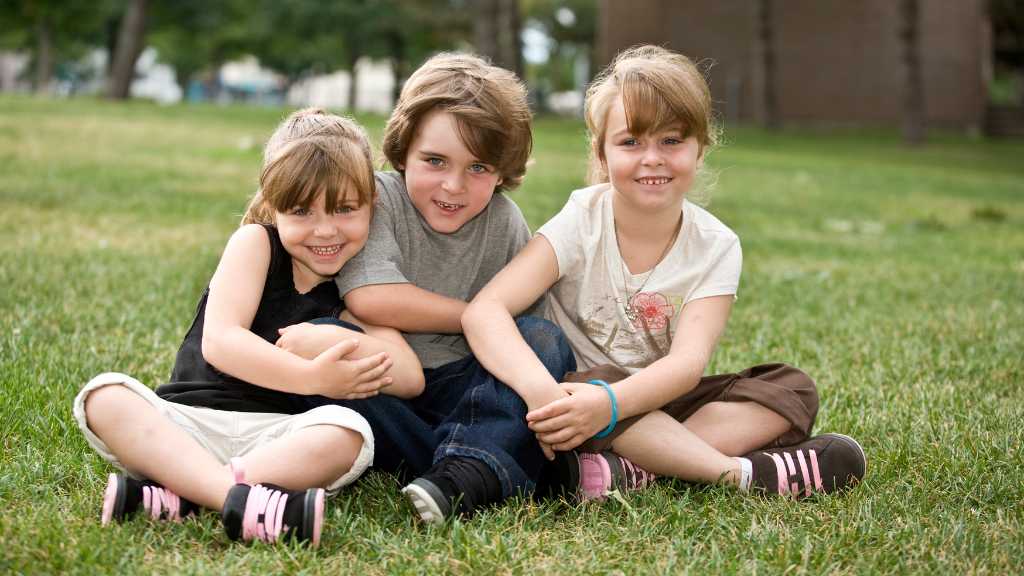
Three siblings sitting together on the grass — autism siblings facing challenges and supporting each other.

1. Feeling Invisible or Overlooked

Siblings often interpret therapy appointments, safety concerns, or communication differences as signs that their needs matter less. Parents can counteract this by:

  • Reservar tiempo "solo entre hermanos"
  • Ofrecer a su hijo un espacio seguro para hablar de sus sentimientos, incluso de los negativos
  • Reconocer abiertamente cuando el foco del hogar ha cambiado por alguna necesidad

2. Feeling Confused About Autism

Los niños más pequeños pueden no entender por qué su hermano se comporta diferente. Es posible que pregunten:

  • "¿Por qué se tapa los oídos?"
  • "¿Por qué no me habla?"
  • "¿Por qué se enfada tan rápido?"

When parents explain autism using simple, honest, and child-friendly language, siblings can better understand their brother’s or sister’s experiences.

3. Feeling Pressure to Be the “Easy One”

Some siblings strive to compensate for challenges within the home by avoiding conflict or taking on extra responsibility. Parents can help by reassuring them:

  • They don’t have to be perfect
  • Sus sentimientos son válidos
  • Su rol es ser hermanos, no asumir responsabilidades de padres

How Can Parents Support Children Who Have a Sibling with Autism?

Supporting children who have a sibling with autism doesn’t require dramatic changes. It’s about intentional, consistent actions that help each child feel valued, confident, and connected.
1. Practice Open Communication

Invita a los hermanos a compartir dudas o preguntas. Algunas preguntas útiles para hacerles:

  • "¿Cuál es la parte más difícil de tu semana?"
  • "¿Qué te gustaría que los demás entendieran sobre tu hermano?"
  • "¿Qué puedo hacer para apoyarte mejor?"

Communication creates opportunities for understanding and connection.

sibling with autism

2. Encourage Shared Play in Small Steps

Siblings may want to play but feel unsure how to initiate a connection, especially if their brother or sister with autism has different communication preferences or sensory needs.

Empieza con actividades que se adapten a ambos niños, como:

  • Leer juntos
  • Juegos con agua
  • Juego paralelo (actividades uno al lado del otro)
  • Juegos sencillos, como burbujas o bloques

Even brief interactions can build familiarity and strengthen relationships.

3. Teach Age-Appropriate Boundaries

Los hermanos se benefician de este aprendizaje cuando:

  • They can have their own space
  • Pueden decir que no a jugar o a interactuar
  • They don’t have to share everything

Estos límites ayudan a que ambos niños se sientan seguros y respetados.

4. Create Family Routines Where Everyone Has a Role

Simple rituals like Sunday breakfasts, nature walks, or movie nights help siblings feel included. Shared routines can provide opportunities for connection while giving every family member a meaningful role.

How Can ABA Therapy Support Sibling Relationships?
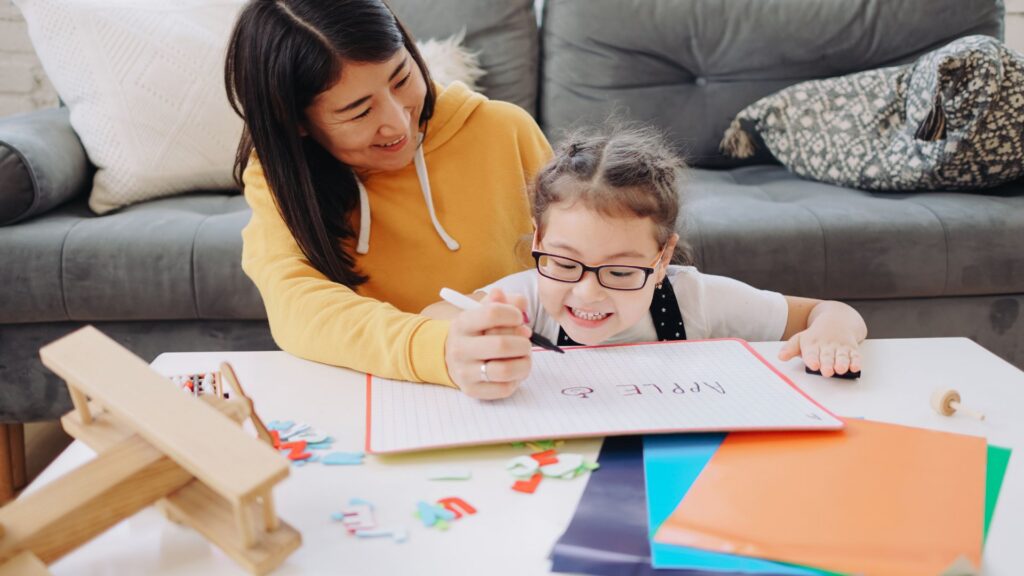
Parent helping a child learn with visual materials at home

terapia ABA can help children with autism develop communication, emotional regulation, and daily living skills. As children learn ways to express their needs and participate in everyday activities, families may also notice positive changes in shared routines and sibling interactions.

Although ABA therapy primarily focuses on the individual receiving services, some of the skills developed through treatment may indirectly benefit family relationships.

Supporting Communication and Reducing Household Stress

When a child develops communication, emotional regulation, or play skills through ABA therapy, families may experience:

  • More effective ways to communicate needs
  • Rutinas más predecibles
  • Better ways for siblings to interact and play
  • Less tension during shared family activities

Helping Siblings Connect Through Shared Strategies

Board Certified Behavior Analysts (BCBAs) may help parents and caregivers understand strategies such as:

  • Uso de soportes visuales
  • Modelado de comunicación clara
  • Refuerzo de interacciones positivas
  • Comprensión de las necesidades sensoriales

When appropriate, families can share age-appropriate strategies with siblings to help them better understand and communicate with one another.
Recognizing the Strengths of Children with a Sibling with Autism

Growing up with a sibling with autism can offer opportunities to develop qualities such as:

  • Adaptabilidad
  • Empatía
  • Comunicación creativa
  • Paciencia
  • Resiliencia
  • Appreciation for neurodiversity

These strengths are not automatic outcomes of having a sibling with autism, and every child develops differently.

Recognizing and celebrating each child’s individual qualities can reinforce their self-esteem and remind them that their experiences and contributions matter within the family.

Supporting Every Child with ABA Centers of New Jersey

Having a sibling with autism can involve close connection, conflict, learning, uncertainty, and changing needs over time. Siblings need space to grow, express themselves, and feel valued. Through open communication, thoughtful routines, and appropriate support, families can create an environment where every child feels included and understood.

En ABA Centers of New Jersey, we provide autism diagnostic evaluations, individualized ABA therapy, and early intervention services to support children with autism and their families. Our team works with parents and caregivers to develop meaningful goals that reflect each child’s needs.

If you’re looking for guidance about autism services for your family, we’re here to help.

Llámanos al (855) 640-7888 o connect with us online to learn more about our services and how we can support your family.

Socialícese con nosotros

Entradas relacionadas

Comportamientos Repetitivos en el Autismo: Comprendiendo, Manejando y Apoyando a Tu Hijo

Explore repetitive behaviors in autism, common examples, why they happen, when they may need support, and how ABA can address harmful behaviors.
Leer más →
Medical professional explaining Autism Diagnosis in Teens

Autism Diagnosis in Teens: Signs, Assessments, and Support

An autism diagnosis in teens can help families better understand developmental differences that may have gone unrecognized earlier. Learn about signs of autism during adolescence, ...
Leer más →
Autism support groups: a toddler in green pajamas smiling and holding a teddy bear.

Grupos de Apoyo Para el Autismo en Nueva Jersey: Una Guía Completa

Finding a supportive community can make a meaningful difference for children with autism and their families. Explore autism support groups in New Jersey, learn how ...
Leer más →
10 Deportes Amigables con Autismo: Descubre los Beneficios de Estos Deportes Inclusivos

Autism-Friendly Sports for Kids: How to Choose the Right One

Finding the right sport for a child with autism means considering their interests, abilities, sensory preferences, and comfort with different environments. Explore 10 autism-friendly sports, ...
Leer más →
Child experiencing autism masking by hiding natural behaviors in social situations, representing autism social camouflaging

El Enmascaramiento del Autismo: Comprendiendo las Dificultades Ocultas Tras el Camuflaje Social

Autism masking can include suppressing stimming, rehearsing conversations, forcing eye contact, or imitating others to fit social expectations. Learn what masking in autism means, what ...
Leer más →
Anger in children with autism

La Ira en Niños con Autismo: Causas, Desencadenantes y Soluciones con ABA

In this ABA Centers of New Jersey blog, we will explore the main factors that trigger anger in children with autism, how it relates to ...
Leer más →
es_ESEspañol
Scroll al inicio