
How Does Social Development Look Like in Everyday Life?
The best way to understand social development in toddlers is to observe real interactions in everyday life, rather than relying only on checklists. It’s important that you observe:
1. How Your Child Connects with You
Your toddler may bring you a toy, look at you after doing something interesting, or stay close in unfamiliar situations. These small interactions reflect early connection and trust.
2. How Your Child Reacts to Other Children
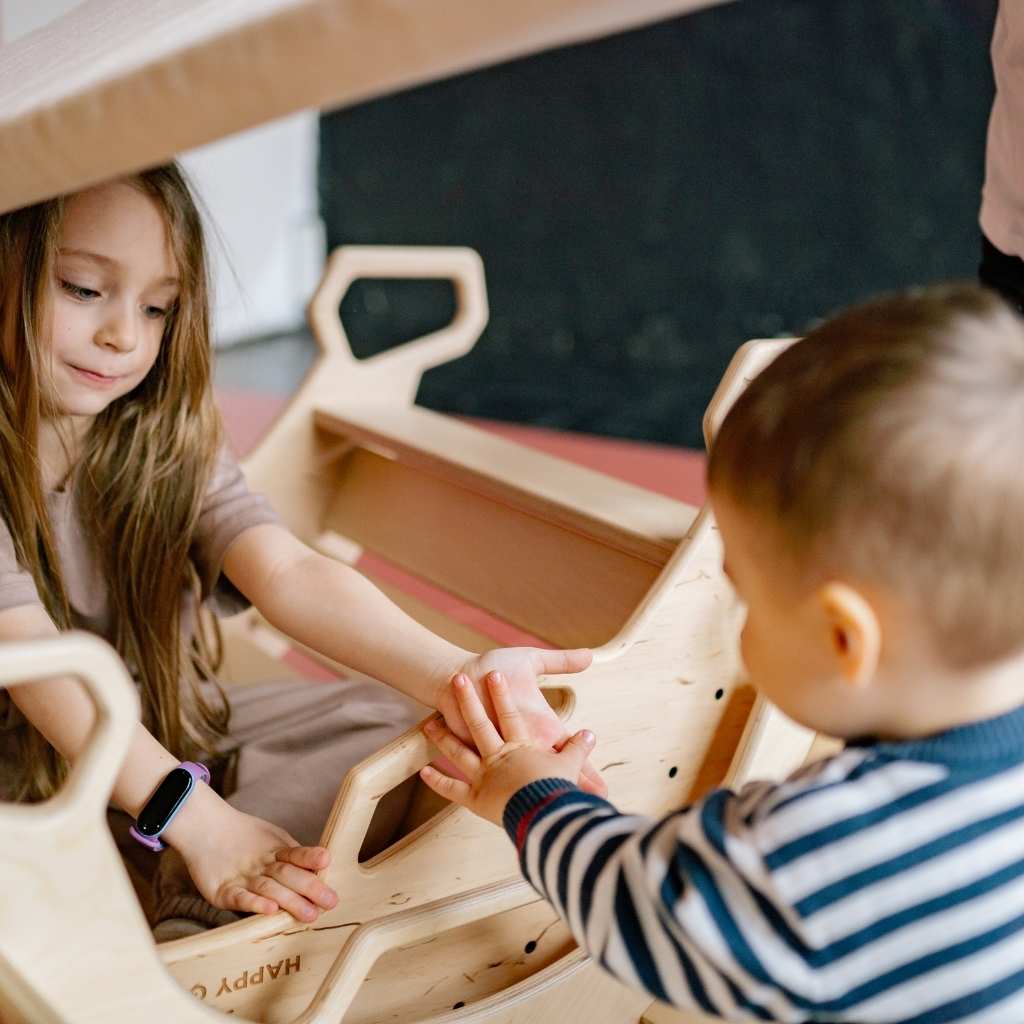
At this age, many toddlers are still learning how to engage socially with peers. Instead of having direct interaction, they often explore social environments in simpler ways. They may:
- Watch other children
- Copy actions
- Move in and out of shared spaces
These patterns show that social engagement is developing, even if it doesn’t yet look like direct play.
3. How Your Child Shares Attention
Your child may:
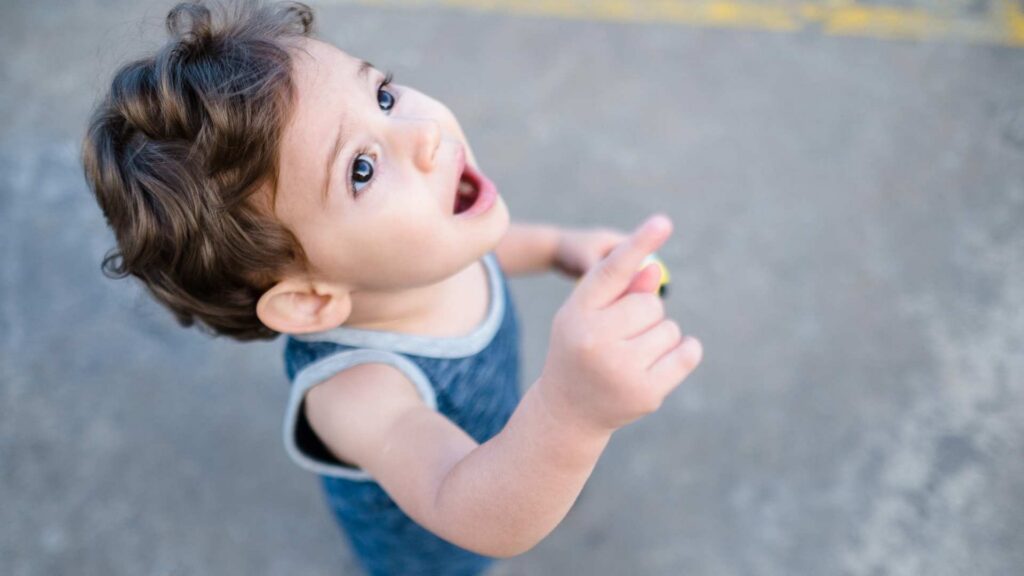
- Point to objects
- Show you something they find interesting
- Look between you and an object
These behaviors are often described as joint attention, a key part of early social development. Studies show that joint attention plays a foundational role in how children learn to share experiences and build communication skills.
Even though these actions seem small, they are important building blocks for later social interaction.
4. How Your Child Expresses Emotions Socially
To express their emotions, toddlers may:
- Seek comfort when upset
- Show excitement or frustration
- React to others’ emotions
These early emotional responses are part of how children begin to understand and connect with others.
Is It Normal for a 2-Year-Old to Ignore Other Kids?
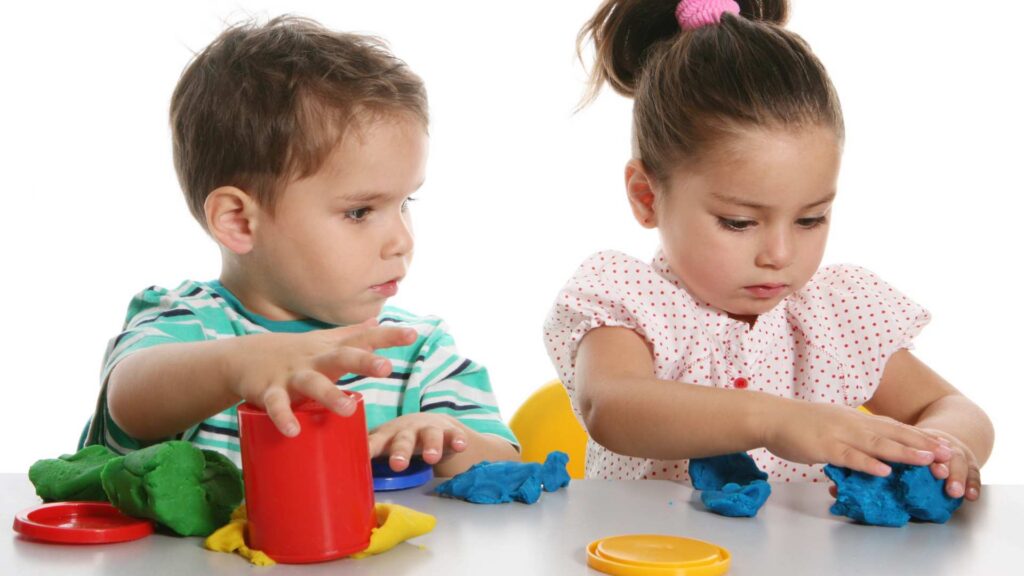
This is one of the most common concerns parents have, and the answer is yes, it can be a completely typical behavior for this age. A 2-year-old may:
- Play independently in group settings
- Watch other children without joining
- Prefer adults over peers
- Move away from interaction
At this stage, toddlers are still learning how to engage socially. As mentioned before, early peer interaction begins with observation and gradual participation, rather than immediate engagement. This is a normal part of social development in toddlers.
What If My 2-Year-Old Is Not Interacting with Others?
If your child’s 2-year-old social skills seem different from what you expected, it helps to look at patterns rather than isolated moments. These are some of the questions you may consider:
- Do they connect with familiar adults?
- Do they show interest in people or activities?
- Do they attempt to communicate in some way?
- Do they warm up after observing?
Some toddlers need more time and repeated exposure to feel comfortable engaging socially with other toddlers their age. Differences in timing are common and even expected within social development milestones.
What’s Still Completely Normal During Social Development
5 Strategies to Support 2-Year-Old Social Skills at Home
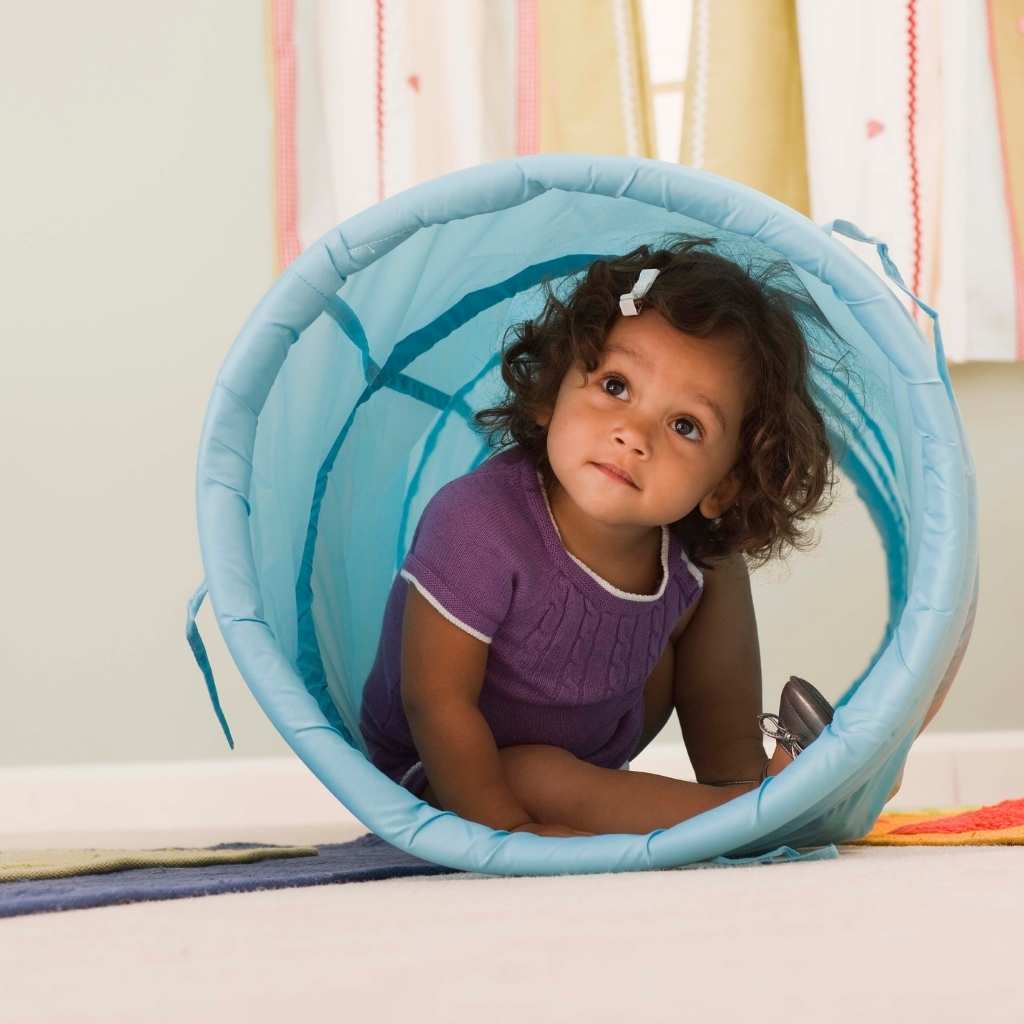
You can support 2-year-old social skills through simple, everyday interactions.
The American Academy of Pediatrics highlights that play is one of the most important ways young children build social, emotional, and communication skills, especially when caregivers are actively engaged.
Here are some ways to support your child:
Model Social Behavior
Demonstrate simple actions like taking turns, sharing attention, and responding to others.
Narrate Social Moments
Use simple language to describe what’s happening:
- “They are playing with the blocks”
- “You shared your toy with me”
Create Low-Pressure Opportunities
Let your child be around other children without forcing interaction.
Join Their Play First
Help them build connections before encouraging peer interaction.
Encourage Shared Attention
Point things out, show objects, and respond when your child does the same.
These everyday moments help your child learn how to connect with others over time.
Observe Social Patterns and Help Your Child Grow Socially with ABA Centers of New Jersey
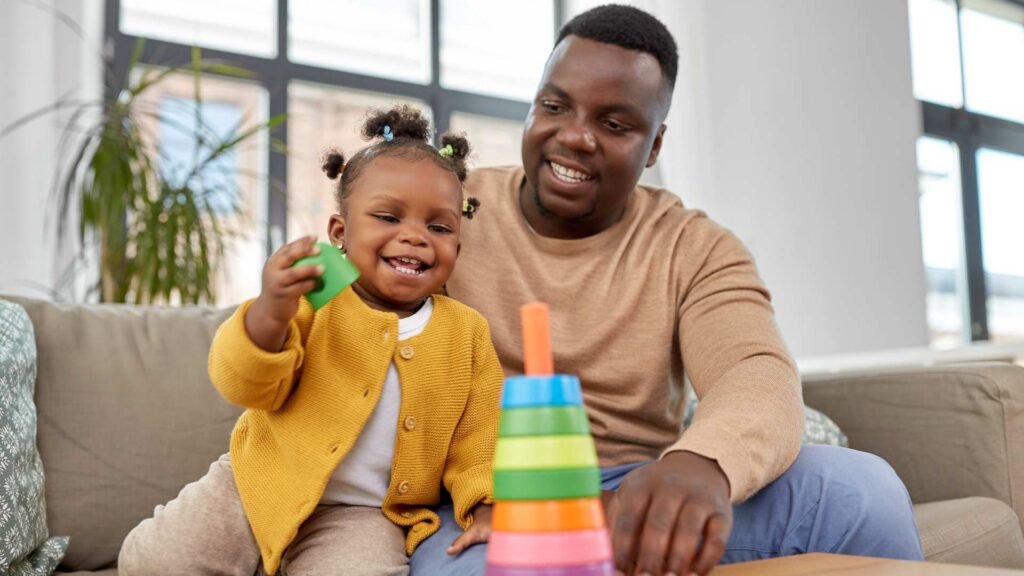
Most differences in social development milestones reflect normal variation. However, patterns over time can provide important insight.
You may want to observe more closely if your child:
- Rarely seeks interaction with others
- Shows limited interest in shared experiences
- Has difficulty connecting across multiple settings
- Does not engage even with familiar people
What matters most is consistency across environments and noticing growth over time, not a single behavior in isolation. Some children engage quickly, while others take time to observe and adjust, both patterns can fall within the range of typical social development in toddlers.
If you have concerns or simply want reassurance, our team at ABA Centers of New Jersey, we can help you better understand your child’s development and guide you toward the next step with confidence.
Reach out to us by filling out our contact form, or by calling us at (855) 640-7888. You can find us in Edison, Hackensack, Bridgewater, Hoboken, Laurel Township, Freehold, and Monmouth Junction in New Jersey.

 English
  Español