


Table of Contents
You’re in the middle of a normal day and suddenly a small change or some discomfort, that seems minor at first, triggers it: your child cries, screams, or collapses on the floor, and nothing you say seems to help. It can feel overwhelming, confusing, and sometimes even a little alarming.
If you’re dealing with 2-year-old meltdowns, this blog of ABA Centers of New Jersey is here to bring you clarity. This is one of the most common challenges parents face at this age; the good news is that these moments are often a normal part of development.
Understanding why meltdowns happen can make them easier to respond to and less stressful for both you and your child.
3 Reasons Why 2-Year-Old Meltdowns Are So Common
At age two, your child is going through rapid emotional and developmental changes. They’re learning how to express themselves, manage frustration, and navigate a world that often feels overwhelming.
StatPearls notes that these intense emotional reactions are especially common between ages 2 and 3, as children begin to develop independence and emotional awareness.
Several factors contribute to 2-year-old meltdowns:
- Big emotions, limited control: Toddlers feel emotions intensely, but they don’t yet have the ability to regulate them.
- Developing communication skills: Even if your child is learning to talk, they may not have the words to express what they need or feel. Research shows that toddlers with fewer words may experience more frequent or intense tantrums. This suggests that limited expressive language can contribute to frustration while trying to communicate.
- Brain development: The part of the brain responsible for self-regulation is still developing. During this stage, children rely on their caregivers to help regulate their emotions before they can manage these responses independently.
These are the reasons why meltdowns are not about “bad behavior”; they’re about feelings of overwhelm.
Meltdown vs Tantrum: Why the Difference Matters
Understanding the difference between a meltdown vs tantrum can completely change how you respond.
A meltdown happens when a child becomes emotionally overloaded and can no longer cope with what they’re feeling.
During 2-year-old meltdowns, your child may:
- Cry intensely
- Scream or shout
- Throw themselves on the floor
- Push away comfort or interaction
In these moments, your child isn’t choosing to behave this way. Their brain is overwhelmed, and they don’t yet have the skills to calm themselves down.
A tantrum is usually goal-driven. It happens when a child wants something and doesn’t get it. In many cases, the behavior may stop if the situation changes.
Common Triggers Behind 2-Year-Old Meltdowns
Meltdowns rarely come out of nowhere. They’re often triggered by something that feels overwhelming to your child.
Some of the most common triggers are:
- Fatigue or hunger
- Too much noise or activity
- Changes in routine or transitions
- Frustration from not being understood
Sometimes, what seems small to you can feel like too much for your child all at once.
How Sensory Experiences Can Lead to Overwhelm
Some 2-year-old meltdowns are connected to sensory overload.
For example:
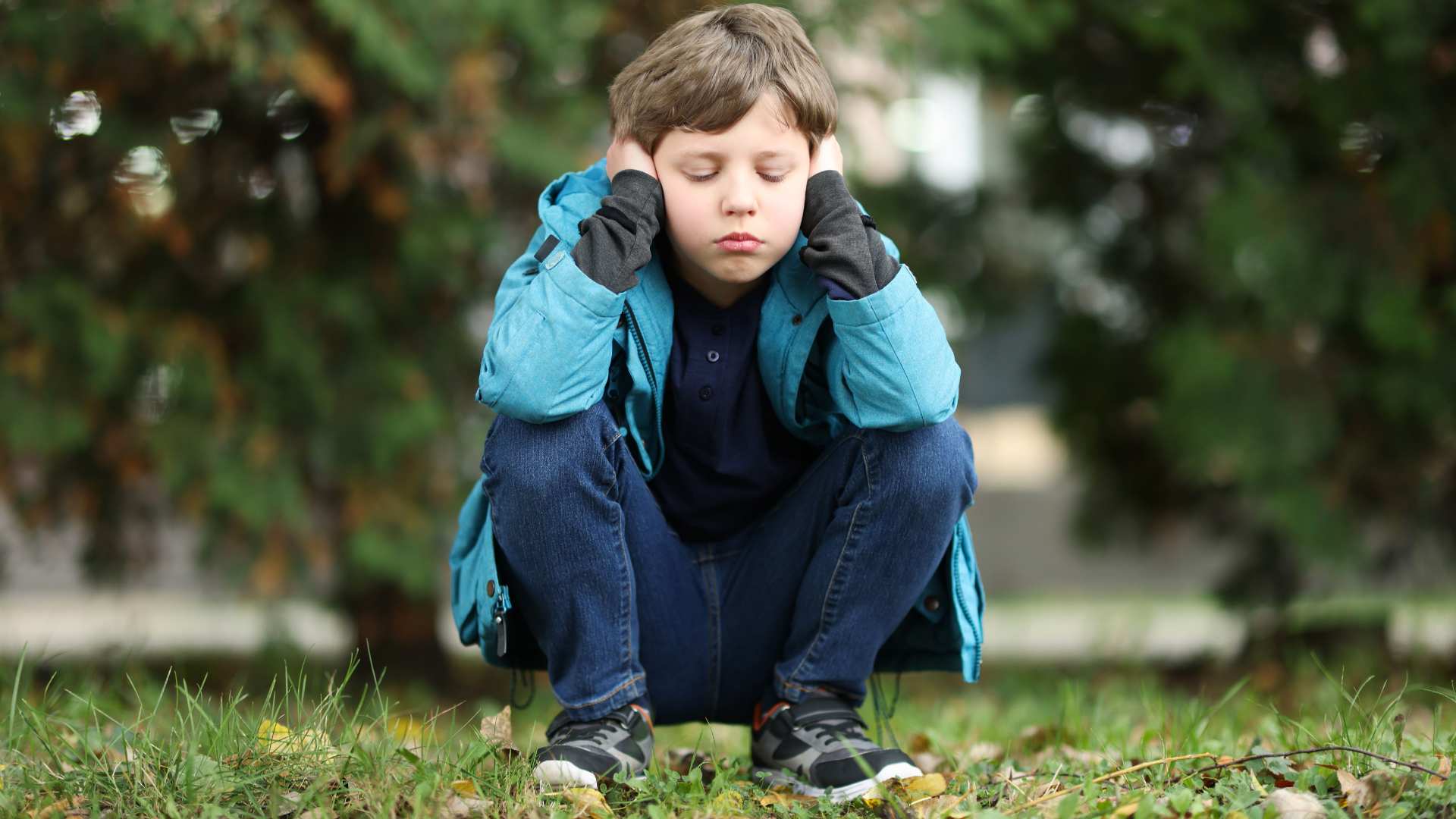
- Loud sounds → distress → covering ears or crying
- Busy environments → overstimulation → shutdown
- Uncomfortable textures → frustration → refusal
For some children, emotional responses are closely linked to the sensory input they perceive from the environment. Research suggests that differences in sensory processing can contribute to difficulties with emotional regulation, which may increase the likelihood of strong behavioral reactions when a child becomes overwhelmed.
This doesn’t necessarily mean something is wrong; it often just means your child is still learning to process their environment.
When Meltdowns Start to Feel Different
Most 2-year-old meltdowns are a normal part of development, but it’s important to observe patterns over time, as they can provide helpful insight as behaviors progress and your child grows.
You may want to take a closer look at meltdowns if they:
- Happen very frequently or intensely
- Last longer than expected
- Are difficult for your child to recover from
- Interfere with everyday activities
Clinical guidance from the American Academy of Pediatrics emphasizes that when behavioral patterns are unusually frequent or intense, or interfere with daily functioning, further evaluation may be helpful in better understanding a child’s developmental needs.
How Meltdowns Can Relate to Developmental Differences
Meltdowns can sometimes be part of broader developmental differences, but they are not a sign on their own.
Some children who experience autistic meltdowns may become overwhelmed more easily due to differences in communication, sensory processing, or emotional regulation. In these cases, sensory input and emotional responses may interact in ways that increase the likelihood of overwhelm.
However, many toddlers have meltdowns without any underlying condition.
When meltdowns are connected to autism, they usually appear alongside other patterns, such as:
- Differences in communication
- Limited social interaction
- Repetitive behaviors
How You Can Help Your Child in the Middle of a Meltdown

When your child is in the middle of a meltdown, your role shifts from correcting behavior to helping them feel safe.
During early childhood, children rely on caregivers to help regulate their emotional world, a process often described as co-regulation. These are some helpful steps you can follow:
- Stay calm – Your child needs a steady, reassuring presence.
- Reduce stimulation – Move to a quieter space if possible.
- Offer comfort (if accepted) – Some children want closeness, others need space.
- Avoid reasoning in the moment – Your child may not be able to process language right now.
- Focus on safety first – Let the moment pass while keeping your child safe.
Ways to Reduce Meltdowns Over Time
You can’t prevent every meltdown, but you can reduce how often they happen. You can try these strategies:
- Keep consistent routines
- Prepare your child for transitions
- Watch for early signs of overwhelm
- Support their communication (words, gestures, choices)
- Allow breaks when needed
Over time, consistent support helps children build their own emotional regulation skills.
When It Might Be Time to Ask for Extra Support with ABA Centers of New Jersey
Meltdowns can feel overwhelming, but they’re often part of how children learn to manage big emotions. If your child’s 2-year-old meltdowns feel frequent, intense, or difficult to manage, it’s okay to ask for guidance.
You can start by:
- Tracking patterns and triggers
- Observing how your child responds in different situations
- Talking with your pediatrician
- Reaching out to our team to ask for guidance through this process
Seeking support isn’t about labeling, it’s about understanding your child’s needs and finding helpful strategies. These moments are not just challenges; they’re part of their learning process.
With time, support, and consistent responses, most children begin to handle these situations with more control and confidence.
If you have concerns about meltdowns related to autism or have questions about your child’s behavior, our team at ABA Centers of New Jersey can guide you toward the next step with confidence. You can reach out via our contact form or call (855) 640-7888 to learn more.