

Table of Contents
What Is Level 1 Autism? A Modern Understanding
Level 1 autism represents the mildest support category within the current diagnostic system. The DSM-5 outlines three autism levels, based entirely on the amount of support a person with autism needs in two areas:
- Social communication
- Restricted or repetitive behaviors
The Journal of Autism and Developmental Disorders shows that these levels offer a better, more respectful alternative to outdated labels such as “high-functioning” or “low-functioning.”
Those labels oversimplify autism and ignore the internal experience of individuals with autism, who may outwardly appear to cope while internally experiencing strain, sensory overload, or emotional burnout.
Where Level 1 Autism Fits into the Spectrum
People with Level 1 autism typically:
- Have age-appropriate or advanced language abilities
- Perform well academically or occupationally
- Mask or camouflage struggles in social situations
- Need support to navigate social cues, transitions, or sensory sensitivities
- Experience rigid thinking patterns or difficulty with changes in routine
The Iranian Journal of Child Neurology stresses that an autistic person’s “level” does not equate to intelligence or capability. In fact, clinicians have deemed the use of IQ as a predictor of someone’s support needs “clinically inadequate” because individuals often exhibit uneven strengths across areas such as executive function, sensory processing, emotional regulation, and social interpretation.
These signs are especially true for individuals at autism level 1, who may appear outwardly independent yet struggle internally with cognitive load, anxiety, social misunderstanding, or exhaustion caused by masking.
7 Early Signs of Level 1 Autism Parents Often Miss
1. Difficulty with Social Reciprocity
2. Inflexibility with Routines and Transitions
3. Intense, Narrow Interests (Hyperfocus)
4. Heightened Sensitivity to Sensory Input
5. Challenges with Indirect Communication and Implied Meaning
6. Executive Function Struggles
7. Masking or “Camouflaging” Behaviors (Especially in Girls and Teens)
What Level 1 Autism Looks Like in Different Ages

What Level 1 Autism Looks Like in Toddlers (Ages 1-3)
In toddlerhood, Level 1 autism may look like:
- Delayed or unusual speech patterns – Your toddler might have fewer words than expected, or they might speak in an unusual rhythm or pitch
- Difficulty with joint attention – They may not point things out to share your attention or respond to their name consistently
- Preference for solitary play – Unlike peers, they may ignore other children and prefer parallel play or solo activities
- Sensory sensitivities – Strong reactions to textures (clothing tags, certain foods), sounds, or lights
- Repetitive movements – Lining up toys, spinning objects, hand flapping, or repeating sounds
- Difficulty with transitions – Intense distress when moving from one activity to another, even expected transitions
Many parents describe toddlers with Level 1 autism as “independent” or “content to play alone,” but early evaluation during this window—ages 18-36 months—can identify needs and allow for interventions that significantly improve outcomes.
What Level 1 Autism Looks Like in School-Age Children (Ages 4-11)
As children enter school, Level 1 autism often becomes more visible and challenging:
- Social difficulties with peers – Trouble making friends, misreading social cues, or being seen as “odd” or “too intense” by classmates
- Academic excellence alongside behavioral challenges – Your child may excel in certain subjects (especially those aligned with their interests) while struggling with flexibility, attention to non-preferred tasks, or working in groups
- School anxiety and shutdown – Holding it together at school but coming home overwhelmed, anxious, or emotionally dysregulated
- Rigid thinking – Difficulty with changes to classroom routines, rules that don’t make sense to them, or assignments that require flexible thinking
What Level 1 Autism Looks Like in Teens and Adolescents (Ages 12-18)
Adolescence brings new challenges for teens with Level 1 autism, including:
- Social isolation or peer conflict – Difficulty navigating complex social hierarchies, friendships, and romantic relationships. Teens may feel profoundly alone despite being around peers
- Anxiety and depression – The effort of masking, combined with unmet support needs and social struggles, often leads to anxiety disorders and depression in adolescence
- Identity confusion – Many teens with Level 1 autism are diagnosed later in adolescence, after years of wondering why they felt “different”
- Academic burnout – Despite potential for academic success, many teens burn out from the cognitive and emotional effort of school, especially if support needs aren’t met
- Intense interests and hyperfocus – Positive outlet, but can sometimes interfere with school/social balance if not guided
Why Autism Levels Matter, and Where They Fall Short
The autism levels introduced in the DSM-5 are practical tools for clinicians to describe the level of support an individual needs at the time of evaluation. However, these levels are not without limitations and often fail to capture the full complexity of an individual’s experiences and needs. Research by Texas Woman’s University shows that for individuals with autism level 1, observable behaviors often do not reflect their actual internal struggles.
For example, a 2023 study found that people at this level often hide their symptoms so well that standard tools don’t show their true support needs.
This diagnostic challenge is prevalent in:
- Individuals assigned female at birth
- Adults diagnosed with autism later in life
- Individuals with strong language and cognitive skills
- People who mask as a survival strategy
Understanding Social and Cognitive Traits in Level 1 Autism
Level 1 autism often includes challenges related to theory of mind, emotional reciprocity, or the interpretation of social cues. Autism research using neuroimaging and targeted stimulation of brain regions shows that individuals with autism process social information differently, not incorrectly, just differently.
Common experiences include:
- Difficulty decoding tone, sarcasm, or implicit rules
- Needing extra time to process social information
- Feeling overwhelmed in group conversations
- Relying on routines for emotional stability
- Sensory overload in loud or unpredictable environments
- Hyperfocus or intense interests, often bringing joy and expertise
These characteristics are not deficits; they are differences. And understanding them allows families to better support their loved ones with autism.
A Spectrum Within the Spectrum: What Research Reveals About Subgroups
Modern science has moved beyond the idea of autism as a single, linear spectrum. Data-driven research published by Princeton University suggests autism may contain multiple subgroups based on common traits, co-occurring conditions, and genetic patterns.
These subgroups include:
- Social and Behavioral Challenges: often resembling Level 1 autism
- Mixed ASD with Developmental Delay
- Moderate Challenges
- Broadly Affected profiles
These findings do not reinstate the old “types” of autism, but they do help explain why two people with Level 1 autism can have very different experiences.
What To Do Now: Action Steps for Parents
Step 1: Document and Observe
- Social interactions and peer relationships
- Sensory sensitivities and reactions
- Rigid behaviors, routines, or special interests
- Communication patterns and difficulties
- When and where these behaviors appear (school, home, social settings)
Step 2: Schedule a Professional Evaluation
- Developmental pediatricians or child psychologists experienced in autism diagnosis
- Professionals who conduct comprehensive evaluations (not just screeners)
- Clinicians trained in recognizing autism in different ages and, importantly, in girls and masking presentations
- Direct observation and interaction with your child
- Standardized autism assessments (ADOS-2, ADI-R, or similar)
- Developmental history and family background
- Speech, occupational therapy, or psychological assessment (if needed)
Step 3: Explore Support Options Aligned with Your Child’s Needs
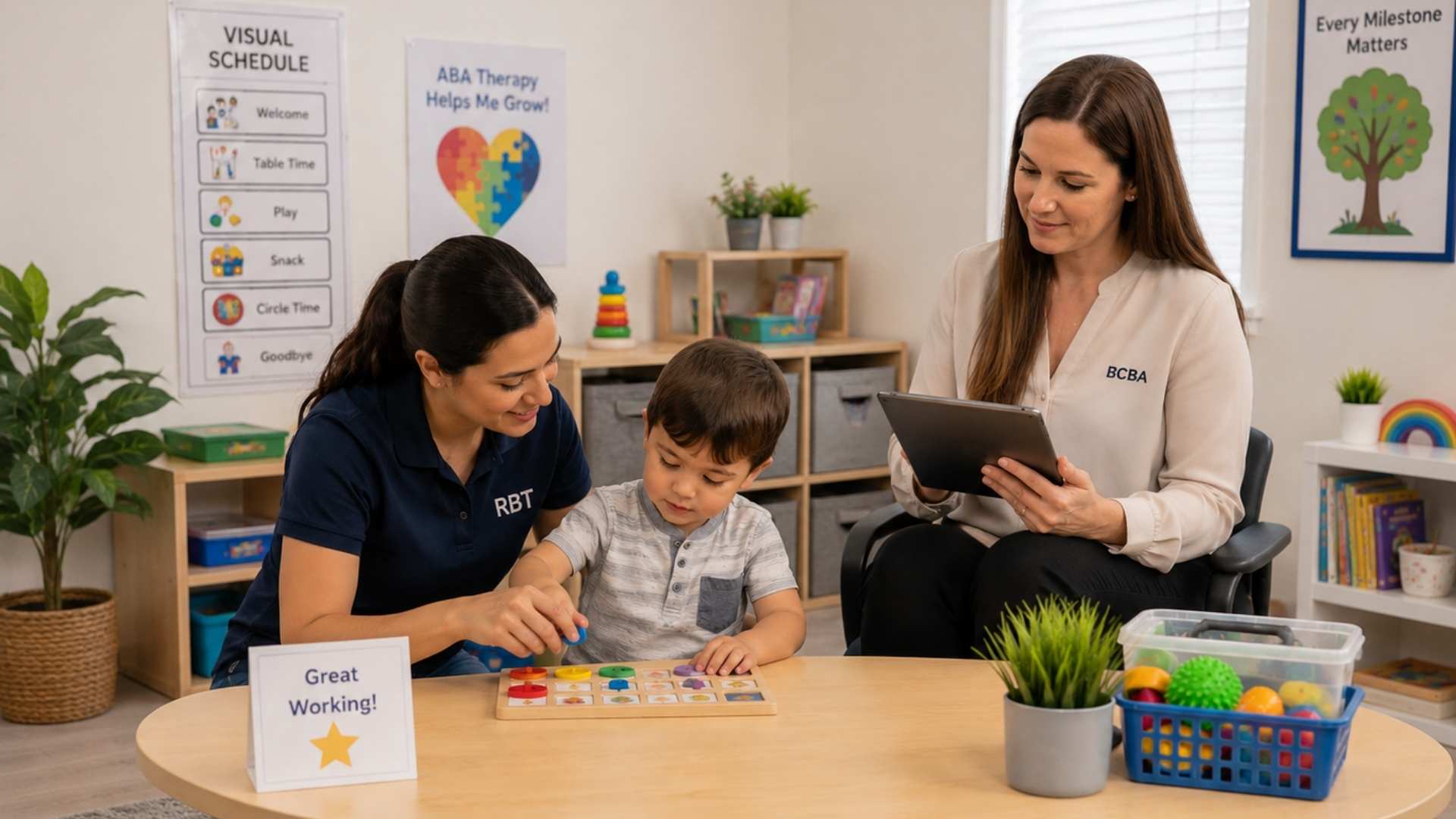
- ABA Therapy – Applied Behavior Analysis is evidence-based and helps with social communication, emotional regulation, executive function, and independence
- Speech and Language Therapy – Supports social communication, pragmatic language use, and conversation skills
- Occupational Therapy – Addresses sensory sensitivities, fine motor skills, and daily living skills
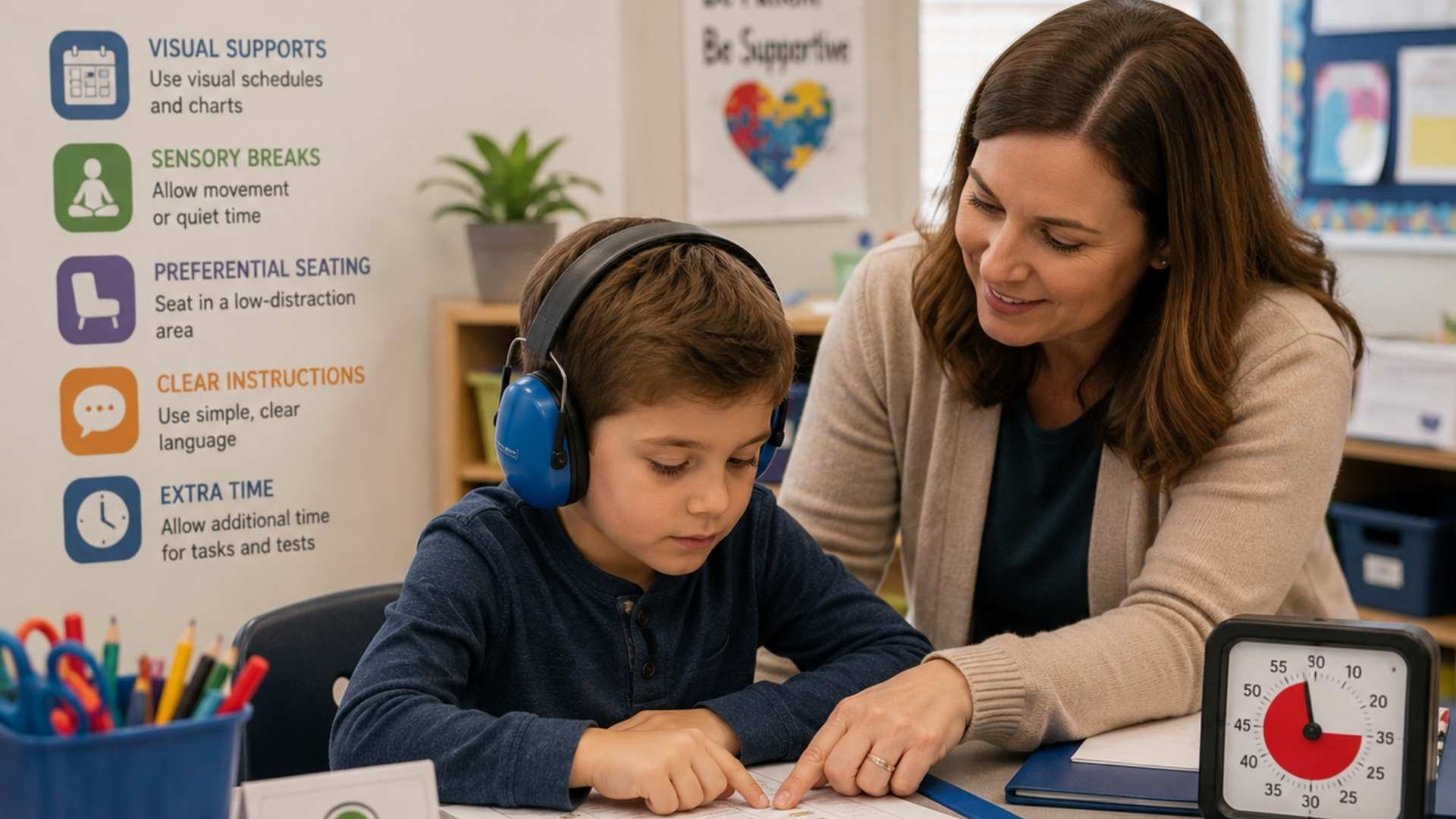
- Educational accommodations and support – 504 Plans, IEPs, and specialized classroom settings
- Social skills groups or therapies – Helps with peer relationships and social understanding
- Psychotherapy or counseling – Especially for teens and children struggling with anxiety or depression
Step 4: Connect with Community Resources and Support Networks
- Local autism organizations and support groups – Both parent-led and professional organizations
- Online communities – Facebook groups, forums, and social media communities of parents and autistic individuals
- Parent coaching or counseling – Help you understand autism, support your child effectively, and manage your own stress
- Specialized service providers – Clinicians trained in neurodivergent-affirming approaches who respect autism as a difference, not a defect
- Advocacy and educational workshops – Many organizations offer training on IEPs, school advocacy, and supporting your autistic child
Supporting Individuals with Level 1 Autism: What Actually Helps
Because people with Level 1 autism often “fly under the radar,” support must be proactive, individualized, and compassionate.
ABA Therapy
Applied Behavior Analysis (ABA) remains one of the most researched and practical approaches for autism intervention. For individuals with Level 1 autism, ABA can help with:
- Building social communication skills
- Reducing anxiety associated with transitions
- Improving emotional regulation
- Supporting executive function
- Increasing independence
- Navigating sensory challenges
- Strengthening relationships and self-advocacy
ABA therapy focuses on providing individuals with autism with the tools to navigate the world confidently, without changing who they really are.
Early Intervention
Research continually shows that early intervention leads to:
- Better long-term developmental outcomes
- Greater social and communication gains
- Improved adaptive skills
- Reduced long-term support needs
Early support does not erase autism; it enhances the child’s ability to thrive in a neurotypical world while honoring their identity.
Parent and Caregiver Education
Families benefit greatly from learning how to:
- Interpret autistic communication styles
- Support sensory needs
- Reduce masking pressure
- Encourage authentic self-expression
- Build predictable, supportive routines
Moving Forward with ABA Support Alongside ABA Centers of New Jersey
Understanding Level 1 autism is not about labeling your loved one but about unlocking the proper support, fostering acceptance, and creating environments where they can flourish.
The modern view of autism, supported by neuroscience, genetics, and lived experience, tells us that Level 1 autism is not “mild autism” or “almost neurotypical.” It’s a meaningful profile with specific needs, strengths, and communication patterns.
Fortunately, with the proper guidance and support, individuals at all levels can lead joyful, fulfilling, vibrant lives.
If you or your loved one needs support, whether through diagnostic testing, early intervention, or ABA therapy, our team at ABA Centers of New Jersey is here to help. Call us at (855) 640-7888 or connect online. We are committed to walking this journey with you, empowering your family with compassion, expertise, and meaningful resources.