

Tabla de contenido
My Child Was Diagnosed with Autism, Now What?
Few moments change a parent’s life as much as hearing the words, “Your child has been diagnosed with autism.” And what to expect after an autism diagnosis becomes an inevitable concern that deserves compassionate and honest answers.
Whether you’ve been expecting the diagnosis for months or it came as a surprise, it’s natural for your mind to fill with questions. You may wonder what your child’s future will look like, what support they will need, or whether you’re prepared for what comes next.
If you’ve found yourself in this situation, you’re not alone. Many families describe the first few weeks as a mix of relief, uncertainty, hope, and grief, all happening at once. Those emotions are valid, and they don’t mean you’re any less capable of supporting your child.
One comforting truth emerges repeatedly from parents who have walked this path before: there are many things they wish they had known sooner. Not because they made mistakes, but because understanding them earlier would have made those first days a little less overwhelming.
This guide by ABA Centers of New Jersey shares some of those insights while highlighting how the right support can help your child—and your entire family—move forward with confidence.
It’s Okay If You Don’t Have Every Answer Today
One of the biggest misconceptions families face after acknowledging that “my child was diagnosed with autism” is the belief that they need to figure everything out immediately.
The truth is, there is no deadline for becoming an expert.
Many parents spend hours researching therapies, educational options, and online opinions, hoping to find the “perfect” plan. And while learning about autism is important, trying to absorb everything at once often creates more anxiety than clarity.
Según Autism Speaks, one of the healthiest first steps is to give yourself permission to process the diagnosis emotionally while seeking information from trusted, evidence-based sources rather than trying to solve every question overnight.
When families understand what to expect after an autism diagnosis, they often realize that this journey unfolds one step at a time. The main goal isn’t to know everything today, but to continue learning as your child grows.
Keep in Mind: Your Child Didn’t Change Because of the Diagnosis
Many parents later say this was the realization they needed most.
“If my child was diagnosed with autism, it doesn’t mean they became a different child overnight”.
The diagnosis doesn’t erase your child’s personality, strengths, interests, sense of humor, or the unique ways they connect with the people around them. Instead, it gives a name to diferencias en su desarrollo that may already have been present.
For many families, the diagnosis brings actual relief. Instead of wondering why certain situations feel more difficult, they finally have a framework that helps explain their child’s experiences and opens the door to meaningful support.
Research published in Pediatric Reports notes that receiving an autism diagnosis can improve families’ understanding of their child’s needs and increase access to interventions that promote long-term development and quality of life.
Being diagnosed with autism isn’t about defining a child’s future. It’s about understanding how they learn best so they can receive individualized support.
Progress Doesn’t Look the Same for Every Child
“It’s easy to compare milestones after my child was diagnosed with autism, but it’s actually a mistake”.
Social media, parenting groups, and even well-meaning friends may unintentionally create expectations about what progress “should” look like. But autism is a spectrum, meaning every person develops differently.
Some children begin communicating with words quickly. Others rely on gestures, visual supports, or augmentative communication while building language skills over time. Some become comfortable in new environments within weeks, while others need more gradual transitions.

None of these paths is “better” than another.
A recent study available on the National Library of Medicine highlights the importance of individualized care, emphasizing that meaningful progress occurs when interventions are tailored to each child’s strengths, challenges, family priorities, and developmental profile rather than following a one-size-fits-all approach.
Once parents understand what to expect after an autism diagnosis, many find that celebrating their child’s personal achievements becomes far more rewarding than comparing them to someone else’s timeline.
You Don’t Have to Do This Alone
Another lesson parents often wish they had learned sooner is that asking for help isn’t a sign of weakness; it’s one of the strongest things you can do.
After a child is diagnosed with autism, many caregivers feel responsible for finding every answer themselves. They try to become therapist, teacher, advocate, researcher, and parent all at once.
That’s an enormous amount to carry.
The reality is that successful autism support is built around collaboration. Pediatricians, psychologists, Board Certified Behavior Analysts (BCBAs), speech-language pathologists, occupational therapists, educators, and family members can all play valuable roles depending on your child’s unique needs.
Just as importantly, parents benefit from support, too.
Investigaciones found that families who receive guidance, education, and ongoing collaboration often report greater confidence, lower stress, and improved outcomes for both caregivers and children.
Comprender what to expect after an autism diagnosis also means recognizing that you were never meant to navigate this journey by yourself.
Your Child Doesn’t Need to Become Someone Else to Thrive
“After my child was diagnosed with autism, I realized that success isn’t about changing who my child is”.
Parents who already walk this path of realization determined that “success” in the autism journey is about helping their children build the skills they need to participate more comfortably in everyday life, not about changing who they are.
Every child has strengths worth celebrating. Some have incredible memories, unique ways of solving problems, deep interests, or creative perspectives. Alongside those strengths, they may need extra support with communication, social interaction, emotional regulation, or daily routines.
Being diagnosed with autism doesn’t place limits on a child’s potential. Instead, it helps families understand which supports can make learning, relationships, and independence more accessible.
As parents become more familiar with what to expect after an autism diagnosis, many discover that progress isn’t measured by how closely their child resembles others. It’s measured by meaningful improvements that increase confidence, independence, and quality of life.
How ABA Therapy Can Support Your Child and Your Family
One of the questions many parents ask after my child was diagnosed with autism is, “How can I help my child succeed?”
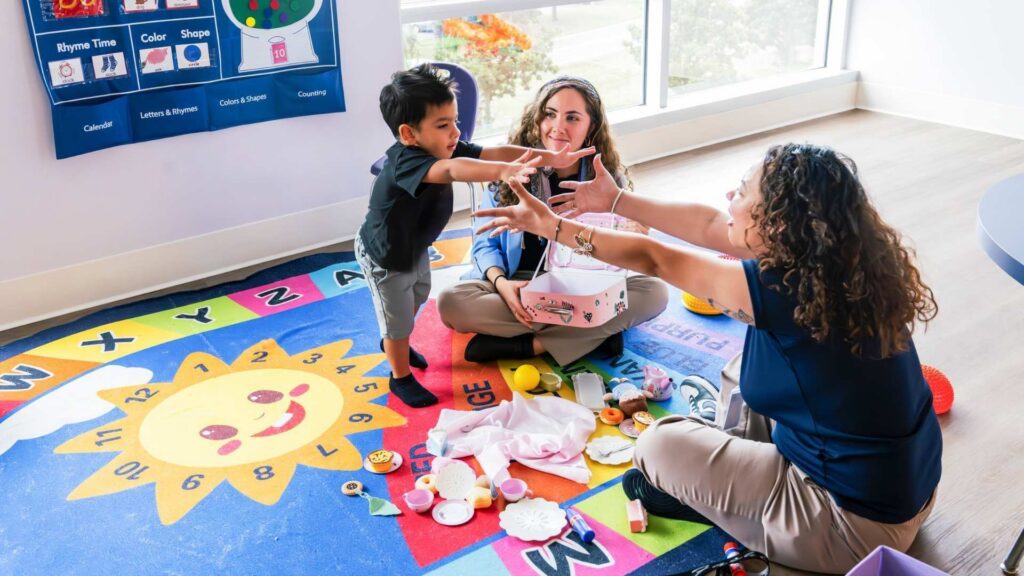
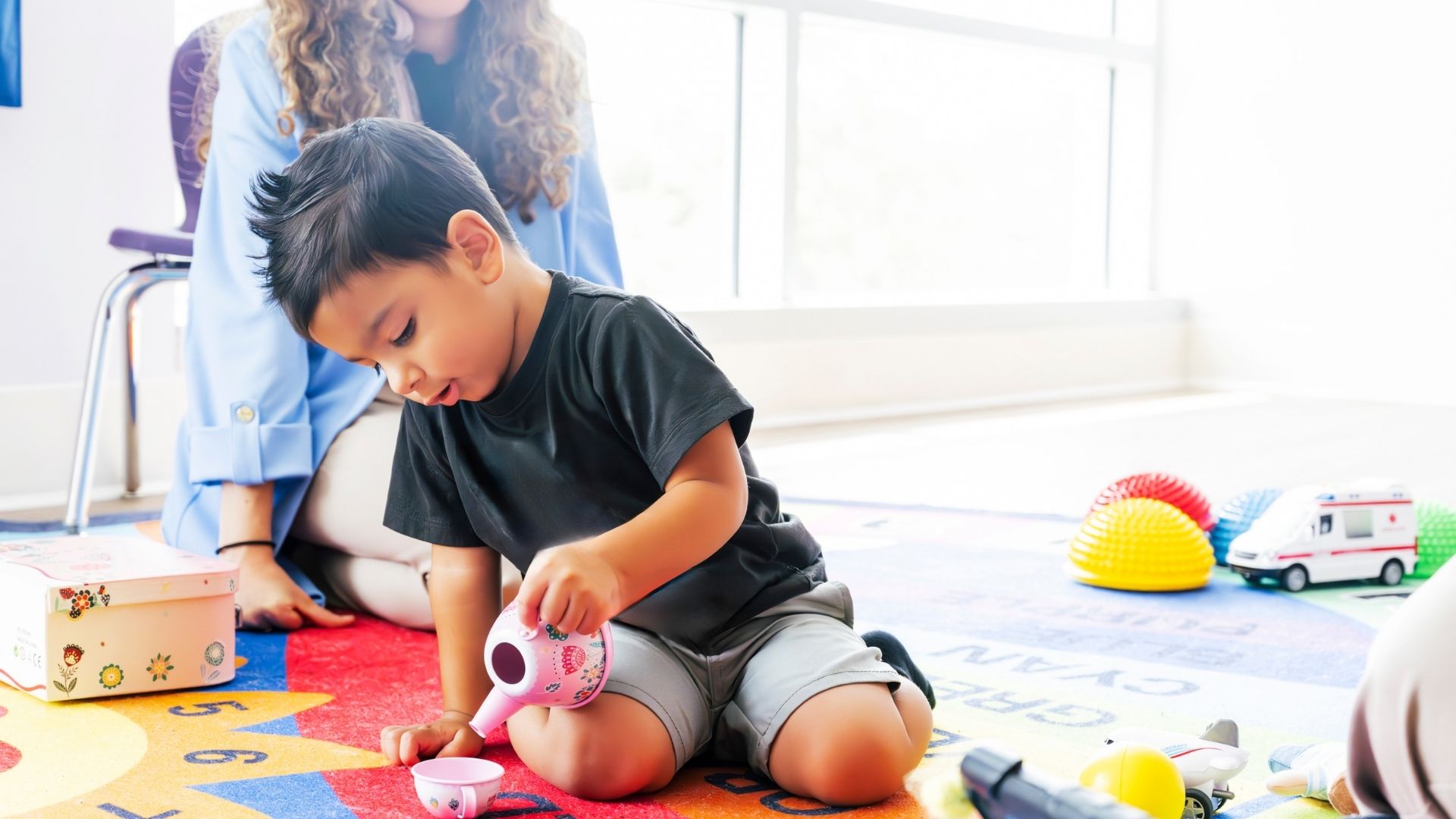
While every child benefits from an individualized plan, El Análisis del Comportamiento Aplicado (ABA) therapy is one of the most extensively researched interventions for children diagnosed with autism. Modern ABA therapy focuses on teaching practical, meaningful skills through positive reinforcement, individualized goals, and collaboration with families.
Depending on a child’s needs, ABA therapy may help develop:
- Communication and language skills
- Social interaction and play
- Daily living and self-care routines
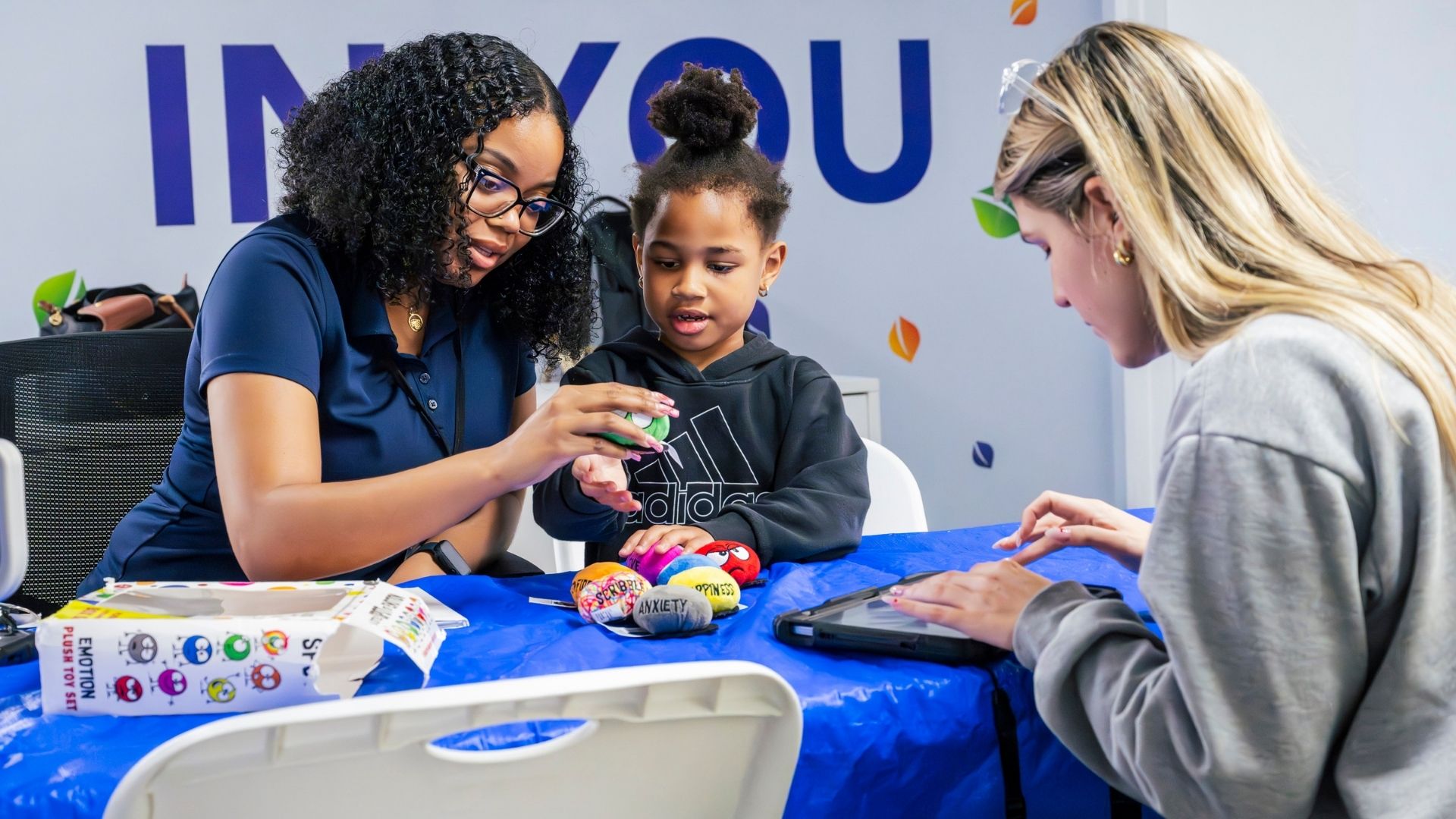
- Regulación emocional. and coping strategies
- Flexibility during transitions and changes in routine
- Greater independence at home, school, and in the community
Equally important, ABA isn’t just about supporting children. It also supports parents and caregivers.
Families learn practical strategies they can use during everyday routines, helping skills carry over beyond therapy sessions. This collaborative approach gives caregivers greater confidence while creating consistency across environments.
When families understand what to expect after an autism diagnosis, they often realize they don’t need to have all the answers before beginning services. Working alongside experienced professionals allows parents to learn as they go while celebrating progress together.
The Journey May Not Be Easy, but It Can Be Hopeful
“My child was diagnosed with autism recently; it’s understandable if today feels overwhelming. Be compassionate and give yourself time to figure out what’s best for your family”.
There may be appointments to schedule, information to absorb, and emotions to process. Some days will feel encouraging, while others may feel uncertain.
That’s normal.
What many parents wish they had known from the beginning is that confidence doesn’t arrive all at once. It grows gradually with each new skill, every small victory, and every moment your child surprises you.
Your child is still the same wonderful person they were before being diagnosed with autism. What changes now is that your family has more knowledge, more resources, and more opportunities to understand how they experience the world.
Knowing what to expect after an autism diagnosis doesn’t eliminate every challenge, but it can replace uncertainty with realistic hope. And hope is often the first step toward moving forward with confidence.
Learn More About What ABA Therapy at ABA Centers of New Jersey Can Do for Your Child and Family
If your child was recently diagnosed with autism, you don’t have to navigate this journey alone.
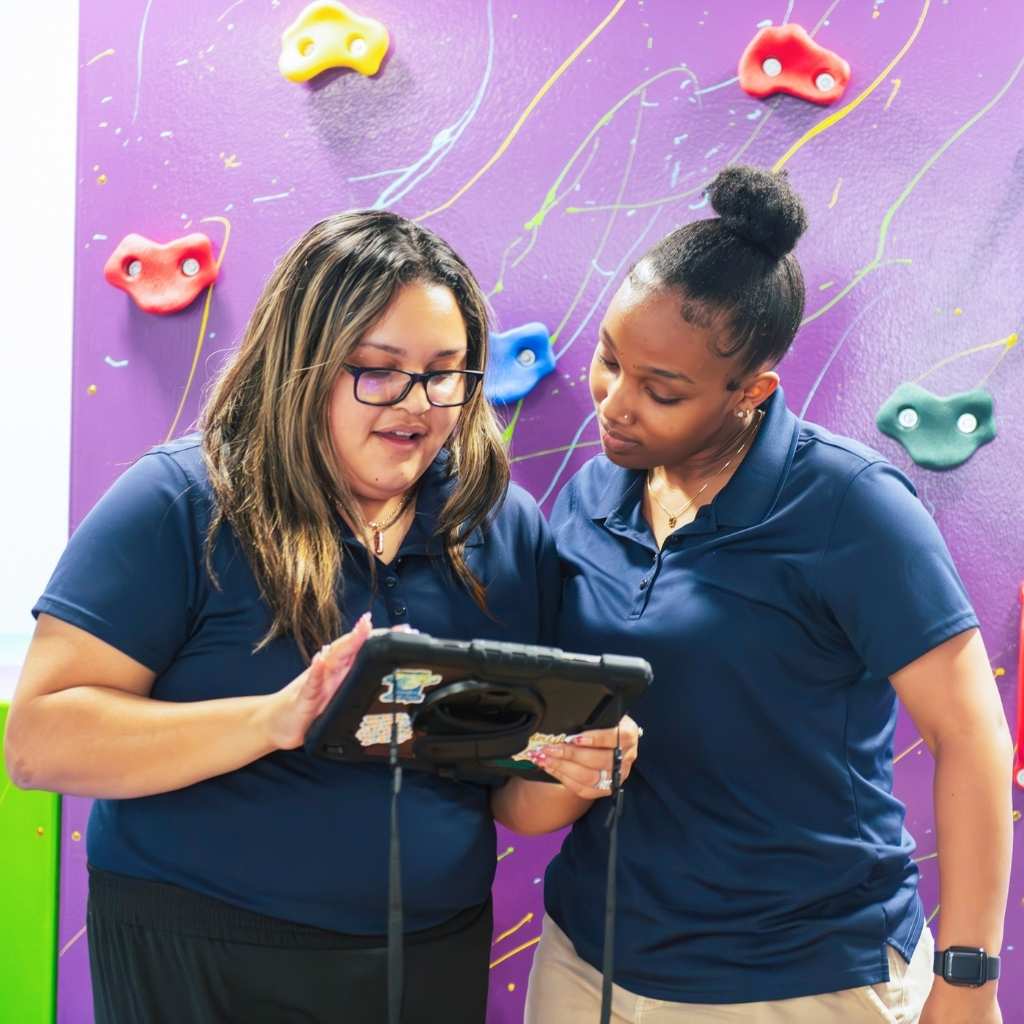
En ABA Centers of New Jersey, our compassionate team works closely with families to create individualized ABA therapy plans that reflect each child’s strengths, goals, and unique learning style. We believe parents are essential members of the care team, and we’re committed to providing guidance, education, and support every step of the way.
If you’re still wondering what to expect after an autism diagnosis, we’re here to help you understand your options and determine which services may best support your child’s development.
Contact ABA Centers of New Jersey today to learn more about our ABA therapy services by clicking here or by scheduling a free consultation at (855) 640-7888.
Together, we can help your child build the skills, confidence, and independence to thrive.



 Español
  English