
Tabla de contenido
Receiving an autism diagnosis for your toddler can bring relief, questions, and uncertainty about what comes next. One of the most common recommendations after diagnosis is Applied Behavior Analysis (ABA) therapy, but many families want to understand what treatment actually involves before getting started.
The good news is that modern ABA for young children is designed to meet children where they are. Rather than relying on rigid drills, today’s ABA therapy for toddlers often incorporates play, daily routines, and meaningful interactions to help children learn naturally and stay engaged.
If you’re exploring ABA for young children, keep reading this blog from ABA Centers of New Jersey to understand the process, make the journey feel more manageable and enjoyable, and become an active partner in your child’s development.
How Does ABA Therapy for Toddlers Work?
At its core, ABA therapy for toddlers uses evidence-based strategies to teach skills that help children communicate, interact, learn, and become more independent. Therapists break larger goals into smaller, achievable steps and create opportunities for learning throughout everyday activities.
One of the key principles behind modern ABA therapy for toddlers is that learning happens best when children are motivated and engaged. Instead of spending entire sessions at a table, therapists often teach through play, story time, snack time, and other activities that naturally interest the child.
Studies have found that beginning services during the toddler years can support meaningful improvements in communication, social engagement, and adaptive functioning.
According to research published in Behavior Analysis in Practice, niños who benefit from early ABA intervention beginning therapy at younger ages often demonstrate stronger developmental gains over time.
Because every child is unique, ABA for young children is highly individualized. Treatment plans are developed around a child’s strengths, interests, developmental level, and specific goals.
Why Early ABA Intervention Matters
The toddler years are a period of rapid brain development. During this time, children are learning foundational skills that influence communication, social interaction, play, and independence.
This is why early ABA intervention is often recommended soon after diagnosis. The goal is not to change who a child is but to help them build practical skills that support participation in daily life and create opportunities for growth.
Recent findings highlighted by the National Institutes of Health suggest that individualized early intervention programs can positively influence developmental outcomes while also supporting family engagement and quality of life.
For many families, ABA for young children provides a flexible framework that helps children learn through positive, meaningful experiences during a critical stage of development.
What Skills Does ABA For Young Children Teach?
One of the most common questions parents ask is what their child will work on during therapy.
The answer depends on the child’s individual needs, but ABA for young children commonly focuses on skills such as:
- Communication and El desarrollo del lenguaje
- Responding to their name
- Requesting wants and needs
- Social interaction and joint attention
- Play skills
- Following simple instructions
- Habilidades de la vida diaria
- Regulación emocional.
- Tolerance for transitions and changes in routine
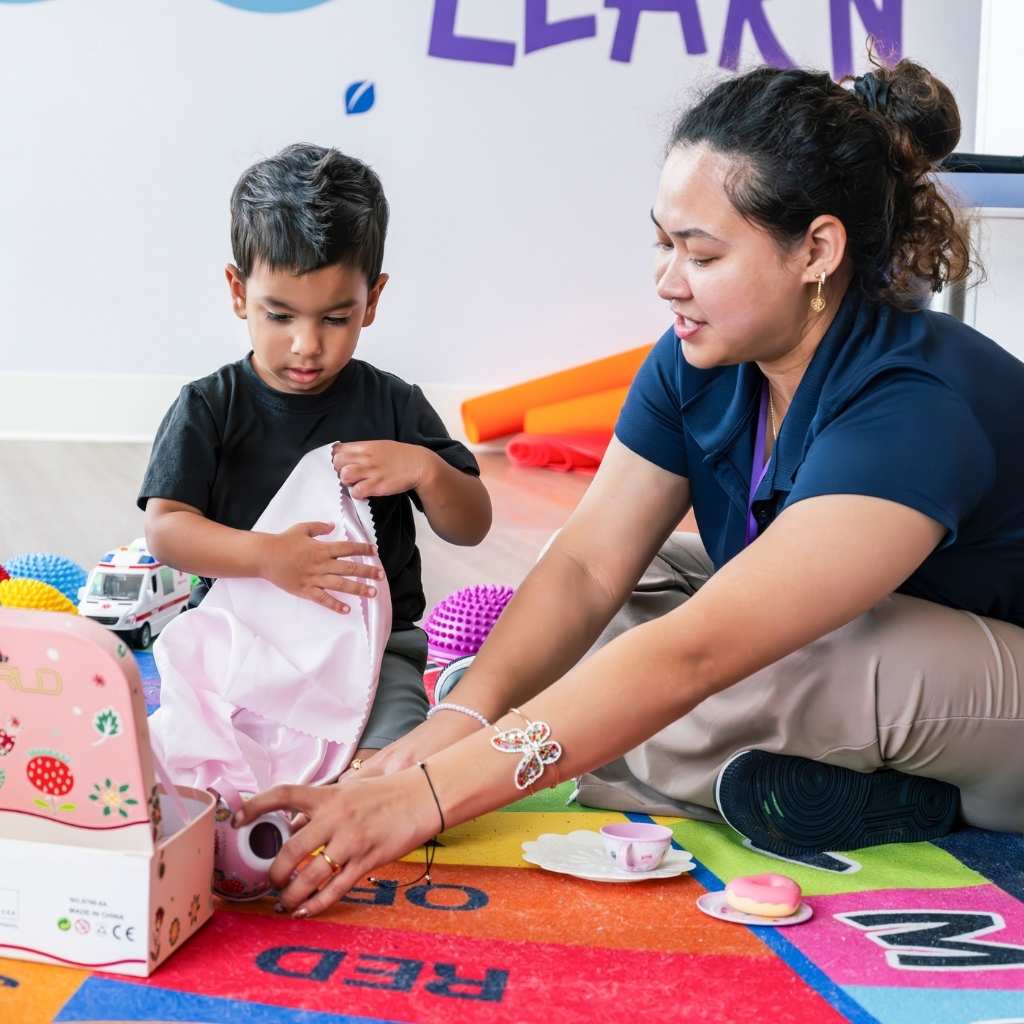
For example, a therapist might use a child’s favorite toy to encourage communication. If a toddler reaches for bubbles, the therapist may create opportunities for the child to request them through gestures, sounds, words, or communication devices.
This play-based approach is one reason why ABA therapy for toddlers often feels very different from what many parents expect. Learning opportunities are embedded into enjoyable activities rather than separated from them.
As children build these foundational skills, they often become more confident in navigating daily routines, interacting with others, and expressing their needs.
What Does a Typical ABA Session for Toddlers Look Like?
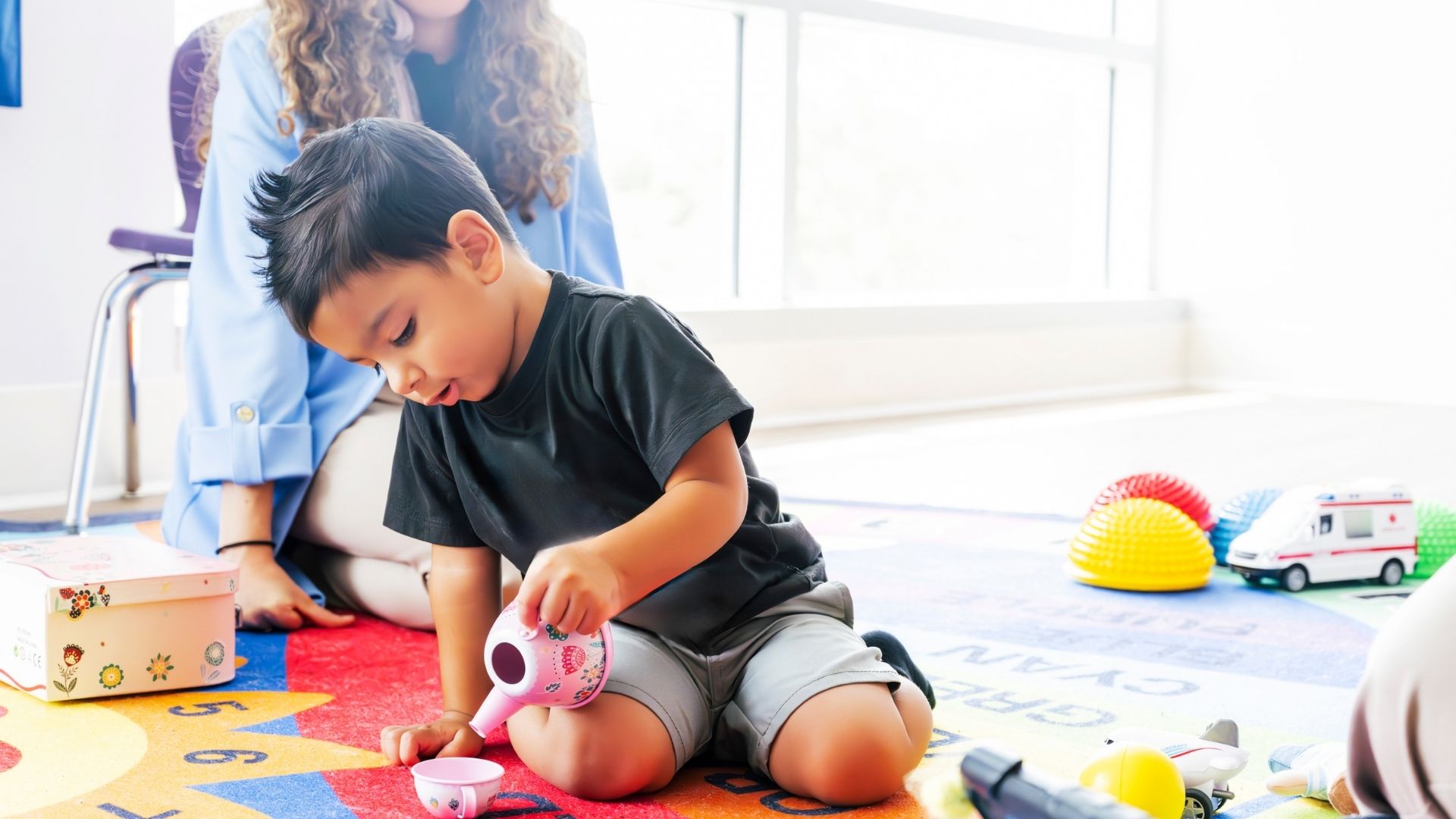
A typical session of ABA therapy for toddlers often looks more like guided play than formal instruction.
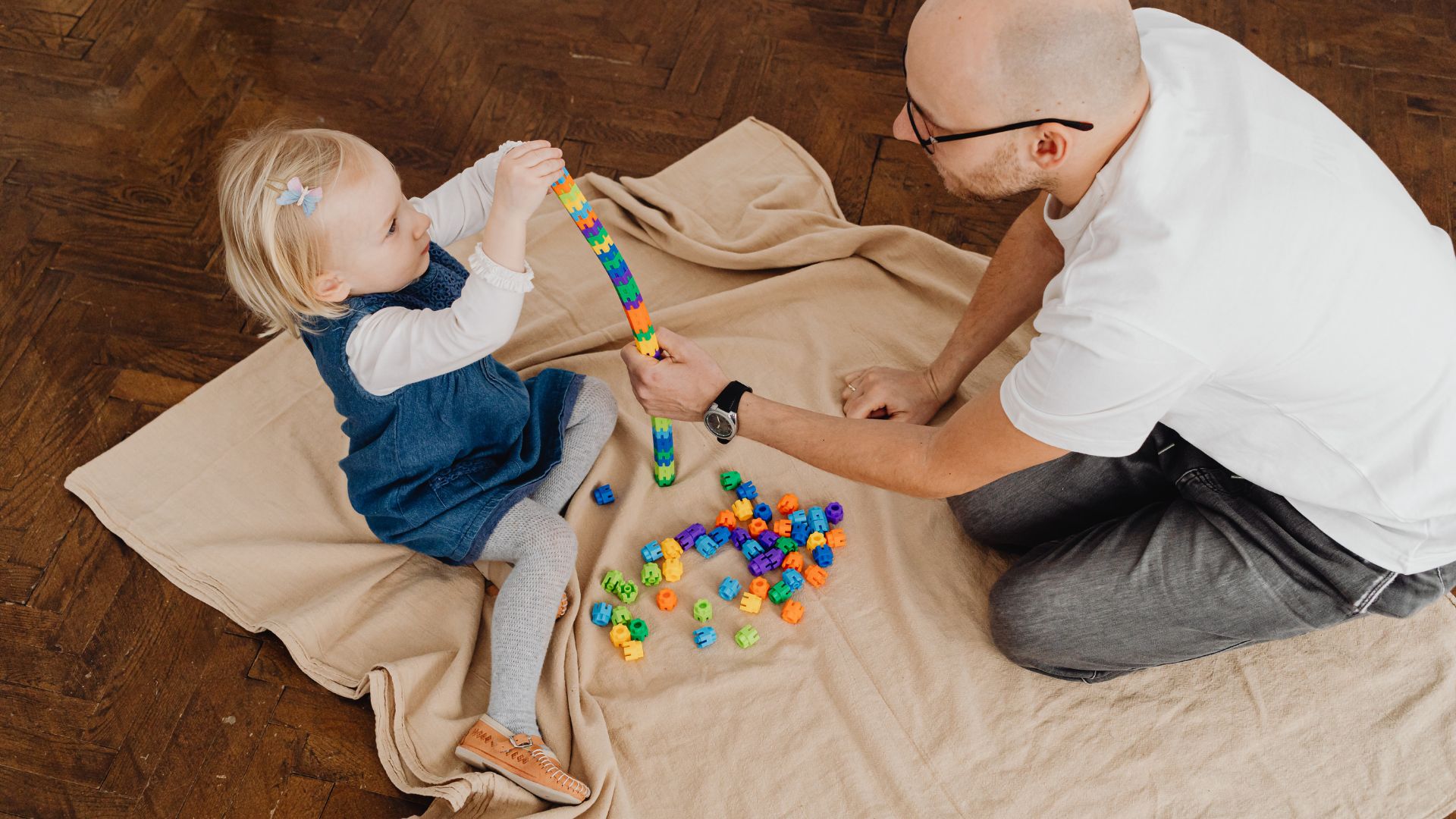
A therapist may spend time on the floor building with blocks, reading books, playing pretend games, or exploring a child’s favorite activities. While the child is having fun, the therapist is creating opportunities to teach communication, social interaction, attention, and problem-solving skills.
Muchas toddler ABA programs use naturalistic teaching strategies that follow the child’s interests. Investigaciones also supports developmental and play-based approaches that encourage learning through meaningful interactions and everyday experiences.
A session may include:
- Interactive play activities
- Communication practice
- Social games
- Movement breaks
- Daily living skill instruction
- Parent coaching
- Reinforcement of positive behaviors
One of the greatest benefits of early intervention ABA is that skills are taught within real-life situations. This helps children use what they learn not only during therapy but also at home, school, and in the community.
Clinical Strategy | How it Looks to a Parent | The Underlying Behavioral Target |
Capturing Motivation | The Registered Behavior Technician (RBT) notices the toddler eagerly reaching for a bottle of bubbles on a high shelf. | Identifying the Reinforcer: Finding what the child actively wants in that exact moment to use as a powerful tool for learning. |
The “Communication Press” | The RBT holds the bubbles, blows them once, closes the lid tightly, and looks at the child expectantly. | Creating an Opportunity: Structuring the natural environment so the child is motivated to communicate to get the desired outcome. |
Prompting & Shaping | The toddler reaches out. The RBT gently prompts: “Open” o “More bubbles!” depending on the child’s skill level. | Skill Acquisition: Helping the child transition from a non-functional behavior (crying or grabbing) to functional communication (gesturing or words). |
Immediate Reinforcement | The child makes eye contact, points, or attempts the word, and the RBT instantly screams “Wow, open!” and blows a cloud of bubbles. | Refuerzo positivo: Instantly pairing the successful communication with the reward, making the child much more likely to repeat the positive behavior. |
How Many Hours of ABA Does a Toddler Need?
There is no one-size-fits-all answer to this question.
The recommended number of hours depends on factors such as a child’s age, developmental needs, goals, and current skill levels.
Some children benefit from focused programs involving fewer weekly hours, while others may receive more comprehensive services. A Board Certified Behavior Analyst (BCBA) typically conducts an assessment and develops recommendations based on the child’s unique profile.
Families should remember that effective ABA for young children focuses on quality, consistency, and individualized programming rather than simply accumulating therapy hours. The treatment team works together to determine which level of early intervention ABA will best support the child’s development and the family’s needs.
Can Parents Participate in Toddler ABA Sessions?
Absolutely! Parent involvement is one of the most valuable components of successful toddler ABA programs.
Because toddlers spend most of their time with family members, parents play a critical role in helping children practice and generalize new skills. Many ABA providers include parent training and coaching as part of treatment.
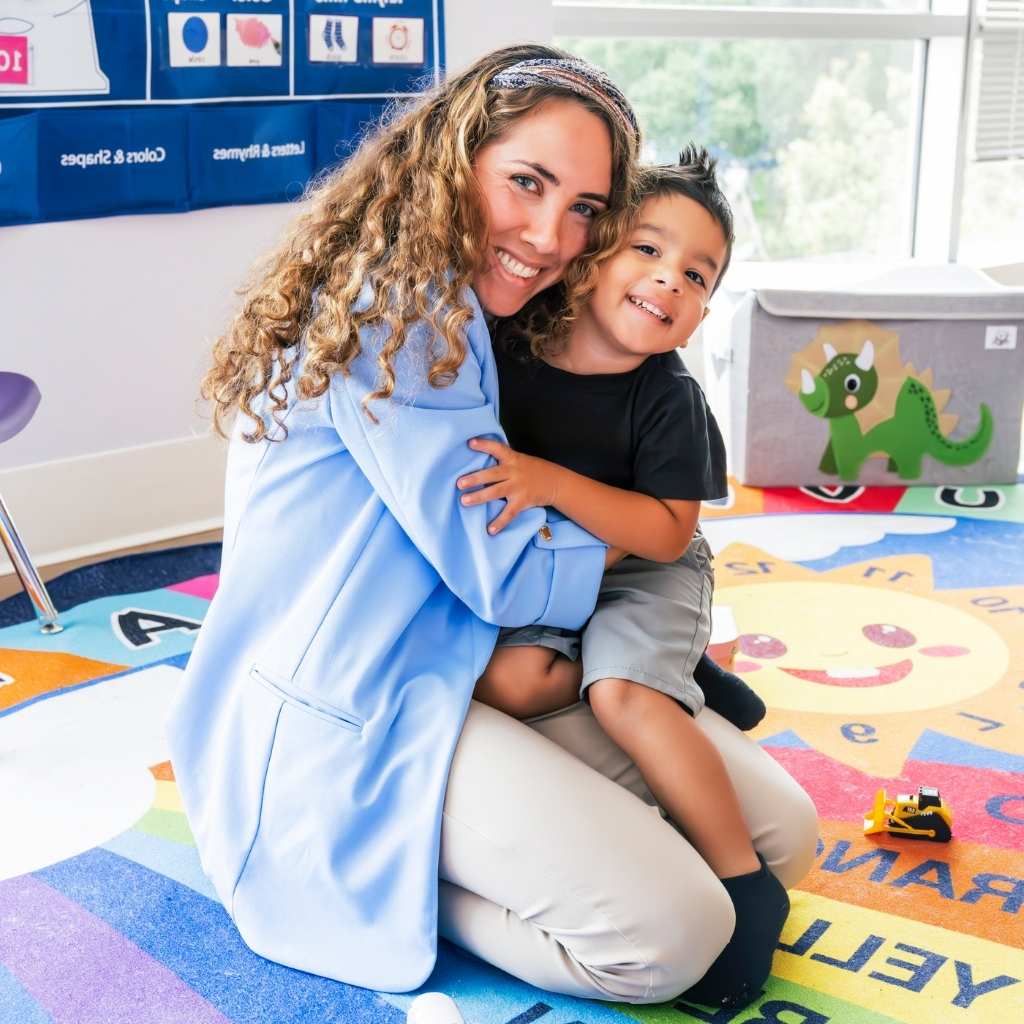
During these sessions, caregivers may learn strategies to:
- Encourage communication
- Support social interaction
- Reinforce desired skills
- Navigate challenging situations
- Create learning opportunities during everyday routines
Organizaciones como Autism Speaks emphasize the importance of collaboration between therapists and families when implementing ABA-based interventions.
When parents are actively involved, ABA therapy for toddlers is often more effective, as learning continues throughout the day and not just during scheduled therapy sessions.
How ABA Therapy Helps Young Children Build Confidence and Independence
Every child deserves opportunities to learn, grow, and thrive.
For many families, ABA for young children provides the support needed to help children develop meaningful skills that increase independence and participation in daily life.
Through individualized goals, play-based learning, and family collaboration, ABA therapy for toddlers can help children strengthen communication, build relationships, develop adaptive skills, and gain confidence in navigating their world.
The purpose of early intervention ABA is to support growth in ways that respect each child’s unique strengths and needs. By focusing on practical, meaningful goals, therapy can help children on the spectrum develop skills that support success at home, in school, and throughout their communities.
If your toddler has recently received an autism diagnosis and you’re exploring treatment options, our experienced team at ABA Centers of New Jersey can help you understand which services may be the best fit for your child and family.
Schedule a free consultation by clicking here or by calling us at (855) 640-7888.


 Español
  English