

Tabla de contenido
Receiving an autism diagnosis for your child can bring a mix of emotions. For many families, the next question is often, “What do we do now?” Once the screening and diagnostic process is complete, parents face an important decision: choosing the right therapy provider.
Among the evidence-based approaches available, El Análisis del Comportamiento Aplicado (ABA) is one of the most widely used therapies to support children with autism. However, understanding the qualifications for an ABA therapist and finding the right provider can feel overwhelming, especially when your child is still very young.
The good news is that knowing what to look for can help you make an informed decision and feel confident about your child’s care.
Keep reading this guide by ABA Centers of New Jersey as we explore the professionals involved in ABA therapy, the credentials that matter, and how quality autism care for toddlers can help children build essential life skills and reach meaningful milestones.
What Qualifications for an ABA Therapist Should Parents Look For?
When evaluating the qualifications for an ABA therapist, parents should look beyond job titles and focus on training, certification, supervision, and experience working with young children.
Quality ABA programs typically involve a team of professionals who collaborate to provide individualized support. According to the Behavior Analyst Certification Board (BACB), the most common credentials include Board Certified Behavior Analysts (BCBAs) and Registered Behavior Technicians (RBTs).
Investigaciones highlights the importance of qualified professionals in delivering evidence-based behavioral interventions that support skill development and independence.
When considering an ABA provider for toddlers, look for:
- Current BACB certification
- Experience working with toddlers and young children
- Individualized treatment planning
- Ongoing supervision and parent collaboration
- Data-driven progress monitoring
- A focus on positive reinforcement and meaningful goals
The best providers understand that every child is unique. Rather than applying a one-size-fits-all approach, they create personalized programs designed to help children develop communication, social, adaptive, and daily living skills.
Why Early Autism Care for Toddlers Matters
Imagine a parent noticing that their two-year-old rarely responds to their name, struggles to communicate needs, or seems disconnected during playtime. After receiving an autism diagnosis, they begin searching for answers and support.
This is where early intervention becomes critical.
Studies have consistently shown that early behavioral intervention can lead to meaningful improvements in communication, social interaction, adaptive functioning, and overall developmental outcomes. Research published through the National Institutes of Health emphasizes the value of early, individualized interventions that address each child’s strengths and needs.
Effective autism care for toddlers focuses on helping children learn skills during a period of rapid brain development. Through structured teaching, positive reinforcement, and family involvement, ABA therapy can help children:
- Improve communication skills
- Build social connections
- Increase independence
- Develop play skills
- Learn daily living routines
- Reduce behaviors that interfere with learning
For families seeking an ABA provider for toddlers, early access to qualified services can create opportunities for growth that extend well beyond childhood.
What Is the Difference Between a BCBA and an RBT?
Understanding the roles within an ABA team is an important part of evaluating the proper qualifications for an ABA therapist.
Board Certified Behavior Analyst (BCBA)
A BCBA is a master’s-level clinician who has completed advanced coursework, supervised fieldwork, and a certification examination.
BCBAs are responsible for:
- Conducting assessments
- Developing treatment plans
- Analyzing progress data
- Supervising therapy teams
- Training parents and caregivers
- Adjusting goals as children develop
When selecting an ABA provider for toddlers, parents should ensure that a BCBA oversees their child’s treatment program.

Registered Behavior Technician (RBT)
An RBT is a paraprofessional who delivers direct therapy under BCBA supervision.
RBTs typically:
- Implement treatment plans
- Teach new skills
- Collect data
- Support children during therapy sessions
While RBTs spend significant time working directly with children, they do so under the guidance of a supervising BCBA.
Según los Autism Research Institute, understanding provider credentials and supervision structures is essential to selecting quality autism services.
What Questions Should I Ask To an ABA Provider For Toddlers?
Parents should feel empowered to ask questions before committing to services. The answers can reveal a great deal about the provider’s philosophy, experience, and approach to autism care for toddlers.
Consider asking:
What Experience Do You Have Working with Toddlers?
Not all ABA providers specialize in early childhood intervention. Families seeking an ABA provider for toddlers should look for professionals who regularly work with young children.
How Do You Create Treatment Goals?
Quality providers conduct assessments and collaborate with families to establish individualized goals.
How Often Will a BCBA Supervise Therapy?
Regular supervision helps ensure treatment remains effective and responsive to a child’s needs.
How Do You Measure Progress?
Strong ABA programs rely on objective data to track growth and adjust interventions when necessary.
How Do You Involve Parents?
Parent participation is one of the strongest predictors of long-term success.
When evaluating qualifications for an ABA therapist, asking these questions can help families better assess whether the provider is the right fit for their child.
What Role Do Parents Play in ABA Therapy?
One of the biggest misconceptions about ABA therapy is that progress happens only during therapy sessions. In reality, parents are among the most important members of the treatment team.
Experts often highlight the positive impact of caregiver involvement in behavioral interventions for children with autism.
Effective autism care for toddlers includes parent training and collaboration, as learning opportunities arise throughout daily life. Whether a child is practicing communication during breakfast, social skills at the playground, or independence during bedtime routines, parents play a key role in helping skills generalize across environments.
A quality ABA provider for toddlers will:
- Teach parents effective strategies
- Share progress updates regularly
- Encourage active participation
- Provide guidance for real-world situations
- Collaborate on goal setting
When families and clinicians work together, children often experience more consistent support and stronger outcomes.
How ABA Therapy Helps Children with Autism Thrive
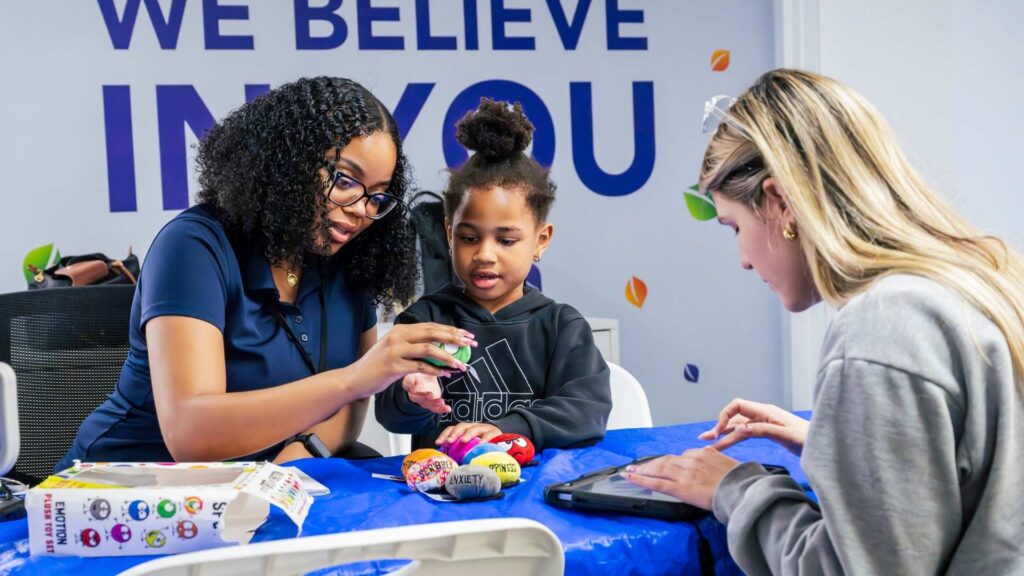
At its core, ABA therapy is about helping children gain skills that improve their quality of life.
Today’s ABA programs focus on teaching meaningful skills while respecting each child’s individuality and strengths. Rather than trying to change who a child is, therapy aims to help children navigate daily life with greater confidence and independence.
For many families, autism care for toddlers may include support for:
- Expressing wants and needs
- Building friendships
- Participating in family routines
- Developing self-help skills
- Managing transitions
- Increasing independence at home and in the community
When delivered by qualified professionals, ABA therapy can help children build the foundation needed to thrive in school, at home, and in social settings.
Finding the Right ABA Provider for Your Family
Choosing a therapy provider is one of the most important decisions families make after an autism diagnosis. Understanding the qualifications for an ABA therapist can help parents identify providers who prioritize evidence-based care, individualized treatment, and family collaboration.
If you’re searching for an experienced ABA provider for toddlers, ABA Centers of New Jersey offers comprehensive, compassionate services designed to meet children where they are and support meaningful growth.
Our team includes highly trained professionals dedicated to providing personalized autism care for toddlers and helping families navigate every stage of the journey.
Reach out to our team to schedule a free consultation by clicking here or by calling us at (855) 640-7888.
Every child deserves the opportunity to grow, connect, and thrive, and the right support can make all the difference.





 Español
  English