
Tabla de contenido
For many parents, the journey to understanding autism begins with questions about developmental milestones, evaluations, and diagnoses. Once those steps are complete, a new question often arises: What happens next?
If your child has recently received an diagnóstico de autismo, you may be exploring treatment options and wondering what therapy will look like. Many families are relieved to learn that effective autism support doesn’t necessarily involve sitting at a desk or completing worksheets. Instead, some of the most meaningful learning opportunities happen through something children naturally love: play!
Hoy, la play-based ABA is one of the most widely used approaches for helping young children with autism build communication, social, adaptive, and learning skills in ways that feel engaging and motivating. Rather than separating learning from enjoyment, therapists use carefully planned activities to help children practice important developmental skills while having fun.
Keep reading this blog by ABA Centers of New Jersey, and let’s explore how play-based ABA for toddlers works, why it can be so effective, and how ABA therapy and play come together to support growth, confidence, and independence.
Why Play Matters in Early Autism Intervention
Play is much more than entertainment. Through play, toddlers learn how to communicate, solve problems, interact with others, express emotions, and explore their environment.
Research has consistently shown that play-based interventions can support social engagement, communication, and developmental learning in children with autism. For instance, a recent meta-analysis examining play-based interventions for children with autism found positive effects on social and play skills, highlighting the importance of incorporating play into early intervention programs.
This is one reason why play-based ABA has become such an important component of autism care for young children. By meeting children where they are developmentally and building on their natural interests, therapists can create meaningful learning opportunities that feel enjoyable rather than demanding.
How Does Play-Based ABA for Toddlers Work?
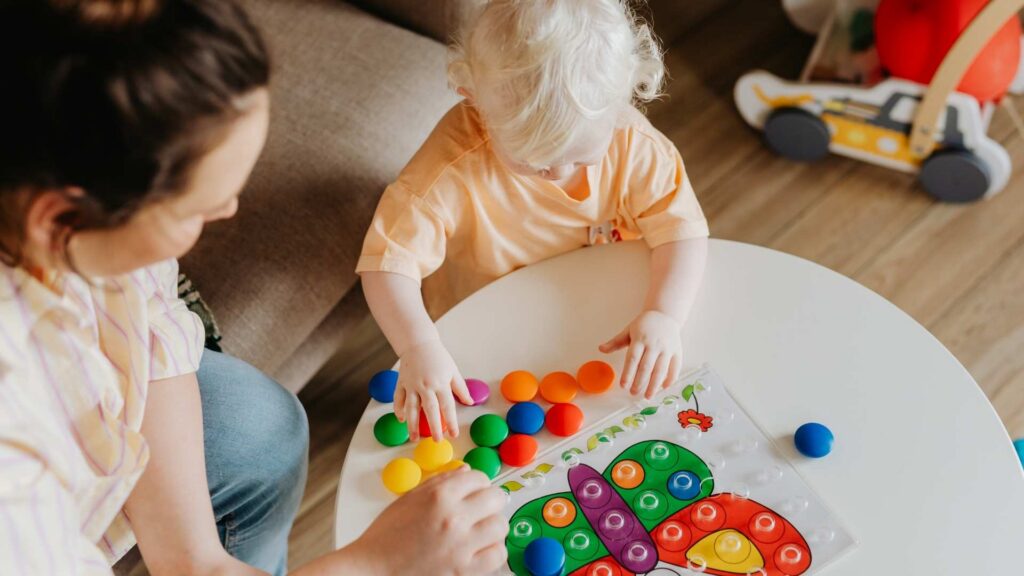
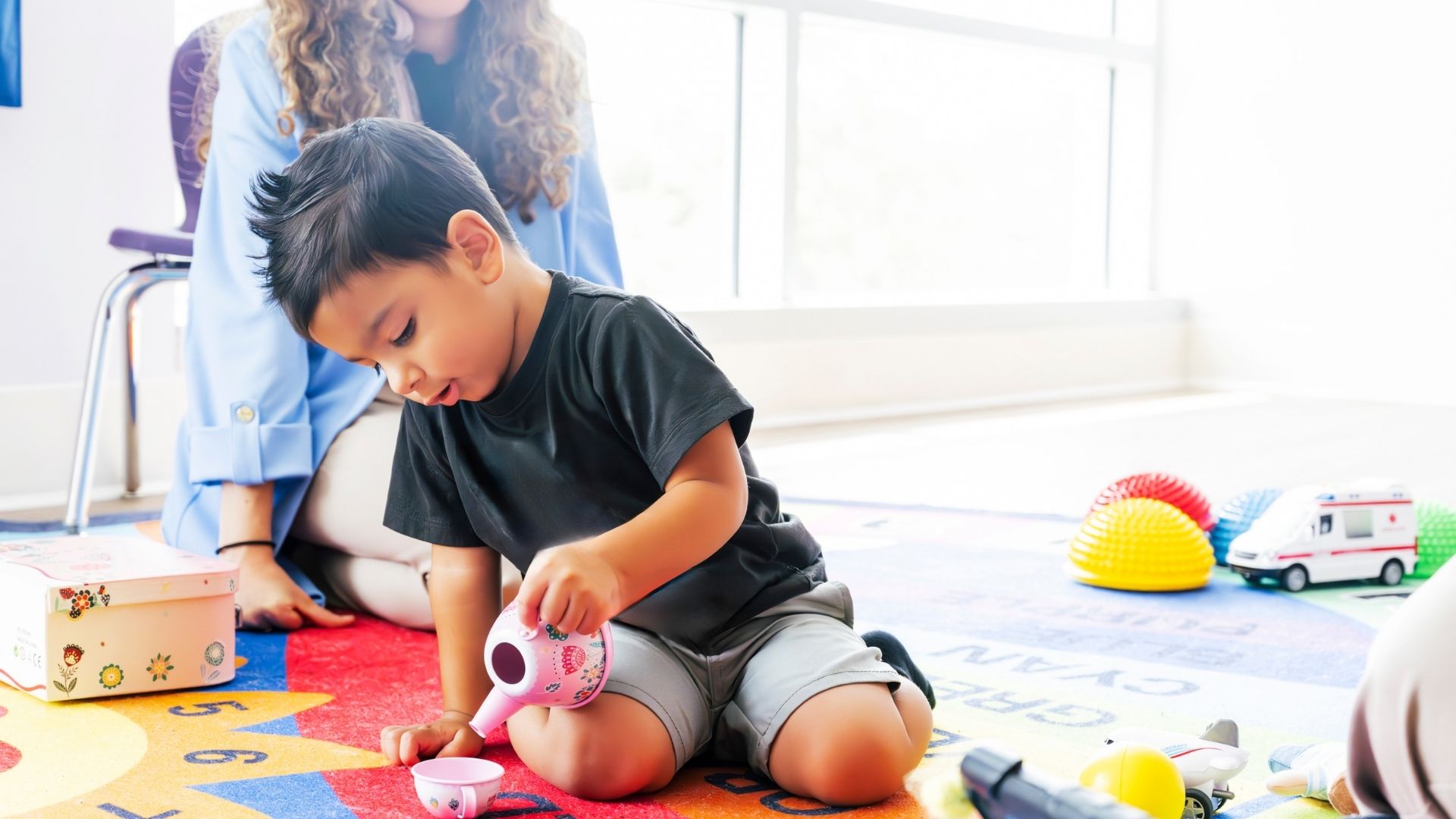
Unlike traditional classroom-style instruction, play-based ABA for toddlers uses toys, games, movement activities, pretend play, and everyday interactions as teaching opportunities.
Un Board Certified Behavior Analyst (BCBA) designs goals based on a child’s individual strengths and needs. Then, therapists use play activities to encourage and reinforce desired skills.
For example, a therapist might:
- Use bubbles to encourage requesting and communication
- Practice turn-taking during a ball game
- Teach imitation skills through songs and movement
- Encourage joint attention during pretend play
- Build flexibility by introducing small changes to favorite activities
The goal of ABA therapy and play is not simply to keep a child entertained. Every activity is intentionally designed to help the child develop meaningful skills while staying engaged and motivated.
Investigaciones suggests that naturalistic, play-focused behavioral interventions can effectively support learning and social development by embedding teaching opportunities into everyday activities and interactions rather than relying exclusively on structured teaching formats.
What Does ABA Therapy Look Like for a 2-Year-Old?
Parents often wonder what a therapy session looks like for very young children. The answer may surprise you.
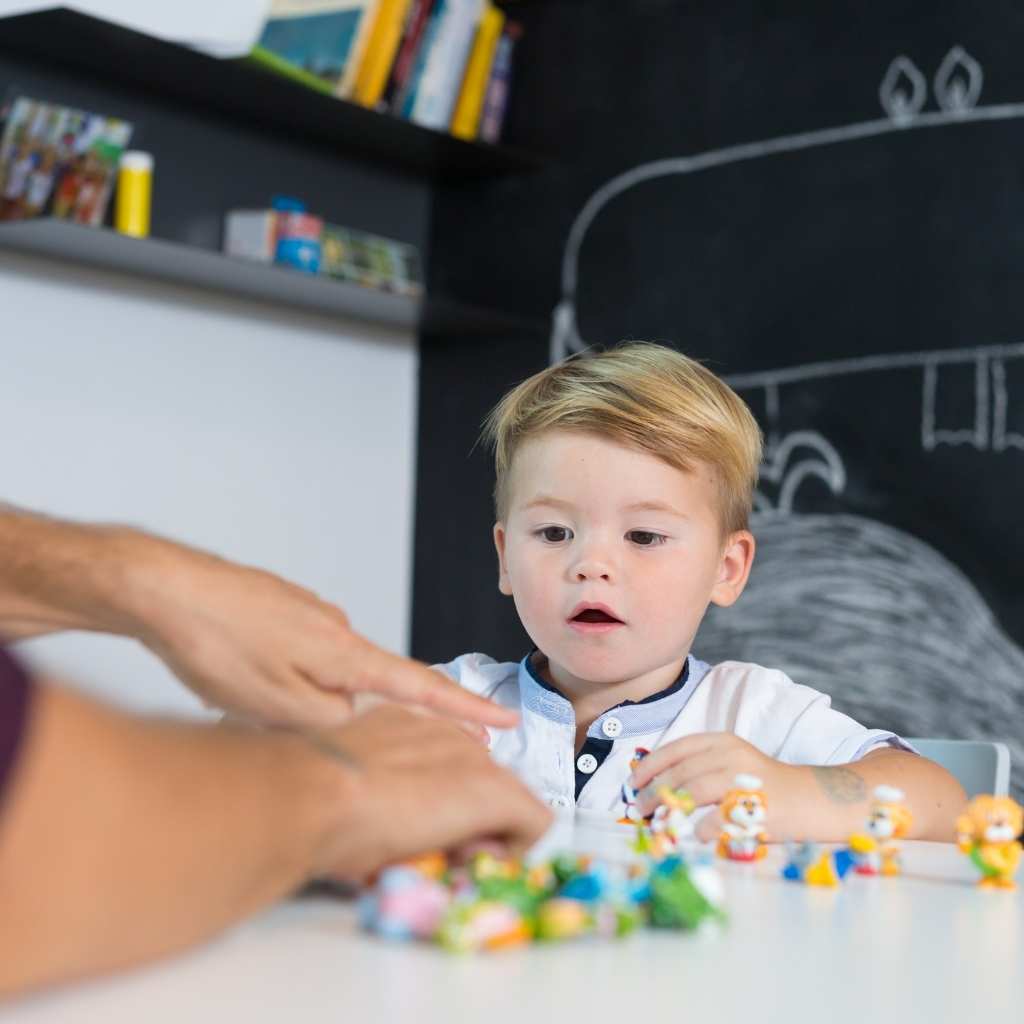
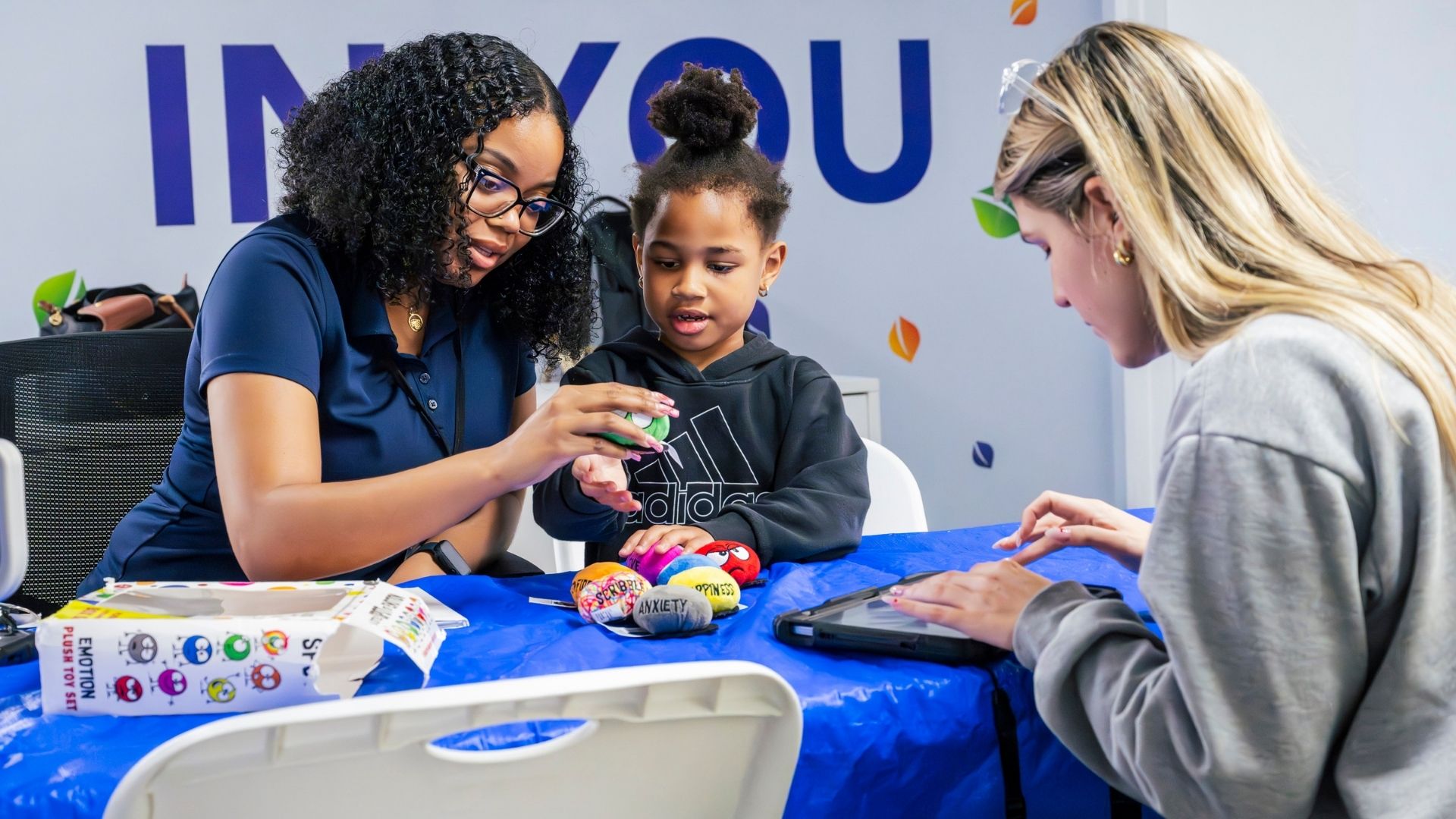
A session centered on play-based ABA for toddlers often looks remarkably similar to a child spending quality time with a supportive adult while working on therapy strategies:
Building Connection
The therapist begins by joining activities the child already enjoys. This helps establish trust and creates positive associations with therapy.
Following the Child’s Interests
Instead of forcing participation in unfamiliar activities, therapists often use favorite toys, songs, or games as starting points for learning opportunities.
Encouraging Communication
During play, the therapist creates opportunities for the child to communicate needs, preferences, or requests.
Teaching Social Skills
Simple interactions such as taking turns, making eye contact, sharing attention, or responding to another person’s actions become opportunities for learning.
Reinforcing Success
When children practice new skills, therapists provide encouragement and positive reinforcement that motivates continued participation.
This combination of ABA therapy and play helps toddlers learn naturally while reducing frustration and maintaining engagement throughout the session.
What’s the Difference Between Play Therapy and Play-Based ABA?
Although the names sound similar, these approaches serve different purposes.
Play therapy is generally a mental health intervention that uses play to help children express emotions, process experiences, and develop emotional understanding.
Play-based ABA, on the other hand, uses principles of La terapia de Análisis del Comportamiento Aplicado to teach specific developmental and functional skills.
While both approaches value play, play-based ABA for toddlers typically focuses on measurable goals such as:
- Communication development
- Social interaction skills
- Habilidades de la vida diaria
- Learning readiness
- Adaptive behaviors
- Independence
The structure behind ABA therapy and play allows therapists to monitor progress, adjust strategies, and ensure that skills are generalized across different settings and situations.
Can a Toddler Get Burned Out from Play-Based ABA Therapy?
This is a common concern among parents, especially after hearing misconceptions about autism treatment.
Quality play-based ABA should not feel overwhelming, punitive, or exhausting.
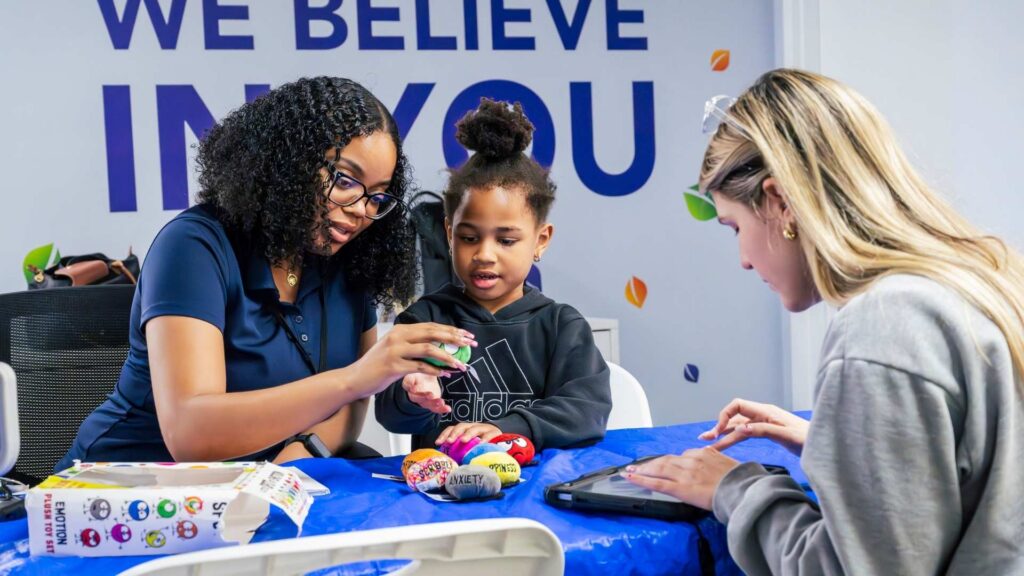
Modern ABA programs emphasize individualized care, child-led engagement, and developmentally appropriate goals. Therapists monitor each child’s motivation, energy level, and emotional responses throughout sessions.
A growing body of investigación underscores the importance of compassionate, personalized intervention approaches that prioritize quality of life and meaningful participation for people with autism.
If a child appears tired, frustrated, or disengaged, therapists can adjust activities, incorporate breaks, or shift focus to maintain a positive experience.
When implemented appropriately, play-based ABA for toddlers balances learning and enjoyment while respecting the child’s needs and developmental stage.
How ABA Therapy and Play Help Children Thrive
Every child with autism is unique, but many families seek support in similar areas:
- Communication challenges
- Social interaction difficulties
- Limited play skills
- Difficulty adapting to changes
- Delays in daily living skills
Experts have demonstrated positive outcomes in communication, social engagement, and developmental learning among young children with autism when ABA therapy and play are used.
By integrating learning into enjoyable experiences, play-based ABA helps children build confidence while developing skills they can use in everyday life.
Over time, play-based ABA for toddlers may support:
- Stronger communication abilities
- Increased social engagement
- Greater independence
- Improved flexibility
- Enhanced learning readiness
- Better participation at home, school, and in the community
Most importantly, ABA therapy and play help children discover new ways to connect with the people and world around them.
Supporting Your Child’s Next Steps with ABA Centers of New Jersey
Choosing autism services can feel overwhelming, especially after receiving a diagnosis. Understanding how play-based ABA works can help families feel more confident about the path ahead.
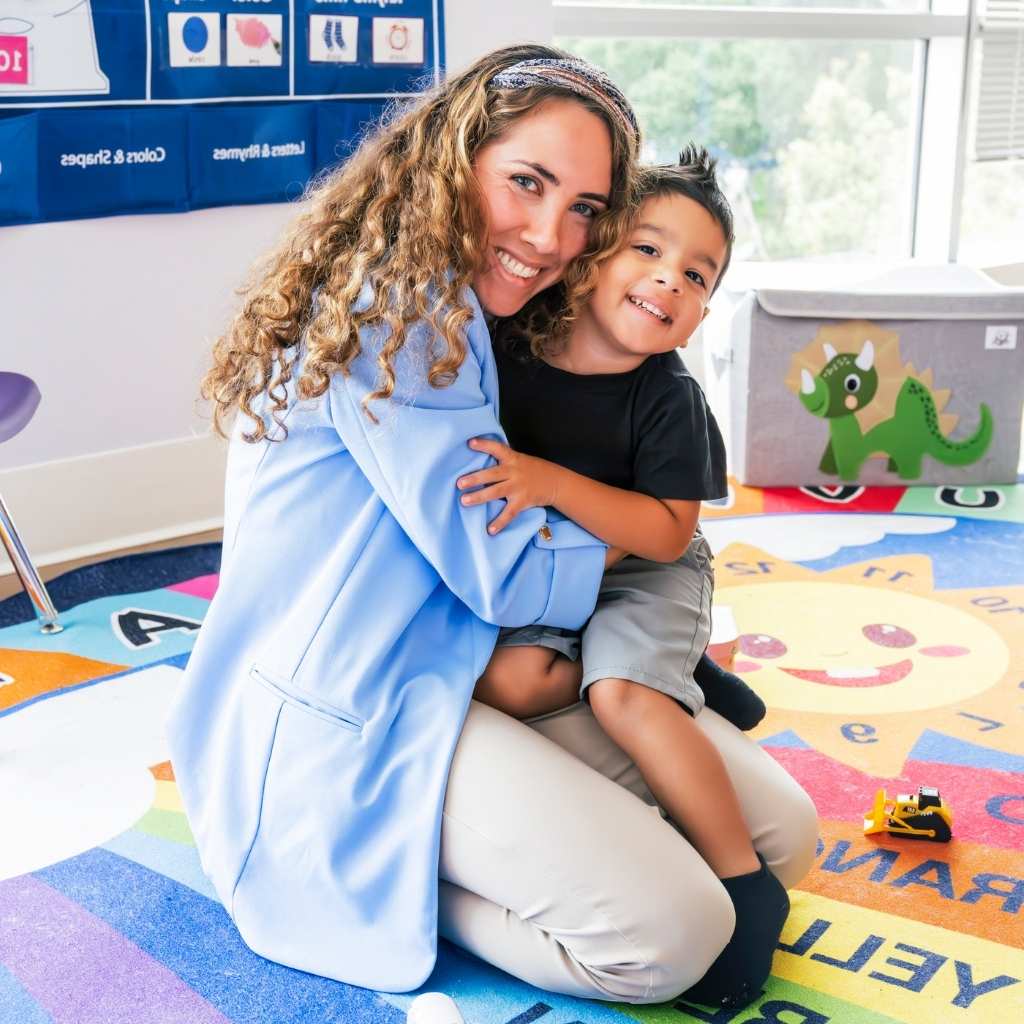
For many young children, play-based ABA for toddlers provides a supportive and engaging way to build communication, social, and daily living skills through activities they naturally enjoy. By combining evidence-based strategies with meaningful play experiences, ABA therapy and play create opportunities for growth that are both effective and enjoyable.
If you’re exploring autism services and wondering which approach may be right for your child, the team at ABA Centers of New Jersey puede ayudar.
Contact us today to learn more about our individualized ABA programs and to schedule a free consultation to discuss your child’s unique strengths, needs, and goals by calling (855) 640-7888 o clicking here.


 Español
  English