
Tabla de contenido
What Kind of Accommodations for Autism Are Available?
Starting school is a major milestone for every family. Still, for parents of children with autism, it often comes with additional questions regarding expected and much-needed accommodations for autism at school:
- Will my child with autism receive the support they need?
- How do I communicate with teachers about my child’s condition?
- What educational services are available?
- Most importantly, how can I make sure my child’s unique strengths and needs are recognized?
Comprender accommodations for autism at school is one of the most valuable ways parents can prepare for a successful educational journey.
Knowing how schools evaluate student needs, develop individualized plans, and collaborate with families can make the process feel far less intimidating. Every child learns differently, and there is no one-size-fits-all approach.
The goal is not to seek as many services as possible, but to ensure that supports reflect each child’s individual profile while encouraging long-term independence and academic growth.
Keep reading this guide by ABA Centers of New Jersey and discover how learning about autism and school helps parents become informed partners who can participate confidently in educational decisions and practice effective autism advocacy.
Why Accommodations for Autism at School Make a Difference
Children with autism may experience challenges related to communication, sensory processing, executive functioning, or social interaction that affect their learning environment. Appropriate accommodations for autism at school help reduce these barriers, enabling students to access instruction more successfully without changing learning expectations.
Rather than focusing only on areas of difficulty, accommodations should build upon a student’s strengths while providing practical strategies for navigating the school day. As children develop, these supports should also evolve to reflect changing educational needs.
Research published by the National Library of Medicine highlights the importance of individualized educational planning for students with developmental disabilities, emphasizing that tailored supports can improve participation, engagement, and overall educational experiences.
For New Jersey families, understanding how autism and school intersect allows parents and educators to work together toward meaningful educational progress while ensuring accommodations for autism at school remain individualized and effective.
Autism and School: Understanding IEPs, 504 Plans, and Evaluations
Learning about autism and school begins with understanding the educational services available. Although many parents hear terms like “IEP” and “504 Plan,” each serves a different purpose.
Individualized Education Program (IEP)
The IEP is designed for students who qualify for special education services under the Individuals with Disabilities Education Act (IDEA). It outlines measurable educational goals, specialized instruction, related therapies, and appropriate accommodations for autism at school based on the student’s individual needs.
Section 504 Plan
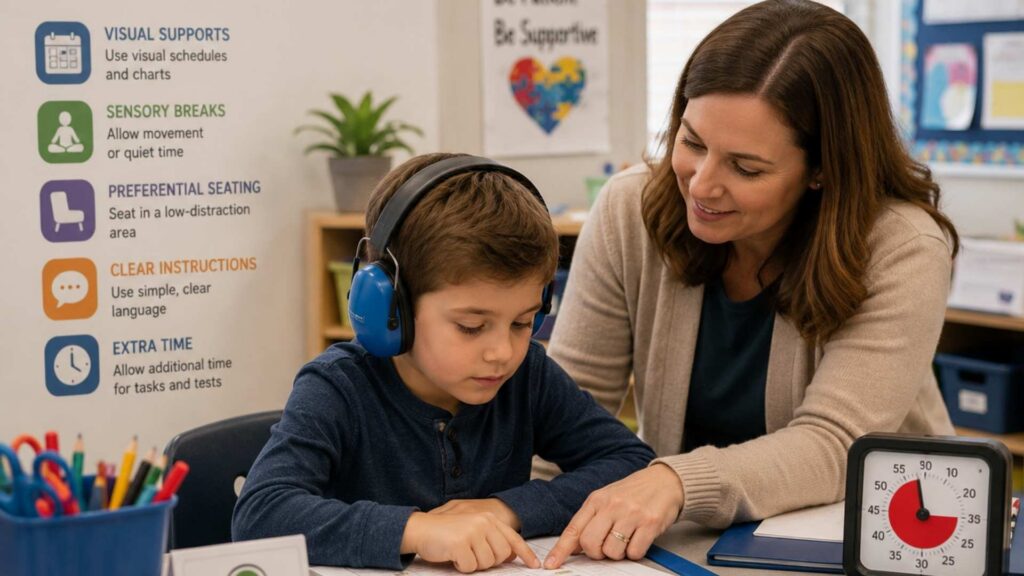
On the other hand, a Section 504 Plan provides classroom accommodations for students who need equal access to learning but do not require specialized instruction. Depending on the child, supports may include preferential seating, visual schedules, sensory breaks, extended testing time, or reduced distractions.
Evaluations play an important role in determining eligibility and identifying which services best support the child. Parents should feel comfortable asking how recommendations are made and how progress will be monitored over time.
Developing a strong understanding of autism and school systems helps families participate more confidently in these decisions.
Autism Advocacy Starts with Collaboration
Effective autism advocacy is built on communication, preparation, and collaboration—not conflict. While parents know their child better than anyone else, educators contribute valuable observations from the classroom. Combining these perspectives often leads to stronger educational planning.
Before school meetings, it can be helpful to organize:
- Recent evaluations
- Therapy recommendations
- Medical documentation, when appropriate
- Classroom concerns
- Examples of successful strategies used at home
- A written list of questions or priorities
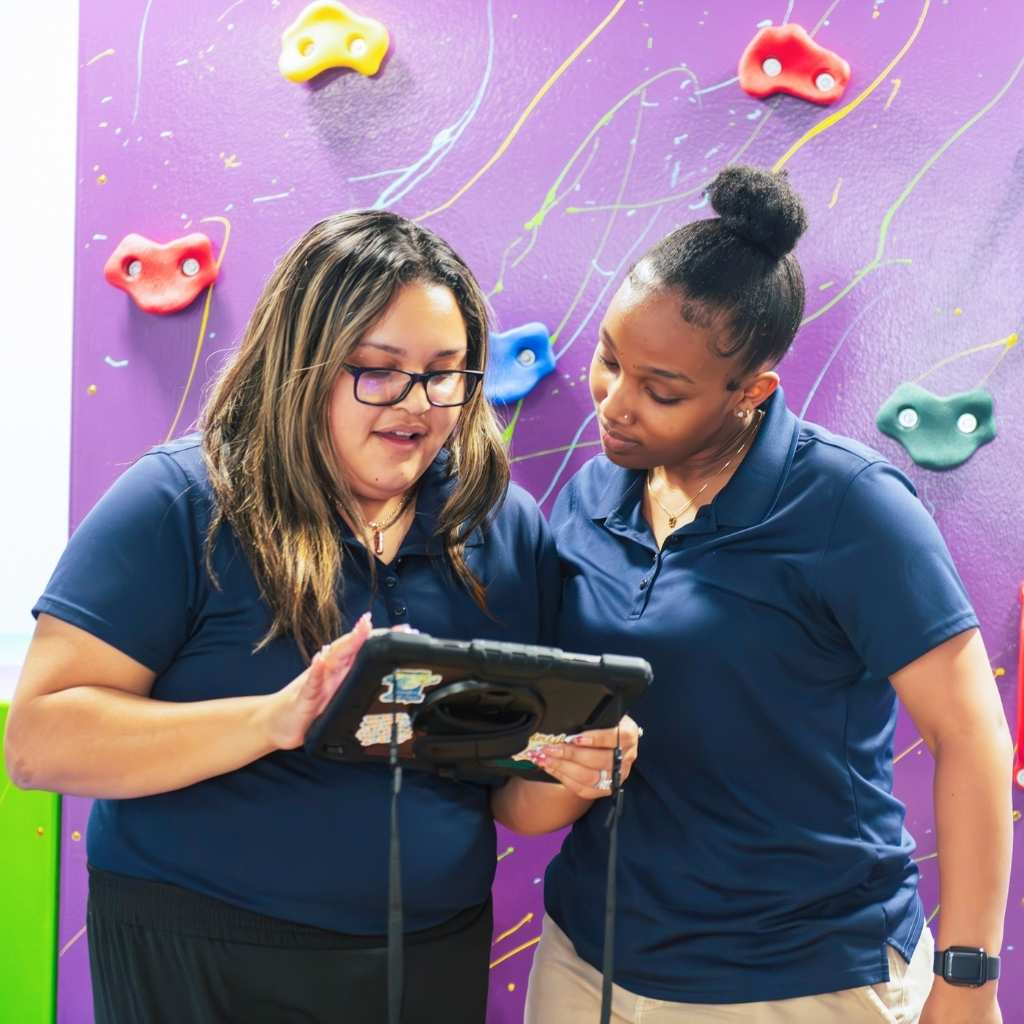
Maintaining organized records supports stronger autism advocacy by helping conversations remain focused on the child’s individual needs rather than isolated concerns.
Según investigación, collaborative partnerships between families and professionals contribute to improved educational planning and more positive experiences for children with developmental disabilities.
7 Questions That Strengthen Autism Advocacy During School Meetings
Parents are important members of every educational team. Asking thoughtful questions not only supports autism advocacy but also encourages productive discussions about accommodations for autism at school.
Some helpful questions include:
- What are my child’s greatest classroom strengths?
- Which situations seem most challenging?
- How will progress be measured?
- Which accommodations for autism at school have been effective?
- How will communication between home and school be maintained?
- When should the educational plan be reviewed?
- What adjustments can be made if supports are no longer meeting my child’s needs?
These conversations encourage flexibility and reinforce that autism and school planning should evolve as children continue to learn and grow.
Examples of Accommodations for Autism at School
The best accommodations for autism at school are individualized and based on a student’s specific learning profile rather than the diagnosis alone. As children grow, their supports should be reviewed regularly to ensure they continue to meet their educational needs.
Challenge Area | Classroom Accommodation | How It Helps the Student |
Sensory Regulation | Noise-reducing headphones during assemblies; preferential seating away from loud air vents; access to a designated “quiet corner.” | Minimizes chronic environmental sensory overload, keeping the nervous system regulated so the child can focus on academic learning. |
Transitions & Timing | Visual daily schedule on desk; 5-minute warnings before changing activities; passing periods scheduled 2 minutes before the bell rings. | Reduces the high anxiety associated with unexpected routine changes and navigates crowded, loud hallways safely. |
Communication Support | Acceptance of alternative communication (AAC tablets/signs); visual choice boards; allowing oral responses instead of essay writing; extra time for assignments. | Ensures the student can demonstrate their true cognitive knowledge without being bottlenecked by verbal or fine-motor deficits. |
Executive Function | Assignments broken into small, color-coded steps; visual checklists for packing their backpack; visual timers on the desk. | Bypasses working-memory gaps and organization struggles, preventing the child from becoming paralyzed by large projects. |
Depending on the student, effective accommodations for autism at school may also include:
- Visual schedules and written instructions
- Scheduled sensory or movement breaks
- Social narratives for transitions or new routines
- Positive behavioral supports
- Alternative ways to complete assignments or demonstrate learning
El Organization for Autism Research explains that individualized academic supports can improve participation, independence, and classroom success when accommodations are tailored to each student’s strengths and needs.
Keeping Autism and School Plans Flexible
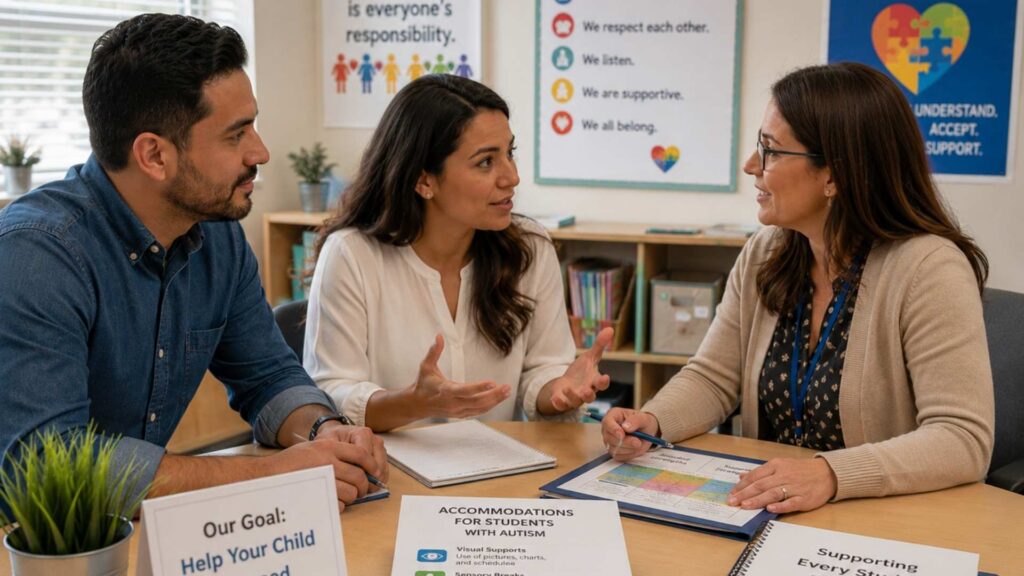
One of the most important aspects of autism and school planning is recognizing that educational supports are not permanent. As children develop new skills and classroom expectations change, schools should revisit accommodations for autism at school to determine whether adjustments are needed.
Families can support this process by maintaining regular communication with teachers, monitoring progress, and sharing changes they observe at home. This collaborative approach strengthens autism advocacy while helping educational teams make informed decisions throughout the school year.
Research available through ERIC (Education Resources Information Center) suggests that strong family-school partnerships contribute to more effective educational planning and improved student outcomes.
Building Confidence Through Autism Advocacy
Successful autism advocacy is not about having all the answers, but about asking thoughtful questions, staying informed, and working collaboratively with the people who support your child every day.
For families navigating autism and school in New Jersey, keeping organized records, preparing for meetings, and maintaining open communication with educators can make discussions more productive and help ensure that accommodations for autism at school continue to reflect the child’s evolving needs.
Every child deserves an educational environment where they can participate, learn, and build confidence. Effective autism advocacy helps make that possible by ensuring decisions remain centered on the individual child rather than assumptions about autism.
Supporting Your Child’s Educational Journey
Navegar por las autism and school can feel overwhelming at first, but families do not have to do it alone. Understanding accommodations for autism at school, participating in collaborative planning, and practicing informed autism advocacy can help create a positive educational experience that reflects your child’s unique strengths and needs.

En ABA Centers of New Jersey, we partner with families throughout every stage of their child’s development, from comprehensive autism evaluations to individualized ABA therapy and family collaboration.
If you’d like to learn more about our services or discuss your child’s educational needs, call us at (855) 640-7888 or visit our Contact page to schedule a consultation.
*Educational Disclaimer: This article is intended for informational and educational purposes only and should not be considered legal advice. Educational rights, eligibility, and school procedures may vary depending on your child’s individual circumstances and applicable federal and New Jersey laws.





 Español
  English