
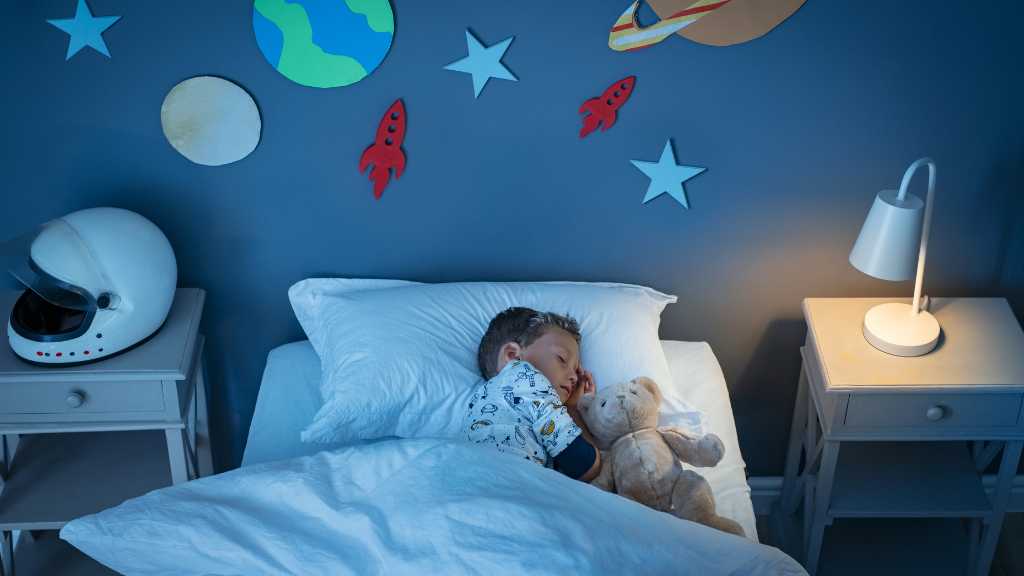

Several factors contribute to this strong connection:
- Differences in circadian rhythm and melatonin production
- Heightened sensory sensitivity to light, sound, or touch
- Anxiety and difficulty transitioning between activities
- Communication challenges that make it hard to express discomfort
- Co-occurring medical conditions, including gastrointestinal issues and epilepsy
Los estudios que show that these biological and behavioral factors often interact, making sleep disruptions persistent rather than temporary.
Common Autism and Sleep Disorders Families Encounter
When discussing autism and sleep disorders, it is essential to recognize that sleep challenges take many forms. Some children struggle to fall asleep, while others wake frequently throughout the night or rise very early in the morning.
The most common autism and sleep disorders identified in clinical and research settings include:
- Insomnia, including delayed sleep onset and frequent nighttime awakenings
- Circadian rhythm disorders, where sleep–wake cycles are misaligned
- Parasomnias, such as night terrors or sleepwalking
- Restless sleep, often linked to sensory discomfort or anxiety
Systematic reviews confirm that autism and sleep disorders are strongly associated with increased daytime irritability, attention difficulties, and emotional dysregulation.
The Overlooked Role of Autism and Sleep Apnea
One area receiving growing attention is autism and sleep apnea. Obstructive sleep apnea occurs when breathing repeatedly stops and starts during sleep, leading to fragmented rest and reduced oxygen levels.
Children on the autism spectrum may be more likely to experience sleep apnea due to:
- Low muscle tone affecting airway stability
- Enlarged tonsils or adenoids
- Craniofacial differences
- Limited ability to report symptoms like choking or gasping
According to studies published in the Journal of Clinical Sleep Medicine, untreated sleep apnea can worsen attention, behavior, and learning challenges in autistic children. Recent clinical reviews emphasize that autism and sleep apnea often go undiagnosed because symptoms may be mistaken for behavioral issues rather than sleep-related concerns.
How Sleep Disturbance Affects Behavior and Development
The impact of autism and sleep disturbance extends far beyond bedtime. Research consistently links poor sleep with increased behavioral challenges, including aggression, self-injury, hyperactivity, and emotional reactivity.
A large systematic review found that children experiencing chronic sleep problems showed:
- Reduced emotional regulation
- Greater difficulty with attention and learning
- Increased comportamientos repetitivos
- Higher levels of family stress
In other words, sleep is not a “secondary” issue; it directly influences how children with autism engage with the world during the day.

Practical Strategies to Address Autism and Sleep Disorders
While there is no universal solution, research supports several practical approaches to managing autism and sleep disorders more effectively.
- Consistent routines
Predictable bedtime routines help signal the brain that sleep is coming. Visual schedules, calming activities, and consistent timing can be constructive for children on the spectrum.
- Sensory-aware sleep environments
Adjust lighting, temperature, bedding textures, and noise levels to meet your child’s sensory needs. Even small changes can reduce nighttime arousal.
- Behavioral sleep interventions
Experts often recommend behavior-based approaches as first-line treatments before medication. These focus on gradual changes, reinforcement, and consistency.
- Medical screening
If sleep issues persist, screening for conditions such as gastrointestinal discomfort, autism, and sleep apnea is essential.
Where ABA Therapy Fits into Sleep Support
Applied Behavior Analysis (ABA) therapy can play a valuable role in addressing autism and sleep disturbance, particularly when sleep challenges are rooted in behavior, anxiety, or difficulty with transitions.





 Español
  English