
Signs of Autism at Age 3: What Does It Look Like Day to Day?

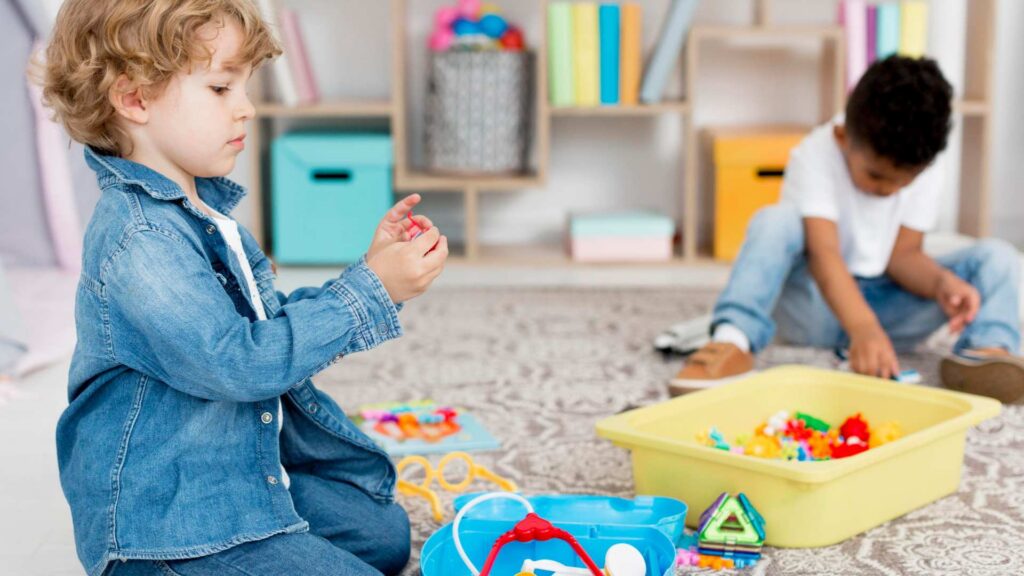
Two young children play separately with toys in the same room, illustrating signs of autism at age 3, such as not showing interest in peers.

Table of Contents

What Are the Signs of Autism at Age 3?

The signs of autism at age 3 can be noticed in how a child communicates, interacts with others, and responds to everyday situations. These differences may include speech, social engagement, play, and behavior, and they tend to be more noticeable because, at this age, children are expected to be more interactive and independent.

Usually, when they’re three, children are talking more, asking questions, and engaging with others in meaningful ways. They participate in group activities, follow directions, and begin forming simple friendships.

This is why the signs of autism at age 3 can feel clearer. What may have once seemed like a delay may now appear as a consistent pattern across communication, behavior, and interaction.

In this blog by ABA Centers of New Jersey, we will explore these signs in more detail to help families better understand what to look for and when to seek support. If you have concerns about your child’s development, don’t hesitate to reach out to our team. Early guidance can make a meaningful difference.

What Are the Changes That Make Signs of Autism at Age 3 More Noticeable?

As children grow, expectations increase. At 3, development becomes more visible in everyday interactions. Most children at this age begin to:

  • Speak in short sentences
  • Ask and answer simple questions
  • Engage in imaginative play
  • Follow multi-step instructions
  • Show interest in other children
  • Express their needs and emotions more clearly

The CDC’s 3-year developmental milestones highlight these abilities as key indicators of how children begin to communicate, interact, and participate more actively in their environment.

When these skills are delayed or missing, the signs of autism at age 3 may become easier to recognize in both home and social settings.

Signs of Autism at Age 3 in Social Interaction

One of the most noticeable signs of autism at age 3 is how a child connects with others.

Parents who begin to see clearer differences during playdates, preschool, or family gatherings tend to wonder what the early signs of autism in toddlers are. If you are asking yourself, “Does my 3-year-old have autism?”, here are some of the most common signs of ASD in social interaction:

1. Limited Interest in Peers

Most children show curiosity about other kids, even if they are still learning how to interact with them. But it may be the opposite for others, and they may:

  • Prefer to play alone most of the time
  • Not respond when other children try to engage
  • Avoid group activities
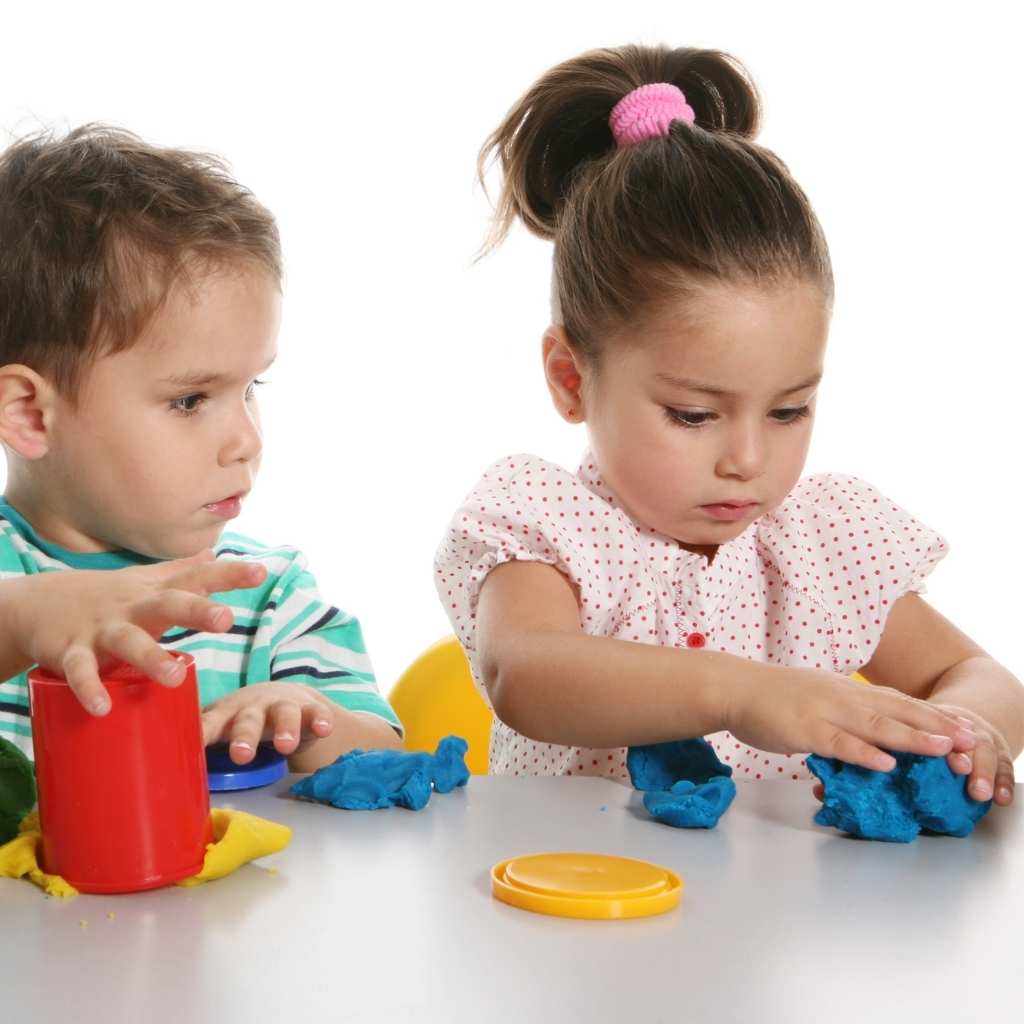
A child focused on shaping playdough while another child sits nearby, showing limited interest in peers, often seen in signs of autism at age 3.

2. Difficulty with Back-And-Forth Communication

At age 3, communication should become more interactive. You might notice:

  • Difficulty answering simple questions
  • Limited back-and-forth conversation
  • Repeating words instead of responding
  • Not initiating communication

3. Reduced Use of Eye Contact and Social Cues

At age 3, toddlers use eye contact, gestures, and facial expressions more frequently to communicate. But instead, some children may:

  • Avoid eye contact
  • Not respond to facial expressions
  • Struggle to understand tone or gestures

These differences can make social interaction more challenging.

Behavioral Signs of Autism at Age 3

Behavior is another area where the signs of autism at age 3 become more noticeable. Research from Children (MDPI) describes how repetitive behaviors, sensory differences, and a strong need for routine are common characteristics of the autism spectrum disorder that can become more defined during early childhood.

1. Repetitive Behaviors

You may observe:

  • Repeating movements or phrases
  • Playing in the same way repeatedly
  • Focusing on specific objects or parts

2. Strong Preference for Routines

A young child covering their ears and crying indoors, illustrating sensory sensitivities as one of the signs of autism at age 3.

While routines are common, some children depend on them more heavily.

This can include:

  • Distress when routines change
  • Difficulty transitioning between activities
  • Wanting things done the same way each time

3. Sensory Sensitivities

Some children experience strong reactions to sensory input, such as:

  • Sensitivity to sounds, textures, or lights
  • Avoidance of certain foods or clothing
  • Seeking specific sensory experiences

Communication Differences at Age 3

At this age, children are expected to use language more clearly, which can make communication challenges easier to notice.

Parents who are wondering, “Does my 3-year-old have autism?” often notice in their kids:

  • Limited vocabulary
  • Difficulty forming sentences
  • Repeating words or phrases (echolalia)
  • Using language without a clear purpose

Communication challenges are among the most common signs of autism, especially when they affect interactions with others.

How Signs of Autism at Age 3 Appear in Preschool Settings

Many families find that environments where kids are in groups highlight the signs of ASD more clearly.

In these settings, children are expected to follow instructions, participate in group activities, interact with peers, and adapt to new routines. But a child showing signs of being on the spectrum may:

  • Struggle with group participation
  • Have difficulty following directions
  • Show limited engagement with others
  • Become overwhelmed in structured environments different from what they know.

It’s always helpful to look beyond individual behaviors and focus on patterns across development. If you notice that any of these traits appear as frequent patterns, that may be a clear insight into the signs of autism at age 3.

What Happens When You Take the Next Step

Families want clearer answers about their child’s development at every stage. Instead of waiting, they should begin by speaking with their pediatrician, requesting developmental screenings, and tracking behaviors closely. If concerns continue, it would be a good option to explore a more comprehensive evaluation to better understand their child’s needs.

Taking this step can feel big, but it will hopefully bring clarity and direction. Research highlights that identifying autism early in childhood allows for timely access to support and better developmental outcomes, especially when concerns are addressed during the toddler years.

With the right support in place, children can begin building important skills early on. Early intervention with ABA therapy helps improve communication, strengthen social interaction, reduce frustration, and support smoother daily routines.

Taking The Next Step with Confidence in ABA Centers of New Jersey

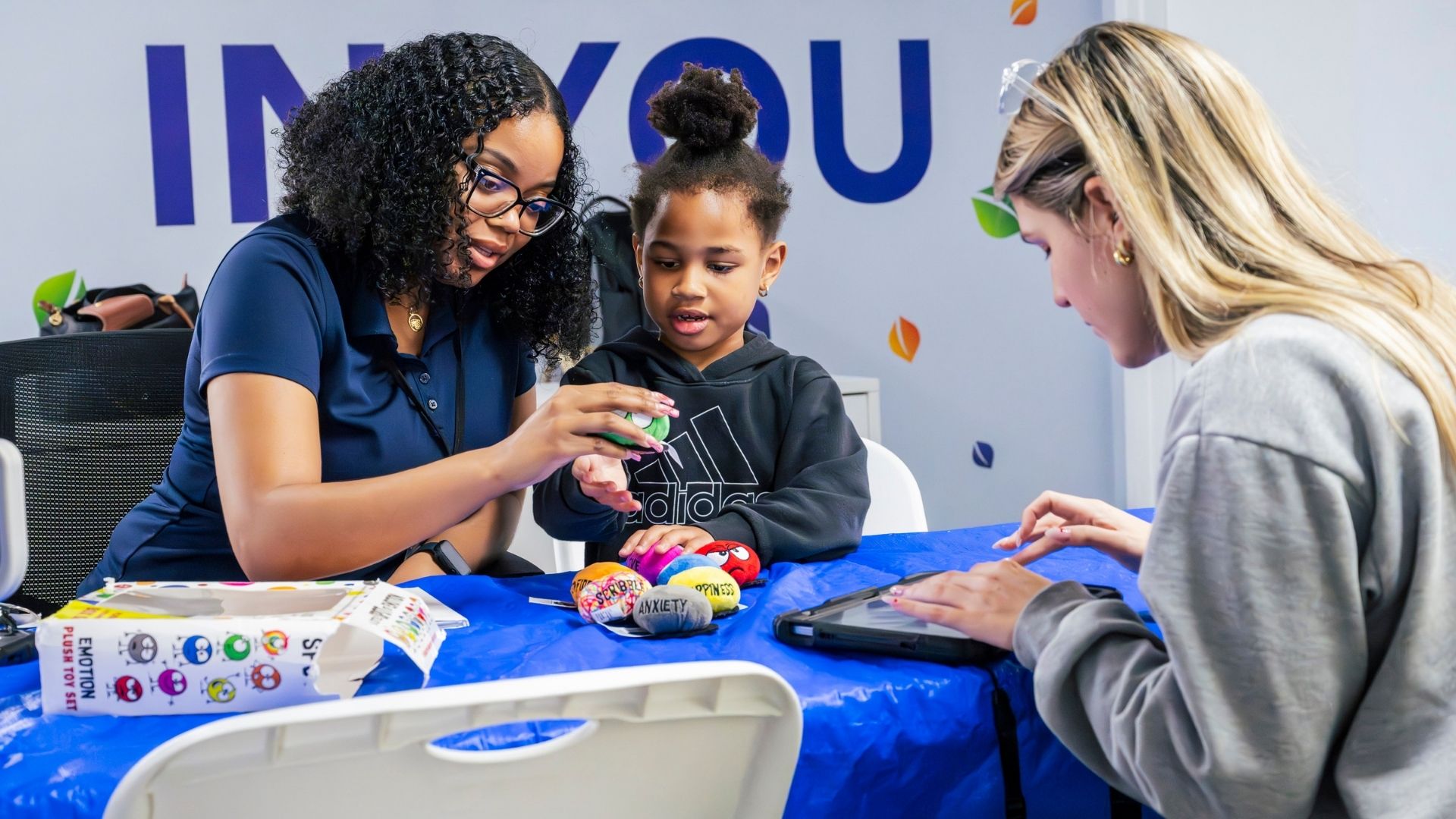
An adult gently working with a child during a learning session, representing early intervention through ABA therapy and awareness of signs of autism at age 3.

Recognizing autism traits in your child can feel overwhelming, especially when differences become more noticeable in social environments.

At ABA Centers of New Jersey, we work closely with families to help them understand their child’s development and guide them through the next steps with care and clarity.

If you’re noticing signs of autism at age 3 or asking yourself, “Does my 3-year-old have autism?”, reaching out can help you better understand what your child may need.

Reach out to us via our contact form, or call us at (855) 640-7888. Our team is here to support your family with personalized care and guidance every step of the way. You can find us in Bridgewater, Edison, Hackensack, Hoboken, Laurel Township, Monmouth Junction, and Freehold areas in New Jersey.
Get Social With Us

Related Posts

Types of Therapy for Autism How Do You Know What to Prioritize

Types of Therapy for Autism: How Do You Know What to Prioritize?

There are many autism therapy options, but your child may not need them all at once. Learn how families can compare therapies, prioritize meaningful goals, ...
Read More →
Coordinated Autism Care How to Align Your Child’s Team

Coordinated Autism Care: How to Align Your Child’s Team

Coordinated autism care can help families connect recommendations across home, school, healthcare, and therapy. Learn how to clarify each provider’s role, create a shared autism ...
Read More →
Group of preschool-aged children participating in a classroom activity

ABA Therapy for Preschoolers: How It Differs From ABA Therapy for Toddlers

How does ABA change as a child moves from toddlerhood into the preschool years? Learn how goals, teaching opportunities, and family involvement may evolve while ...
Read More →
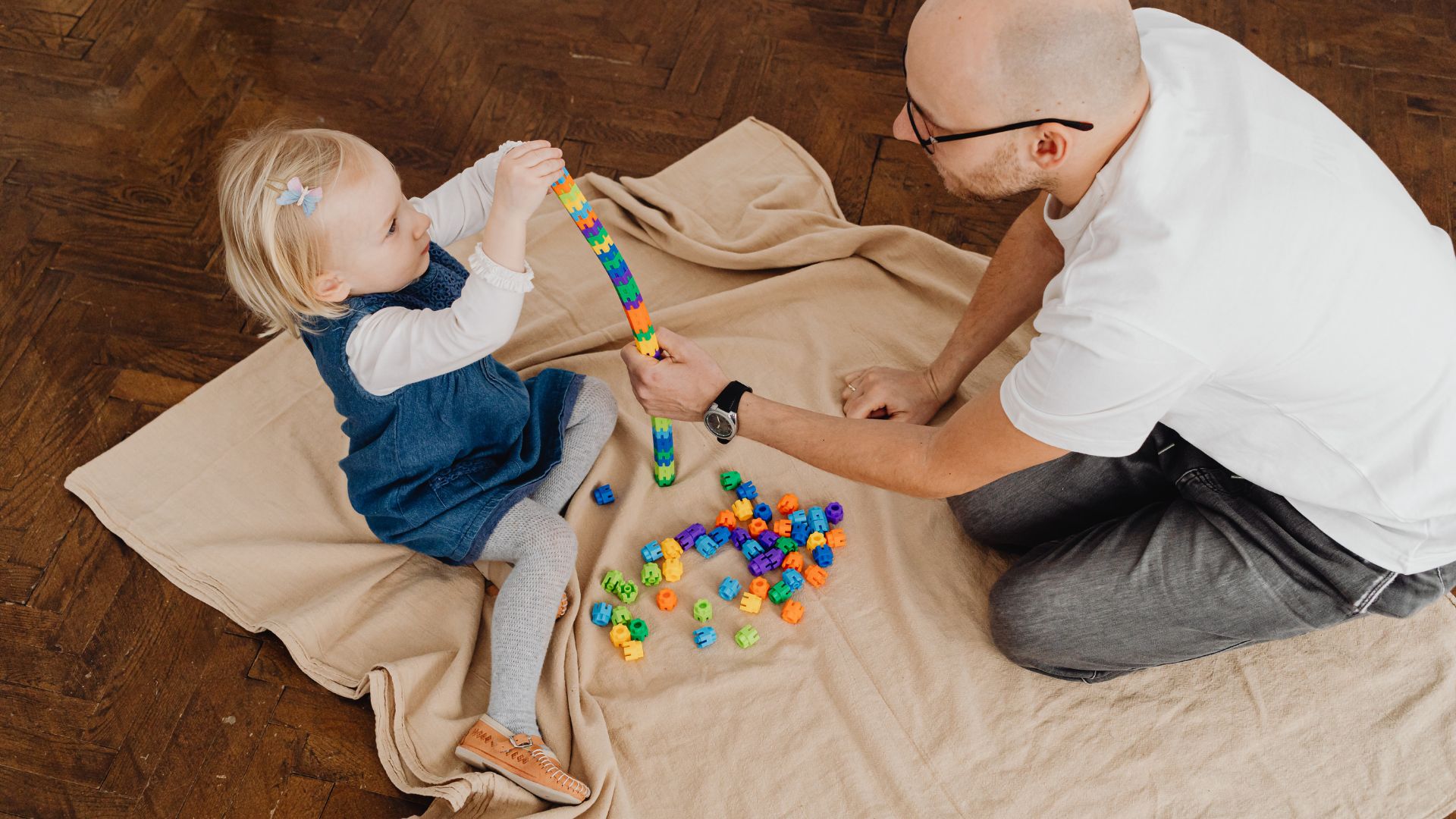
Parent and young child building with colorful blocks during playtime

ABA Techniques for Parents: Practical Ways to Support Your Child at Home

Explore six practical ABA techniques for parents that can help reinforce communication, independence, and other developing skills during everyday family routines; it’s not about recreating ...
Read More →
Autism and Halloween

Autism and Halloween: 8 Tips for a Safe Spooky Season

This blog by ABA Centers of New Jersey shows families how to plan a sensory-friendly Halloween with low-stress costumes, predictable routines, and inclusive activities.
Read More →
Understanding Level 1 autism and daily social communication differences. .Child playing with hand puppets

Level 1 Autism: Early Signs Parents Miss & What To Do Now

Level 1 autism is often misunderstood, especially when compared to outdated terms like Asperger’s. This guide breaks down what Level 1 truly means, how it ...
Read More →
en_USEnglish
Scroll to Top