
What Are the Signs of Autism in Girls?
Autism in girls does not always look the way many people expect. For years, autism research and diagnostic criteria were largely based on how autism presents in boys. As a result, girls with autism have often been overlooked, misunderstood, or diagnosed later in life.
Today, awareness is growing around the differences in how autism in girls can present compared to boys. While autism spectrum disorder is not biologically “different” in girls and boys, the outward expression of traits, coping strategies, and social adaptation can vary significantly. These differences can delay identification and prevent girls from receiving early support.
In this blog by ABA Centers of New Jersey, we explore how autism in girls may present differently, the percentage of girls diagnosed with autism, why many remain undiagnosed, the role of social camouflaging, and how families can support girls with autism in ways that build confidence without encouraging masking.
How Common Is Autism in Girls?
Autism is more frequently diagnosed in boys than in girls. Current data from the Centers for Disease Control and Prevention (CDC) estimates that autism occurs about 3.4 times more often in boys than in girls. However, researchers increasingly believe this ratio may reflect underdiagnosis rather than true prevalence.
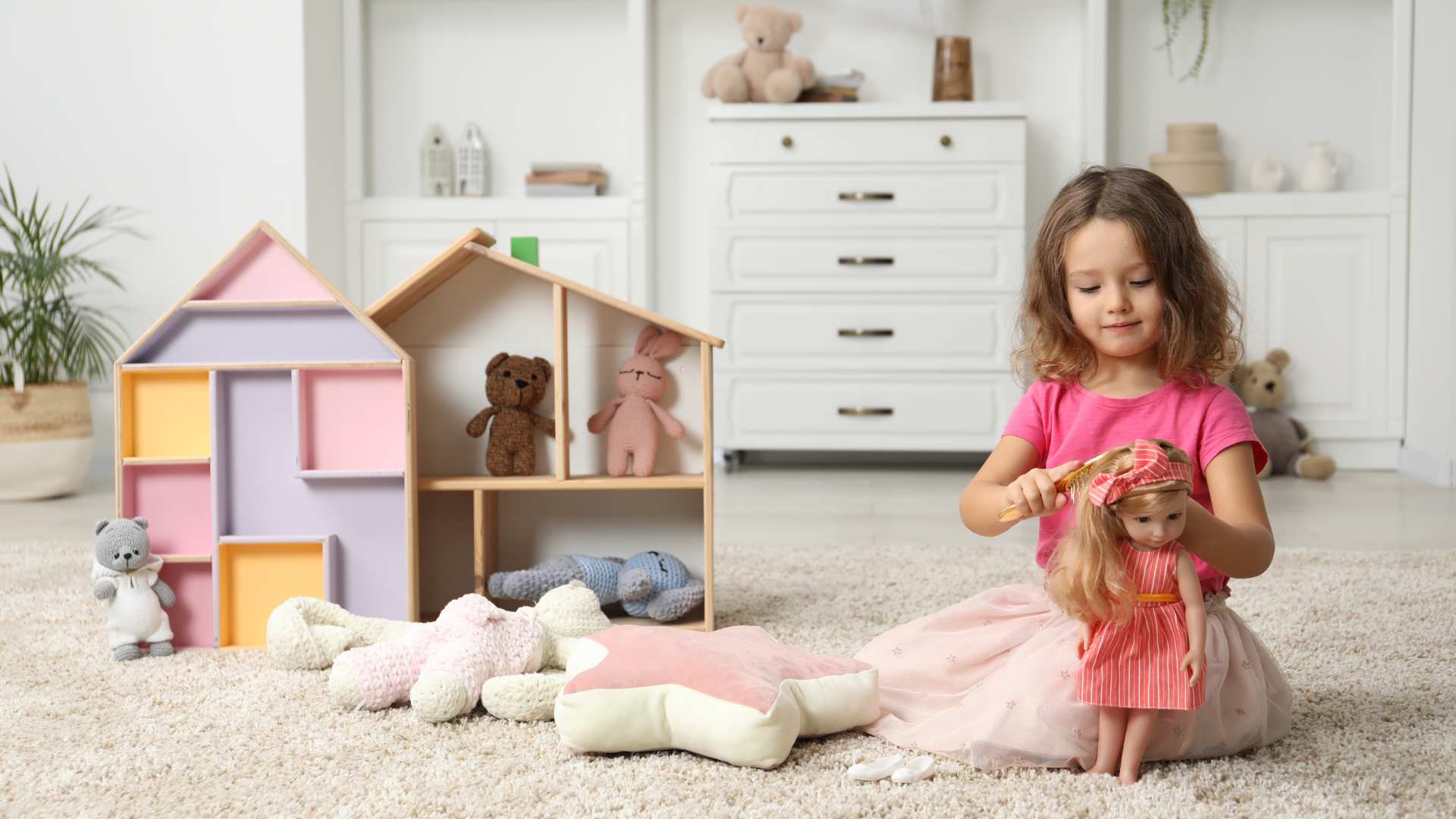
Recent studies suggest that many girls with autism may not meet traditional diagnostic expectations because their behaviors differ from stereotypical presentations. For instance, a girl might have an intense interest in collecting stuffed animals, but for parents or doctors, this is an “acceptable behavior for girls.” As understanding of autism in girls improves, identification rates are slowly becoming more accurate.
Does Autism Present Differently in Girls?
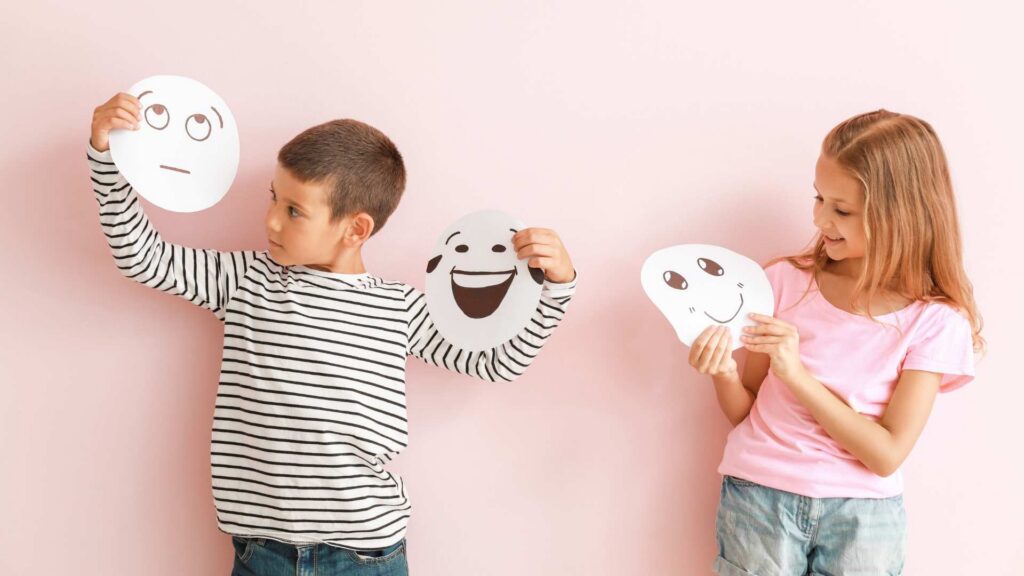
Autism in girls is not a separate condition, but its presentation can be subtler. Many girls develop coping strategies that make their challenges less visible in early childhood.
Subtle Social Differences in Girls with Autism
While boys with autism may display more noticeable social withdrawal or repetitive behaviors, girls with autism often appear socially interested. They may attempt friendships and observe peer interactions carefully. However, sustaining those relationships can be difficult.
Instead of overt social avoidance, girls with autism may struggle with:
- Interpreting social nuance
- Managing group dynamics
- Navigating unspoken social rules
- Understanding shifting friendship expectations
These challenges may not become fully apparent until later elementary or middle school years.
What Are the Signs of Autism in Girls?
The signs of autism in girls can overlap with those seen in boys, but they may appear differently or be expressed in more socially acceptable ways.
Some common signs of autism in girls include:
- Intense interests that align with socially typical themes but are unusually focused
- Strong preference for routine
- Sensory sensitivities
- Emotional exhaustion after social situations
- Difficulty maintaining friendships
- Advanced language, but challenges with conversational reciprocity
Because girls with autism may develop strong verbal skills, communication differences can be overlooked. Teachers and caregivers may interpret challenges as shyness, anxiety, or personality traits rather than autism.
Why Do Many Girls with Autism Go Undiagnosed?
Several factors contribute to delayed diagnosis in girls with autism.
Diagnostic Criteria Based on Male Presentation

The Emotional Impact of Social Camouflaging
Social camouflaging requires constant mental effort. Many girls with autism report feeling exhausted after social interactions because they are actively monitoring and adjusting their behavior.
Over time, masking can contribute to:
- Anxiety
- Low self-esteem
- Identity confusion
- Emotional burnout
When autism in girls is not recognized early, these internal struggles may intensify during adolescence.
How Can Parents Support Girls with Autism?
Parents and caregivers play a crucial role in supporting girls with autism, especially when traits are subtle.
Seek Evaluation When Concerns Persist
If a child demonstrates consistent signs of autism, even if academic performance is strong, a professional evaluation can provide clarity. Early identification allows for appropriate support.
2. Validate Emotional Experiences
Girls with autism may internalize social challenges. Providing space to discuss friendships, misunderstandings, and social fatigue can help reduce isolation.
3. Encourage Authentic Communication
Support should focus on helping girls express themselves clearly and confidently, rather than teaching them to hide differences.
4. Support Balanced Social Development
Structured social opportunities, small group activities, and interest-based interactions can help girls with autism build meaningful relationships in manageable settings.
How ABA Therapy Supports Girls with Autism
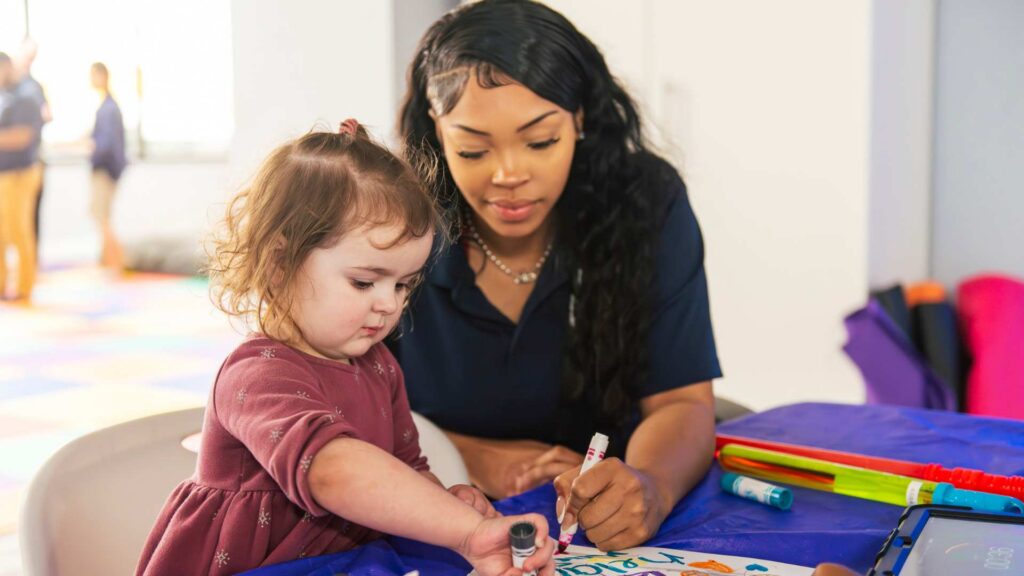
ABA therapy provides individualized support that can be adapted to the unique presentation of autism in girls. Rather than applying rigid expectations, therapy focuses on strengthening communication, social understanding, and coping strategies in ways that respect individual differences.
For girls with autism, ABA therapy may focus on:
- Navigating friendship dynamics
- Understanding social boundaries
- Managing sensory sensitivities
- Building self-advocacy skills
- Reducing anxiety related to social performance
Importantly, effective ABA therapy does not promote masking. Instead, it helps girls develop practical tools to manage communication and interaction in a way that feels sustainable.
How ABA Centers of New Jersey Supports Girls with Autism
ABA Centers of New Jersey provides personalized ABA therapy for boys and girls with autism across center, home, school, and community settings. Treatment plans are designed to strengthen communication, build social understanding, and promote independence while respecting each individual’s personality and strengths.
Our clinicians can develop therapy plans that emphasize coping mechanisms to support confidence and resilience without encouraging social masking. The goal is to help girls navigate communication and interaction naturally, rather than promoting behaviors that feel inauthentic.
Families who have concerns about autism in their loved ones or notice signs of autism in girls are encouraged to contact us at (855) 640-7888 or fill out our online form for a free consultation and learn about our autism evaluation process and individualized ABA support options.




 English
  Español