Autism and Friendship: Building Connections with Understanding and Support

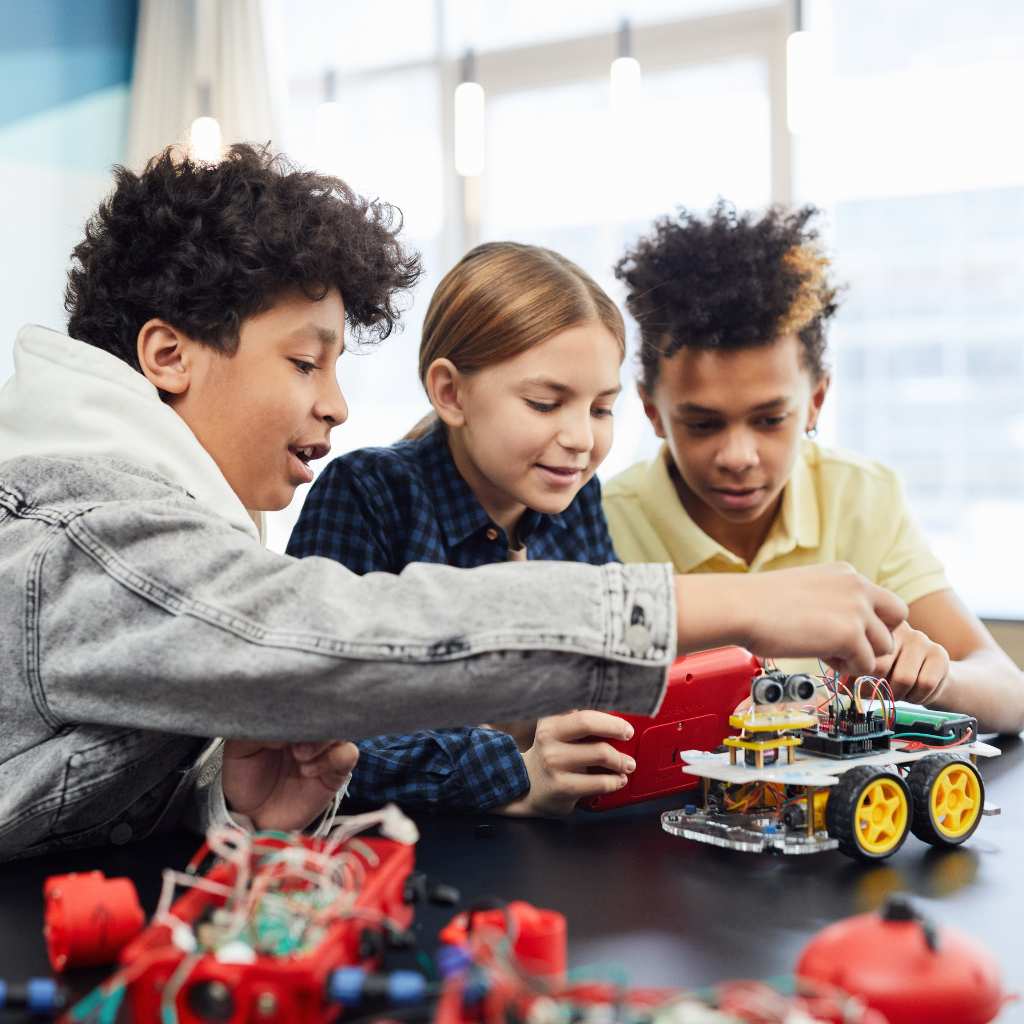
Two kids showing autism and friendship

Table of Contents

Do people with autism struggle with friendships?

Friendship plays a fundamental role in human well-being, affecting our emotional health, social development, and overall quality of life. For individuals on the autism spectrum, the journey of autism and friendship presents unique opportunities and challenges that deserve understanding rather than assumptions.

Understanding autism and friendship means recognizing that social connections don’t have to follow neurotypical patterns to be genuine and fulfilling. Many individuals with autism develop deep, loyal friendships that last for years, often built on shared interests, mutual respect, and authentic communication. The key is understanding how autism affects social interaction and finding approaches that work with, rather than against, natural autistic traits.

This understanding matters because misconceptions still persist. Many believe that individuals with autism are uninterested in socializing, but this is far from true. The reality is that with the proper support, children and adults with autism can form deep, lasting, and fulfilling friendships. So, if you are a parent wondering, “Do people with autism struggle with friendships?” keep reading this blog by ABA Centers of New Jersey and gain valuable insights.

What Friendship Means in Autism

For neurotypical children, making friends often happens through casual play, shared classrooms, or spontaneous social interactions. For children with autism and friendship, however, the process may require more intentional effort. Friendship may be built not on unspoken cues but on shared passions, whether it’s trains, video games, animals, or science.

Individuals with autism often thrive in friendships where expectations are clear, communication is direct, and shared interests serve as a foundation. These friendships may look different, but can be equally rewarding and meaningful.

Moreover, according to Frontiers in Psychiatry, individuals on the spectrum often describe valuing loyalty, shared interests, and authenticity over the “small talk” that tends to dominate neurotypical interactions. Friendship is not absent in autism, but it simply follows different rules.

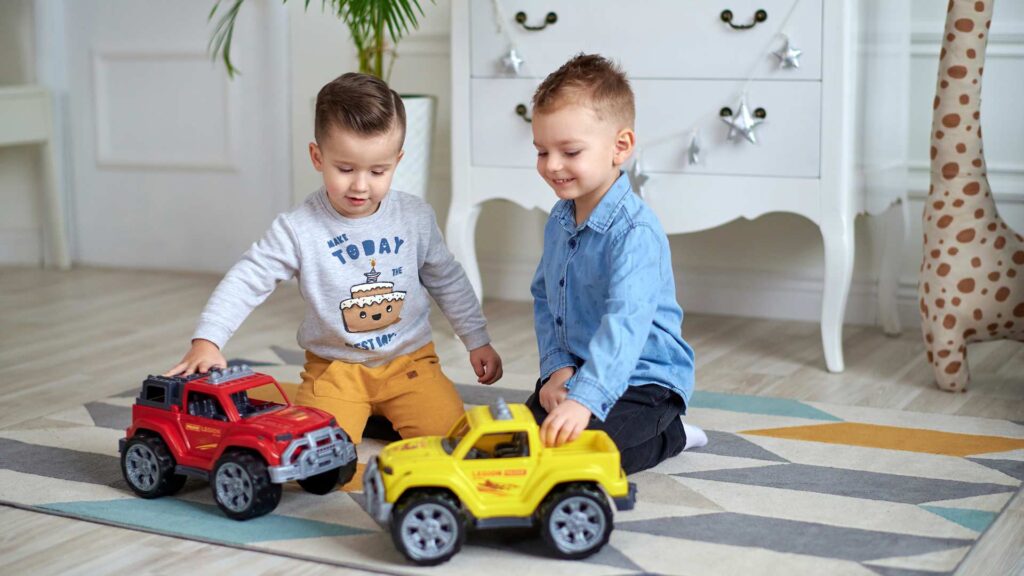
Kids playing

Common Challenges in Making Friends with Autism

Although the desire for friendship is strong, making friends with autism can be challenging. Some common barriers include:

  • Difficulty reading social cues: Facial expressions, tone of voice, or body language may be harder to interpret, leading to misunderstandings.
  • Sensory sensitivities: Noisy, bright, or crowded environments can make socializing overwhelming.
  • Preference for routines: Spontaneous or unpredictable social interactions can feel stressful.
  • Past experiences of exclusion: Bullying, rejection, or being misunderstood can lead to anxiety around forming new connections.

Moreover, research shows that loneliness is a significant concern. One study published in Sage Journals found that autistic adolescents were more likely to report feelings of social isolation, which correlated with increased anxiety and depression. Significantly, the presence of even one or two close, supportive friendships can dramatically improve emotional well-being and resilience.

Misconceptions About Autism and Friendship

Breaking down stereotypes is an essential step in helping neurotypical peers become supportive friends. Some of the most common misconceptions include:

  • “People with autism don’t want friends.”Many individuals genuinely want friendships but may express them differently.
  • “They always want to be alone.” While downtime can help with self-regulation, many actively seek social connection.
  • “They don’t feel emotions the same way.” In fact, many individuals on the spectrum experience emotions intensely. Their expressions may look different from neurotypical norms.

Recognizing and rejecting these misconceptions helps create an inclusive environment where autistic individuals feel valued.

5 Strategies to Support Friendship Development

Parents, caregivers, and educators play an essential role in helping children on the spectrum build the skills and confidence needed to improve their autism social skills. While friendships cannot be forced, creating supportive conditions dramatically increases the likelihood of success. 
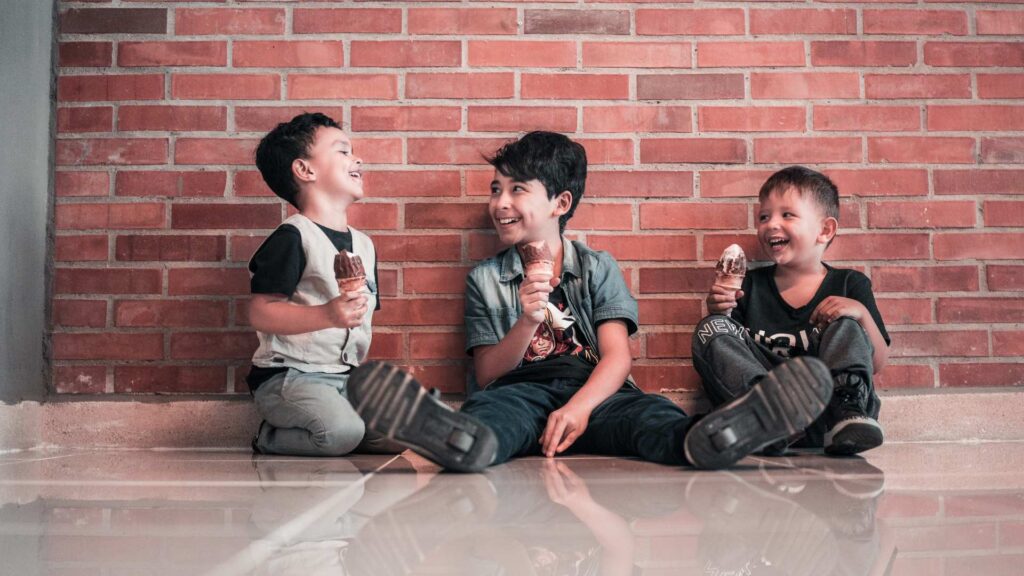
Friends having fun

  1. Encourage Shared Interests

Friendships often grow naturally when children connect over something they both enjoy. For individuals with autism, special interests, whether that’s dinosaurs, computer games, trains, art, or sports, can become a bridge for social interaction. Encouraging your child to join a club, class, or activity where they can celebrate their interests increases their chances of meeting peers who share the same passion.

  1. Practice Social Scenarios at Home

Role-playing at home can help children feel more confident in real-life social situations. This practice may include how to greet someone, how to join a group game, or how to respond if a peer asks them to share a toy.

  1. Facilitate Structured Social Activities

Unstructured playground time can sometimes be overwhelming, but structured social activities, such as team sports, music lessons, STEM clubs, or autism-friendly programs, give children opportunities to interact within clear guidelines.

  1. Strengthen Autism Social Skills Through Therapy

Developing social skills requires more than exposure; it often involves targeted teaching and practice. Individuals can learn skills such as taking turns, recognizing facial expressions, initiating conversation, and respecting personal space through a step-by-step approach using Applied Behavior Analysis (ABA) therapy.

  1. Respect Individual Preferences and Boundaries

Not every child wants a large circle of friends, and that’s okay. Some children with autism prefer one or two close, loyal companions rather than a big social network. Respecting these preferences allows them to form friendships that feel safe and meaningful rather than forced.

How Non-Autistic Peers Can Be Supportive Friends

Friendship is reciprocal. Neurotypical peers can also take intentional steps to build supportive and inclusive relationships.

  • Be patient and flexible. Allow friends with autism to engage in ways that feel comfortable.
  • Respect sensory needs. Avoid overly stimulating environments and be mindful of triggers.
  • Communicate clearly. Direct, honest communication is often appreciated.
  • Stand up against bullying. Advocacy and inclusion make a significant difference.
  • Include them in activities. Even simple invitations can foster belonging.

By creating space for authenticity, peers help autistic individuals feel accepted for who they are.
Supporting Social Growth at ABA Centers of New Jersey

When it comes to autism and friendship, the journey may look different, but the destination is just as meaningful. With acceptance, tailored support, and opportunities to practice autism social skills, children and teens on the spectrum can form deep, authentic relationships that last a lifetime. By working together, families, peers, educators, and therapy providers can create a culture of inclusion and kindness where autistic individuals thrive socially and emotionally.

At ABA Centers of New Jersey, every child and teen deserves the chance to experience fulfilling friendships. Through personalized ABA therapy, we support autism social skills development and create opportunities for safe, positive social interactions.

We provide:

  • Social skills groups where children practice real-life interactions with peers.
  • Community events and outings that encourage making friends with autism in supportive settings.
  • In-home and center-based therapy to target social growth across environments.
  • Parent and caregiver guidance so families can continue fostering friendships at home.

If you’d like to learn more about how ABA therapy can support your child’s social growth and friendships, contact us at (855) 640-7888 or schedule a consultation with our team.


Get Social With Us

Related Posts

Children smiling and celebrating together during a Sensory-Friendly Valentine’s Day, showing inclusive Valentine’s Day activities designed to support joyful and comfortable Valentine’s Day celebrations.

9 Sensory-Friendly Valentine’s Day Ideas for Kids with Autism

Valentine’s Day can be a fun and meaningful holiday for many families. It’s often filled with cards, candy, classroom parties, and lots of excitement. But ...
Read More →
Child sitting on the floor playing with an autistic Barbie doll

Autistic Barbie: Inclusive Play That Supports Autism Representation and Acceptance

Autistic Barbie is changing how autism is represented through inclusive play. She’s a symbol of autism representation, acceptance, and diversity.
Read More →
Student sitting on the ground with knees pulled close and headphones on, capturing a moment of overwhelm related to autism and mental health

Autism and Mental Health: Understanding Emotional Well-Being Across the Spectrum

Learn how autism and mental health intersect, common emotional challenges, and how to support emotional well-being in children with ASD.
Read More →
Child with autism sleeping in a calm bedroom, representing autism and sleep disturbance and common sleep disorders.

Autism and Sleep Disturbance: Understanding the Challenges and Finding Real Solutions

Sleep challenges are one of the most exhausting and overlooked parts of raising a child with autism. In this blog, we explore why sleep problems ...
Read More →
Navigating the Holidays with Autism 11 Essential Tips

Navigating the Holidays with Autism: 11 Essential Tips

This guide from ABA Centers of New Jersey aims to provide practical tips for managing the intersection of autism and Christmas. With the right approach, ...
Read More →
Understanding Level 1 autism and daily social communication differences. .Child playing with hand puppets

Explaining Level 1 Autism: A Compassionate Guide for Families

Level 1 autism is often misunderstood, especially when compared to outdated terms like Asperger’s. This guide breaks down what Level 1 truly means, how it ...
Read More →
en_USEnglish
Scroll to Top