


Most caregivers work full-time while assuming the day-to-day care of their children without receiving financial compensation. They face physical and emotional strain, juggling multiple responsibilities with limited resources. For aging caregivers, the impact intensifies as they face health issues of their own and consider how to ensure their children’s long-term well-being.
Caring for an individual requires constant emotional and physical exertion. When it comes to autism, many individuals on the spectrum may need continuous support for daily tasks, managing and attending therapies and medical appointments, and learning essential skills.
Being a caregiver can increase stress levels, anxiety, and depression and affect overall physical health. In addition, knowing that a loved one requires help for the rest of their life can lead caregivers to burnout.
The Challenges of Caregivers for Children with Autism
Caring for a child with autism involves unique challenges, from managing challenging behaviors to coordinating therapies and treatments. The financial demands are also significant, as the average cost of raising a child with autism in the United States exceeds $60,000 annually, according to Autism Speaks.
For older caregivers, these difficulties combine with natural aging. Loss of energy, chronic illness, and worry about their children’s future become factors that increase stress and anxiety. In addition, many experience social isolation, as constant caregiving limits opportunities to participate in community activities or develop support networks.
According to the National Library of Medicine, caregivers of individuals with autism are more likely to experience emotional, financial, and educational burdens and time management difficulties. In addition, parents of children with autism often experience increased sadness, anxiety, loneliness, isolation, and guilt.

5 Strategies for Aging Caregivers of Children with Autism
- Proactive Financial Planning: It is crucial to build a solid financial plan. Consider creating a special trust for your child to protect their government benefits while securing funds for their future. For financial planning, please consult with a financial professional who specializes in special needs.
- Family Support Networks: Involve other trusted family members or friends in your child’s care. Building a support network of family or close friends will not only ease your burden but will also ensure that others are familiar with your child’s needs and routines.
- Thorough Documentation: Create a detailed record of key information about your child, including their routines, medical treatments, dietary restrictions, and any specific needs. These documents will be invaluable to any future caregiver.
- Professional Support and Government Resources: Look for local organizations that provide support for older caregivers, such as the National Family Caregiver Support Program (NFCSP), which offers training and financial assistance.
- Emotional Preparation and Self-Care: Your emotional and physical well-being is vital. Consider joining support groups, practicing mindfulness techniques, or seeking individual therapy. Taking care of yourself will allow you to continue to care for your child with love and energy.
ABA Therapy as a Support Tool for Autism and Caregivers
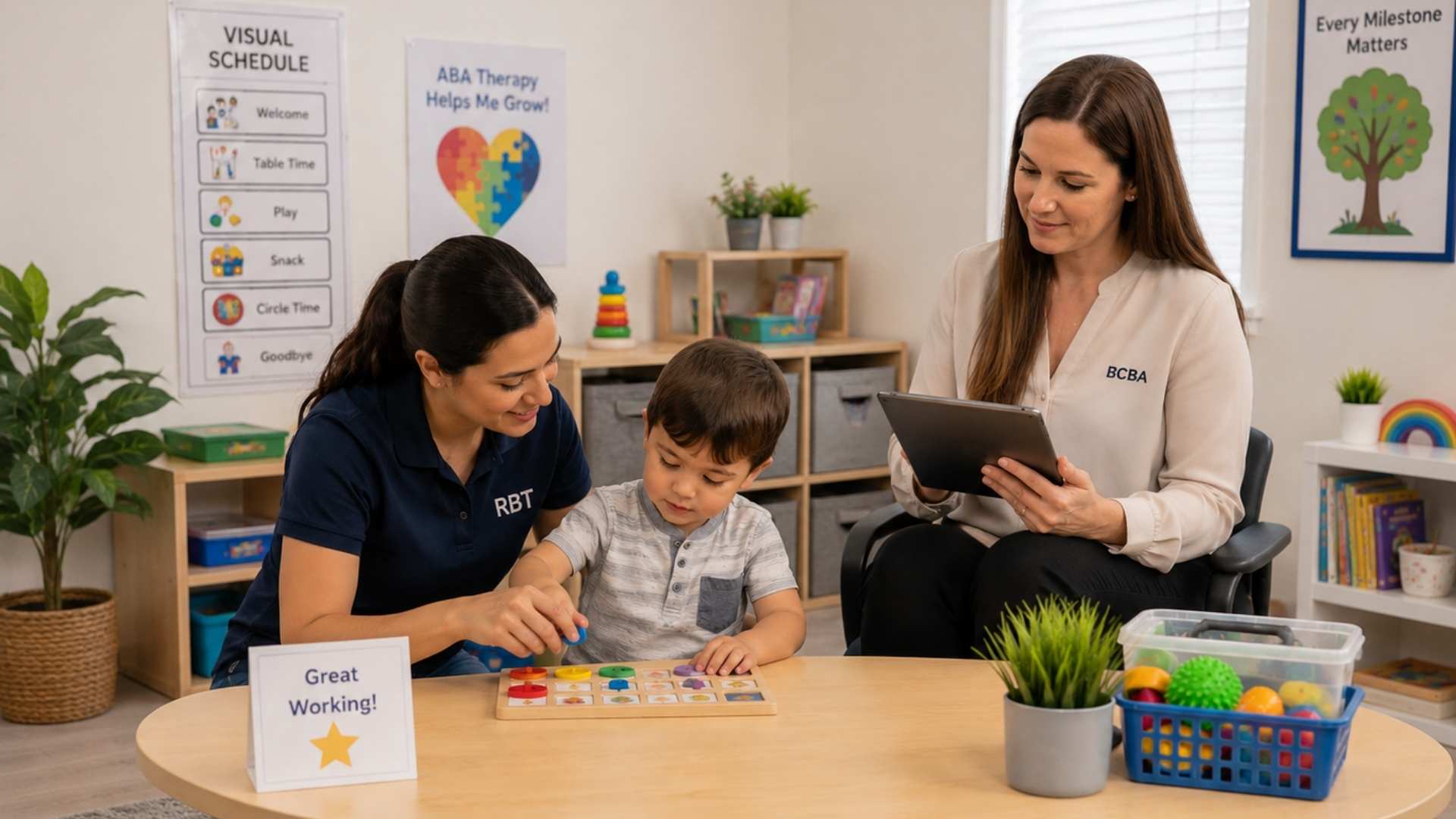
ABA (Applied Behavior Analysis) therapy is an evidence-based intervention that helps individuals with autism develop social, communication, and adaptive behavior skills. Although generally focused on children with autism, the benefits of ABA also profoundly impact caregivers.
How ABA benefits older caregivers:
- Practical behavior management strategies:
ABA focuses on understanding why certain behaviors occur and how to modify them positively. Therapists work directly with families to develop personalized intervention plans. ABA therapists help older caregivers manage challenging behaviors of their children with specific and compelling techniques. For example, instead of reacting to a child’s tantrum, ABA teaches how to prevent it by identifying triggers and reinforcing positive behaviors.
- Strengthening independent skills:
One of the main goals of ABA is to foster independence in individuals with autism. Through this therapy, children and teenagers learn practical skills, such as dressing, cooking, or managing personal hygiene. Learning essential skills reduces dependence on caregivers and gives them peace of mind about their children’s ability to successfully perform daily living activities, especially when they are no longer able to provide direct assistance.
- Increased confidence to face the future:
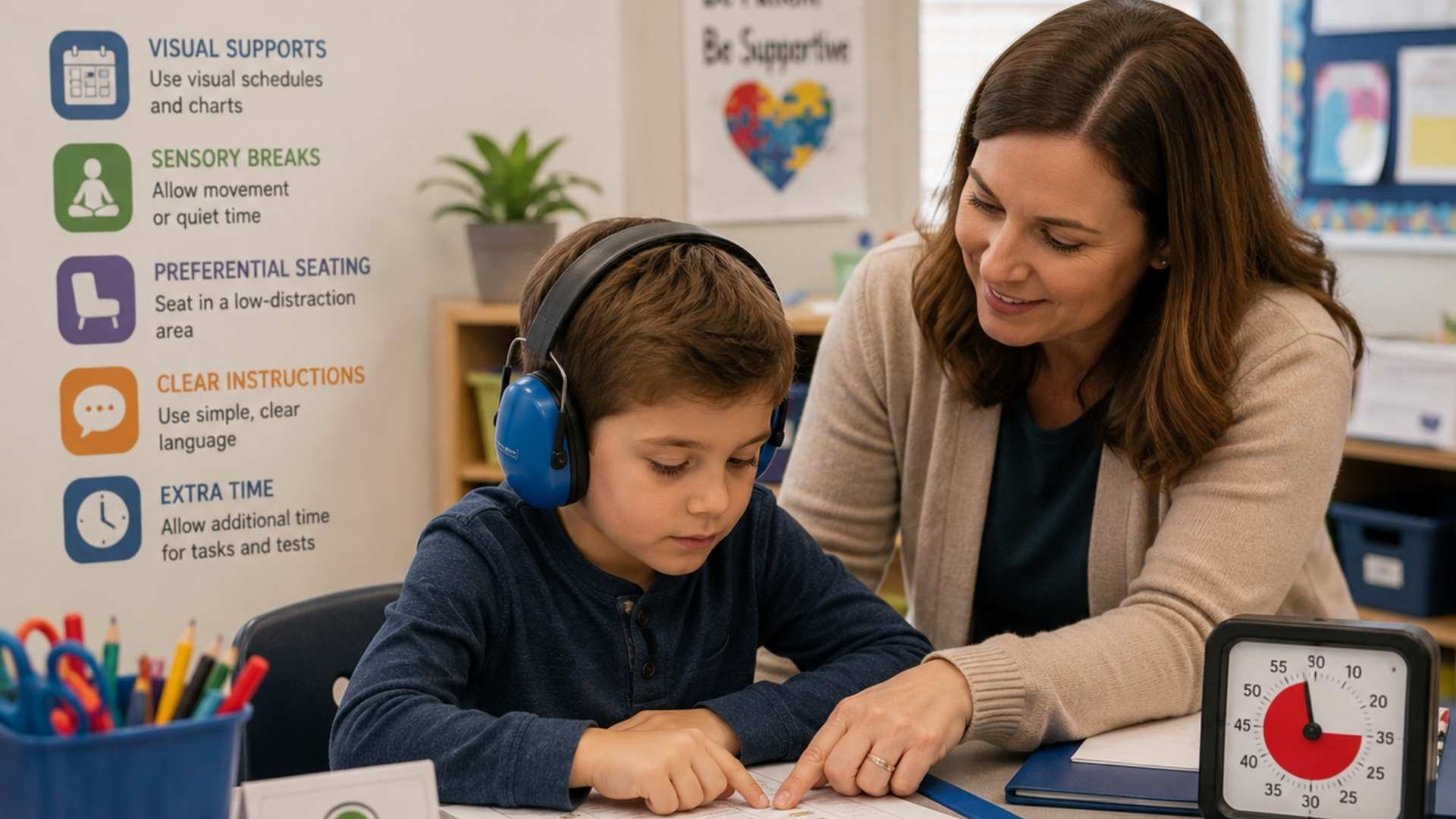
Older caregivers often worry about how others will handle their children’s needs when they can no longer do so. ABA can help children, teenagers, and adults with autism adapt to different environments and caregivers. For example, therapists can work on transition skills so that children can better function in diverse environments or with a new caregiver.
- Emotional support and training for caregivers:
Many ABA programs include training sessions for parents and caregivers. ABA not only teaches them how to apply specific strategies but also gives them a space to express concerns and receive professional guidance. For aging caregivers, this support is invaluable, as it helps them feel supported and prepared to handle daily challenges.
- Reduced stress and emotional burden:
By implementing ABA techniques, aging caregivers can experience a decrease in the stress associated with daily caregiving. By having clear and functional tools, episodes of crisis or problematic behavior become more manageable, contributing to improved quality of life for both caregivers and their children.




 English
  Español