
Signs of Autism at 18 Months: A Complete Guide for Parents

A toddler and adult playing with bubbles, showing a joyful moment to help illustrate learning about the signs of autism at 18 months

Table of Contents

What Are the Signs of Autism at 18 Months?

The signs of autism at 18 months become more noticeable as toddlers are expected to communicate and interact more. If you see limited speech, lack of gestures, low interest in interaction, or repetitive behaviors, pay attention. These may indicate developmental differences to check.

By 18 months, parents shift from wondering to noticing. What was subtle at 12 months now feels clearer.

You may see other toddlers talking, pointing, or interacting more and start comparing. This moment can feel confusing or overwhelming. If you have questions, you’re not alone.

Why 18 Months Is a Turning Point in Development

At 18 months, toddlers typically show rapid growth in communication and social skills. This is no longer just about early development; it’s about active interaction with the world.

According to the CDC’s developmental milestones, most toddlers at this age begin to:

  • Say several words consistently
  • Point at things to request or share interest
  • Bring objects to show parents
  • Follow simple instructions
  • Engage in simple pretend play, like peek-a-boo or similar activities
  • Seek interaction and attention

When these behaviors are missing or too limited, differences become more noticeable than a few months earlier.

Signs of Autism at 18 Months That May Stand Out More Clearly

Parents searching for signs of autism in toddlers recognize patterns at this stage, not just isolated delays. According to the NICHD, early signs at 18 months often involve differences in communication, social interaction, and behaviors that become more noticeable.

Signs of autism at 18 months include:

1. Limited or no spoken words

By 18 months, most children use at least a few meaningful words. A child who is not attempting to speak, label objects, or communicate verbally may show a delay that deserves attention.

2. Lack of pointing or showing

One of the most important milestones at this age is pointing, not just to ask for something, but to share interests.

If your child:

  • Doesn’t point to objects
  • Doesn’t bring toys to show you
  • Doesn’t try to direct your attention

This may reflect a difference in social communication.

3. Reduced interest in interaction

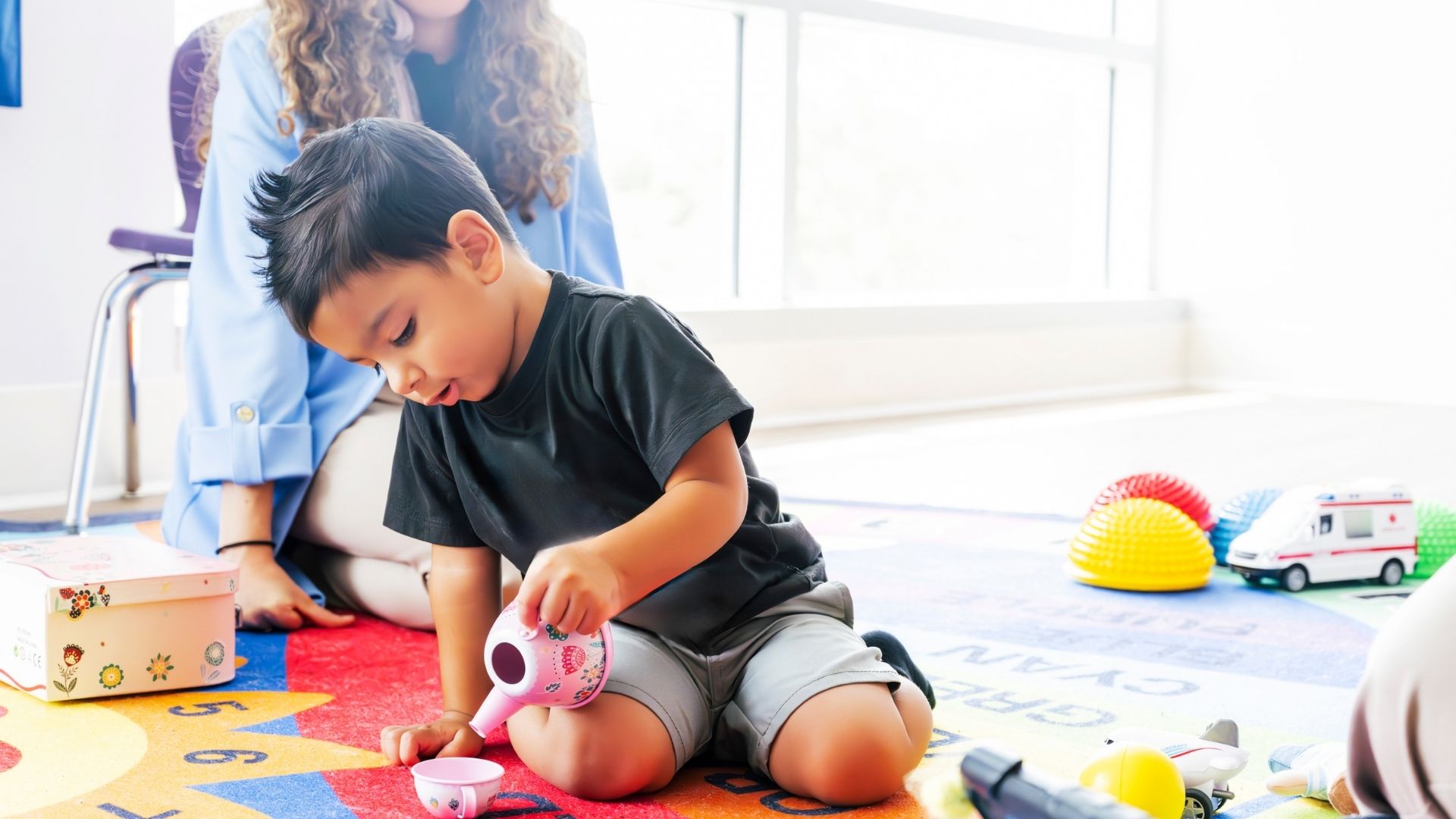
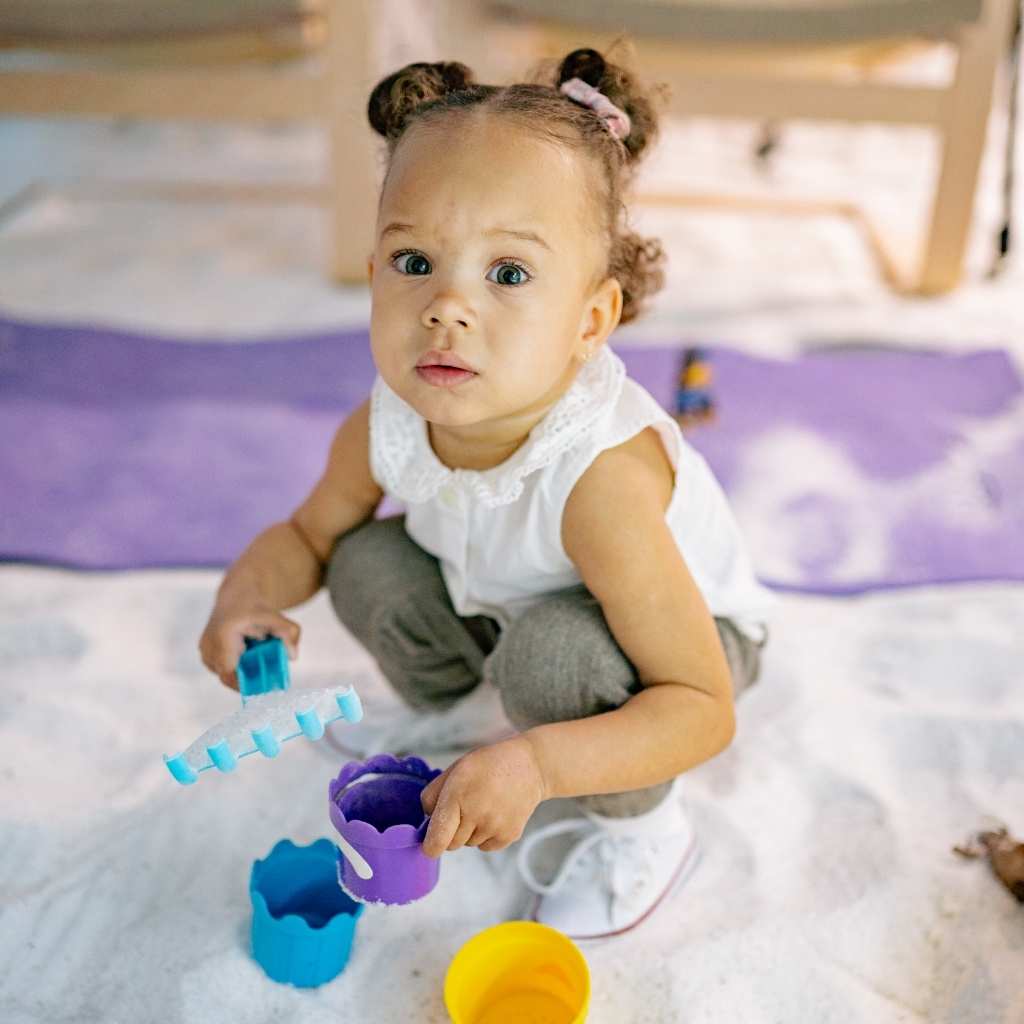
A small child with toys on the floor, used to illustrate early signs of autism at 18 months

At 18 months, toddlers often seek connection. They look to parents for reactions, smiles, or shared experiences.

A child who:

  • Prefers to play alone most of the time
  • Doesn’t seek your attention
  • Doesn’t respond to social engagement

May be showing early signs of developmental differences.

4. Not responding consistently to their name

Some inconsistency is normal, but a frequent lack of response in quiet or familiar settings can be a sign worth exploring.

5. Repetitive behaviors or focused interests

At this stage, repetitive behaviors may become more noticeable and intentional.

You might observe:

  • Spinning objects repeatedly
  • Lining up toys
  • Focusing intensely on parts of objects (like wheels)
  • Becoming upset with small changes in routine

6. Communication differences become more noticeable

One of the biggest shifts at 18 months is how clearly communication gaps can appear.

Parents looking into autism signs at 18 months often describe not just delayed speech, but a lack of attempt to communicate.

You may notice:

  • Little or no imitation of sounds or words
  • Minimal use of gestures alongside sounds
  • Difficulty expressing needs (leading to frustration)
  • Limited back-and-forth interaction

Communication is more than words; it includes eye contact, gestures, shared attention, and engagement. When several of these areas are affected, it may point to broader developmental differences.

Missed vs. Emerging Milestones: What’s the Difference?

At 12 months, many skills are just beginning to emerge. At 18 months, those same skills are typically expected.

This creates an important distinction:

  • Emerging milestones → skills that are starting to appear
  • Missed milestones → skills that should already be present but are not

At 18 months, signs of autism often relate to missed milestones, such as:

  • Not pointing
  • Not using words
  • Not engaging socially
  • Not showing shared attention

This is one reason why differences may feel clearer at this age compared to earlier stages.

Why Autism Screenings Often Happen at 18 Months

Eighteen months is a key checkpoint in pediatric development. Many providers recommend autism screenings at this age because patterns are easier to spot. The American Academy of Pediatrics highlights the importance of timely surveillance and screening to help identify children who may need further evaluation and support early.

Screenings may help to:

  • Identify early signs of developmental differences
  • Determine whether further evaluation is needed
  • Connect families with early support services

If you’ve been unsure about your child’s development, this stage offers a natural opportunity to ask questions and seek guidance.

When Should You Take Action?

If you’re noticing signs of autism at 18 months, taking action early can make a meaningful difference.

You don’t need to wait for a diagnosis to:

  • Talk to your pediatrician
  • Request a developmental screening
  • Track behaviors over time
  • Ask for a referral if needed

Early action is not about labeling, it’s about understanding and supporting your child as soon as possible.

How Early Intervention Supports Development

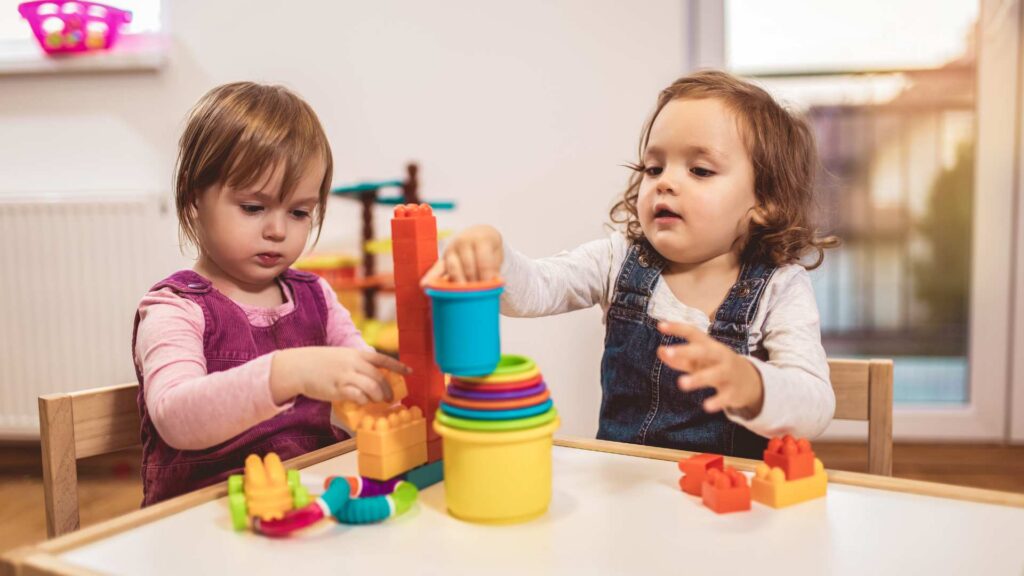
At 18 months, the brain is highly adaptable. This makes early intervention especially effective.Two toddlers stacking toys and blocks, shown as a visual backdrop for information on signs of autism at 18 months
Support at this stage often focuses on:

  • Encouraging communication through play
  • Building social engagement
  • Supporting interaction and responsiveness
  • Reducing frustration by teaching alternative communication methods

Children don’t need to “catch up” overnight. Progress happens step by step, with the right support in place.

As your child approaches age 2, these differences may become even more noticeable, which is why early awareness matters now.

How ABA Centers of New Jersey Supports Families in Navigating These Changes

Many parents reach a turning point around 18 months. What once felt uncertain may now feel more defined.

It’s okay to have questions. It’s okay to seek reassurance. And it’s okay to ask for help.

At ABA Centers of New Jersey, we work with families every day who are navigating these same concerns. Our team helps parents understand what they’re seeing and guides them through the next steps with clarity and support.

If you notice autism signs at 18 months, reach out for answers and direction. Call us at (855) 640-7888, or fill out this contact form on our website.

We are here to support your family with compassionate guidance and personalized care designed to help your child grow, connect, and thrive. You can find us in these New Jersey areas: Bridgewater, Edison, Hackensack, Hoboken, Laurel Township, Monmouth Junction, and Freehold.


Get Social With Us

Related Posts

A baby standing in a crib in a calm indoor setting. The image is used to illustrate information about Signs of Autism at 12 Months

Signs of Autism at 12 Months: What Parents Need to Know

Seeing differences in your 12-month-old’s development? Learn the signs of autism and how early support can help your child thrive.
Read More →
World Autism Awareness Day and Historical Advocacy Triumphs

World Autism Awareness Day and Historical Advocacy Triumphs

World Autism Awareness Day promotes acceptance, inclusion, and support for people with autism. Discover its meaning and how to make a real impact.
Read More →
Child using a sensory ball as a coping skill in ABA therapy to help manage anxiety and overwhelming emotions.

Coping Skills in ABA: Helping Children with Autism Navigate Big Emotions

Learn how coping skills in ABA therapy help children with autism manage anxiety, frustration, and overwhelming situations with practical strategies and support
Read More →
Athletes celebrating victory showing inspiration for athletes with autism in competitive sports

Athletes with Autism: Breaking Stereotypes and Showing What Focus Can Do

Many athletes with autism have turned focus, routine, and passion into strengths in sports. Learn how sports for children with autism support social skills, confidence, ...
Read More →
A happy child laughing, supporting a message about recognizing autism in girls

Autism in Girls: Why It Often Looks Different and Why Many Go Undiagnosed

Autism in girls often presents differently than in boys, leading many girls to go undiagnosed. This blog explains the signs of autism in girls and ...
Read More →
Children smiling and celebrating together during a Sensory-Friendly Valentine’s Day, showing inclusive Valentine’s Day activities designed to support joyful and comfortable Valentine’s Day celebrations.

9 Sensory-Friendly Valentine’s Day Ideas for Kids with Autism

Valentine’s Day can be a fun and meaningful holiday for many families. It’s often filled with cards, candy, classroom parties, and lots of excitement. But ...
Read More →
en_USEnglish
Scroll to Top