

Who are some athletes with autism?
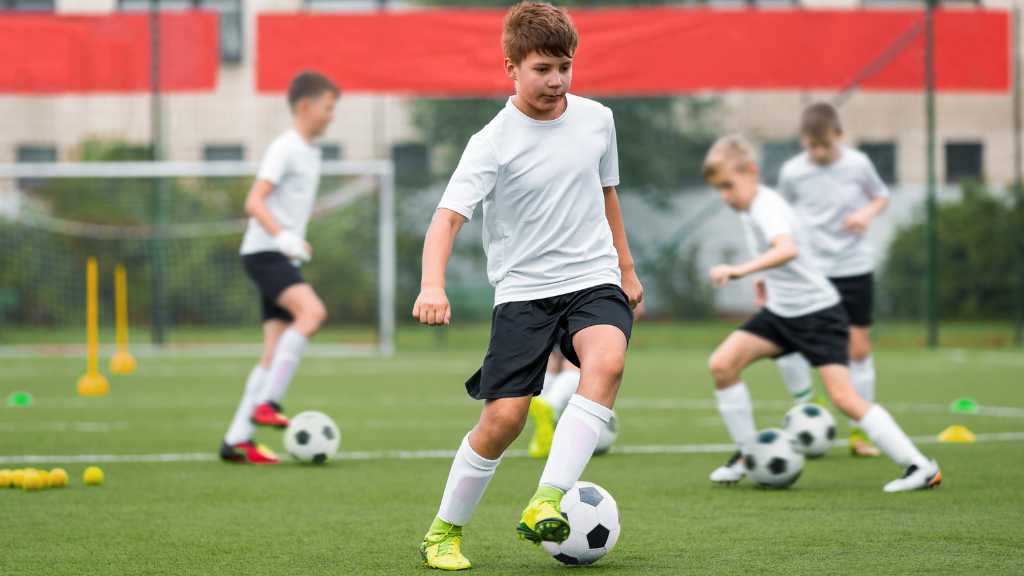
Picture a typical youth sports practice. A coach calls out instructions. Teammates talk over each other. Whistles blow, sneakers squeak, and everyone moves quickly from drill to drill.
For some children, it’s exciting.
For some children, it’s overwhelming—the noise, unpredictable instructions, and social pressure can overload their nervous system. A child may freeze, leave the drill, or avoid eye contact with teammates.
Parents often worry: Maybe sports just aren’t for my child.
But many clinicians and researchers see something different. When the environment is supportive and structured, sports can become one of the most powerful tools for growth for children on the spectrum.
Athletes with autism worldwide demonstrate how strengths like intense focus, routine, and passion drive remarkable achievements in sports, challenging misconceptions about neurodivergence.
So, can people with autism be successful in sports?
Yes. Many athletes with autism succeed in sports because traits associated with autism can support athletic performance. With structured coaching, supportive environments, and therapies like ABA, children and adults with autism can thrive in both recreational and elite athletics.
So, let’s keep reading this blog by ABA Centers of New Jersey and learn more about athletes with autism!
Athletes with Autism Who Inspire the World
The growing visibility of athletes with autism helps challenge outdated stereotypes about what individuals with autism can achieve.
Below are several athletes with confirmed diagnoses, along with examples that highlight the diversity of experiences within the autism community.

Breanna Clark – Paralympic Champion
Breanna Clark, diagnosed at age four, went on to win gold in the T20 400 meters at the Paralympics and became a world champion in track.
Clark’s mother, herself an Olympic medalist, helped her channel energy and focus into track. Over time, running became a structured outlet that supported her development through routine and repetition.
Her story reflects a pattern researchers often observe: predictable physical routines can regulate the nervous system and build confidence for many autistic athletes.
Reece Dunn – Record-Breaking Paralympic Swimmer
Reece Dunn, a British swimmer with autism, has won multiple Paralympic medals and set world records in S14 events.
Dunn has spoken about how training structure and repetition helped him refine his performance. In swimming, where every stroke follows a rhythm, many athletes with autism find comfort in the predictable movement pattern.
Jordan Catchpole – Paralympic Gold Medalist
Jordan Catchpole, a British swimmer with autism, won gold in the Tokyo 2020 mixed freestyle relay.
His journey highlights how early encouragement and coaching can help children with autism pursue elite athletic pathways.
Ranveer Singh Saini – Special Olympics Champion
Ranveer Singh Saini, diagnosed with autism as a toddler, became the first Indian golfer to win Special Olympics gold.
His parents introduced him to golf at age nine. The quiet environment, repetition, and precision of the sport allowed him to thrive, demonstrating how sports for children with autism can be adapted to individual sensory needs.
Tony Snell – NBA Player and Autism Advocate
Former NBA player Tony Snell revealed an adult autism diagnosis, expanding conversations on neurodiversity in sports.
For many adults, a late diagnosis provides clarity about lifelong communication challenges, sensory differences, and social experiences.
Important Context: Media Speculation vs. Confirmed Diagnoses
Some athletes are frequently mentioned in discussions about neurodiversity, but their autism status requires careful clarification.
Fernando Mendoza
Quarterback Fernando Mendoza has occasionally been discussed in media conversations about neurodivergence. However, there is no confirmed autism diagnosis publicly reported.
When discussing athletes with autism, accuracy matters. Many individuals may exhibit traits that overlap with autism, such as intense focus or social differences, but that does not equate to a clinical diagnosis.
Jeremiyah Love
College football player Jeremiyah Love has openly shared that he experiences traits associated with the autism spectrum, though this is not widely documented as a formal diagnosis.
Stories like Love’s can still be meaningful for families exploring sports for children with autism, because they highlight how different neurological traits can influence athletic performance.
Why Sports Can Benefit Children with Autism
Parents often ask clinicians a simple question:
Is sports participation actually helpful for children with autism?
Research increasingly says yes.
Studies on autism and physical activity show structured exercise can support social development, emotional regulation, and communication skills in individuals with autism.
In addition, regular participation in sports may improve behavioral regulation and overall well-being.
Here’s why.
Sports Regulate the Nervous System
Many children with autism experience heightened sensory sensitivity. Loud environments or unexpected changes can push the nervous system into stress.
Sports provide a predictable outlet for movement, which helps regulate energy and emotional states.
Running laps. Swimming strokes. Repeated drills.
These rhythmic patterns can calm the nervous system and create a sense of control.
Sports Build Social Skills Naturally
Traditional social coaching often feels forced for children with autism.
Sports create structured social interaction.
Instead of abstract conversations, communication happens around clear goals:
- Pass the ball
- Follow the play
- Celebrate a score
Over time, these shared experiences help strengthen communication skills and teamwork.
Sports Strengthen Focus
Many individuals with autism demonstrate deep concentration when engaged in an activity they enjoy.
In athletics, that trait can become a competitive advantage.
Researchers frequently highlight the power of combining autism and sports. Once autistic athletes become passionate about a sport, they often train with remarkable dedication.
Sports Support Confidence
Confidence can grow quickly when a child finds an activity they feel capable of.
A child who struggles in the classroom may suddenly shine on the track or in the pool.
For many families, sports for children with autism become a turning point in how their child sees themselves.
How ABA Therapy Supports Young Athletes
For many families, ABA therapy plays a crucial role in helping children participate successfully in sports.
ABA focuses on teaching practical skills that translate directly into athletic environments.
Building Communication Skills
Children learn how to:
- Follow multi-step instructions
- Ask for clarification
- Respond to coaches and teammates
These communication skills can reduce frustration during practices and games.
Practicing Social Scenarios
Therapists often simulate sports-related situations during therapy sessions:
- Waiting for a turn
- Handling mistakes
- Celebrating wins appropriately
These rehearsed experiences make real practices feel less stressful.
Managing Sensory Overload
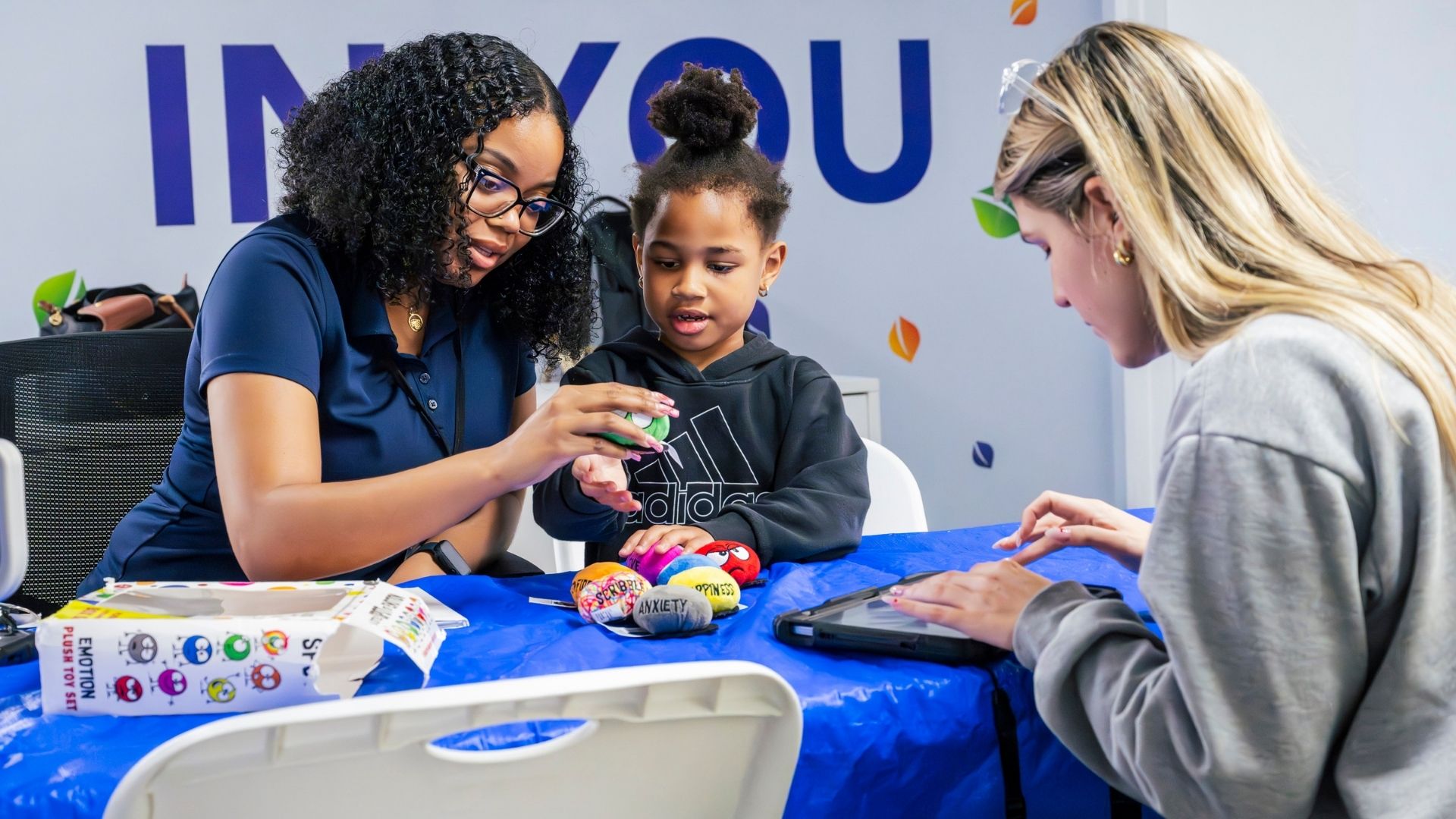
ABA strategies can help children recognize early signs of sensory overload and apply coping techniques before a meltdown occurs.
Reinforcing Positive Behavior
Therapists also reinforce behaviors that help children succeed in sports:
- Team participation
- Persistence during difficult drills
- Positive interactions with teammates
When therapy and athletics work together, children often gain confidence much faster.
Support Your Child’s Journey On and Off the Field
Every child deserves the chance to discover what they love, whether that’s running on a track, swimming laps, or learning how to work with teammates. If your child faces communication challenges, social difficulties, or sensory barriers that make activities like sports harder to navigate, professional support can help.
ABA Centers of New Jersey provides diagnostic testing, early intervention, and personalized ABA therapy designed to help children build communication skills, confidence, and independence. To learn how our team can support your child, call (855) 640-7888 or contact us online to get started.


 English
  Español