

Understanding the Levels of Autism: A Guide for Families and Caregivers

Therapist giving a high five to a young child during a learning session, symbolizing support and understanding across different levels of autism.

Table of Contents

What’s the Difference Between Autism Level 1, 2, and 3?

The first thing we need to know is that Autism Spectrum Disorder (ASD) refers to a wide-ranging developmental condition that varies significantly from person to person.

Experts often describe it as a “spectrum” because no two individuals experience it in the same way, and it is diagnosed in three different support levels based on a person’s communication abilities, behaviors, and daily support needs.

The Diagnostic and Statistical Manual of Mental Disorders, Fifth Edition (DSM-5), identifies three levels of autism based on the degree of support the individual requires: Level 1 autism, Level 2 autism, and Level 3 autism. These levels reflect how much assistance a person may need to navigate social interactions, communication, and repetitive or restrictive behaviors in different contexts.

The main difference between Autism Level 1, 2, and 3 is the amount of support a person needs in daily life. Level 1 autism involves milder support needs, while Levels 2 and 3 involve increasing challenges with communication, social interaction, behavior, and independence. 

In this post by ABA Centers of New Jersey, we’ll break down what these levels of autism mean, what the differences between them are, how experts use them in practice, and why understanding them helps families, educators, and therapists provide the right kind of support, primarily through interventions like ABA therapy and early intervention programs.

The Shift Toward Understanding Autism as a Spectrum

For many years, researchers described autism using separate labels; terms like “Asperger’s Syndrome,” “Pervasive Developmental Disorder,” or “high-functioning autism.” These terms, while common, are now considered outdated and misleading.

According to the DSM-5 and  DSM-5 and modern research, these labels failed to capture the true diversity and individuality of people on the spectrum. For instance, someone might perform well academically yet struggle deeply with social understanding or sensory overload.

Today, the autism community and researchers emphasize describing a person’s support needs instead of applying “functioning labels.” This approach is both more accurate and more respectful; it focuses on understanding challenges while recognizing the individual’s strengths and unique ways of engaging with the world.

Level 1 Autism: Requiring Support

People sometimes describe Level 1 autism as the “mildest” form of ASD, but that description can be misleading. Individuals at this level often live independently and may hold jobs or attend school successfully, yet still face significant difficulties with social communication and flexibility in behavior.

A person with Level 1 autism might:

  • Find it hard to start or sustain conversations
  • Miss subtle social cues like tone of voice or body language
  • Feel overwhelmed by changes in routine or unexpected events

While these challenges might not always be visible, they can lead to stress, exhaustion, or social isolation. Many adults with Level 1 autism learn coping strategies or “mask” their traits to fit in, which can cause emotional burnout.

With proper support, such as social skills training, therapy, and accommodations at school or work, individuals at this level can thrive while being authentically themselves.

Level 2 Autism: Requiring Substantial Support

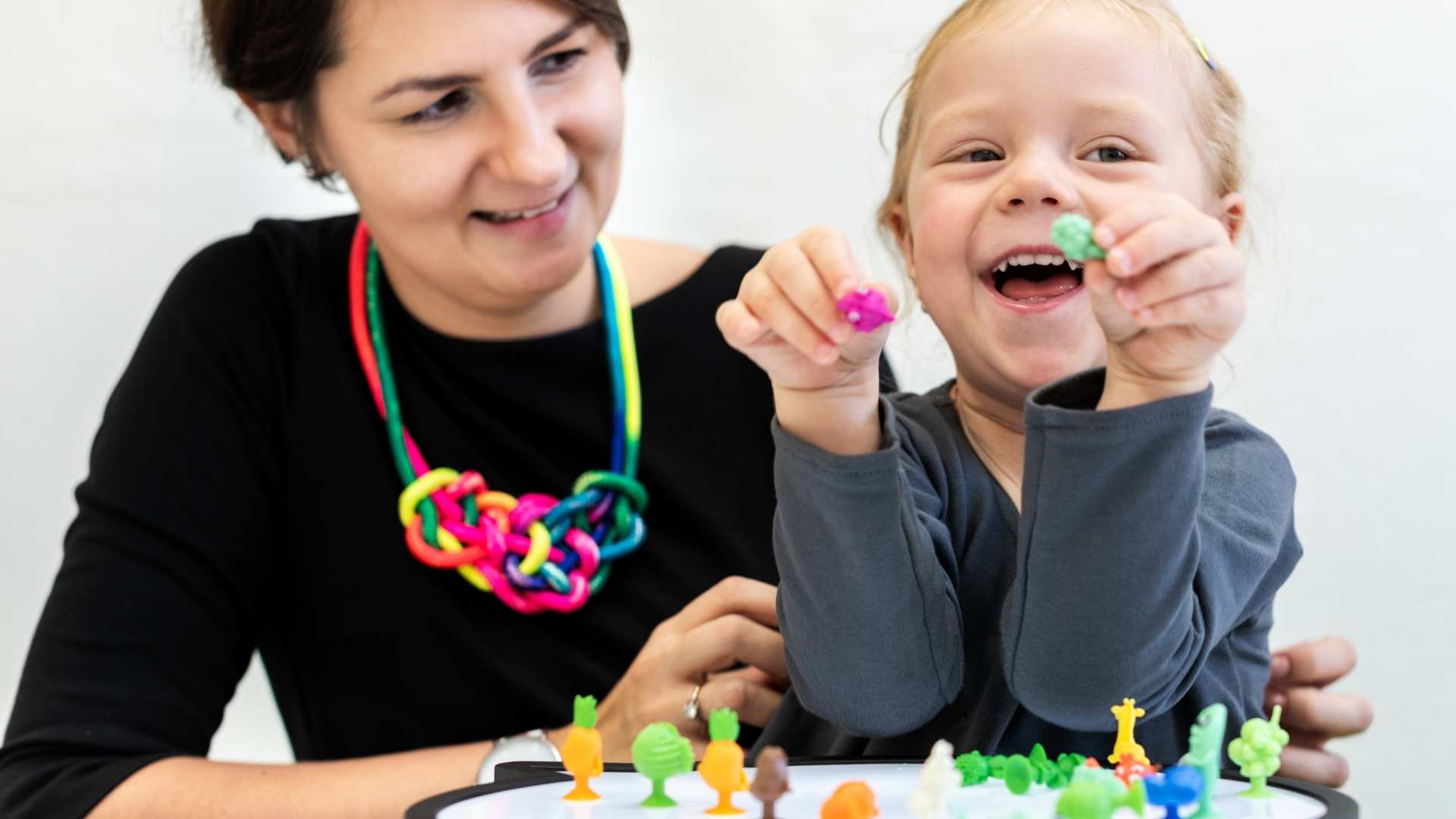
Therapist working one-on-one with a child using educational materials, representing the guidance and substantial support needed for level 2 autism.

Level 2 autism indicates more noticeable challenges in both communication and behavior. Individuals may have limited verbal abilities or struggle to express their needs clearly. They might also engage in repetitive behaviors, like rocking, flapping, or repeating words, and find changes to routine extremely difficult.

Common traits of Level 2 autism include:

  • Difficulty interpreting or responding appropriately in conversations
  • Visible frustration when routines are disrupted
  • A strong need for predictability and structure

People at this level often benefit from substantial daily support through therapies like Applied Behavior Analysis (ABA), occupational therapy, and speech therapy to help improve communication and adaptive skills. They can also benefit from structured environments and consistent routines.

Families can make a tremendous difference by working closely with therapists and educators to tailor interventions that build confidence, promote independence, and celebrate progress at each stage.

Level 3 Autism: Requiring Very Substantial Support

Level 3 autism represents the highest level of support need. Individuals at this level experience severe challenges with communication and daily functioning. Many have limited or no spoken language and may require alternative communication methods such as picture exchange systems or assistive devices.

They often have intense repetitive behaviors and may struggle with sensory input, needing calm, structured, and predictable environments to feel safe. A person at this level might need help with personal care, daily routines, and constant supervision.
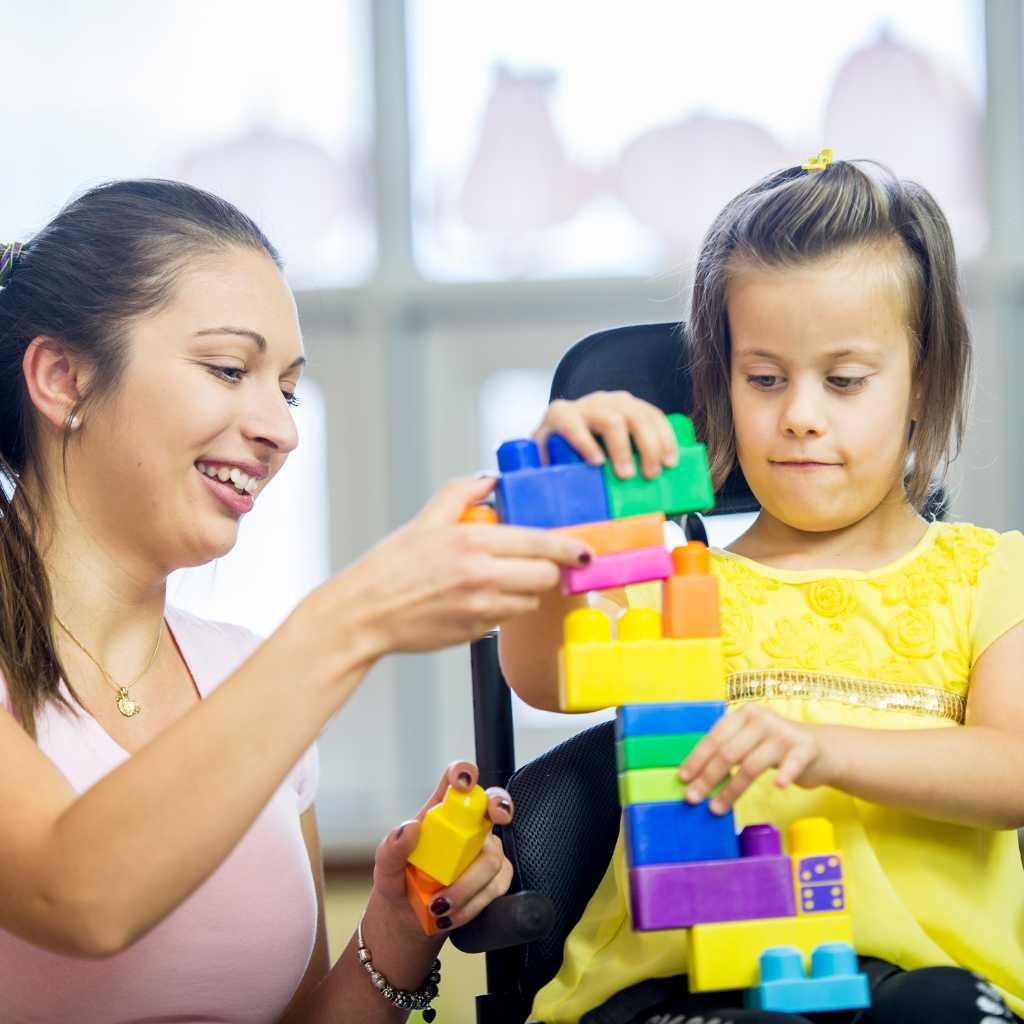
However, describing Level 3 autism purely in terms of limitations misses the whole picture. Many individuals show deep emotional connections, unique ways of expressing themselves, and a strong attachment to people and familiar environments.

Research by Frontiers in Psychiatry uses the term “profound autism” to describe individuals with severe intellectual disabilities and minimal communication abilities, not to stigmatize them, but to ensure they receive the intensive, lifelong support they require.

Moving Beyond Labels: Why the Levels of Autism Aren’t the Whole Story

While the DSM-5 levels of autism help clinicians and families understand a person’s needs, experts emphasize that these levels don’t always capture the whole picture. Support needs can change over time or differ depending on the environment.

For example, someone who manages well in a quiet home might struggle in a crowded workplace. Research also shows that some people, especially women and girls with autism, “mask” their traits so effectively that their challenges go unnoticed for years.

That’s why professionals are now calling for more dynamic and personalized diagnostic tools that go beyond visible behaviors to include sensory sensitivities, cognitive processing, and emotional regulation.

How ABA Therapy and Early Intervention Support All Levels of Autism

No matter where a person falls on the spectrum, early intervention plays a crucial role in building essential life skills and promoting independence. Applied Behavior Analysis (ABA therapy) is one of the most widely researched and practical approaches for all levels of autism.

Here’s how ABA therapy supports each individual on the spectrum:

For Level 1 autism, therapists focus on refining social skills, managing anxiety, and building strategies for navigating school or work environments.

For Level 2 autism, ABA helps strengthen communication, emotional regulation, and flexibility in daily routines.

For Level 3 autism, ABA focuses on foundational life skills, such as communication, self-care, and safety, using highly structured and compassionate teaching methods tailored to each individual.

ABA therapy also empowers families by teaching parents and caregivers how to apply positive reinforcement strategies at home and in other environments. When combined with occupational and speech therapy, ABA helps create a well-rounded support system that encourages growth at every level.

Looking Ahead: The Future of Autism Understanding

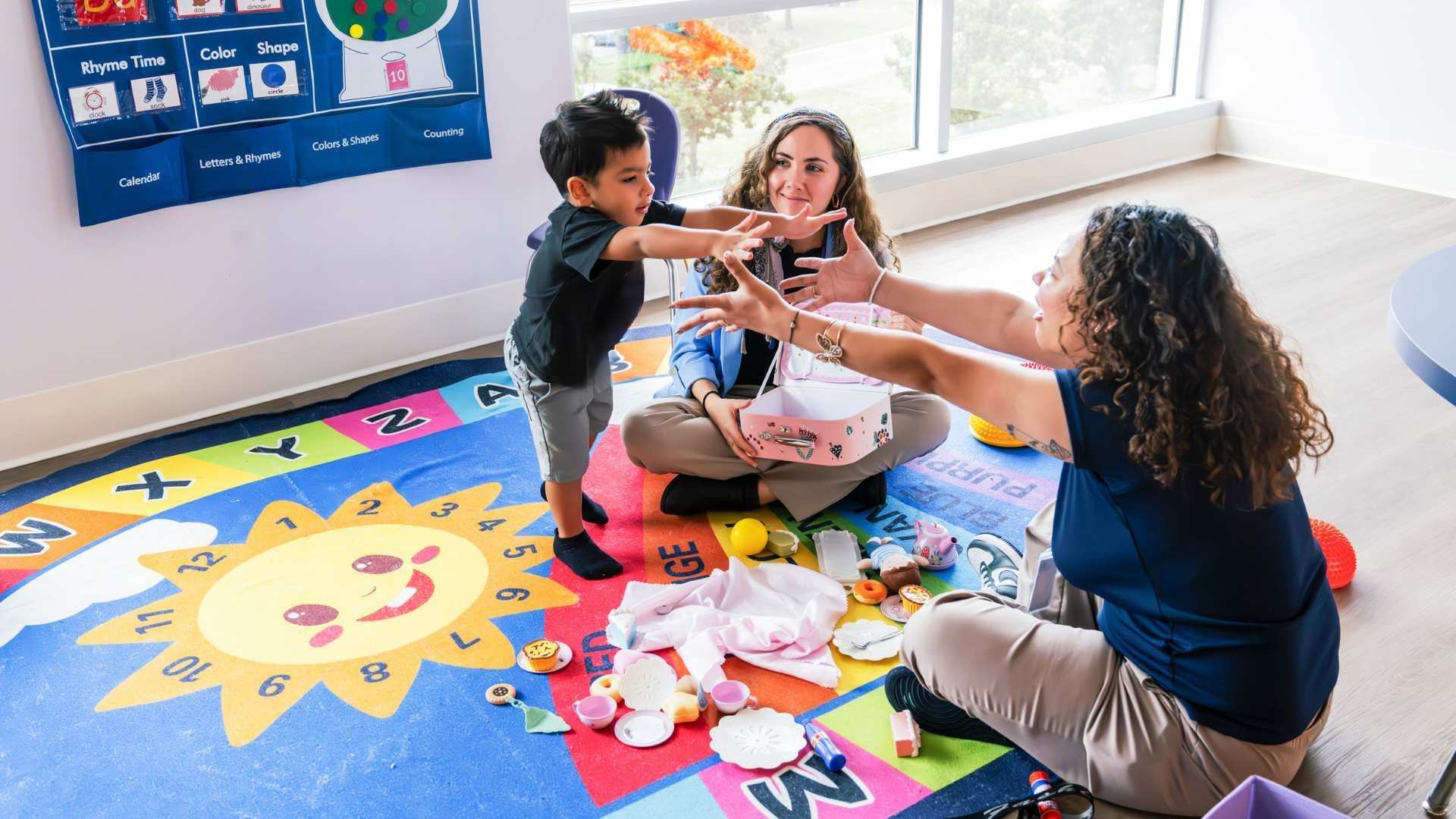
Teacher interacting with young children during playtime, representing early intervention and support that go beyond autism level classifications.

Recent scientific advances are reshaping how we view autism. Large-scale studies, such as the SPARK study published in Nature Genetics, have identified unique genetic and behavioral subgroups within the spectrum. This research shows that while autism is one spectrum, it’s far from uniform; each person has a distinctive combination of traits, strengths, and challenges.

This evolving understanding encourages us to move away from rigid categories and toward a person-centered approach, recognizing that everyone with autism deserves individualized support that adapts over time.

Compassion, Understanding, and Support for All Levels of Autism

Understanding the levels of autism helps us appreciate the spectrum’s diversity and the importance of tailored support. The purpose of these levels of autism isn’t to define a person; they’re tools to guide meaningful interventions that improve quality of life.

If you or someone you love is seeking an autism diagnosis, early intervention, or ongoing therapy, ABA Centers of New Jersey can help. Our compassionate team offers diagnostic testing, personalized ABA therapy, and family support services designed to meet each person’s unique needs.

Whether you live in Woodstown, Trenton, Paterson, or other parts of New Jersey, you can call us at (855) 640-7888 or fill out our online form.

Because at every level, every person on the spectrum deserves respect, understanding, and the opportunity to thrive.

Get Social With Us

Related Posts

Parents comforts child after they've received an autism diagnosis

Autism Test Guide: Screening, Diagnosis, and Next Steps

The autism testing, screening, and diagnosis process can be challenging for those who suspect their child may be on the spectrum. Fortunately, we’ve made it ...
Read More →
Toddler looking and pointing up, showing behaviors of social development milestones

Social Development Milestones: What Should My 2-Year-Old Be Doing?

Social development can look different from what parents expect at 2-years-old. Some toddlers observe, play nearby, or prefer familiar adults, and that can be completely ...
Read More →
Child crying intensely on the floor, showing signs of emotional overload.

Why Does My 2-Year-Old Have Meltdowns? Understanding Toddler Behavior

2-year-old meltdowns can feel overwhelming, for both you and your child. But these reactions often come from emotional overload, not bad behavior. Understanding the difference ...
Read More →
Toddler covering ears in a loud environment

Sensory Sensitivity in Toddlers: What’s Normal and What’s Not

Does your toddler cover their ears, avoid certain textures, or react strongly to everyday situations? Sensory sensitivity in toddlers is more common than you might ...
Read More →
Toddler sitting on the floor looking at a stuffed animal, showing early communication behaviors.

Speech Delay vs Autism: How to Tell the Difference in Toddlers

Small differences in how your child connects and communicates with you and their surroundings matter. In this blog, we’ll teach you how to better understand ...
Read More →
A toddler lines up toys while playing, a behavior where they place objects in order to explore patterns

What to Do If My Toddler Lines Up Toys? Is It a Sign of Autism?

If your toddler lines things up often, you’re not the only parent wondering why. Some behaviors are part of normal development, others need a closer ...
Read More →
en_USEnglish
Scroll to Top