

Table of Contents
How do we reduce back-to-school anxiety?
Preparing and anticipating can significantly impact the lives of individuals with autism spectrum disorder (ASD). One of the most common challenges they face is transitioning between different life stages, such as school return. Back-to-school anxiety is a prevalent situation many neurodiverse families encounter, often seeking ways to ease this transition for their loved ones.
At ABA Centers of New Jersey, many parents wonder: How do we reduce back-to-school anxiety? With summer ending, it may seem overwhelming, but we are here to help.
School is crucial for children as it provides a place to learn social, cognitive, and motor skills and prepares them academically for future educational and employment opportunities, enabling them to become self-sufficient. However, for many parents, school or kindergarten can be a source of distress, especially when their children exhibit profound traits of autism, suffer from anxiety, or struggle to interact with new environments.
Dealing with back-to-school anxiety requires preparation. Although it may seem overwhelming, your child on the spectrum should not miss out on the chance to participate in school and receive a well-rounded education. As experts in ABA care, we recognize the importance of therapy as an essential complement for your child’s development. With these helpful tips, we aim for easy preparation and transition so that your loved one starts the school year with excitement and enthusiasm.
Understanding School Anxiety in Autism
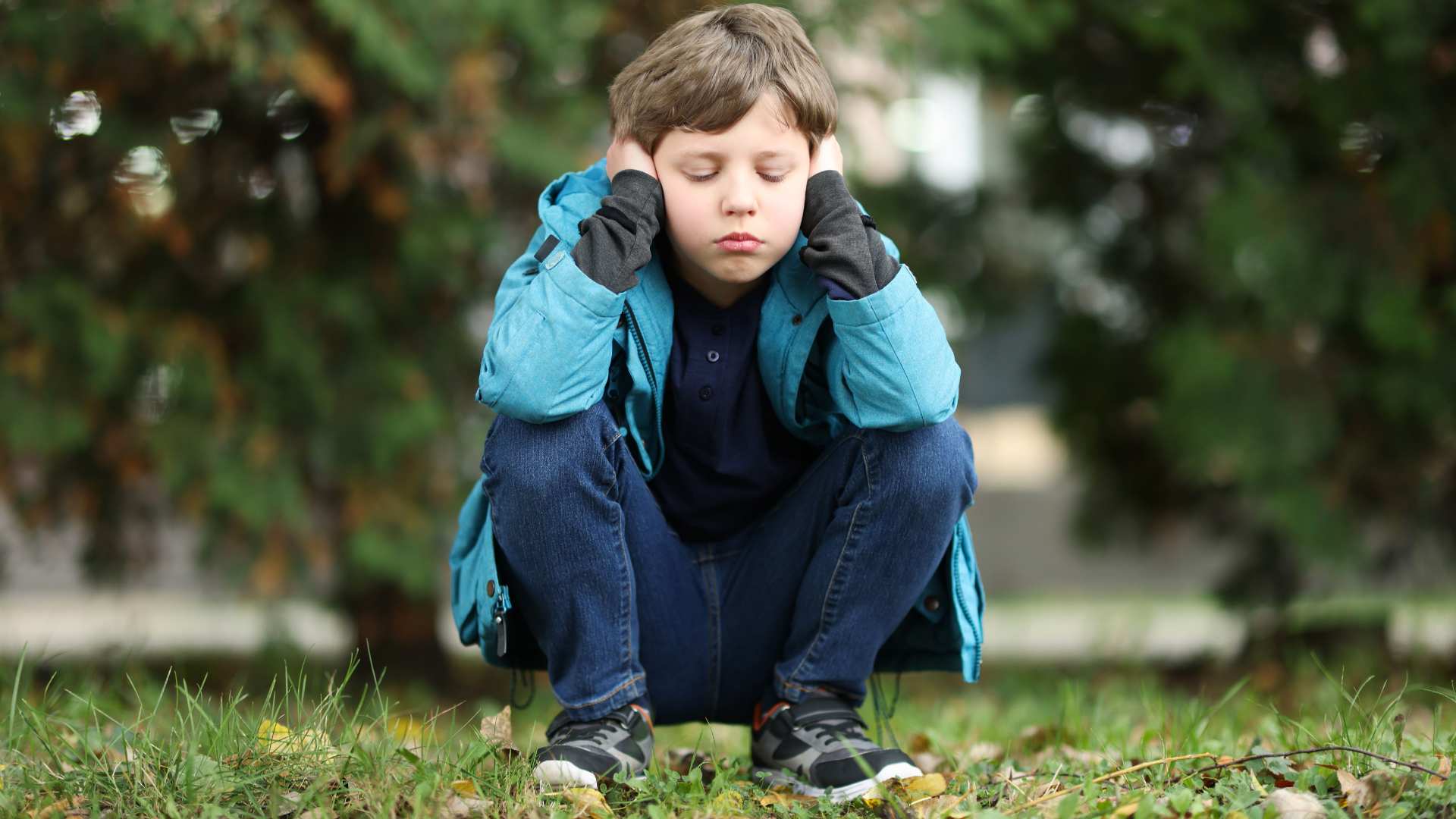
Although schools are increasingly inclusive and aim to tailor education to meet the needs of all students, research by Education Sciences has found that behaviors of others, fear of the unknown, and sensory sensitivities can trigger anxiety in school-age children and teenagers with autism. One theoretical perspective on their challenges aligns with the concept of intolerance of uncertainty.
40% of people with autism experience at least one anxiety disorder, compared to 15% of the neurotypical population. Research highlights a prevalence of anxiety in teens with autism educated in regular schools and who do not have an intellectual disability.

Schools are large and complex environments, making them unpredictable for individuals with autism, which can make tolerance difficult. Various sources of anxiety in schools include bullying, sensory sensitivity, the need for conformity, and difficulties interacting with others.
The school day may disrupt the restricted interests and the desire for repetition, which are frequent characteristics of people with autism, as they must follow a different agenda from their own. This disruption can result in undesirable behaviors and heightened anxiety levels. Sensory sensitivity is also a significant trait of individuals on the spectrum, presenting challenges in school as it is often a noisy, crowded, and overwhelming environment, leading to adverse reactions in some students with autism.
Additionally, back-to-school anxiety can relate to intolerance of uncertainty—a general dislike of change or fear of the unknown. Preparation for the transition to school, effective communication between the school and parents, and support from professionals in applied behavior analysis (ABA) can make a significant difference.
6 Tips for Navigating Back-to-School Anxiety

The start of the school year can be an exciting experience for many children, but it can also generate anxiety, especially in children with autism. Back-to-school anxiety is a real issue, but with preparation and support, parents and ABA therapists can manage it effectively. Here are six strategies to help parents and caregivers support their loved ones during this transition:
- Identify Anxiety: Recognizing anxiety in children with autism can be challenging, as they often have difficulty identifying and expressing their emotions. Be aware of signs such as changes in behavior, difficulty concentrating, irritability, lack of motivation, or physical symptoms like sweaty palms, trouble sleeping, and changes in appetite. If you notice any of these signs, communicate with your child in a way that makes them feel safe and non-judgmental. Maintain a positive attitude about school and reinforce the idea that it is a fun and appropriate place to learn.
- Use Social Stories and Visual Calendars: Discuss expectations for the upcoming school year with your child using social stories. These narratives can help them understand what to anticipate, thereby reducing back-to-school anxiety. Additionally, create a visual calendar that counts down the days until school starts. Encourage your child to check off each day, adding an element of fun to the preparation process. This visual aid can provide a sense of structure and excitement as the new school year approaches.
- Create a New Routine for Your Child: Establishing a routine provides structure and predictability, which can ease back-to-school anxiety for children with autism. Start waking your child up a little earlier each day to get them accustomed to the school schedule. Review the daily schedule with your child so they know what to expect. Use visual schedules to explain step-by-step activities, such as getting dressed or catching the bus, and make a list of daily chores so your child feels in control.
- Take a Pre-School Tour: Familiarize your child with the school building before the year begins. Visit essential areas such as the main office, restrooms, gym, cafeteria, library, playground, and classrooms. Take pictures during the tour to use for visual calendars and social stories, allowing your child to review the environment before school starts.
- Create a Safe Space at School: Having a sensory-friendly at school can be comforting for children with autism. Coordinate with a teacher or school coordinator to create a sensory-appropriate safe space equipped with calming objects such as noise-canceling headphones, anti-stress balls, and fidget toys. During your visit to the school, show this space to your child so they know where to go if they feel overwhelmed or anxious.
- Communicate Your Child’s Needs: Making the school experience more enjoyable for your child is a collaborative effort with teachers and school principals. Clearly communicate your child’s needs, such as sensory issues, food restrictions, or favorite reinforcers. Include your child in these conversations or writing emails so they feel included and can express their needs. Share fun and unique details about your child with school professionals who can step in to support them.
ABA Therapy for Back-to-School Readiness
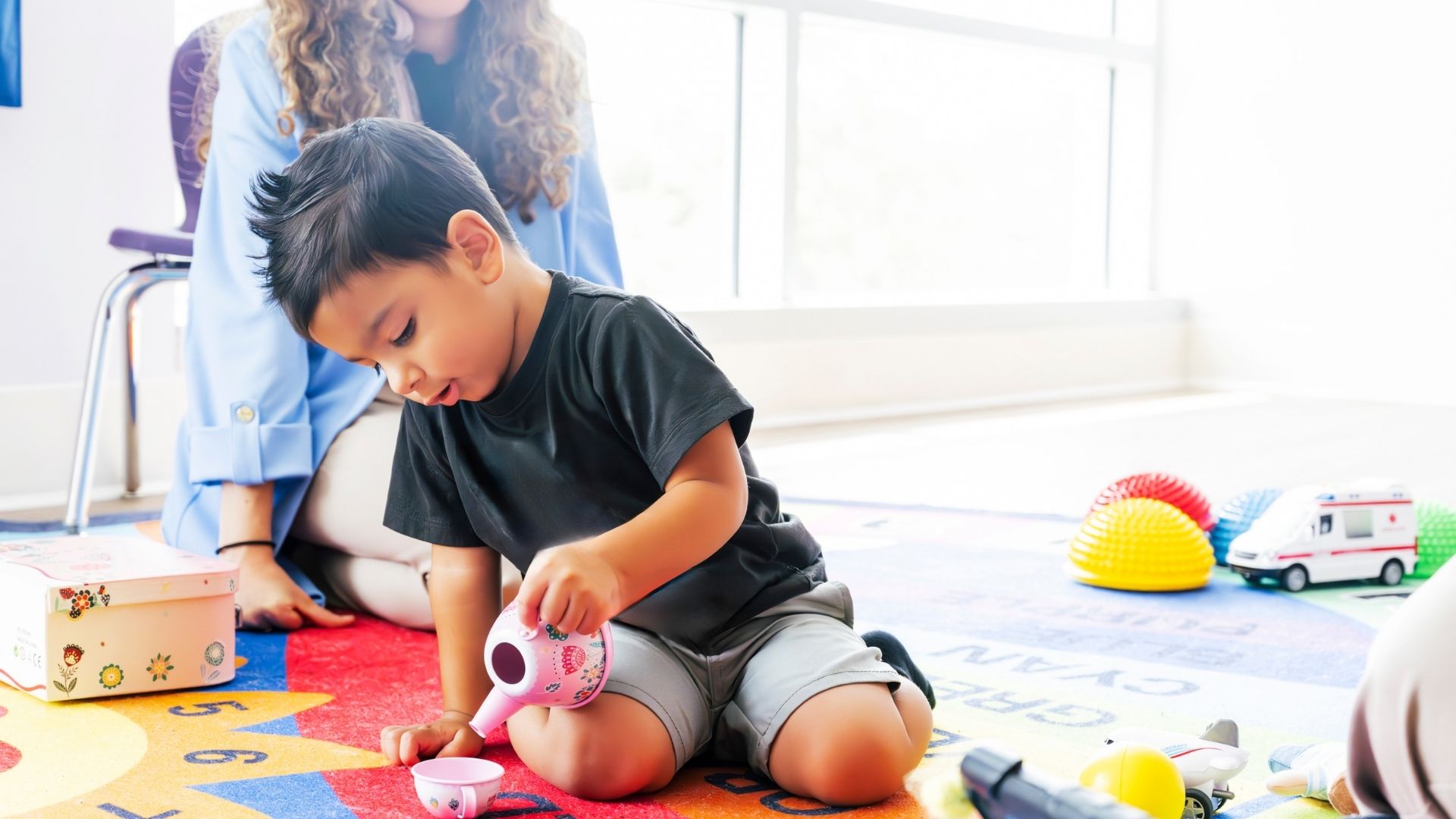
ABA therapy is a specialized approach designed to help individuals with autism navigate life transitions, such as returning to school. This method focuses on developing essential skills that facilitate integration into various environments and reduce problem behaviors, ultimately contributing to school success.
ABA therapy divides tasks into achievable steps and uses positive reinforcement to encourage desired behaviors. Consistency in ABA therapy enhances learning skills and supports other critical areas of development, all under the guidance of certified professionals.
Parents and caregivers can leverage the power of ABA therapy to alleviate back-to-school anxiety. With the help of registered behavior technicians (RBTs) and certified behavior analysts (BCBAs), parents can ensure their child is well-prepared for the new school year.
The repetition and consistency inherent in ABA therapy also help children with autism communicate and interact more effectively and manage their emotions. ABA methods lead to increased confidence and reduced anxiety. The personalized, structured attention provided by ABA therapy equips children with the tools necessary to thrive both during the back-to-school preparation and within the school environment.
By integrating ABA therapy into your child’s routine, you can prepare your child for a successful transition into the new school year.
ABA Centers of New Jersey Offers ABA Support to Manage Back-to-School Anxiety in Children with Autism
At ABA Centers of New Jersey, we recognize the significant benefits of ABA therapy in preparing children with autism for back-to-school transitions in a calm and supportive manner. Our team of ABA specialists is committed to helping your child feel less anxious about the new school year, develop skills that boost their confidence in new environments, and enhance their overall development.
We also offer ABA therapy at school where your child can have the company of an ABA therapist to navigate the day-to-day in the classroom and enhance their academic journey.
If you would like to speak with an ABA expert, call us at (855) 640-7888 to learn how your child’s journey with autism can be successful both academically and in life. We offer autism support services to families in Woodstown, Trenton, Paterson, and other areas of New Jersey.
For more information, visit our website to discover how we can help make your child’s school transition as smooth and successful as possible.




 English
  Español