

How do I create a sensory-friendly celebration for my child on the spectrum?
Celebrations and festivities are unique occasions for families to come together, enjoy watching parades, cook amazing recipes, dance, and share special moments. While these events often break the routine for many, they can also induce feelings of anxiety, especially for individuals with Autism Spectrum Disorder (ASD). As the upcoming holiday approaches, families must learn how to create an autism-friendly St. Patrick’s Day so that their loved ones with ASD do not feel overloaded.
So, you may wonder: “How do I create a sensory-friendly celebration for my child on the spectrum?” In this blog by ABA Centers of New Jersey, we will provide a guide for parents and caregivers of children with autism in Austin, Trenton, Paterson, Woodstown and other areas of New Jersey, enabling them to celebrate the festivities without overwhelming their neurodivergent loved ones.
Autism and Challenges in Social Settings
Spectrum disorder is a complex neurodevelopmental condition characterized by problems with social interaction, communication difficulties, restricted interests, and repetitive behaviors. Individuals with autism often have difficulty functioning in social settings, which can pose significant challenges in various aspects of their lives.
One of the challenges faced by individuals with autism is social settings. These environments, such as celebrations, parties, and parades, are often characterized by large crowds, unpredictable noises, bright lights, and social interactions. People with ASD often exhibit atypical reactions to sensory stimuli, such as sounds, touch, and visual cues. This unpredictable behavior means they might respond unusually or feel overwhelmed by specific sensory experiences that others may find ordinary or even unnoticeable, according to Pediatric Research. In addition, the unstructured nature of social gatherings can cause confusion and anxiety for people who like routine and predictability.
How Can St. Patrick’s Day Affect my Autistic Child?
St. Patrick’s Day, like many other holidays and celebrations, can affect individuals with autism in various ways due to their unique characteristics. Here’s how St. Patrick’s Day may impact on your kid:
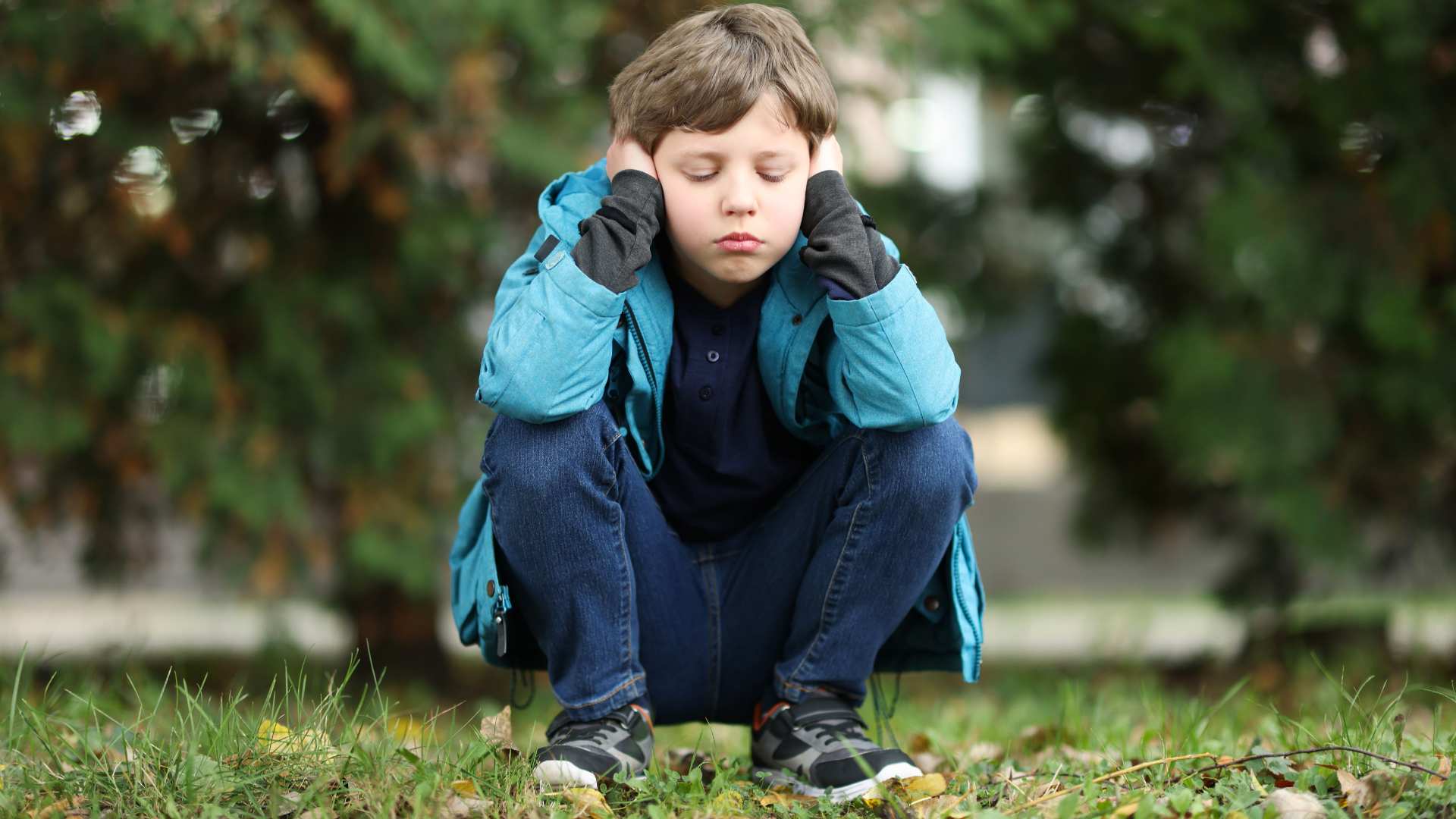
Sensory Overload – St. Patrick’s Day celebrations often involve loud noises, such as parades, music, and cheering crowds. Additionally, there may be bright lights, flashing decorations, and strong smells from food or beverages. These sensory stimuli can overwhelm your child, who may have heightened sensitivity to sound, light, and smell, leading to anxiety, stress, or sensory overload.
Changes in Routine – Holidays can disrupt the routine and predictability that many neurodiverse children rely on for comfort and stability.
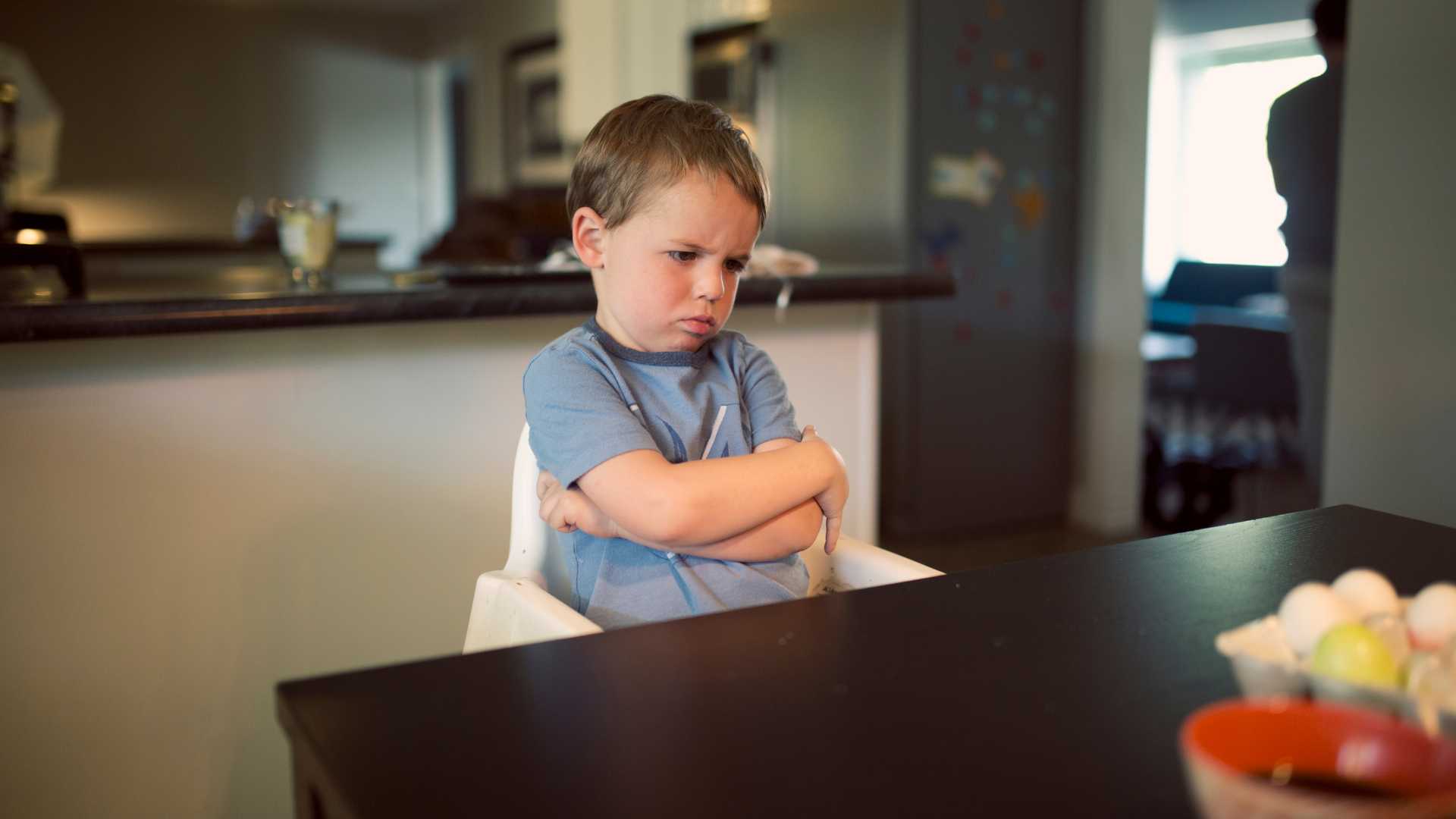
Social Expectations – St. Patrick’s Day gatherings often involve social interactions, such as meeting new people, participating in group activities, or engaging in conversations about the holiday. Autistic children may struggle with understanding social cues, initiating or maintaining conversations, and navigating social dynamics, leading to feelings of isolation or anxiety in social settings.
Sensory-Friendly Challenges – Many events may need to be more sensory-friendly, meaning they may need more accommodations for individuals with sensory sensitivities. For example, crowded parades or events with loud music may be overwhelming for children with ASD, making it difficult for them to participate fully in the festivities.
Create an Autism-Friendly St. Patrick’s Day
Having loved ones on the spectrum with sensitivities doesn’t mean you can’t have celebrations; you have to keep in mind certain aspects, make the environment more autism-friendly, and have a little creativity to involve everyone in the celebration.
Some things to keep in mind and friendly activities can include:
1. Visual Supports: Use visual supports such as visible schedules, social stories, and picture symbols to help your child understand what to expect during St. Patrick’s Day events. Clear signage and visual cues can also assist in navigating the environment and locating specific activities or amenities.
2. Sensory-Friendly Environment: Modify the environment to reduce sensory overload by minimizing loud noises, flashing lights, and strong smells. Consider using softer lighting, avoiding overwhelming decorations, and providing ample space for individuals to move around comfortably.
3. Craft Time: Kick off the day with some St. Patrick’s Day-themed arts and crafts! Use soft materials and soothing colors to create leprechaun hats or shamrock decorations.
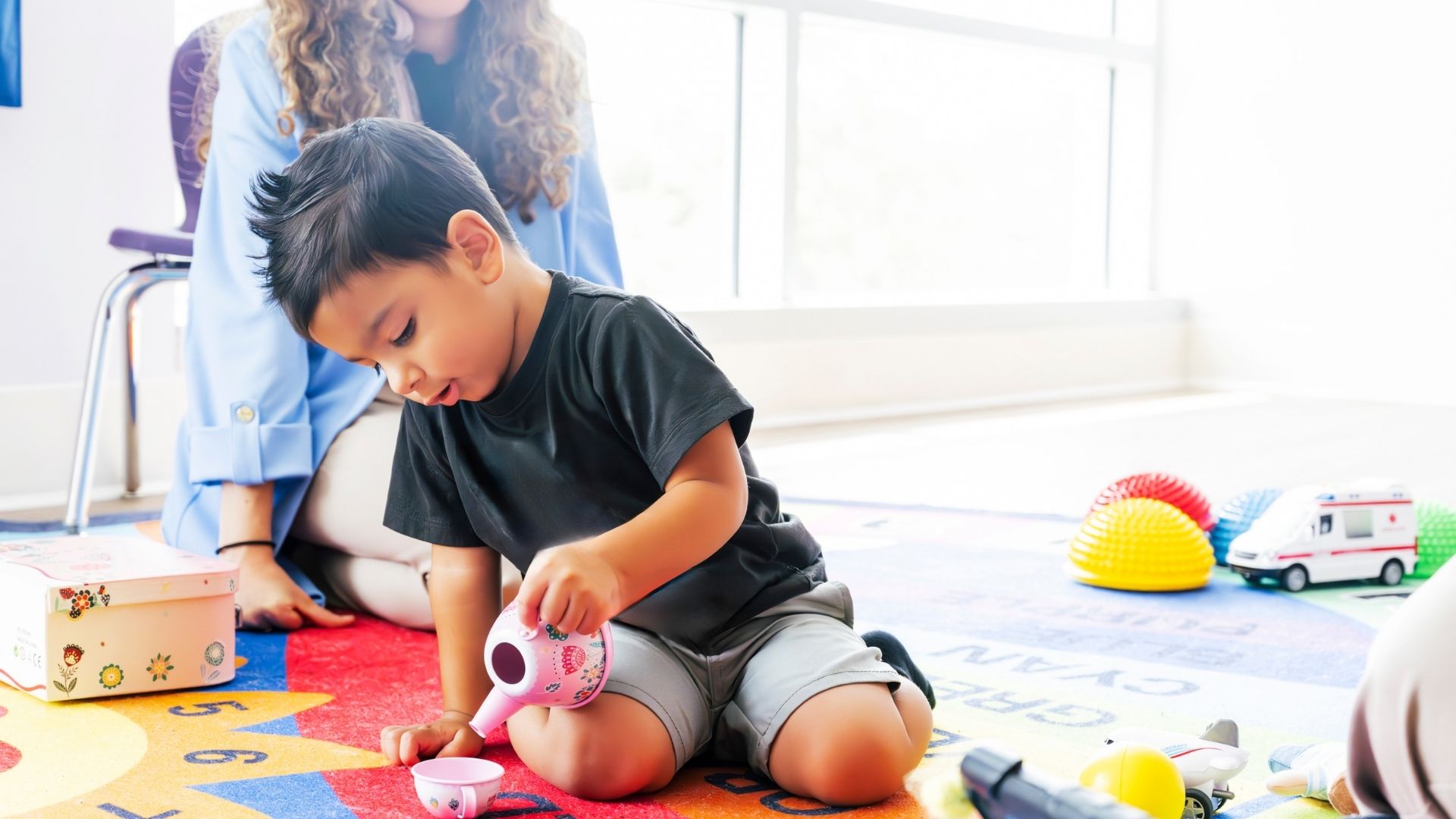
4. Sensory-Friendly Games: Plan different games that cater to the sensory needs of your kid. A treasure hunt for gold coins around the house can be fun for those who enjoy exploring, while a simple game of ‘pass the shamrock’ can work for those who prefer seated activities.
5. Cooking Together: Get creative in the kitchen by cooking or baking St. Patrick’s Day-themed treats together. Choose simple recipes that involve hands-on activities, such as rolling dough for shamrock-shaped cookies, decorating cupcakes with green frosting and sprinkles, or making homemade rainbow fruit skewers.
6. Outdoor Exploration: If you prefer outdoor activities, go on a nature walk to search for signs of spring or hidden treasures like four-leaf clovers. Encourage sensory exploration by touching different textures, listening to sounds in nature, and observing changes in the environment. Bring along a sensory-friendly picnic and enjoy a relaxing outdoor snack together.
7. Quiet Zones: Set up a quiet zone – a peaceful corner away from the hustle and bustle where anyone who needs a break can relax. Fill it with comforting items like soft blankets, cushions, and fidget toys.
By engaging in these autism-friendly St. Patrick’s Day activities at home, parents can create meaningful and enjoyable experiences for their kiddos while fostering creativity, connection, and celebration in a supportive and inclusive environment.
ABA Centers of New Jersey Support Neurodiverse Families!
Creating an autism-friendly St. Patrick’s Day celebration requires a collaborative effort involving understanding, empathy, and proactive measures. By implementing simple adjustments, fostering communication, and promoting inclusivity within our communities, we can ensure that individuals with autism and their families feel welcome and supported during holiday festivities.
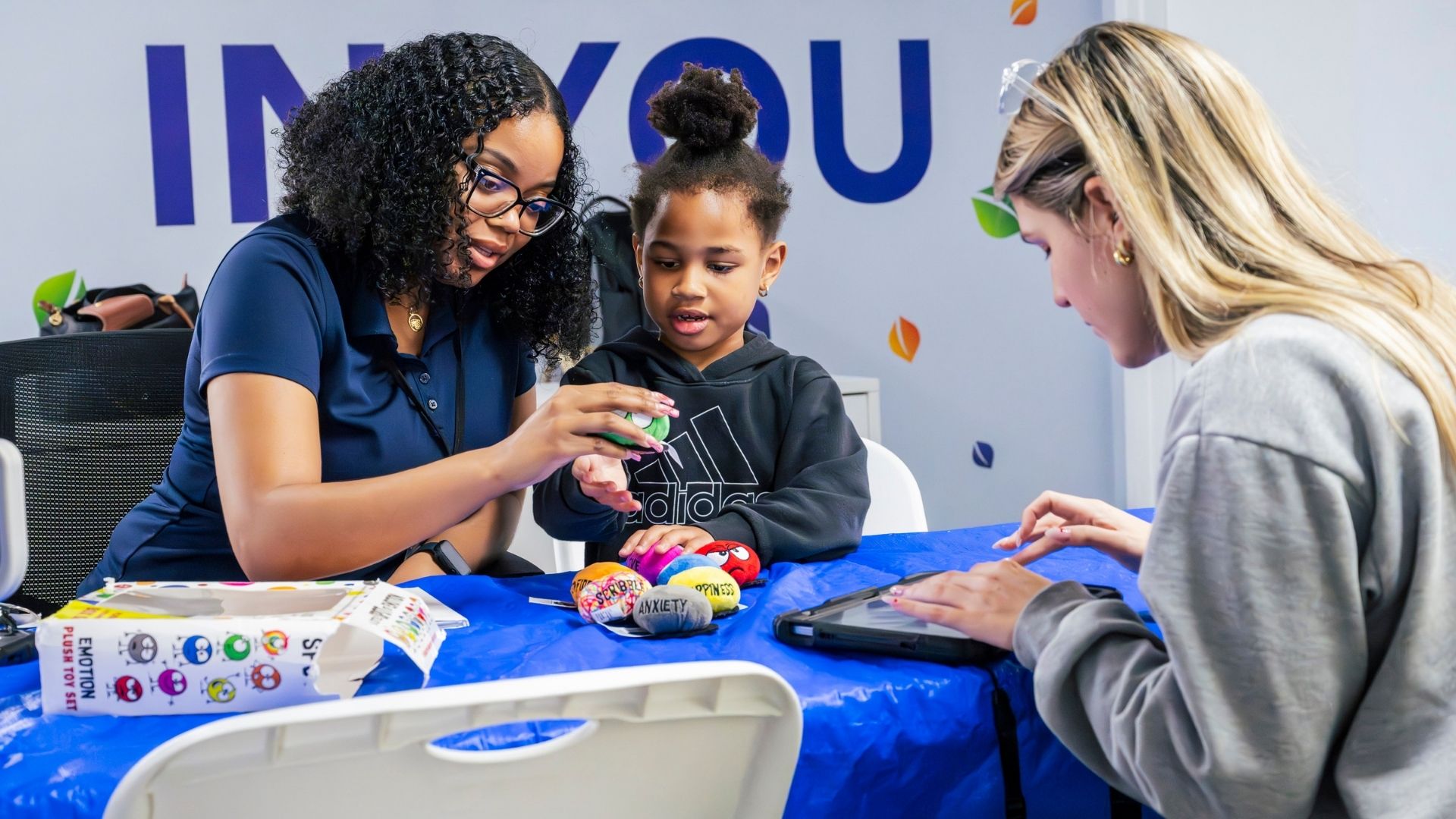
To support you in navigating your child’s autism journey, at ABA Centers of New Jersey, we provide ABA therapy to help them develop essential skills and strategies for managing social situations and sensory sensitivities effectively.
Call us at (855) 640-7888 or share your contact information so our specialists can explain our services and how they can enhance the quality of life for individuals on the spectrum.


 English
  Español