

La Ira en Niños con Autismo: Causas, Desencadenantes y Soluciones con ABA

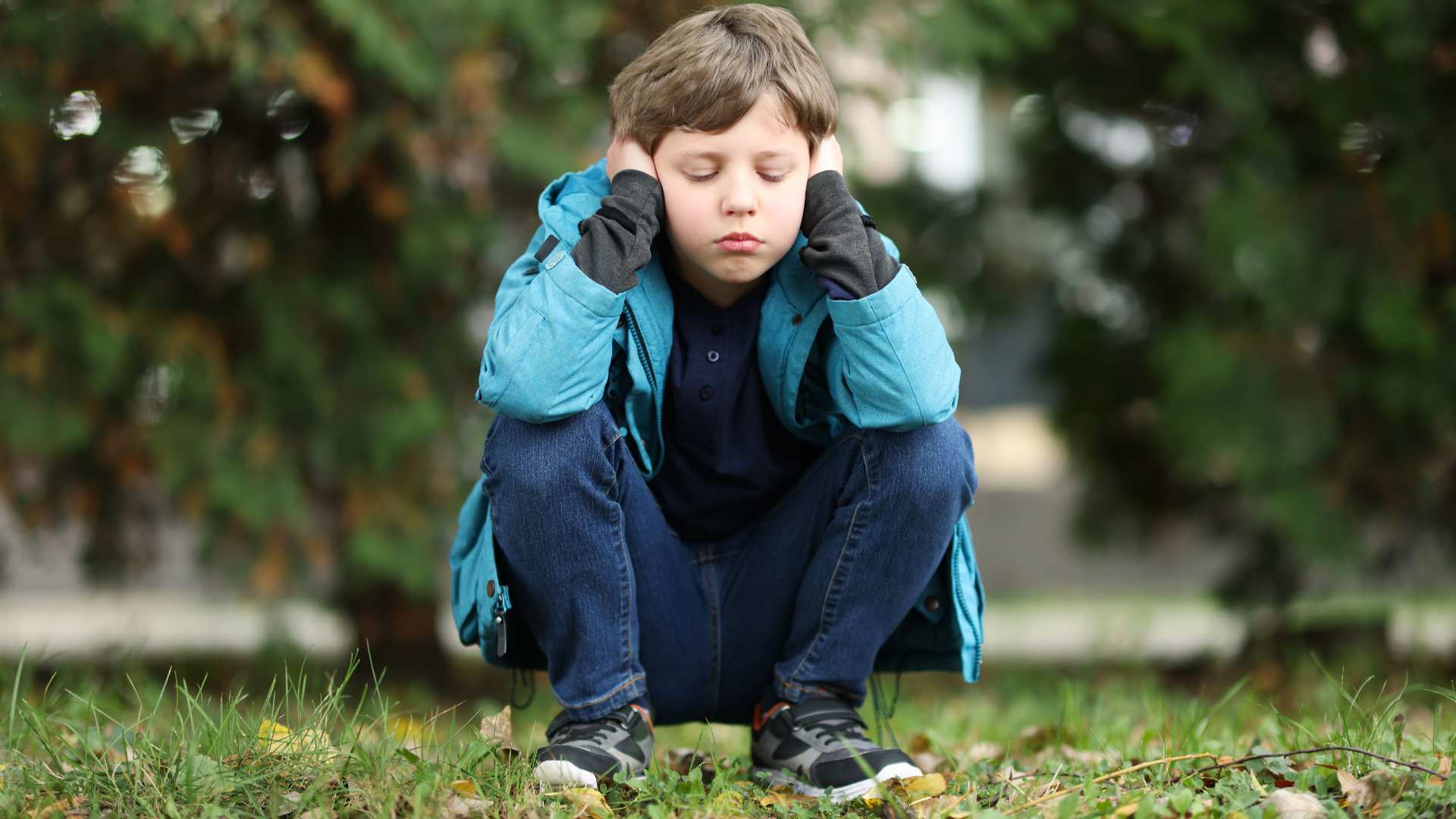
Anger in children with autism

Tabla de contenido

Do Children with Autism Have Anger Issues?

Anger is a universal emotion that can arise from stress, frustration, and challenging situations. However, anger in children with autism can sometimes look different or occur for reasons that are not immediately obvious to parents and caregivers.
 
Children with autism may experience and express strong emotions in different ways. Communication difficulties, sensory overload, unexpected changes, frustration, and difficulty managing intense emotions can sometimes contribute to responses that parents interpret as anger.
 
So, do children with autism have anger issues? Some children with autism may experience frequent or intense angry responses, but anger is not a defining characteristic of autism. Behaviors such as yelling, hitting, crying, or withdrawing may sometimes indicate that a child is overwhelmed, frustrated, uncomfortable, or having difficulty communicating what they need.
Understanding anger in children with autism means looking beyond the behavior itself and identifying what may be contributing to it.
 
En este blog de ABA Centers of New Jersey blog, we’ll explore common anger triggers, the connection between autism and anger, strategies parents can use during challenging situations, and how Applied Behavior Analysis (ABA) can help children build communication and coping skills.
 

What Does Anger in Children with Autism Look Like?

Anger in children with autism can look different from one child to another. A child may yell, cry, hit, throw objects, refuse an activity, or try to leave. These behaviors do not automatically mean the child has an anger disorder. Understanding what happened before the behavior can provide important clues about its cause.
 
Anger itself is a normal emotion. However, frequent or intense responses can interfere with a child’s routines, learning, relationships, or ability to participate in everyday activities.
¿Qué Son los Problemas de Ira?

Conditions such as Oppositional Defiant Disorder (ODD) and Intermittent Explosive Disorder (IED) can also involve difficulties with anger or behavior. However, these conditions are separate diagnoses from autism spectrum disorder (ASD).

Según los Según la Asociación Americana de Psiquiatría, ODD can involve a persistent pattern of angry or irritable mood, argumentative or defiant behavior, and vindictiveness. IED involves recurrent behavioral outbursts associated with difficulty controlling aggressive impulses.
 
A child with autism who yells, hits, refuses a request, or becomes extremely upset does not automatically have either condition.
 
Instead, parents and professionals should consider the circumstances surrounding the behavior. Is the environment overwhelming? Is the child trying to communicate something? Did a routine unexpectedly change? Is the child tired, uncomfortable, or frustrated by a difficult task?
Identifying these patterns can help families better understand anger in children with autism and determine what kind of support may be appropriate.
 

Is There a Connection Between Autism and Anger?

Autism and anger can be connected, but autism itself does not cause an anger problem. Communication challenges, sensory sensitivities, difficulty coping with unexpected changes, frustration, and co-occurring conditions may contribute to angry or distressed responses in some children with autism. Not every child on the spectrum experiences these behaviors.

El autismo engloba una broad spectrum of characteristics that vary significantly from one individual to another.

Some children may yell, hit, throw objects, elope, resist requests, or display other challenging behaviors when they are distressed. Other children may respond by crying, becoming quiet, withdrawing, or trying to leave an overwhelming environment.

Do not assume that every challenging behavior represents anger.

Investigaciones has also examined the relationship between autism and co-occurring mental health conditions, including anxiety and depression. These conditions can affect mood and behavior, which is one reason to discuss persistent or significant behavioral changes with an appropriate healthcare professional.

When considering autism and anger, focusing on what happened before and after a behavior can provide more useful information than simply labeling the child as angry or aggressive.

What Can Trigger Anger in Children with Autism?

Ira en Niños con Autismo: ¿Cuáles son los Desencadenantes?

  1. Sobrecarga Sensorial: Los niños con autismo suelen ser extremadamente sensibles a los estímulos sensoriales. Un ambiente ruidoso, luces brillantes o texturas incómodas pueden desencadenar crisis emocionales que se manifiestan en forma de ira. Estos episodios son una reacción al estrés sensorial, no una intención consciente de enfadarse.
  2. Desafíos en la Comunicación: La incapacidad de expresar necesidades o emociones puede llevar tener a una frustración extrema. Por ejemplo, un niño que no puede pedir ayuda puede recurrir a gritos o berrinches como último recurso. Además, los niños con autismo pueden tener dificultades para comprender las señales sociales, lo que lleva a malentendidos, rechazo o exclusión en situaciones sociales, lo que contribuye a la ira y la frustración.
  3. Rigidity and Routine: Los niños con autismo a menudo dependen de rutinas estrictas para sentirse seguros. Any unexpected change can trigger an angry response because uncertainty causes anxiety.
  4. Emotional Breakdown: A breakdown occurs when a child can no longer handle internal or external stress. An emotional meltdown is not the same as a temper tantrum, as it is not manipulation but an expression of overload. Unfortunately, these difficulties can lead to self-injury.

How to Deal with Autism Anger in Children

Learning how to deal with autism anger in children starts with understanding why the behavior is happening. Parents can look for patterns, reduce overwhelming stimuli when appropriate, support functional communication, prepare children for changes, and teach coping strategies during calm moments rather than waiting until the child is already distressed.

No single strategy works for every child or situation. Responses should reflect the child’s communication abilities, needs, environment, and the possible reason behind the behavior.

Parents and caregivers can consider several approaches:

  • Look for Patterns and Triggers: Pay attention to what happens before an angry response. Noise, transitions, difficult tasks, fatigue, hunger, communication problems, or changes in routine may contribute.
  • Keep Communication Clear: Short, direct instructions and visual supports may make expectations easier for some children to understand.
  • Teach Ways to Ask for Help: Depending on the child’s communication skills, this might include spoken language, gestures, pictures, or an augmentative and alternative communication (AAC) system.
  • Prepare for Transitions: Warnings, visual schedules, timers, and countdowns can help make changes more predictable.
  • Reduce Sensory Demands When Appropriate: If a particular sound, light, crowd, or other sensory experience consistently contributes to distress, environmental adjustments may help.
  • Practice Coping Skills During Calm Moments: A child may be better able to learn how to request a break, wait, or use another coping strategy when they are not already overwhelmed.
  • Stay Calm During Difficult Moments: Reducing unnecessary demands and prioritizing safety can be more productive than trying to teach a new skill while the child is highly distressed.

Learning “how to deal with autism anger in children” does not mean teaching children that they should never become angry. Anger is a normal emotion. The goal is to help children communicate what they need and develop safer, more effective ways to respond to frustration and other difficult experiences.

Parents should seek professional guidance when aggression, self-injury, elopement, or other behaviors create safety concerns, significantly interfere with everyday life, or suddenly change in frequency or intensity. Medical issues, pain, sleep problems, medication effects, or co-occurring mental health conditions may also need to be considered.

How Can ABA Help with Anger in Autism?

ABA therapy can address anger in autism by helping professionals understand what may be contributing to challenging behavior and teaching skills that better meet the child’s needs. Depending on the child, treatment may focus on communication, requesting breaks, coping with transitions, waiting, tolerating frustration, or responding more safely when overwhelmed.

Regulación Emocional en el Autismo: El Papel de ABA

La terapia de Análisis del Comportamiento Aplicado focuses on understanding behavior within its context.

Instead of simply labeling a behavior as anger, ABA professionals examine what happens before and after the behavior and what the child may be communicating, accessing, or avoiding through that response.

Los Componentes Clave de ABA Incluyen:

  1. Evaluación Inicial: ABA providers conduct a comprehensive analysis of the child’s behavior to identify triggers and behavioral patterns. This assessment gives them a clear understanding of the therapeutic plan’s goals.
  2. Análisis Funcional: Este paso busca entender el "por qué" detrás de los comportamientos desafiantes. Por ejemplo, ¿es la ira una respuesta a la frustración o una forma de escapar de una situación?
  3. Plan de Intervención Conductual: Con base en los hallazgos, los analistas conductuales diseñan un plan personalizado que incluye estrategias como el refuerzo positivo para fomentar comportamientos saludables.
  4. Recopilación y Análisis de Datos: During ABA sessions, therapists collect data. Ongoing monitoring and analysis allow them to adjust strategies as needed to improve outcomes.
  5. Refuerzo Positivo: El refuerzo positivo es fundamental para enseñar habilidades esenciales como la comunicación, la interacción y la regulación emocional en el autismo. Durante las sesiones de ABA, los terapeutas pueden recompensar a los niños cuando, en lugar de recurrir a comportamientos desafiantes, utilizan estrategias como contar hasta diez o esperar su turno. Este enfoque fomenta la comunicación y la regulación emocional en el autismo.

Find Support for Anger in Children with Autism at ABA Centers of New Jersey

Understanding anger in children with autism starts with recognizing that behavior often communicates something important. Identifying triggers and teaching communication, coping, and adaptive skills can help children develop more effective ways to respond to frustration, sensory overload, unexpected changes, or other difficult situations.

En ABA Centers of New Jersey, our ABA professionals develop individualized treatment programs based on each child’s strengths, needs, and goals. When challenging behaviors interfere with everyday activities, our team can help identify contributing factors and teach skills that support communication, independence, and participation in daily life.

For families navigating autism and anger, the goal is not to eliminate a normal emotion. It is to understand better what the child may be experiencing and give them additional ways to communicate and cope with challenging situations.

With centers in Woodstown, Trenton, Paterson, and other communities across New Jersey, ABA Centers of New Jersey supports families statewide. Call us at (855) 640-7888 o conecta en línea! No dudes en buscar orientación profesional; Trabajamos con la mayoría de los seguros.

Socialícese con nosotros

Entradas relacionadas

Child experiencing autism masking by hiding natural behaviors in social situations, representing autism social camouflaging

El Enmascaramiento del Autismo: Comprendiendo las Dificultades Ocultas Tras el Camuflaje Social

Autism masking can include suppressing stimming, rehearsing conversations, forcing eye contact, or imitating others to fit social expectations. Learn what masking in autism means, what ...
Leer más →
Types of Therapy for Autism How Do You Know What to Prioritize

Types of Therapy for Autism: How Do You Know What to Prioritize?

There are many autism therapy options, but your child may not need them all at once. Learn how families can compare therapies, prioritize meaningful goals, ...
Leer más →
Coordinated Autism Care How to Align Your Child’s Team

Coordinated Autism Care: How to Align Your Child’s Team

Coordinated autism care can help families connect recommendations across home, school, healthcare, and therapy. Learn how to clarify each provider’s role, create a shared autism ...
Leer más →
Group of preschool-aged children participating in a classroom activity

ABA Therapy for Preschoolers: How It Differs From ABA Therapy for Toddlers

How does ABA change as a child moves from toddlerhood into the preschool years? Learn how goals, teaching opportunities, and family involvement may evolve while ...
Leer más →
Parent and young child building with colorful blocks during playtime

ABA Techniques for Parents: Practical Ways to Support Your Child at Home

Explore six practical ABA techniques for parents that can help reinforce communication, independence, and other developing skills during everyday family routines; it’s not about recreating ...
Leer más →
Autism and Halloween

Autismo y Halloween: 8 Consejos Para Una Temporada Espeluznantemente Segura

Este blog de ABA Centers of New Jersey muestra a las familias cómo planificar un Halloween respetuoso con los sentidos, con disfraces poco estresantes, rutinas predecibles y actividades inclusivas.
Leer más →
es_ESEspañol
Scroll al inicio