Autistic Barbie: Inclusive Play That Supports Autism Representation and Acceptance

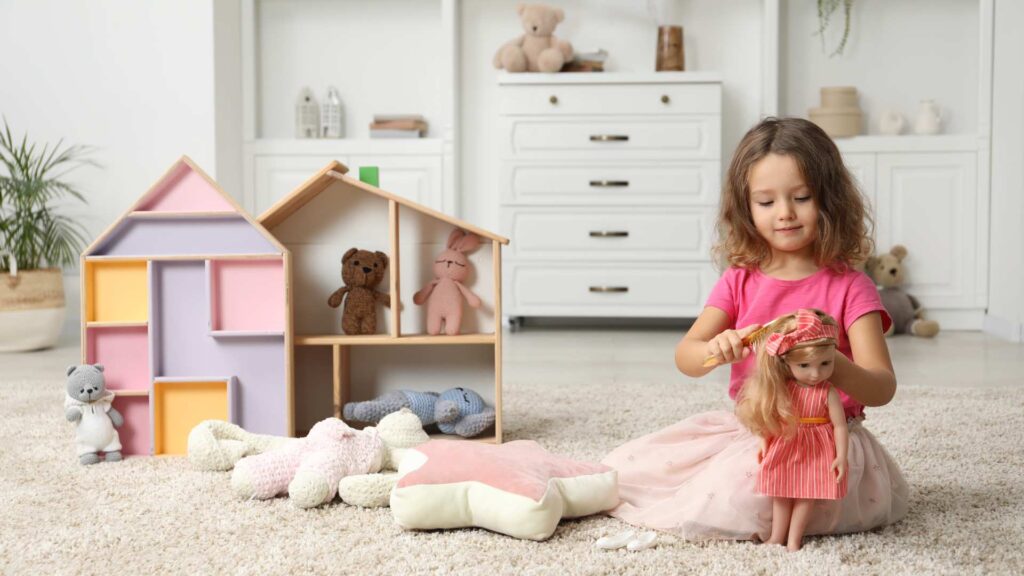
Child sitting on the floor playing with an autistic Barbie doll

Tabla de contenido

What Makes the New Barbie Doll Autistic?

The introduction of Autistic Barbie marks a critical moment in autism portrayed in children’s toys. For many families, toys have rarely represented the full range of human experiences, especially when it comes to autism representation. Autistic Barbie helps shift that reality by bringing visibility, understanding, and respect to conversations about autism.

More than a new doll, Autistic Barbie supports growing discussions around autism representation, autism acceptance, and autism diversity. Through thoughtful design and meaningful details, she invites children and adults alike to view autism as a natural part of the human experience, one that deserves recognition and inclusion.

Este blog de ABA Centers of New Jersey explores what Autistic Barbie represents, what makes her different, and why inclusive toys play an essential role in building understanding and acceptance for individuals on the autism spectrum and their families.

The New Autistic Barbie

Autistic Barbie is part of a broader movement toward inclusion and diversity in children’s play by Mattel. Like the entire Fashionistas collection, which features over 175+ dolls with a wide range of looks and abilities, she helps children better understand the world around them by encouraging play beyond their own lived experiences.

The Autistic Barbie was developed with input from autism advocates, including the Autistic Self-Advocacy Network and professionals, to ensure her design reflects real-life supports and experiences familiar to many individuals with autism.

Rather than focusing on challenges, Autistic Barbie highlights tools that promote comfort, self-regulation, and independence. Her design acknowledges autism without defining it, allowing children to engage with autism representation in a natural, positive way.

Why Autism Representation in Toys Matters

Play is one of the first ways children learn about themselves and others. According to the American Academy of Pediatrics, play supports emotional regulation, communication, problem-solving, and social development.

When toys only reflect one type of experience, children who live outside that narrative may feel unseen. Autism representation in media, books, or toys like Autistic Barbie helps change that by normalizing differences and encouraging understanding from an early age.

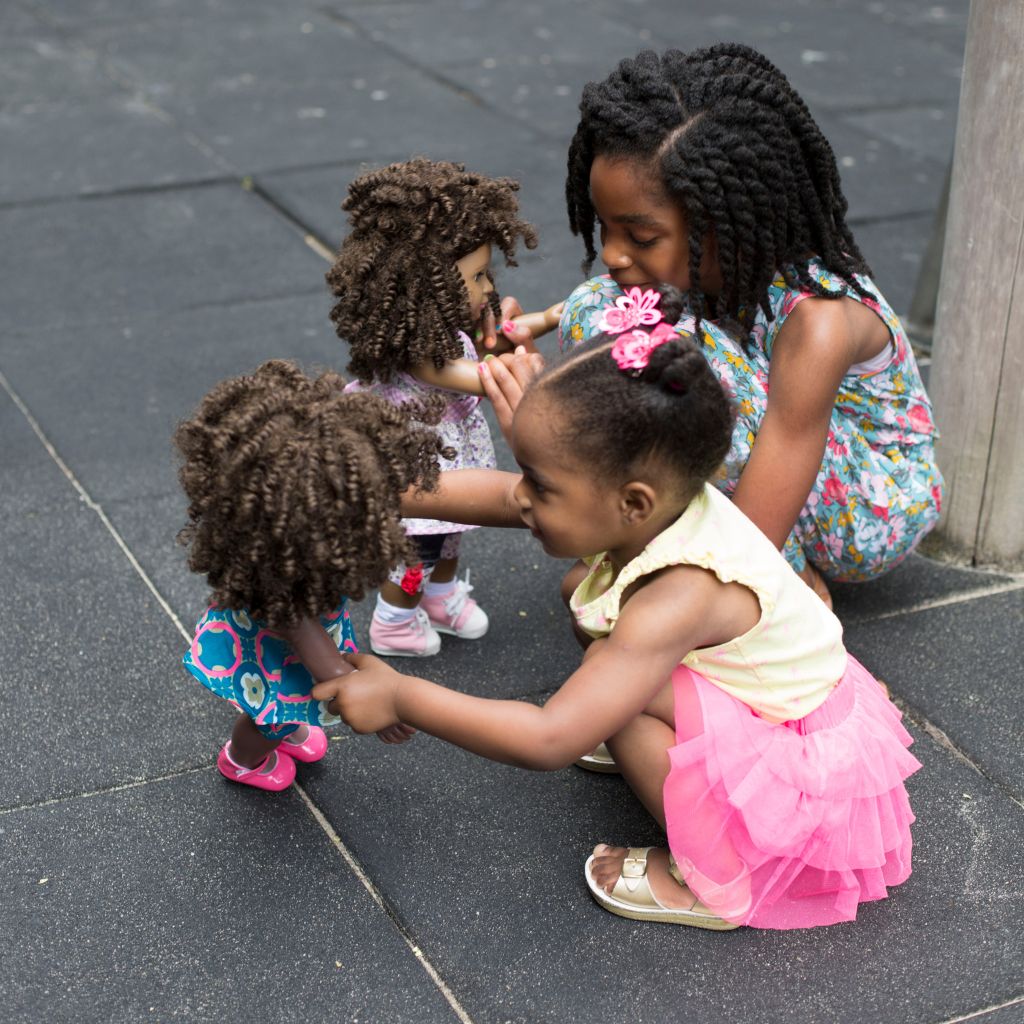
Children engaged in imaginative play with dolls outside

For individuals on the autism spectrum, representation through play can reinforce belonging and self-confidence. For children without autism, it helps build empathy and respect, key foundations of autism acceptance.

What Makes Autistic Barbie Unique?

Autistic Barbie stands out because her features are rooted in real experiences shared by many individuals with autism. Each design element reflects sensory awareness, communication differences, and self-regulation strategies.

Sensory-Friendly Clothing and Design

Many individuals with autism experience sensitivity to textures, colors, and visual input. Autistic Barbie’s clothing uses calming tones and comfortable materials designed to feel predictable and soothing.

Noise-Canceling Headphones

Autistic Barbie includes noise-canceling headphones, representing a common sensory support used to manage overwhelming sounds. Their presence reinforces autism acceptance by showing that accommodations are practical tools that support well-being.

Fidget Spinner for Self-Regulation

Among Autistic Barbie’s accessories is a fidget spinner, a tool often used by individuals on the autism spectrum to support focus, calm, and emotional regulation. Fidgeting can help process sensory input or manage anxiety during everyday activities.

Articulated Body Supporting Natural Movement

Autistic Barbie features articulated wrists and elbows that allow natural hand and arm movements. These movements reflect behaviors such as autoestimulación or expressive gestures that some individuals with autism use to regulate sensory input or express excitement.

Subtle Eye Gaze Variation

The doll’s facial design includes a gentle side-oriented eye gaze, reflecting how some individuals on the autism spectrum may prefer limited or indirect contacto visual. This detail helps challenge the misconception that eye contact is the only indicator of engagement or connection.

Communication-Inclusive Accessories

Additional accessories subtly reference visual and alternative communication methods. These details acknowledge that communication can take many forms and that all forms of expression are valid.

Autistic Barbie and Autism Acceptance
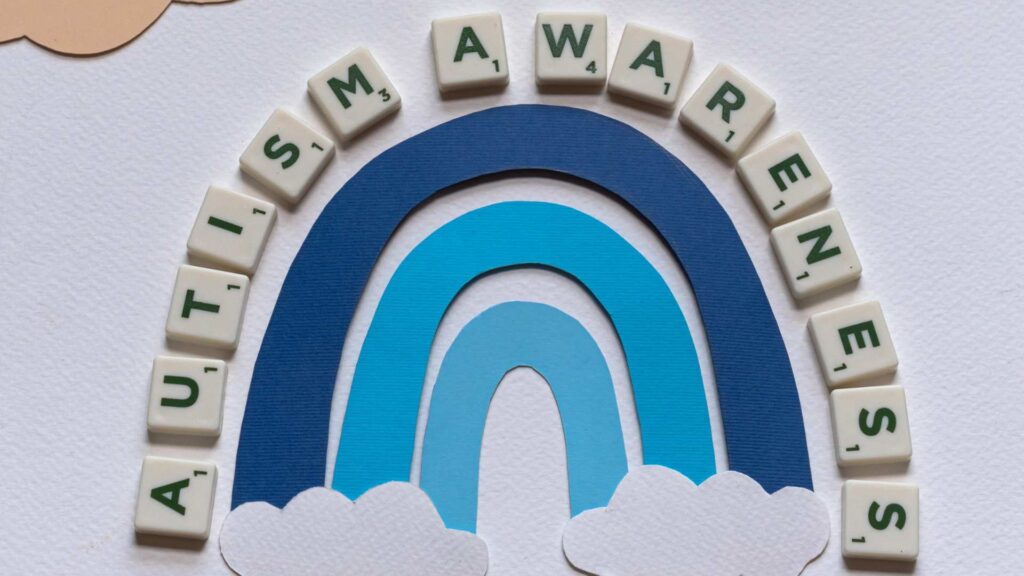
Blue rainbow with clouds and the words Autism Awareness

Autism awareness helps people recognize autism, but autism acceptance means valuing individuals with autism for who they are. Acceptance includes respecting differences, identifying strengths, and understanding support needs.

Autistic Barbie supports autism acceptance by presenting autism without stereotypes or exaggeration. She reflects confidence, individuality, and inclusion, qualities that help reshape how everyone understands in everyday life.

How Inclusive Toys Support Social and Emotional Learning

Inclusive toys like Autistic Barbie help children practice empathy and flexibility through play. When children include diverse characters in imaginative play, they learn to respect differences and adapt to different needs.

Inclusive play encourages children to:

  • Recognize sensory needs
  • Understand different communication styles
  • View accommodations as normal and supportive

These lessons extend beyond playtime into schools, friendships, and communities.

Autism Awareness Is Growing, but Misunderstanding Still Exists

While conversations around autism have increased in recent years, misunderstanding and stigma still exist. Many people continue to view autism through outdated or oversimplified lenses, which can lead to assumptions about behavior, communication, or abilities.

This lack of understanding can affect how individuals on the autism spectrum are treated in schools, public spaces, and even within their own communities. It can also create pressure on families to explain, justify, or defend their child’s needs.

That is why representation matters, but it must be paired with education and open conversations. Autistic Barbie helps start those conversations, but she cannot carry the full responsibility alone.

True autism acceptance requires ongoing learning, listening to lived experiences, and recognizing that autism looks different for every individual.

The Role of Play-Based ABA Therapy

Play is not just meaningful, it is powerful. Play-based ABA therapy uses structured, intentional play to teach positive skills in a way that feels engaging and natural for children.
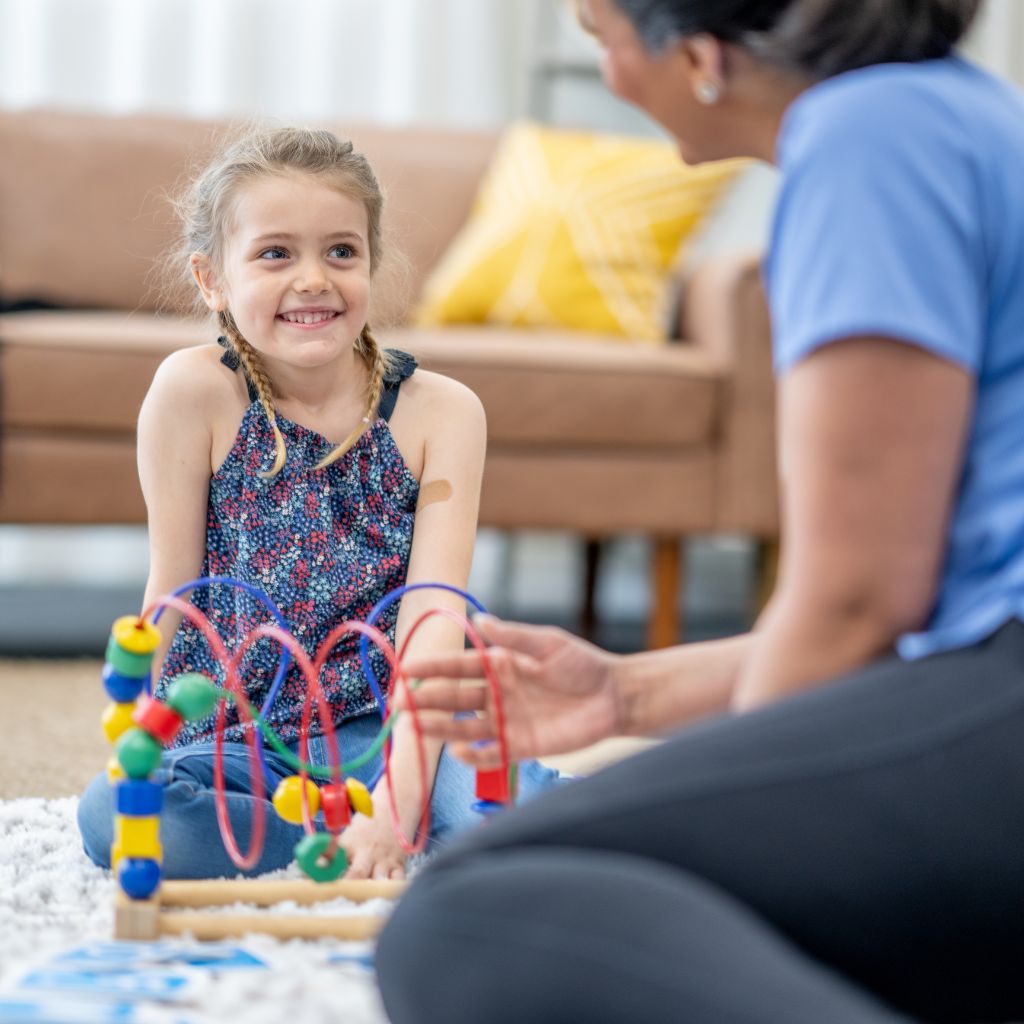

Through play-based ABA therapy, individuals on the autism spectrum can work on skills such as:

  • Communication and language development
  • Social interaction and cooperation
  • Emotional regulation
  • Daily living and independence skills

Rather than removing joy from learning, play-based ABA therapy builds on what children already enjoy. It meets them where they are and uses play as a bridge to understanding, confidence, and growth.

Supporting Families at ABA Centers of New Jersey

En ABA Centers of New Jersey, we walk alongside families at every stage of their autism journey. Our goal is not only to provide therapy but to offer guidance, education, and community support rooted in understanding and respect.

We provide personalized autism services, including:

  • Diagnostic support
  • La intervención temprana
  • ABA therapy in our centers, at home, and in schools

Our team collaborates closely with families to create treatment plans that align with each child’s needs while honoring their individuality.

In addition to therapy services, ABA Centers of New Jersey offers family-focused events and community opportunities throughout the year, creating spaces where children and families can connect, learn, and grow together.

Ready to Connect?

If you have questions about autism, ABA therapy, or support services in New Jersey, we are here to help.

Contact us here o llámanos al (855) 640-7888 today to learn how our team supports individuals on the autism spectrum and their families with compassionate, evidence-based care.


Socialícese con nosotros

Entradas relacionadas

Student sitting on the ground with knees pulled close and headphones on, capturing a moment of overwhelm related to autism and mental health

Autism and Mental Health: Understanding Emotional Well-Being Across the Spectrum

Learn how autism and mental health intersect, common emotional challenges, and how to support emotional well-being in children with ASD.
Leer más →
Child with autism sleeping in a calm bedroom, representing autism and sleep disturbance and common sleep disorders.

Autism and Sleep Disturbance: Understanding the Challenges and Finding Real Solutions

Sleep challenges are one of the most exhausting and overlooked parts of raising a child with autism. In this blog, we explore why sleep problems ...
Leer más →
Cómo pasar las fiestas con autismo 11 consejos esenciales

Navegando las Festividades con Autismo: 11 Consejos Esenciales

Esta guía de ABA Centers of New Jersey pretende ofrecer consejos prácticos para gestionar la intersección del autismo y la Navidad. Con el enfoque adecuado, ...
Leer más →
Comprender el autismo de nivel 1 y las diferencias en la comunicación social cotidiana. .niño jugando con marionetas de mano

Explicando el autismo de nivel 1: Una guía compasiva para las familias

El autismo de Nivel 1 es a menudo malinterpretado, especialmente cuando se compara con términos anticuados como Asperger. Esta guía desglosa qué significa realmente el nivel 1, cómo se...
Leer más →
Dos hermanos pequeños sonríen juntos: apoyo a los niños con un hermano autista.

Hermanos con Autismo: Cómo Apoyar a los Hermanos de Niños Neurodiversos

En esta guía de ABA Centers of New Jersey, exploramos cómo el hecho de tener un hermano neurodiverso influye en el desarrollo, y compartimos herramientas prácticas, recursos y ...
Leer más →
Un padre abrochando a un niño sonriente en un asiento de coche, ilustrando los problemas sensoriales de los asientos de coche en el autismo y las estrategias de apoyo en los viajes.

Problemas sensoriales del autismo en el asiento del coche: Guía de apoyo para padres y cuidadores

Este blog explica por qué ocurre esto y cómo hacer que cada viaje sea más tranquilo con estrategias sencillas y adaptadas al autismo.
Leer más →
es_ESEspañol
Scroll al inicio