

Sensory-Friendly July 4: Inclusive Celebrations for Children with Autism

Sensory-Friendly July 4

Table of Contents

How can families create a sensory-friendly July 4 experience?

The Fourth of July is a cherished American tradition marked by fireworks, festive gatherings, and community parades. However, for neurodiverse families, this vibrant celebration can present sensory challenges that make it difficult for them to participate.

Firework displays, crowded venues, and loud music are often too overwhelming, triggering anxiety and distress. For these families, the key to celebrating lies in creating a sensory-friendly July 4 environment that aligns with their child’s unique needs.

As the holiday approaches, many parents wonder: Is it possible to celebrate Independence Day in a meaningful and manageable way for a child with autism? The answer is yes—with thoughtful preparation, support, and a clear understanding of sensory processing differences, your family can create and enjoy a sensory-friendly Fourth of July!

In this blog from ABA Centers of New Jersey, we’ll explore the science behind sensory challenges and offer strategies for a Fourth of July for kids with autism.

Why Sensory Challenges Make July 4 Difficult

When discussing a sensory-friendly July 4 experience for children with autism, it is essential to understand how their sensory systems differ. The brain processes and organizes sensory input—everything we perceive through our senses, including what we hear, see, smell, touch, and taste. For most people, this happens automatically. But for many children with autism, sensory messages arrive in a way that feels jumbled, unpredictable, or even painful.

Sensory overload in kids

According to Pediatric Research, over 96% of children with autism report hyper- and hypo-sensitivities. Some children experience hypersensitivity, reacting strongly to stimuli such as loud fireworks or bright lights. Others may be under-sensitive, not noticing sensations that others do. These differences are rooted in how the brain processes information and are linked to challenges in sensory integration.

Rather than forming a clear picture of their environment, children with sensory processing difficulties may feel bombarded by individual, unfiltered inputs. What’s a celebration for most might feel like chaos to them.

Tips for a Sensory-Friendly Fourth of July Celebration

Thoughtful planning makes it possible for your family to create a sensory-friendly Fourth of July. Here are some ways to make this year’s Fourth of July celebration fun and inclusive for kids with autism.

1. Introduce the Concept in Advance: Use visuals, calendars, storytelling, and straightforward explanations to introduce the idea of July 4. Knowing what to expect helps reduce anxiety.

2. Adjust the Environment: Watch fireworks from a distance, use noise-canceling headphones, or stay in the car with the windows slightly open. Avoid large crowds if possible.

3. Respect Routine: Try to maintain mealtimes and sleep schedules. Bring familiar foods or items to celebrations.

4. Create a Calm Zone: Designate a safe and friendly space where your child can retreat if they feel overwhelmed, whether at home or an event.

5. Use Sensory Supports: Pack calming tools like weighted blankets, fidget items, sunglasses, or chewable jewelry.

6. Host an Alternative Celebration: A quiet backyard event with glow sticks, safe sparklers, patriotic crafts, and familiar music may feel just right.

Celebrating July 4

7. Be Flexible and Empower Your Child: Let your child help plan parts of the day. If things don’t go as expected, that’s okay. Flexibility is success.

Building Long-Term Coping Strategies with ABA Therapy

At ABA Centers of New Jersey, we believe that preparing for high-stimulation events like the Fourth of July shouldn’t just be a once-a-year effort. It’s part of building long-term coping strategies for children with autism.

Through ABA therapy, children can:

  • Learn to recognize when sensory overload is beginning to build
  • Practice requesting breaks or using calming techniques to manage stress
  • Role-play scenarios like parties or fireworks
  • Strengthen communication skills for expressing discomfort

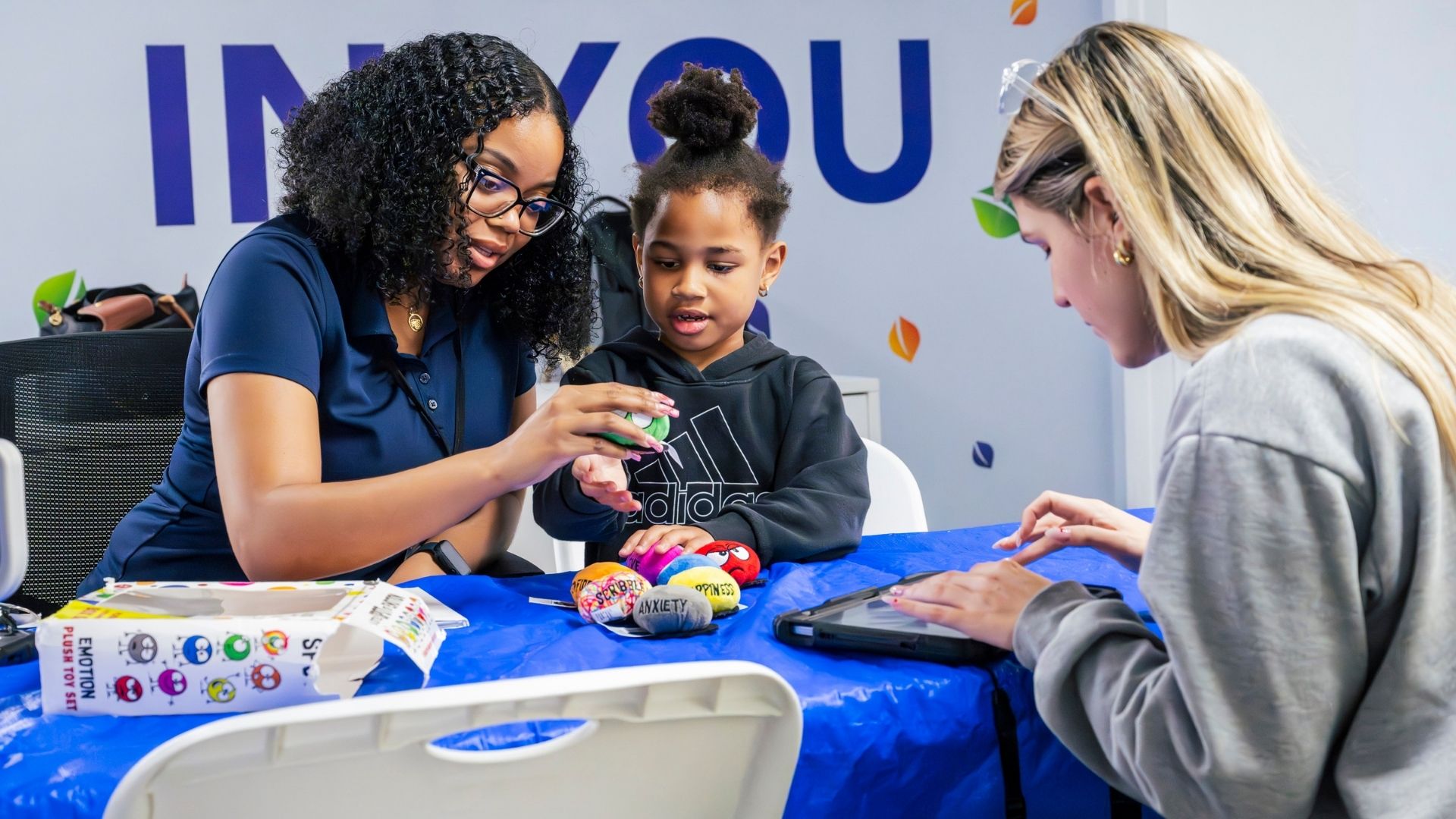
Our programs also include caregiver training to ensure parents feel equipped to support their children not only during holidays but in daily transitions, community outings, and school environments.
ABA Centers of New Jersey: Here for Every Milestone

Every family deserves to celebrate holidays in a safe, inclusive, and meaningful way. At ABA Centers of New Jersey, we’re proud to walk with families through every season of growth—from backyard birthday parties to sensory-friendly July 4 celebrations.

We offer:

  • Personalized ABA therapy for kids and teens with autism
  • Family coaching and community-based strategies
  • Support for transitions, routines, and special events
  • Evidence-based, compassionate care for long-term success

If you’re preparing for a Sensory-Friendly July 4 and want to make this holiday inclusive and joyful for your child, we’re here to help. Contact us online or call us at (855) 640-7888 to learn how we can support your journey.

Get Social With Us

Related Posts

Toddler covering ears in a loud environment

Sensory Sensitivity in Toddlers: What’s Normal and What’s Not

Does your toddler cover their ears, avoid certain textures, or react strongly to everyday situations? Sensory sensitivity in toddlers is more common than you might ...
Read More →
Toddler sitting on the floor looking at a stuffed animal, showing early communication behaviors.

Speech Delay vs Autism: How to Tell the Difference in Toddlers

Small differences in how your child connects and communicates with you and their surroundings matter. In this blog, we’ll teach you how to better understand ...
Read More →
A toddler lines up toys while playing, a behavior where they place objects in order to explore patterns

What to Do If My Toddler Lines Up Toys? Is It a Sign of Autism?

If your toddler lines things up often, you’re not the only parent wondering why. Some behaviors are part of normal development, others need a closer ...
Read More →
Toddlers move around a space with adults watching over them. The scene hints at moments when a toddler doesn’t respond to their name

My Toddler Doesn’t Respond to Their Name — What Does It Mean?

Calling your child’s name and getting no response can feel confusing. Sometimes it’s a completely normal part of their development, other times it’s worth a ...
Read More →
A small child appears to call out, paired with the theme Why Isn’t My Toddler Talking Yet. The image helps explain common signs of speech delay and autism.

Why Isn’t My Toddler Talking Yet? What It Could Mean

It’s normal for parents to worry if their child isn’t using words as expected. Learn why speech delays happen, and when to take a closer ...
Read More →
A toddler crawling through a tunnel, showing toddler developmental milestones like movement, curiosity, and play, and representing the question Is My 18-Month-Old Behind

Is My 18-Month-Old Behind? What to Know About Developmental Milestones

Wondering if your 18-month-old is behind in development? Learn what milestones to look for and when it may be time to take a closer look. ...
Read More →
en_USEnglish
Scroll to Top