
How DAAY Court Supports Youth with Autism Facing Legal Challenges

Table of Contents

What happens when an individual with autism commits a crime?

DAAY Court, short for Detention Alternative for Autistic Youth, is changing the way the justice system handles cases involving young individuals with autism spectrum disorder (ASD). For many youths with ASD, navigating legal challenges is uniquely complex due to the social and communication differences that accompany autism. DAAY Court steps in by offering these individuals a supportive legal process, addressing both the circumstances leading to legal troubles. With its specialized approach, this program is creating safer and more positive experiences for individuals and families impacted by autism.

Understanding why youth with ASD are at increased risk of encountering the justice system can highlight the DAAY Court’s vital role. Research from the Journal of Autism and Developmental Disorders reveals that approximately 20% of youth with autism have been stopped and questioned by police by age 21, and nearly 5% have been arrested.

Let’s explore in this blog by ABA Centers of New Jersey the impact of ASD on the legal system and the role of the Detention Alternative for Autistic Youth.

Why Youth with Autism May Face Legal Challenges

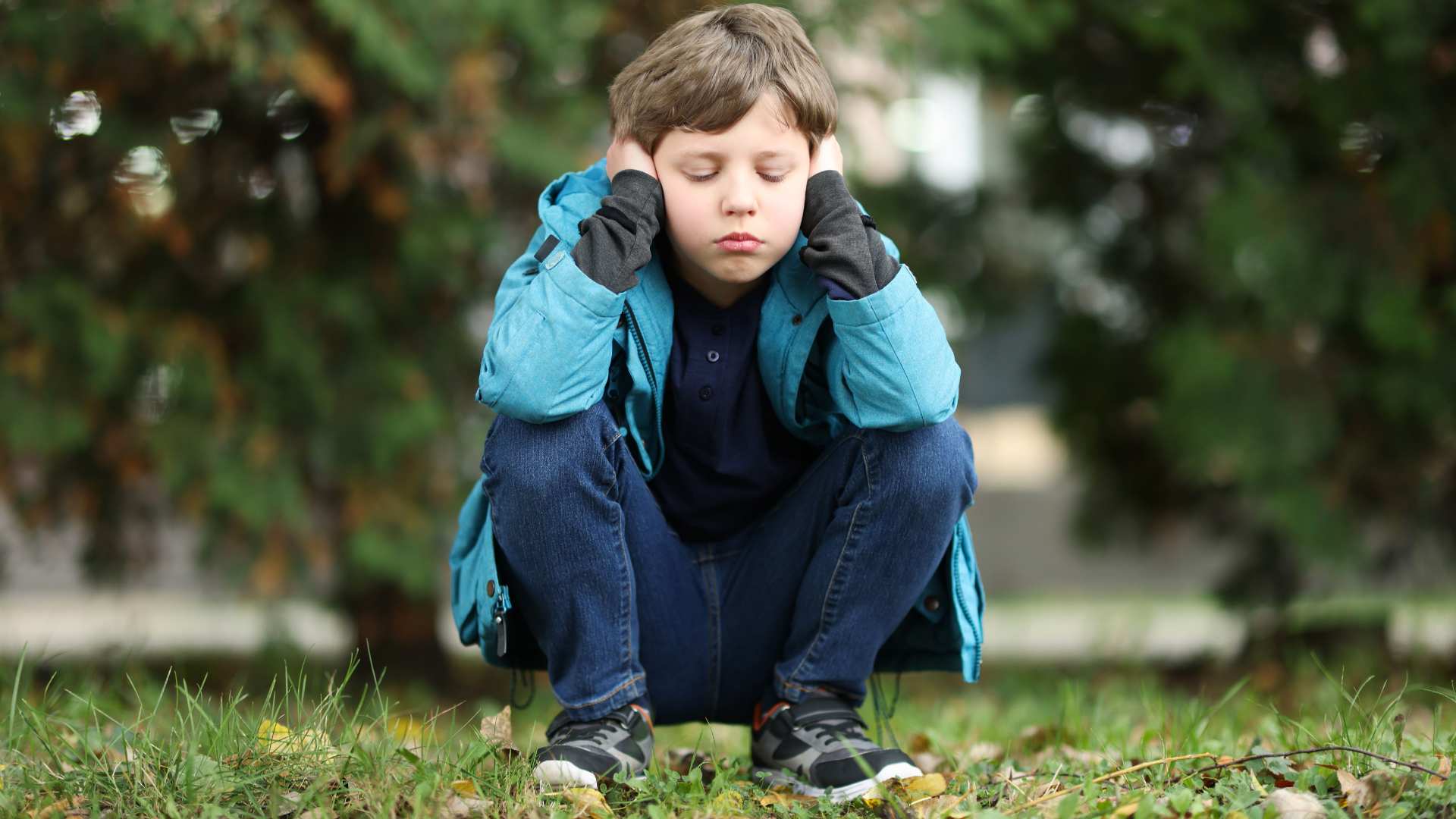
a teen with ASD

For young individuals with autism, interactions with the justice system may sometimes be unavoidable. Due to characteristics of ASD such as communication difficulties, heightened sensitivity, and challenges with impulse control, youth on the spectrum may find themselves in situations they don’t fully understand. They may even unintentionally engage in behaviors seen as non-compliant or disruptive, which can lead to severe misunderstandings with law enforcement and the legal system.

According to IBCCES, individuals with autism may be at higher risk for encounters with law enforcement and are even five times more likely to end up in prison due to their ASD traits, including:

  • Difficulty understanding social cues and boundaries
  • Trouble managing emotions, which can lead to outbursts
  • Struggles with impulse control
  • Challenges responding to authority figures, which may appear as defiance or aggression

For these reasons, young individuals with autism may find themselves at a disadvantage in traditional court settings, which often lack the specialized accommodations needed to meet their unique needs.

What DAAY Court Offers Youth with Autism

DAAY Court, launched in Las Vegas in 2018 by Judge Sunny Bailey, was explicitly designed to address the unique needs of youth with ASD in the justice system. Judge Bailey, inspired by her personal experiences as a parent of a child with autism, recognized the necessity for a court system that doesn’t just penalize but also educates and supports young people on the spectrum.

The court provides tailored accommodations to make legal proceedings more accessible, including:

  • Sensory-friendly adjustments like dimmed lighting and reduced noise in the courtroom
  • Collaborative support from judges, attorneys, mental health experts, and autism specialists to create individualized action plans
  • Therapeutic services aimed at helping youth understand their actions and develop skills to avoid future legal issues
  • Incorporation of Applied Behavior Analysis (ABA) therapy, which has shown promising results in reducing problematic behaviors and reinforcing positive social interactions

Through DAAY court, Judge Bailey works closely with each youth, tailoring her approach based on their needs, interests, and motivations, such as using incentives like chicken wings to encourage positive behavior.

How ABA Therapy Supports DAAY Court’s Mission

A key component of DAAY Court’s approach is the integration of ABA therapy principles, which emphasize behavior modification and skill development through positive reinforcement. ABA therapy can make a significant difference in how youth with autism manage challenging behaviors, helping them better understand social norms, respond to authority, and control impulses. These skills are essential for navigating the court system and avoiding future legal troubles.

a group of people sitting in a circle

Through ABA therapy, individuals with ASD learn:

  1. Techniques for managing emotional responses and reducing impulsivity
  2. Strategies for interpreting social cues and responding appropriately
  3. Coping skills that improve social interactions and reduce misunderstandings

Why Programs Like DAAY Court Matter

Traditional legal settings may overlook the special accommodations needed by youth on the spectrum, which can inadvertently make a challenging experience even more traumatic. DAAY Court’s innovative approach offers young people with ASD a more compassionate and understanding experience, reducing the likelihood of re-offense by ensuring they understand their rights, responsibilities, and the impact of their actions.

For instance, under Judge Bailey’s guidance, the DAAY court has significantly reduced recidivism rates, with 65 children successfully graduating and only five returning to the system. The program also extends its support to families, educating parents on managing autism at home and collaborating with them to ensure they are involved in their child’s behavioral improvements.

The DAAY program’s success showcases how specialized support, like ABA and coordinated family engagement, can enable youth with autism to navigate and thrive within both the justice system and society.

ABA Centers of New Jersey: Empowering Families and Individuals with Autism

At ABA Centers of New Jersey, we provide comprehensive ABA therapy to support kids and teens on the autism spectrum. Our personalized approach empowers each family we serve, equipping them with tools to foster positive development and growth.

From advanced assessments to tailored ABA treatment plans and ongoing parent coaching, ABA Centers of New Jersey provide meaningful support at every step of families in Cherry Hill, Trenton, Woodstown, East Hanover, Dover, Paterson, East Brunswick, Princeton, Hoboken, and more areas of the Garden State.

If you or a loved one could benefit from ABA therapy, reach out to us today at (855) 640-7888 or contact us online. Together, we can build brighter futures for young on the spectrum, ensuring they thrive in every area of life—including, if needed, navigating the complexities of the legal system.

Get Social With Us

Related Posts

Therapist giving a high five to a young child during a learning session, symbolizing support and understanding across different levels of autism.

Understanding the Levels of Autism: A Guide for Families and Caregivers

What’s the difference between Autism Level 1, 2, and 3? This guide breaks down the three autism spectrum disorder levels, explains common symptoms and support ...
Read More →
Parents comforts child after they've received an autism diagnosis

Autism Test Guide: Screening, Diagnosis, and Next Steps

The autism testing, screening, and diagnosis process can be challenging for those who suspect their child may be on the spectrum. Fortunately, we’ve made it ...
Read More →
Toddler looking and pointing up, showing behaviors of social development milestones

Social Development Milestones: What Should My 2-Year-Old Be Doing?

Social development can look different from what parents expect at 2-years-old. Some toddlers observe, play nearby, or prefer familiar adults, and that can be completely ...
Read More →
Child crying intensely on the floor, showing signs of emotional overload.

Why Does My 2-Year-Old Have Meltdowns? Understanding Toddler Behavior

2-year-old meltdowns can feel overwhelming, for both you and your child. But these reactions often come from emotional overload, not bad behavior. Understanding the difference ...
Read More →
Toddler covering ears in a loud environment

Sensory Sensitivity in Toddlers: What’s Normal and What’s Not

Does your toddler cover their ears, avoid certain textures, or react strongly to everyday situations? Sensory sensitivity in toddlers is more common than you might ...
Read More →
Toddler sitting on the floor looking at a stuffed animal, showing early communication behaviors.

Speech Delay vs Autism: How to Tell the Difference in Toddlers

Small differences in how your child connects and communicates with you and their surroundings matter. In this blog, we’ll teach you how to better understand ...
Read More →
en_USEnglish
Scroll to Top