
Table of Contents
Should I teach my child with autism how to interact with law enforcement?
The relationship between autism and the police can generate concern among parents and caregivers, as interactions between these two groups can involve a number of critical issues. From difficulties in social interaction to sensory sensitivities and reactions to emergencies, addressing and anticipating these scenarios is crucial to preventing misunderstandings.
At some point, we will all need to interact with law enforcement. As individuals with autism gain independence or show tendencies to wander, the likelihood of such encounters increases. Therefore, many parents ask, “Should I teach my child with autism how to interact with law enforcement?” The answer is yes.
Addressing the relationship between autism and law enforcement is critical. That’s why, in this guide by ABA Centers of New Jersey, we offer eight strategies to promote safe encounters between your child with autism and the police.
The Importance of Addressing Interactions Between Autism and the Police
According to the International Board for Credentialing and Continuing Education Standards (IBCCES), individuals with autism are five times more likely to end up in prison due to misunderstandings with the police compared to neurotypical individuals. So, why does this occur?
Despite the evolving awareness of autism, there is still a significant amount of progress we need to make. Regrettably, police officers often misinterpret common autism behaviors as threats in many instances. Behaviors such as self-stimulation or avoidance of eye contact, which are typical among those with autism, can be misconstrued by law enforcement.
While numerous police departments have begun adopting measures to increase their understanding of autism and engage with individuals in a more inclusive, respectful, and empathetic manner, those who encounter officers without autism awareness training can face distressing experiences. To halt this from persisting, parents and autism advocates must implement safety measures to educate their loved ones with autism on how to safeguard themselves during interactions with the police.
Interaction Difficulties Between Autism and The Police
Autism spectrum disorder (ASD) is a developmental disorder that impacts the behavior, communication, and interaction of individuals within the spectrum. The nature of the spectrum means that each individual with autism possesses unique abilities and challenges, with variability in the severity of difficulties. Therefore, their need for specialized support to integrate into neurotypical society includes interaction with law enforcement.
In addition, individuals with ASD often exhibit repetitive behaviors, sensitivity to stimuli, specialized interests, and difficulties understanding body language, which complicates their interaction with the environment, the community, and thus their ability to cope with complex interactions with emergency services.
To those unfamiliar with autism, the behaviors of individuals on the spectrum may seem strange or dangerous, which attracts unnecessary attention and can lead to misunderstandings. The difficulties faced by many individuals on the spectrum can further complicate these interactions, putting their safety at risk.
As Autism Speaks points out, police officers train to approach critical situations following strict protocols, which may not be the best way to interact with neurodiverse individuals. Since police are often the first responders to emergencies, it is crucial that both officers receive autism awareness training and that people with autism have the tools to deal with these situations safely.
8 Strategies to Prepare for Interactions Between Individuals with Autism and the Police
While we cannot entirely prevent encounters between individuals with autism and the police, we can adopt measures to prevent such encounters from escalating. Here are eight strategies that may prove beneficial:
- Explain the role of the police to your child: Begin by clarifying the role of the police to your loved one with autism. Visual aids and social stories serve as valuable tools to better understand the expectations of these encounters. Use images, graphics, narratives, and sketches to teach them the correct response when approached by a police officer.
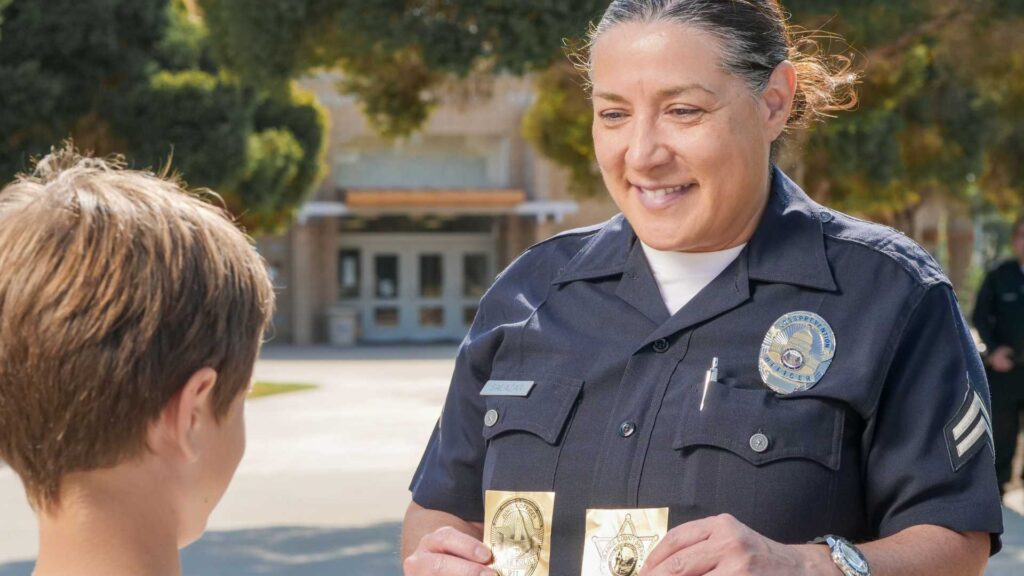
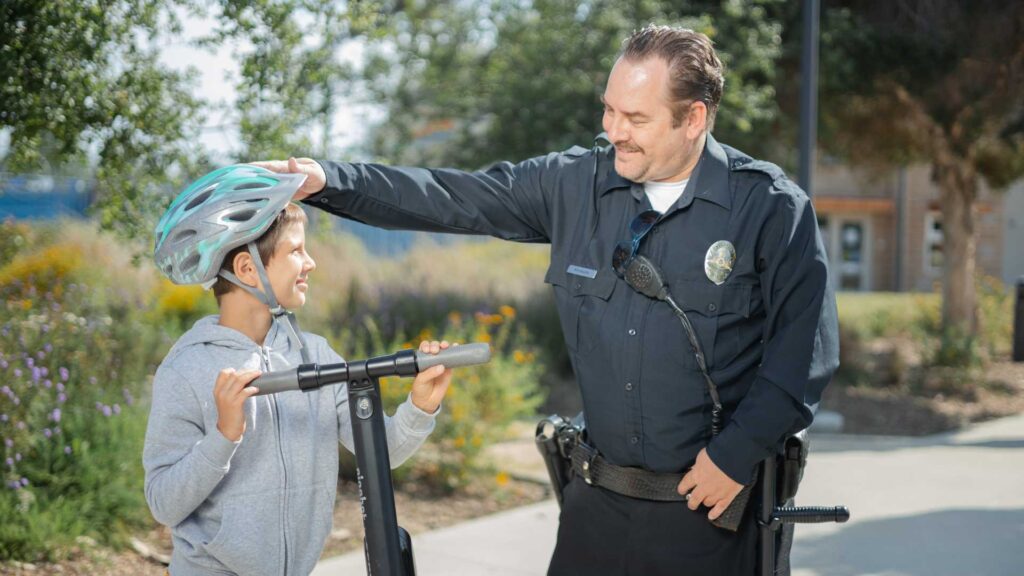
- Visit local police departments: This strategy can assist your child in becoming familiar with law enforcement officers and other essential personnel. During the visit, your child can become acquainted with the uniforms, vehicles, and individuals who work there. Additionally, please share information about your child’s autism and preferences with the police so that they have prior knowledge in case of future interactions.
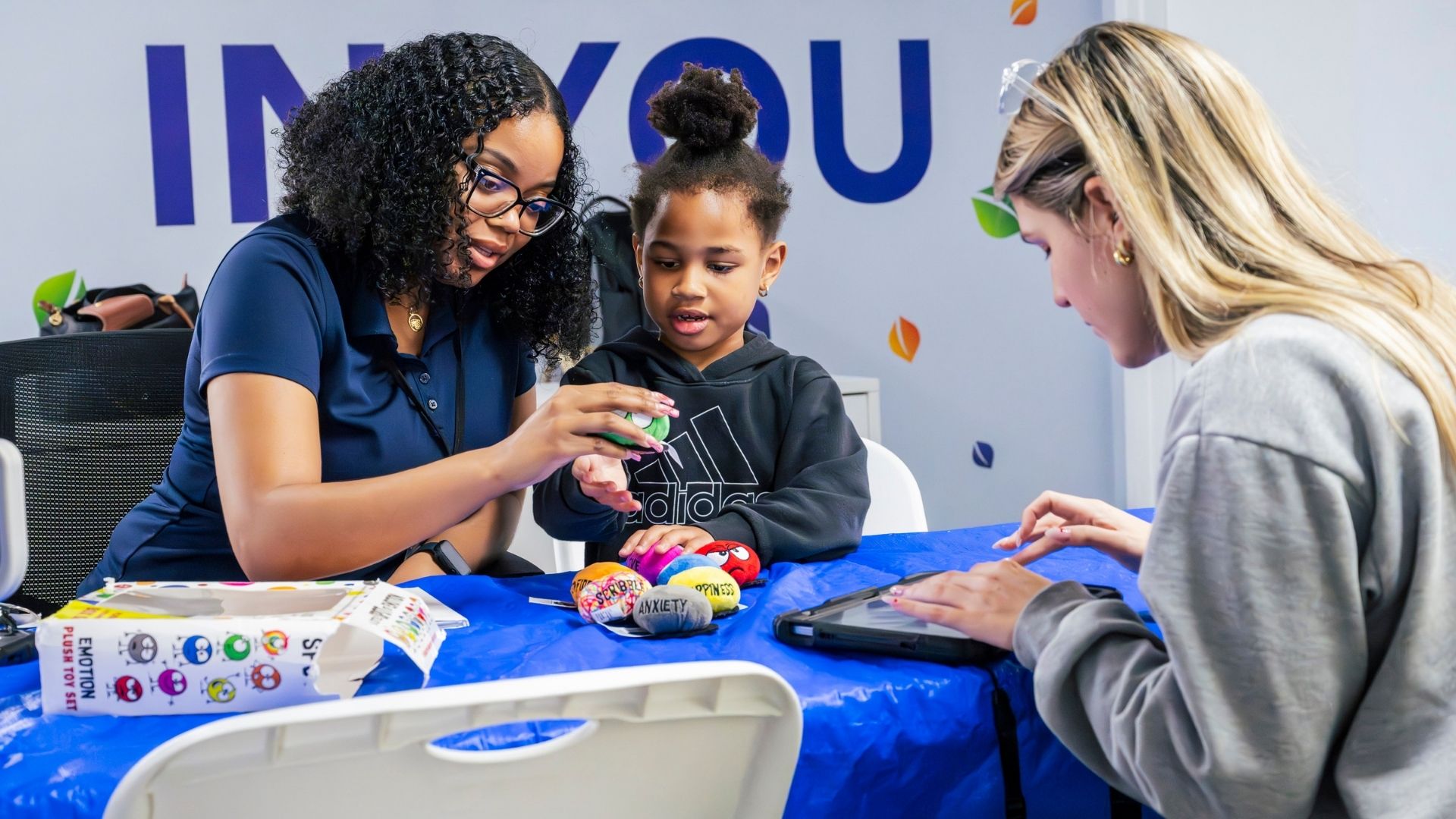
- Engage with your child’s therapist: If your child participates in ABA therapy, reach out to their therapist to discuss your concerns about interactions with the police. The therapist can incorporate activities related to appropriate behaviors for these situations in the therapy sessions.
- Seek out additional resources: Numerous organizations provide resources to ensure the safety of people on the autism spectrum. For instance, D.O.P.E The Movement shares best police practices and solutions for avoiding risky encounters.
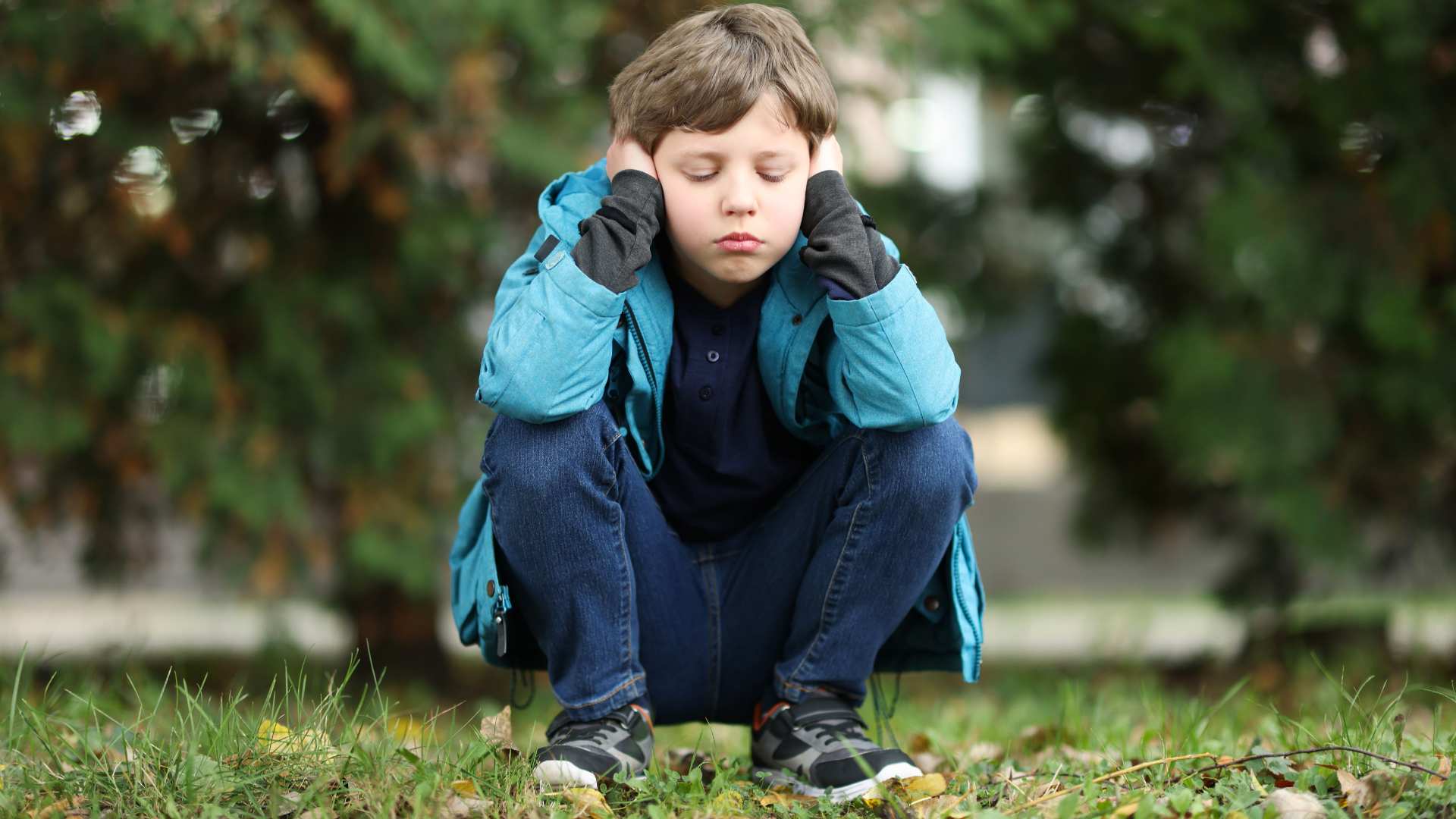
- Strengthen coping mechanisms for anxiety: Encounters with the police can trigger anxiety. ABA therapy can aid your child in managing stress and locating resources to mitigate the effects of overwhelming stimuli.
- Provide identification resources: Providing your child with an autism identification card or bracelet like the one suggested by the National Autism Association can be beneficial during interactions with the police. These resources can enhance police officers’ understanding of autism.
- Become an autism advocate: Engage with your community and law enforcement to promote a broader understanding of autism and encourage more empathetic interactions. Recognizing autism traits can prevent misunderstandings and escalated situations.
- Promote education: Working towards a more inclusive world through education can enhance safety for all.
Understanding ABA Therapy to Enhance Interactions Between Individuals with Autism and the Police
ABA therapy is the benchmark approach for managing autism symptoms. Implemented by skilled behavioral specialists, this method aims to empower neurodiverse individuals by helping them acquire vital life skills, thereby enabling them to participate fully in society. ABA therapy programs are customized according to individual and family needs, employing scientifically backed principles and techniques to promote independence and empowerment.
Through ABA therapy, individuals with autism are equipped with strategies and tools by professionals to manage challenging situations, such as interactions with emergency responders, including those involving autism and the police. This therapy also provides invaluable support in navigating various life scenarios.
Critical skills imparted to manage encounters between individuals with autism and the police include:
- Identification of crises
- Development of problem-solving abilities
- Understanding the process of dialing 911 and reaching out to emergency services
- Recognition of authority figures
- Exploration of effective communication alternatives
- Establishment of coping mechanisms for anxiety
ABA Centers of New Jersey: Offering Autism Support and Preparing for Interactions with Law Enforcement
At ABA Centers of New Jersey, we recognize the significance of ensuring our loved one’s safety, and we acknowledge that additional precautions are sometimes necessary. With our ABA therapy, individuals with autism can acquire crucial skills to navigate various situations, including interactions with law enforcement, a vital aspect when considering autism and the police.
Our dedicated ABA therapists collaborate closely with families to establish goals that foster independence, safety, and success for each individual on the spectrum. We also focus on building self-confidence and leveraging their strengths.
Families in Woodstown, Trenton, Paterson, and surrounding areas interested in starting ABA therapy are welcome to call us at (855) 640-7888 or contact us online for a free consultation. Together, let’s work towards ensuring encounters between individuals with autism and the police are both safe and successful!



 English
  Español