


These steps cannot guarantee a tear-free arrival. They can make the preschool transition more concrete and predictable.
Rehearse the Morning—Not the Entire School Day
Choose a short sequence your child can practice: wake up, get dressed, eat, pack the bag, travel, and say goodbye. Keep the routine realistic. A five-step picture schedule may provide more value than a detailed plan that overwhelms the whole family.
Home routines can support the school transition for children with autism by creating predictable anchors before the child enters an unfamiliar environment. Early-education guidance also recommends preparing belongings the night before, protecting time for a calm morning connection, and using picture schedules or short social narratives to explain what will happen.
Autism and Transitions: Prepare for Communication and Sensory Needs
When a child is facing a big change, families may initially focus on behavior: Will my child cry, run away, shut down, or refuse to enter?
A more useful question is: What might my child be communicating through that response?
The room may feel too loud. The goodbye may have happened too quickly. A direction may not make sense. The child may not know how to ask for help. Effective preparation addresses those barriers before distress escalates.
Build a Reliable Way to Ask for Help
Your child does not need fluent speech to participate in preschool. They need a communication method that adults recognize and honor. That method may include spoken words, gestures, signs, pictures, or augmentative and alternative communication.
Practice a few high-use messages:
- “Help.”
- “Break.”
- “All done.”
- “Bathroom.”
- “Mom or Dad comes back.”
Before a school transition, children may benefit from practicing how to request help or ask for a break. Families can also create an “All About Me” resource that outlines the child’s strengths, interests, preferences, communication style, and support needs for educators.
This information helps educators see the child as a whole person—not as a list of challenges.
Anticipate the Sensory Environment
Preschool may include fluorescent lights, scraping chairs, crowded hallways, group songs, hand dryers, food smells, and unexpected touch. During visits, notice where your child becomes tense, covers their ears, withdraws, or seeks an exit.
A sensory plan for this stage might include access to a quieter area, headphones, movement opportunities, a familiar regulating object, or a clear way to request a pause. Families and educators should identify sensory preferences in advance and plan proactive accommodations rather than waiting for overload.
How ABA Supports the School Transition for Children with Autism

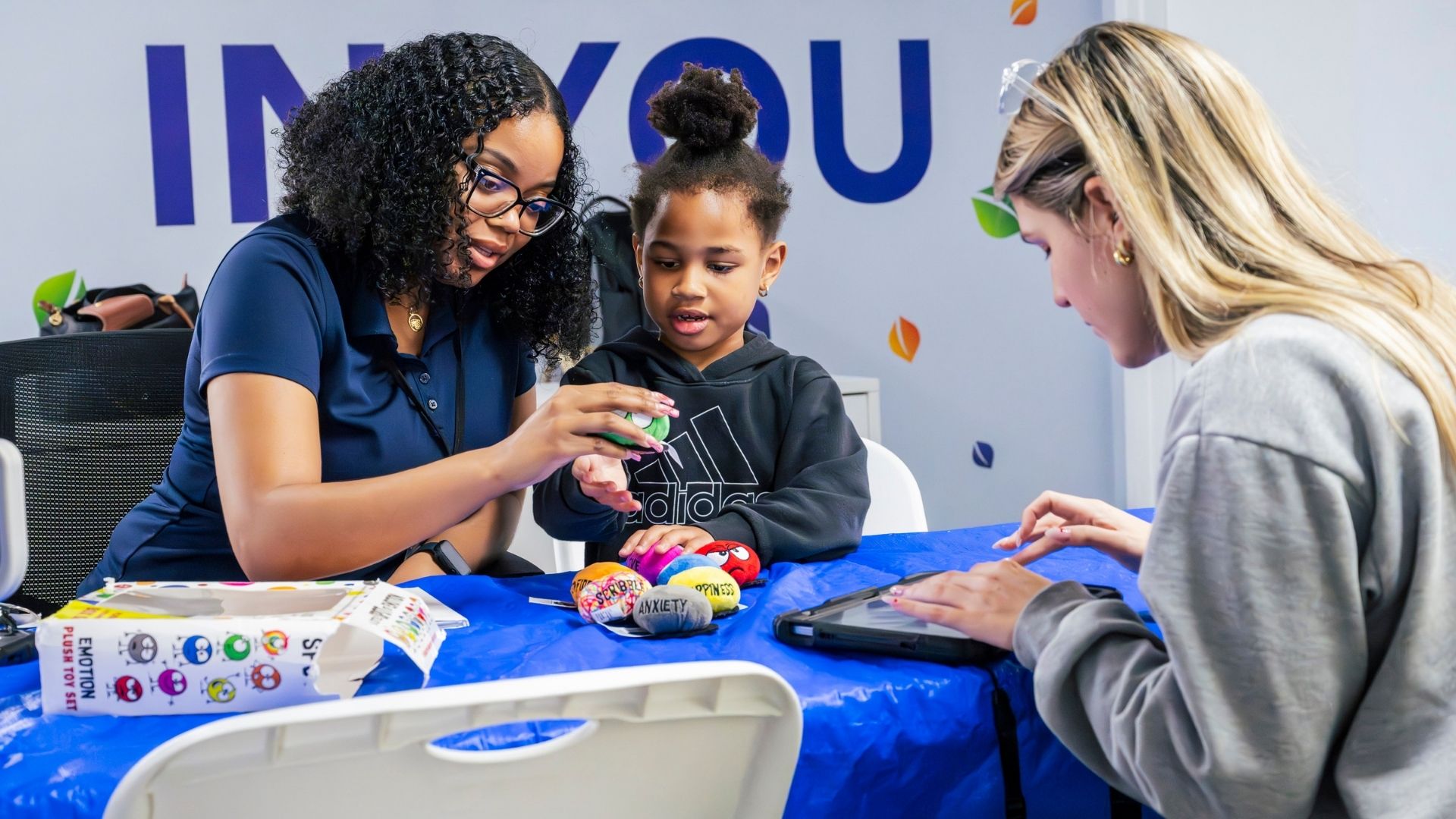
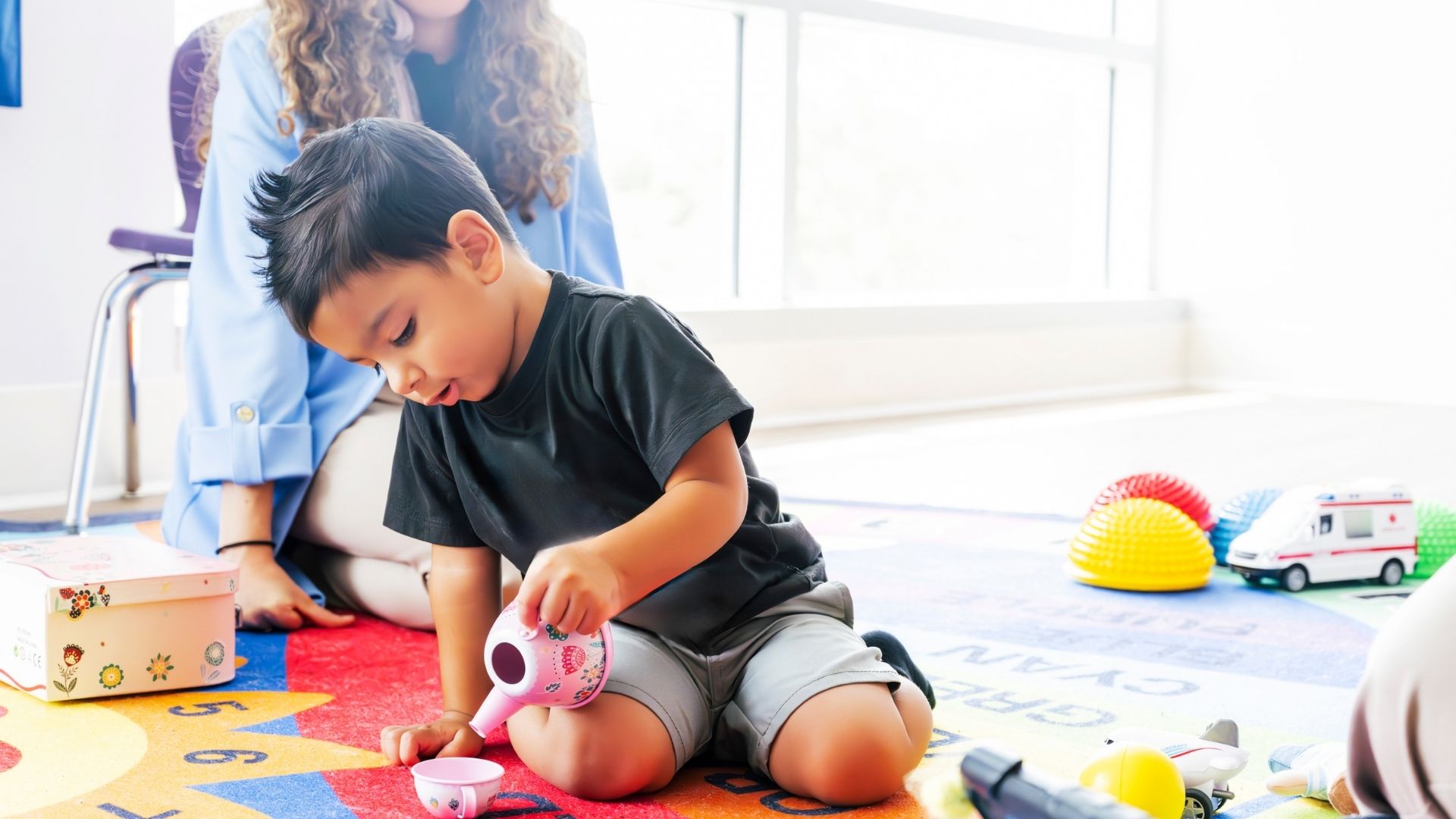
ABA therapy can support the school transition for children with autism by breaking broad preschool expectations into functional skills a child can learn and practice gradually.
The purpose should be to support functional communication, meaningful participation, greater autonomy, and navigation of change with appropriate accommodations
An ABA team may help a child learn to:
- Follow a short visual routine
- Request help, a break, or a preferred item
- Tolerate small, planned changes with support
- Practice arrival, cleanup, toileting, waiting, and group activities
- Use coping skills in home, therapy, and school-like environments
Positive reinforcement can acknowledge effort during a preschool transition. A therapist or caregiver might praise a child for entering the building, following a visual schedule, waiting briefly, or communicating discomfort before becoming overwhelmed.
Consistency across adults matters just as much during autism and transitions. Parents, ABA clinicians, early intervention providers, and educators should use compatible cues and communication supports whenever possible. The child should not have to decode an entirely different system in every environment.
Coordinate the Adults Around Your Child
The school transition for children with autism becomes harder when important information remains scattered among separate providers, reports, and conversations.
With parental consent, early intervention and school teams can share relevant assessments, the Individualized Family Service Plan, current teaching strategies, communication supports, and information about the child’s abilities. Cross-agency communication and continued family participation can help maintain consistency throughout evaluations and the development of an Individualized Education Program (IEP).

For families in New Jersey, the preschool transition follows state-specific timelines. Under the New Jersey Early Intervention System’s transition policy, a transition plan and, with parental approval, a transition planning conference generally take place between nine months and 90 days before a child’s third birthday.
If the child qualifies for preschool special education, New Jersey regulations require an Individualized Education Program to be in effect by a child’s third birthday (N.J.A.C. 6A:14-3.3). Parents also have the right to participate in decisions involving evaluations, eligibility, services, and educational placement, as outlined in the state’s Parental Rights in Special Education guide.
Families can use these timelines to begin conversations early with their service coordinator and local school district.
Frequently Asked Questions About the School Transition for Children with Autism
At what age should we start planning the preschool transition?
Planning typically begins well before a child’s third birthday. In New Jersey, a transition plan — and, with parental approval, a transition planning conference — generally takes place between nine months and 90 days before the child turns three, giving families and providers time to coordinate before services change.
What’s the difference between an IFSP and an IEP?
An Individualized Family Service Plan (IFSP) guides early intervention services for infants and toddlers under age three. An Individualized Education Program is developed if the school district evaluates the child and determines that they are eligible for preschool special education services. The shift from IFSP to IEP is one of the central changes families navigate during this transition.
How long does the evaluation process take after we provide consent?
In New Jersey, once a parent provides written consent for evaluation, the school district generally has 90 calendar days to complete the evaluation and, if the child is found eligible, develop and begin implementing an IEP.
What if my child is having difficulty with the transition?
Families can share concerns with the service coordinator or school team and discuss whether routines, accommodations, communication supports, or the child’s individualized plan need to change
Can ABA therapy support preschool preparation?
Not every child needs ABA therapy to transition. Still, for many children with autism, ABA support can help build specific skills — like communicating needs, tolerating change, and following classroom routines — that make the transition more manageable. This decision is best made together with your child’s care team.

Expect Adjustment, Not Instant Perfection
Even careful preparation cannot remove every challenging moment from autism and transitions. Some children may appear regulated at preschool but show increased distress, fatigue, or a greater need for recovery after returning home. They may need more recovery time, a slower start, or changes to their support plan.
A difficult morning does not mean the preschool transition has failed.
The school transition for children with autism is not a test of whether you prepared perfectly. It is a shared process through which families, clinicians, and educators learn what helps an individual child feel safe enough to participate.
You are already doing meaningful work by noticing your child’s signals, asking questions, and planning. ABA Centers of New Jersey supports families through early intervention and ABA therapy for toddlers and children with autism, including individualized skill-building that can help with autism and transitions in everyday environments.
Contact ABA Centers of New Jersey online or call (855) 640-7888 to learn how ABA support may help your child prepare for preschool, adjust to new routines, and build skills for future transitions.




 English
  Español