
What Is Repetitive Play in Toddler Development?
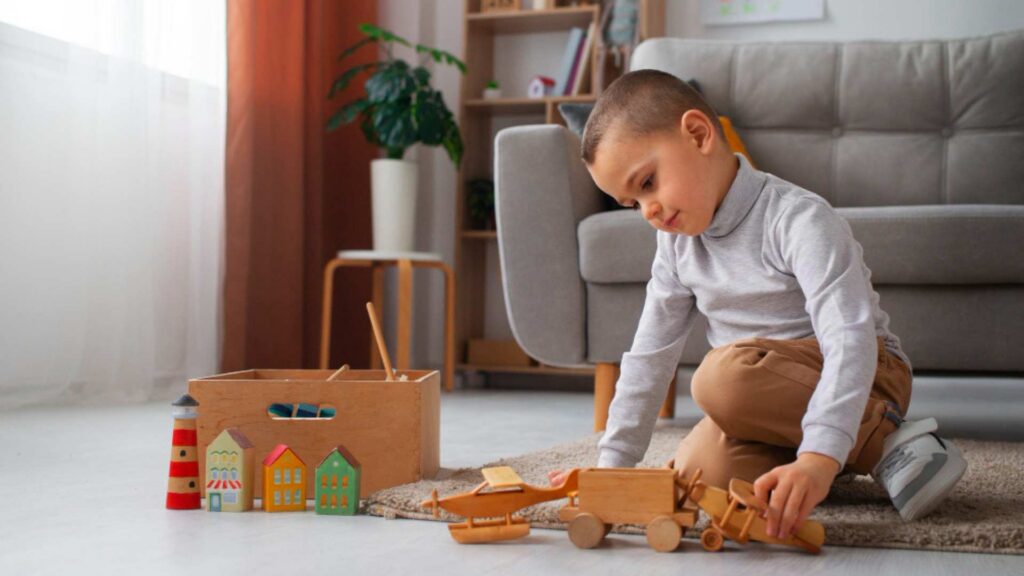
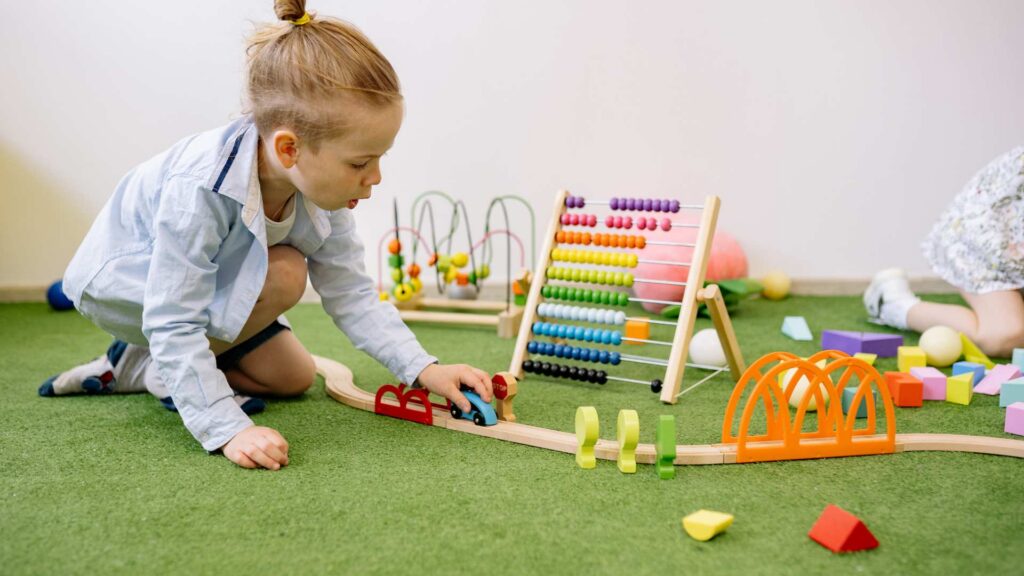
You may hear the term “repetitive play” used to describe behaviors like lining up toys. While the word “repetitive” can sound concerning, repetition is actually a core part of how toddlers learn.
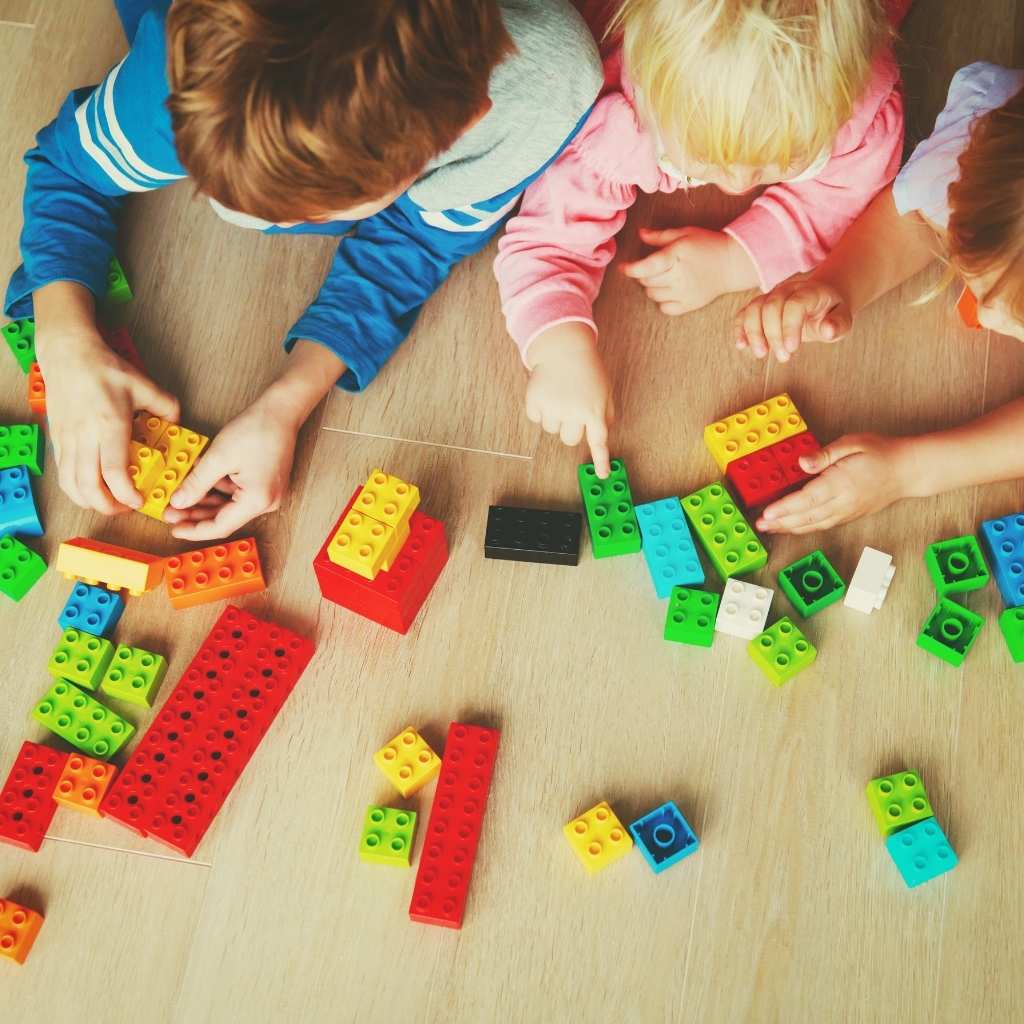
Repetitive play includes:
- Stacking blocks repeatedly
- Opening and closing containers
- Repeating the same action with toys
- Arranging objects in patterns
Through repetitive play, toddlers build confidence, test cause-and-effect, and strengthen their understanding of the world. Repetition gives them a sense of control while supporting learning.
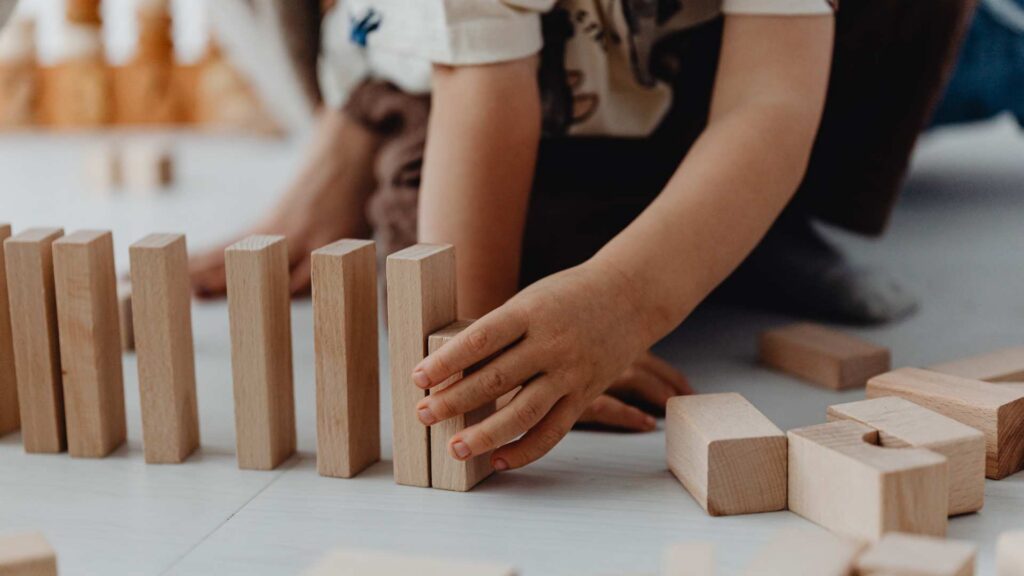
So, if your toddler lines up toys, it fits within this broader pattern of normal development, and it’s usually considered typical when:
- The child lines up toys occasionally, not constantly
- They can shift to other activities without distress
- They use toys in different ways, not just arranging them
- They show interest in interacting with you or others
Many toddlers move in and out of repetitive behaviors as they grow. If your toddler lines up toys but also plays, explores, and connects in other ways, this is usually part of typical development.
Is Lining Up Toys a Sign of Autism?
This is the key question many parents ask.
Lining up toys on its own is not enough to indicate autism. As stated before, toddlers engage in repetitive play as part of normal development.
What matters more is how the behavior appears over time. Autism Research on restricted and repetitive behaviors in young children shows that these patterns become more clinically relevant when they are very frequent, rigid, or occur alongside other developmental differences.
So, when asking, “Is lining up toys a sign of autism?” it’s important to look beyond the behavior itself.
The difference often comes down to:
- Frequency (how often it happens)
- Flexibility (whether your child can shift away from it)
- Context (what other behaviors are present)
How This Behavior Connects to Early Development
Play is one of the clearest windows into how a child learns and interacts with the world.
The National Institute of Mental Health explains that autism involves differences in both social communication and patterns of behavior, including repetitive actions. That’s why professionals don’t look at one behavior in isolation.
When a toddler lines up toys, it may reflect how they organize information or interact with their environment. But on its own, it doesn’t define a diagnosis.
Instead, professionals look at:
- Communication
- Social interaction
- Play patterns
- Behavioral flexibility
This broader view helps ensure that one behavior isn’t overinterpreted.
How to Support Flexible and Social Play at Home
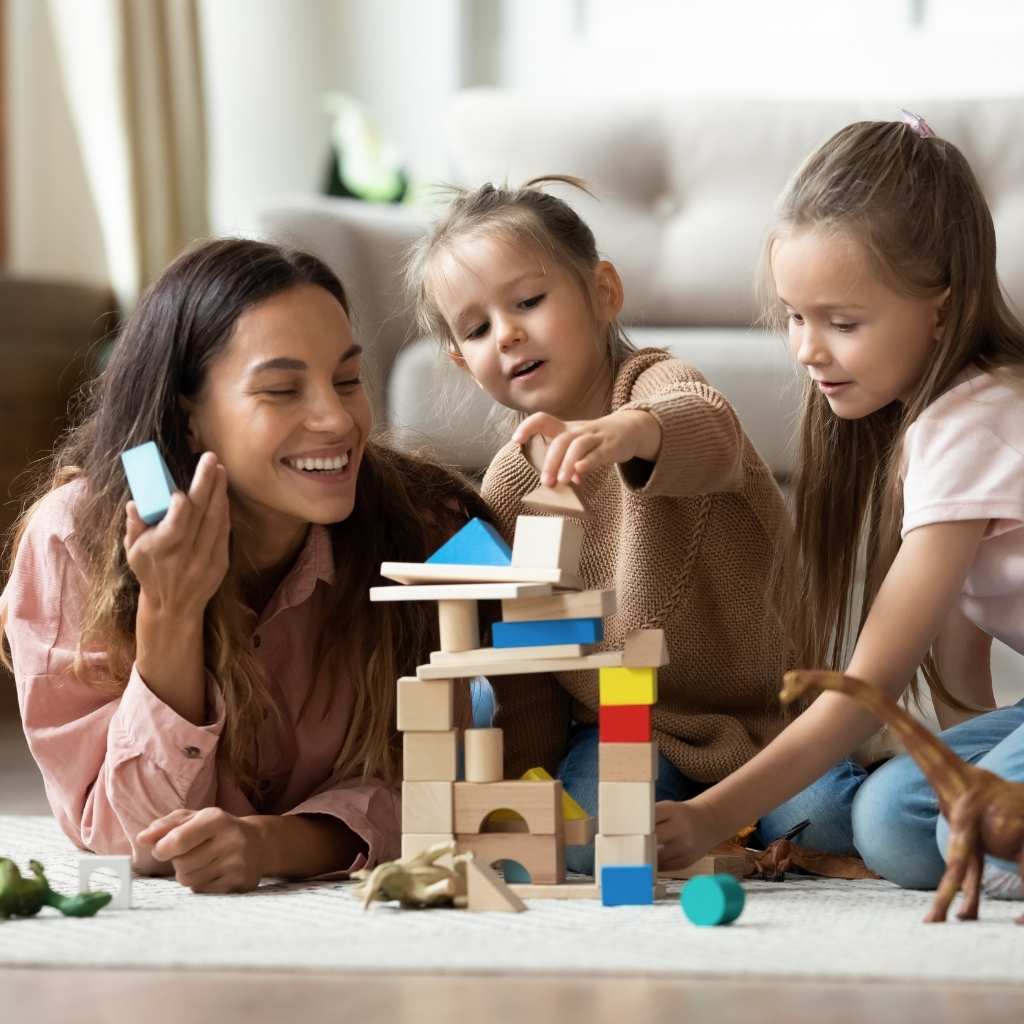
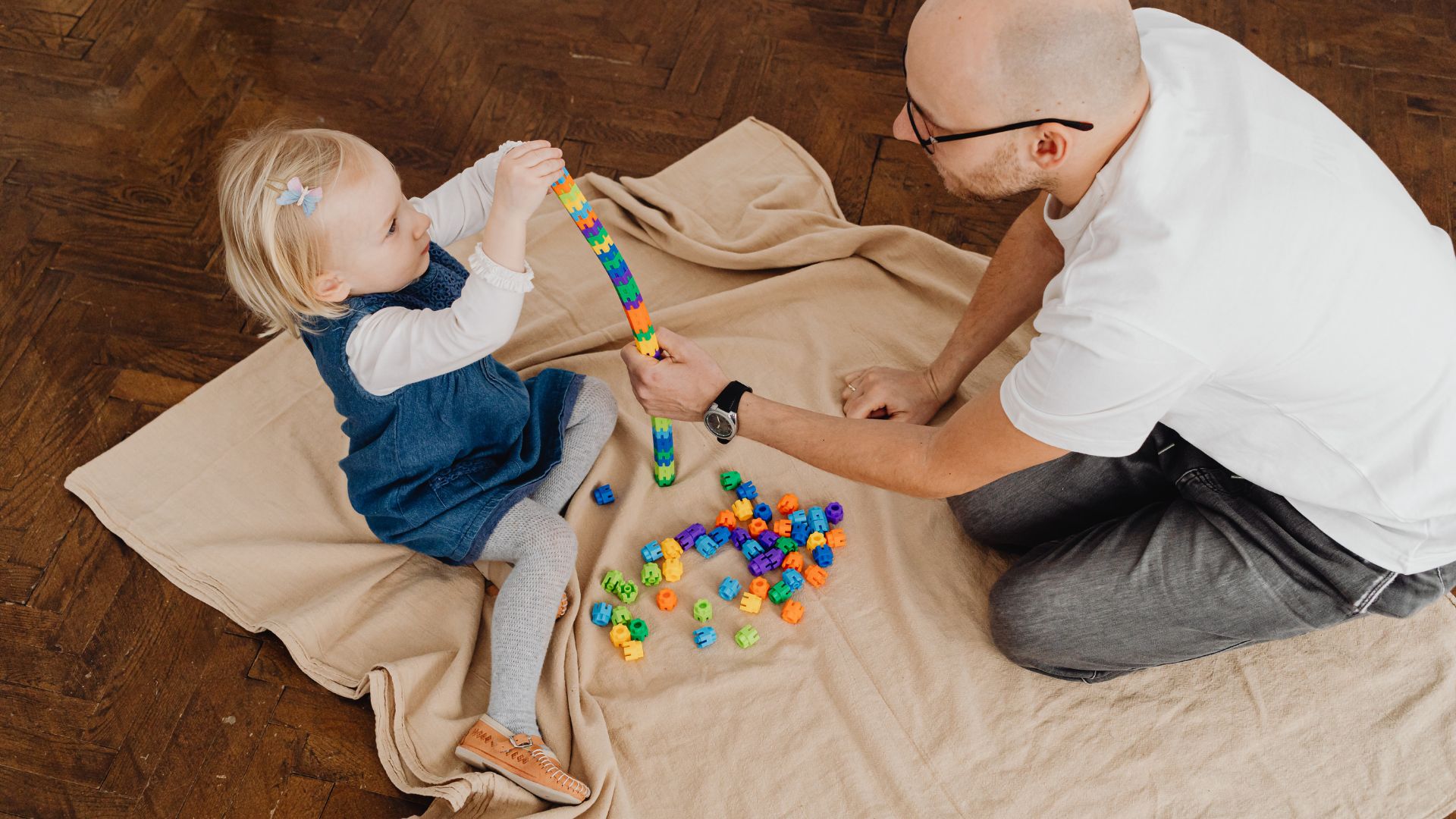
If your toddler lines up toys often, you can gently support more flexible and interactive play without interrupting their interests.
When to Seek Guidance with ABA Centers of New Jersey
If your toddler lines up toys frequently and you notice other developmental concerns, it may be helpful to seek guidance. Early support can provide clarity and help families understand what their child needs.
Many toddlers explore repetition as part of learning. Others may show patterns that can benefit from additional support and understanding. What matters most is looking at the bigger picture and observing how your child plays, connects, and grows over time.
At ABA Centers of New Jersey, families can connect with experienced professionals who can help them better understand their child’s development and guide them through the next steps with confidence.
If you have concerns about your child’s behavior or are considering ABA support, we are here for you. Our team is here to support you every step of the way. You don’t have to navigate this process alone.
You can reach out to us by filling out our contact form or calling (855) 640-7888 to learn more. If you are in New Jersey, you can find us in Monmouth Junction, Sewell, Edison, Hackensack, Laurel Township, Hoboken, Bridgewater, West Orange, and Freehold.


 English
  Español