

From avoiding eye contact to aggressive behaviors, ABA Centers of New Jersey offers the answers
At ABA Centers of New Jersey, we understand the journey of raising a child with autism comes with many questions. Parents often find themselves navigating uncharted territory, seeking guidance and clarity about their child’s behavior, development, and therapy. To help, we’ve compiled answers to the ten most common questions we received from families across New Jersey last year.
Top 10 Questions About Autism Parents Asked in 2024
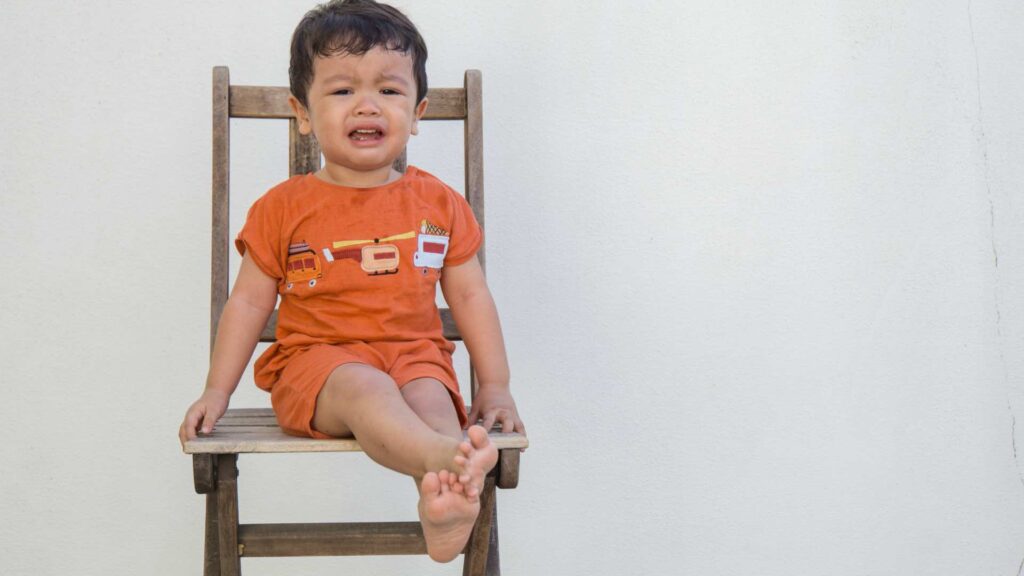
1. Why isn’t my child speaking?
Speech delays are often among the first developmental differences parents notice, leading to concerns about autism. It helps to understand the distinction between “nonverbal” and “nonspeaking” in autism, as each has unique implications. While some children develop alternative communication strategies like sign language or AAC devices, targeted ABA therapy can foster communication growth tailored to their needs.
Learn more about the “Living with Autism” experience.
2. Why won’t my child make eye contact?
Eye contact is a significant concern for many parents, reflecting broader worries about social connection. Children on the spectrum often struggle with direct eye contact due to sensory sensitivities or discomfort in social settings. By employing strategies that respect a child’s preferences, ABA therapy supports more effective and natural social interactions.
Read more about eye contact and autism.
3. Why doesn’t my child respond to their name?
When a child doesn’t react to their name, it can raise questions about their social engagement or auditory processing. This behavior sometimes stems from a broader profile like Pathological Demand Avoidance (PDA), which requires nuanced understanding and approaches. ABA therapy helps families address such challenges with empathy and effective techniques.
Discover even more signs of Autism Spectrum Disorder (ASD).
4. Why won’t my child eat regular foods?
Selective eating, a common challenge among children with autism, is often linked to sensory sensitivities or preferences for predictable textures and flavors. Parents frequently ask how to introduce new foods without overwhelming a child. ABA therapy offers gradual and positive exposure methods to expand food choices.
Discover seven ways to tackle picky eating.
5. Why is my child aggressive?
Aggression in children with autism can result from frustration, sensory overload, or unmet communication needs. Parents understandably seek strategies to manage these behaviors safely and effectively. ABA therapy focuses on understanding triggers, teaching self-regulation, and promoting alternative ways to express needs.
Learn strategies for managing challenging behaviors.
6. Why does my child prefer to play alone?
Many children with autism enjoy solitary play, which may worry parents hoping to see social connections develop. This preference can be due to sensory sensitivities or comfort in predictable, independent activities. ABA therapy helps bridge the gap, fostering social skills in ways that respect a child’s boundaries.
Read about introducing inclusive sports and autism.
7. Why does my child say the same things over and over?
Echolalia and repetitive language are hallmark behaviors in many children with autism. While these patterns can perplex parents, they often serve as a coping mechanism or a way to process information. ABA therapy provides tools to help children use language more flexibly and effectively.
Understand more about Occupational Therapy and its role in autism care.
8. Why does my child repeatedly watch the same movies/videos/clips?
Repetition provides comfort and predictability for children on the spectrum. Watching favorite media on repeat may also be a sensory-seeking behavior or a way to process specific themes. ABA therapy encourages balance by integrating these interests into broader developmental goals.
Celebrate repetitive interests like Star Wars Day with ABA Centers of New Jersey!
9. Will my child outgrow autism?
Autism is a lifelong neurodevelopmental difference, but that doesn’t mean your child’s abilities are static. With early intervention and consistent support like ABA therapy, children can build essential skills, adapt to challenges, and reach their full potential.
Learn more about the benefits of ABA Early Intervention Therapy.
10. When does ABA start to work?
One of the most pressing questions parents ask is how soon they’ll see results from ABA therapy. While every child progresses at their own pace, consistency in therapy is key. Many families notice positive changes within a few months of starting ABA services.
Find out why staying consistent with ABA is crucial.
Serving Families Across New Jersey





 English
  Español