
Autism and Mental Health: Understanding Emotional Well-Being Across the Spectrum

Student sitting on the ground with knees pulled close and headphones on, capturing a moment of overwhelm related to autism and mental health

Tabla de contenido

What Mental Health Issues are Common in Autism?

Talking about autism and mental health is really about understanding the full, unique experience of living on the autism spectrum. Autism influences how someone sees the world, connects with people, and navigates daily life—but it also affects feelings, relationships, and sense of self. Mental health and autism are closely tied together. They move hand in hand, shaping daily moments both on the surface and deep inside.

For many individuals with autism spectrum disorder (ASD), mental health challenges do not come from the diagnosis itself. They develop through constant adaptation to environments that may feel overwhelming, unpredictable, or socially demanding.

Sensory overload, communication barriers, pressure to conform, and repeated misunderstandings can accumulate over time. Even individuals who appear independent or successful may struggle internally with anxiety, low mood, or emotional exhaustion.

Understanding autism and mental health together allows families, caregivers, and professionals to respond more thoughtfully. It shifts the focus from managing behavior to supporting emotional well-being, resilience, and self-understanding.

Este blog de ABA Centers of New Jersey explores why mental health matters in autism, common mental health challenges experienced by individuals on the spectrum, and how families can learn and help to recognize emotional distress in their loved ones with ASD for better outcomes throughout life.

Why Mental Health Matters in Autism

Mental health influences how a person copes with stress, processes emotions, and navigates relationships. For individuals with autism, mental health plays a vital role because every day experiences often require extra effort.

Sensory input may feel intense, social interactions may demand constant interpretation, and changes in routine may trigger anxiety.

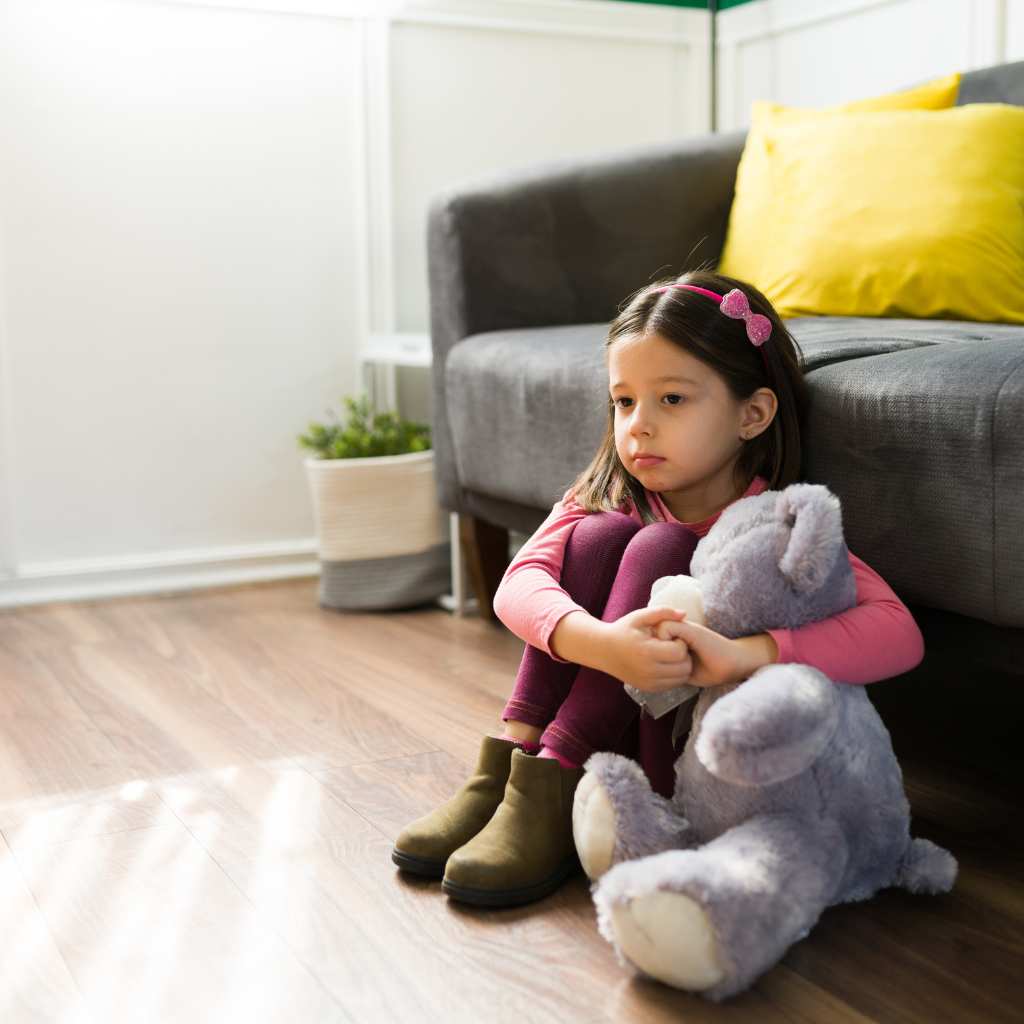
Young child hugging a plush toy while sitting alone, suggesting autism and emotional support

Psychological Medicine suggests that 54% to 94% individuals on the spectrum develop a mental health condition in their lifetime compared to the general population. This prevalence does not mean autism causes mental illness. Instead, it reflects the emotional impact of navigating environments that are not always designed with the needs of the autism community.

When mental health in autism receives attention and support, individuals often show improved emotional regulation, stronger coping skills, and greater confidence.

Common Mental Health Challenges in Autism

Mental health issues in autism can look different depending on age, communication style, and environment. Some challenges emerge early in childhood, while others appear later as social and academic demands increase.

Here are the common mental health issues in autism:

  1. Anxiety

Anxiety is one of the most common mental health concerns in autism, with a prevalence ranging from 22 to 84%, according to Current Opinion in Psychiatry. It may relate to uncertainty, transitions, sensory overload, or social expectations. Anxiety does not always look like verbal worry. It may appear as avoidance, rigidity, irritability, increased repetitive behaviors, or emotional shutdown.

  1. Depression

Depression can develop when individuals feel misunderstood, isolated, or overwhelmed. Neurodivergent individuals may have difficulty expressing sadness verbally, which can delay recognition. Changes in motivation, sleep, appetite, or engagement often provide important clues.

  1. Emotional Dysregulation

Many individuals on the autism spectrum experience emotions intensely. Difficulty identifying, processing, or communicating emotions can lead to sudden emotional reactions or prolonged distress. Emotional dysregulation often reflects overload rather than intentional behavior.

  1. Stress and Autistic Burnout

Kid with autism showing emotional dysregulation

Long-term stress, especially related to masking or constant adaptation, can lead to burnout. Burnout may involve exhaustion, withdrawal, loss of skills, and increased sensory sensitivity. Adolescents and adults often experience this during periods of increased demand.

For instance, a study by the National Autistic Society examined how camouflaging, autistic burnout, and cultural expectations interact in Latino young adults with autism. Participants reported moderate to high burnout and frequently used camouflaging strategies, especially compensation. Cultural values, such as strong family expectations and traditional roles, were linked to higher burnout and influenced how individuals camouflaged. While camouflaging was associated with better daily functioning, it also predicted higher anxiety and depression.

Understanding these mental health issues in autism helps caregivers respond with empathy instead of pressure.

Why Mental Health Concerns Often Go Unnoticed

Mental health issues affect people worldwide and can impact anyone. However, for individuals with autism, these challenges often go unnoticed for several reasons, including:

  • Communication differences that make it hard to express emotions or ask for help
  • Emotional distress that others mistake for behavioral problems or assume is just part of autism
  • Masking emotions to fit in at school, work, or social situations

Masking can make anxiety or depression hard to spot until those feelings become overwhelming. Sometimes, the only signs are small changes—like pulling away from others, losing interest in favorite activities, or struggling with routines—that quietly signal to parents and caregivers that something’s wrong.

How to Recognize Mental Health Challenges in Individuals with Autism

Now that we know why mental health issues in autism aren’t always easy to spot, let’s look at how parents and caregivers can notice them.

Possible indicators include:

  • Increased anxiety in familiar situations
  • Heightened sensory sensitivity
  • Changes in sleep or appetite
  • Withdrawal from preferred activities
  • Increased irritability or emotional reactivity
  • Loss of previously acquired skills
  • Persistent low mood or lack of motivation

These signs do not mean something is “wrong” with the individual. However, they signal a need for support.

How Parents and Caregivers Can Support Mental Health

Families play a central role in supporting autism and mental health. Emotional safety begins at home, where individuals feel accepted and understood.


Parents and caregivers can help by

  • Maintaining predictable routines
  • Preparing children for changes
  • Validating emotions and teaching emotional vocabulary
  • Allowing space for breaks
  • Reducing sensory overload
  • Advocating for accommodations at school or in the community
Comforting hug highlighting care and emotional support

Most importantly, listening without judgment builds trust. When individuals feel heard, they are more likely to express emotional needs before distress escalates.

How ABA Therapy Supports Mental and Emotional Well-Being

ABA therapy does not diagnose or directly treat mental health disorders. However, it plays a complementary role by supporting mental health in autism. ABA professionals can help with mental health issues in autism by:

  • Teaching functional communication to express needs and emotions
  • Supporting emotional regulation strategies
  • Increasing predictability and structure
  • Reducing behaviors linked to distress
  • Building independence and confidence

As individuals gain tools to navigate daily life, emotional strain often decreases. Skill development and mental health reinforce each other.

How ABA Centers of New Jersey Supports Mental and Emotional Growth

En ABA Centers of New Jersey, we recognize that autism care must address emotional well-being alongside skill development. Supporting individuals on the spectrum means understanding how stress, emotions, and mental health shape learning and behavior.

Our approach includes individualized ABA therapy, emotional regulation strategies, family collaboration, and respect for each person’s unique needs and strengths. We help individuals grow with confidence, resilience, and emotional awareness.

If you have questions or want to learn more about how ABA can support your loved one’s journey, we’re here to help.

Reach out to us at (855) 640-7888 o contáctanos en línea to talk with a compassionate team member. We proudly serve families in Bridgewater, Edison, Hackensack, Hoboken, Freehold, and throughout New Jersey.

No matter where you are on your path, you don’t have to do it alone. Let’s work together toward brighter days.

Socialícese con nosotros

Entradas relacionadas

Child with autism sleeping in a calm bedroom, representing autism and sleep disturbance and common sleep disorders.

Autism and Sleep Disturbance: Understanding the Challenges and Finding Real Solutions

Sleep challenges are one of the most exhausting and overlooked parts of raising a child with autism. In this blog, we explore why sleep problems ...
Leer más →
Cómo pasar las fiestas con autismo 11 consejos esenciales

Navegando las Festividades con Autismo: 11 Consejos Esenciales

Esta guía de ABA Centers of New Jersey pretende ofrecer consejos prácticos para gestionar la intersección del autismo y la Navidad. Con el enfoque adecuado, ...
Leer más →
Comprender el autismo de nivel 1 y las diferencias en la comunicación social cotidiana. .niño jugando con marionetas de mano

Explicando el autismo de nivel 1: Una guía compasiva para las familias

El autismo de Nivel 1 es a menudo malinterpretado, especialmente cuando se compara con términos anticuados como Asperger. Esta guía desglosa qué significa realmente el nivel 1, cómo se...
Leer más →
Dos hermanos pequeños sonríen juntos: apoyo a los niños con un hermano autista.

Hermanos con Autismo: Cómo Apoyar a los Hermanos de Niños Neurodiversos

En esta guía de ABA Centers of New Jersey, exploramos cómo el hecho de tener un hermano neurodiverso influye en el desarrollo, y compartimos herramientas prácticas, recursos y ...
Leer más →
Un padre abrochando a un niño sonriente en un asiento de coche, ilustrando los problemas sensoriales de los asientos de coche en el autismo y las estrategias de apoyo en los viajes.

Problemas sensoriales del autismo en el asiento del coche: Guía de apoyo para padres y cuidadores

Este blog explica por qué ocurre esto y cómo hacer que cada viaje sea más tranquilo con estrategias sencillas y adaptadas al autismo.
Leer más →
Una familia disfrutando junta de la cena de Acción de Gracias, representando unas vacaciones respetuosas con el autismo y llenas de conexión y alegría.

La Temporada Navideña con Autismo: 5 Formas de Crear un Día de Acción de Gracias Alegre

En este artículo de ABA Centers of New Jersey, exploraremos estrategias prácticas para celebrar las fiestas con autismo, desde la elaboración de un plan festivo ...
Leer más →
es_ESEspañol
Scroll al inicio