
Signs of ASD at 2 Years Old: What Parents May Notice in Daily Life

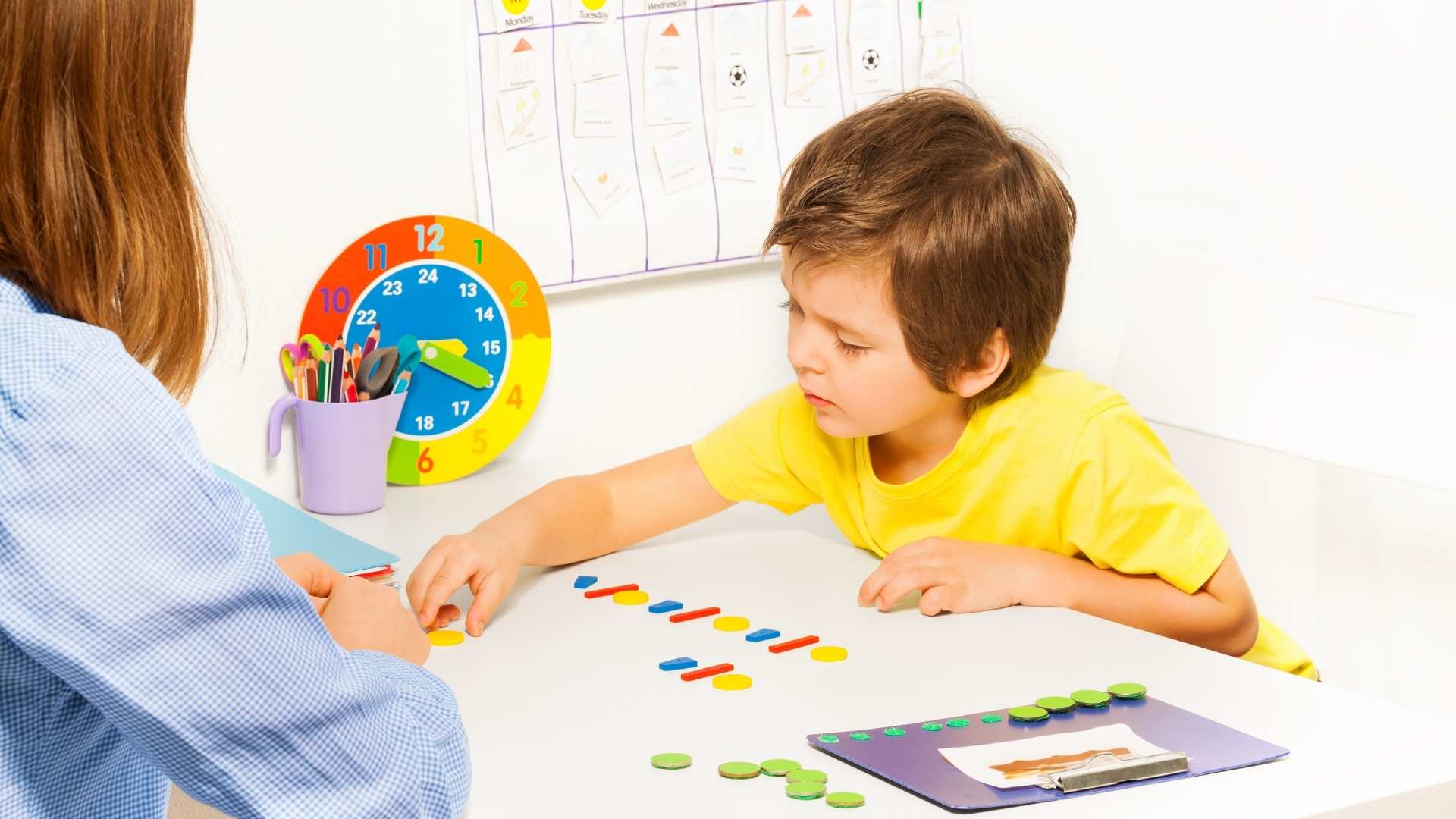
A parent with their toddler stacking cups, used to illustrate Signs of ASD at 2 Years Old that parents may first notice in daily play.

Table of Contents

What Are the Signs of ASD At 2 Years Old?

Signs of ASD at 2 years old become more evident in a child’s communication, play, and daily responses. Parents and caregivers may see limited speech, difficulty expressing needs, less social interest, repetitive actions, or strong reactions to changes or surprises in routine.

By age 2, toddlers are actively using skills to interact with the world. They ask for things, imitate adults, explore their surroundings, and begin forming simple social connections.

If your child’s development feels different at this stage, you may notice these differences in daily routines, not just in whether specific milestones are met. Being aware of these patterns helps clarify how routines, communication, and interactions are affected.

What Changes Around Age 2 That Make Differences More Noticeable

At earlier stages, signs can feel subtle or uncertain. By age 2, they often become more visible because expectations increase.

Most 2-year-olds begin to:

  • Combine words (like “want toy” or “more milk”)
  • Follow simple directions
  • Show interest in other children
  • Engage in pretend play
  • Communicate needs more clearly

These milestones (outlined in the CDC’s 2-year developmental checklist) reflect how toddlers begin to use communication and social skills more actively in everyday situations.

When these abilities develop differently or remain limited, parents notice the difference during everyday activities.

Signs of ASD At 2 Years Old in Everyday Life

At this stage, many families searching for early signs of autism in toddlers notice some patterns in their day-to-day experiences. As outlined by the NICHD, autism-related signs often emerge through differences in communication, social interaction, and behavior during the toddler years.

Let’s explore some signs of ASD at 2 years old:

1.  Communication That Doesn’t Meet Daily Needs

At 2 years old, communication becomes more functional. Children use words, gestures, or sounds to ask for help, express emotions, or share interests.

If your child doesn’t communicate their needs, you might notice by:

  • No two-word phrases
  • Limited attempts to communicate
  • Difficulty asking for basic needs
  • Frequent frustration due to communication barriers

2. Play and Games Look Different from Peers

Play becomes more imaginative; toddlers pretend, imitate, and explore creatively.

A child with ASD may:

  • Not engage in pretend play
  • Repeat the same play patterns
  • Focus on parts of toys instead of the whole object
  • Show limited imitation of others

3. Social Interaction That Feels Limited

At this age, toddlers typically show growing interest in people, even if they don’t fully play with others yet.

Some children on the spectrum may:

  • Prefer to play alone most of the time
  • Show little interest in other children
  • Not seek attention or reactions from their parents
  • Avoid or limit eye contact

These patterns may become more noticeable in parks, family gatherings, or daycare settings.

4. Strong Reactions to Change or Routine Disruptions

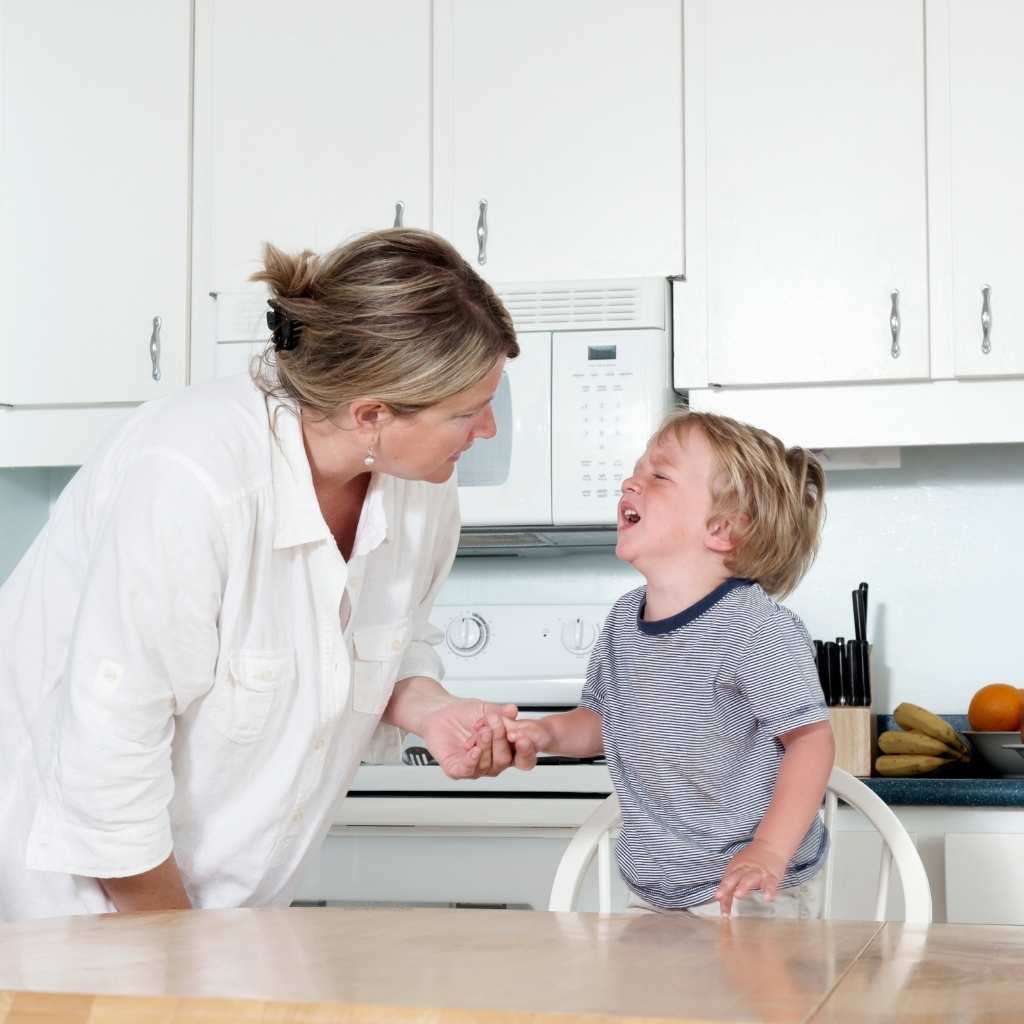
By age 2, children begin to tolerate small changes in routine. However, some may have strong reactions to what seems to be minor, affecting activities like mealtimes or bedtime.

You might observe:

  • Difficulty with transitions
  • Distress when routines change
  • Strong preference for doing things the same way every time
An adult comforting an upset toddler, showing a strong reaction to a small change in routine, one of the common Signs of ASD at 2 Years Old

5. Repetitive Behaviors and Focused Interests

Repetitive behaviors may become more structured and frequent, and they might look like:

  • Lining up toys
  • Repeating the same movements
  • Watching objects move repeatedly
  • Becoming highly focused on specific items

How These Signs of ASD at 2 Years Old Show Up in Real Routines

At 2 years old, differences become clearer during typical moments at home, not just during checklists.

Parents may notice challenges during:

  • Mealtimes (especially with food preferences)
  • Playtime (repetitive or solitary play)
  • Outings (difficulty with transitions from places or activities, or sensory overload)
  • Social settings (limited engagement with others)

By this stage, many parents move from thinking “maybe it’s just different development” to seeing these changes as a consistent pattern.

Understanding Patterns Instead of Isolated Behaviors

One key shift at this age is recognizing patterns (repeated behaviors or skills developing over time) across multiple areas, rather than focusing on single milestones (specific achievements). Looking for patterns gives you a fuller picture and helps you decide if you should take a closer look at whether your child:

  • Uses very few or no words
  • Does not combine words
  • Shows limited social engagement
  • Repeats behaviors frequently
  • Struggles with everyday transitions

Consistent patterns across communication, behavior, and interaction provide more insight than any single sign.

Taking the Next Step in Understanding Your Child with Early Intervention
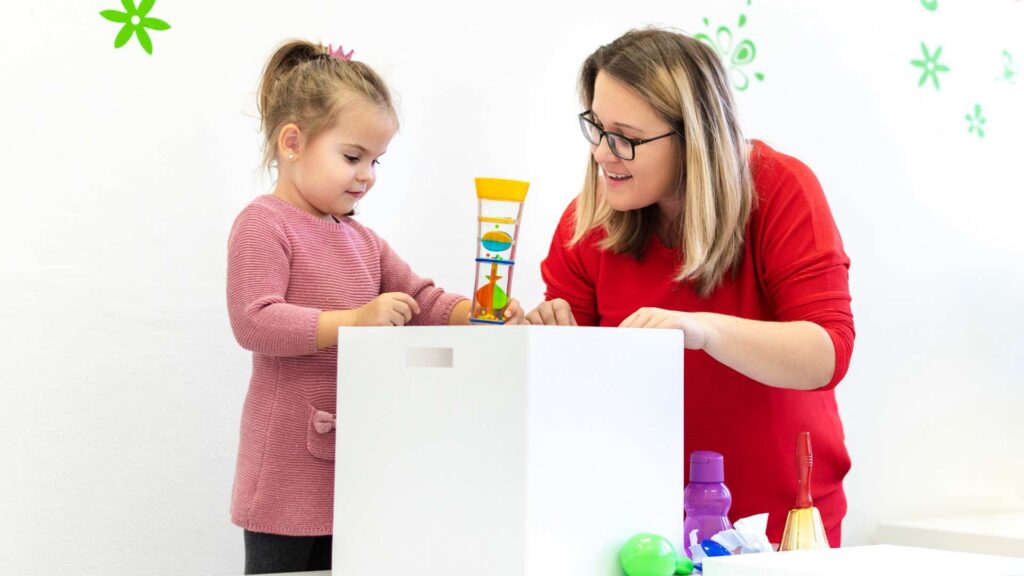
A toddler interacts with RBT using colorful toys, illustrating Signs of ASD at 2 Years Old and the value of early intervention with ABA therapy.

When a toddler reaches age 2, many families get to a point where they want clearer answers.

Instead of waiting, we recommend that you:

  • Bring concerns to your pediatrician
  • Request a developmental screening
  • Track behaviors more intentionally
  • Explore evaluations if needed

Recent research highlights how early identification of autism can lead to more timely support and improved developmental outcomes, especially during the toddler years.

Taking this step is not about assuming a diagnosis; it’s about gaining clarity and understanding what your child may need.
 

Navigate This Stage with ABA Centers of New Jersey

Recognizing early signs of autism in toddlers can feel overwhelming, especially when they impact your child’s everyday life.

Many families reach this point and begin looking for guidance, reassurance, and answers.

At ABA Centers of New Jersey, we guide families to understand what they’re seeing and support their next steps with confidence. You don’t need to have everything figured out; you just need a place to start.

If you feel concerned about your child’s development or simply want guidance, reach out to our team via our website or call us at (855) 640-7888. We understand what you’re going through and can help you take the next step with confidence.

Get Social With Us

Related Posts

A toddler and adult playing with bubbles, showing a joyful moment to help illustrate learning about the signs of autism at 18 months

Signs of Autism at 18 Months: A Complete Guide for Parents

Learn the signs of autism at 18 months, why this stage is a key turning point in development, and how early support can make a ...
Read More →
A baby standing in a crib in a calm indoor setting. The image is used to illustrate information about Signs of Autism at 12 Months

Signs of Autism at 12 Months: What Parents Need to Know

Seeing differences in your 12-month-old’s development? Learn the signs of autism and how early support can help your child thrive.
Read More →
World Autism Awareness Day and Historical Advocacy Triumphs

World Autism Awareness Day and Historical Advocacy Triumphs

World Autism Awareness Day promotes acceptance, inclusion, and support for people with autism. Discover its meaning and how to make a real impact.
Read More →
Child using a sensory ball as a coping skill in ABA therapy to help manage anxiety and overwhelming emotions.

Coping Skills in ABA: Helping Children with Autism Navigate Big Emotions

Learn how coping skills in ABA therapy help children with autism manage anxiety, frustration, and overwhelming situations with practical strategies and support
Read More →
Athletes celebrating victory showing inspiration for athletes with autism in competitive sports

Athletes with Autism: Breaking Stereotypes and Showing What Focus Can Do

Many athletes with autism have turned focus, routine, and passion into strengths in sports. Learn how sports for children with autism support social skills, confidence, ...
Read More →
A happy child laughing, supporting a message about recognizing autism in girls

Autism in Girls: Why It Often Looks Different and Why Many Go Undiagnosed

Autism in girls often presents differently than in boys, leading many girls to go undiagnosed. This blog explains the signs of autism in girls and ...
Read More →
en_USEnglish
Scroll to Top